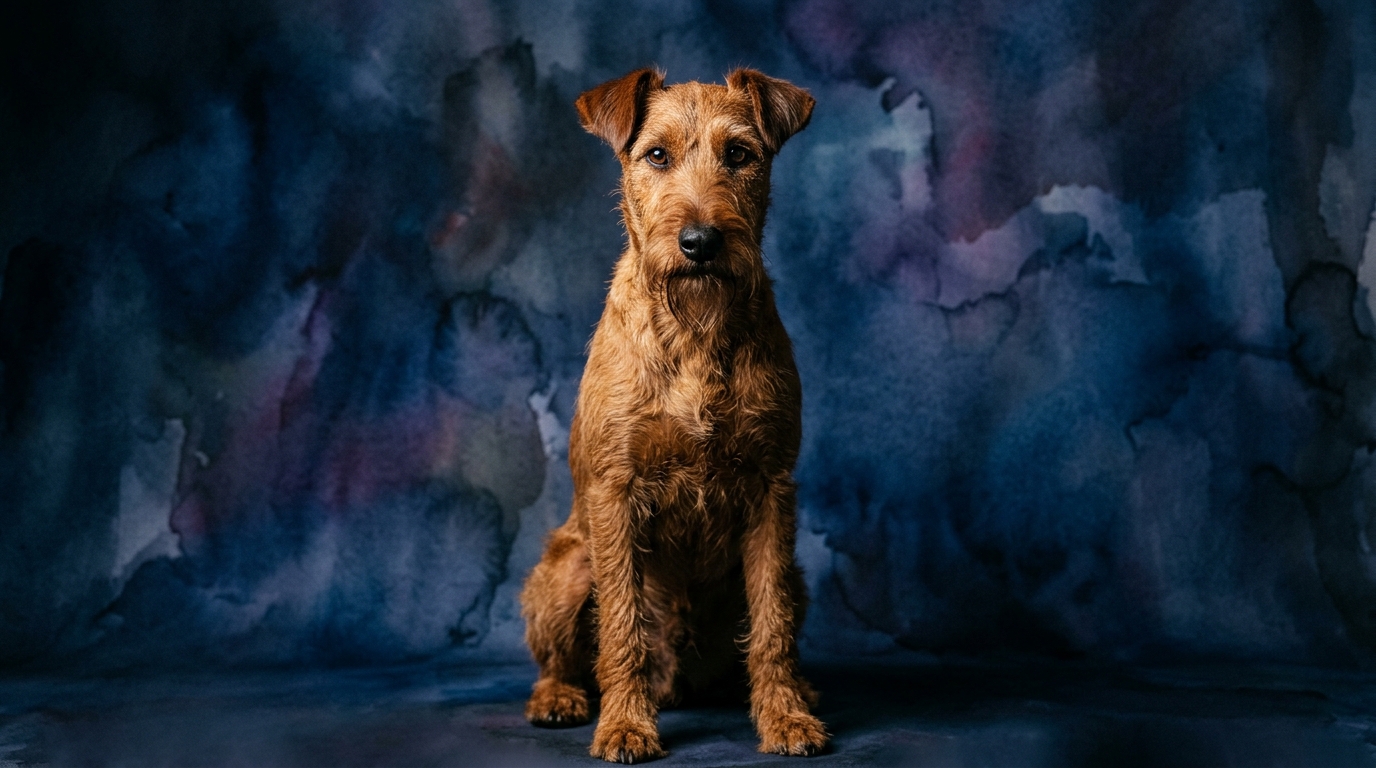
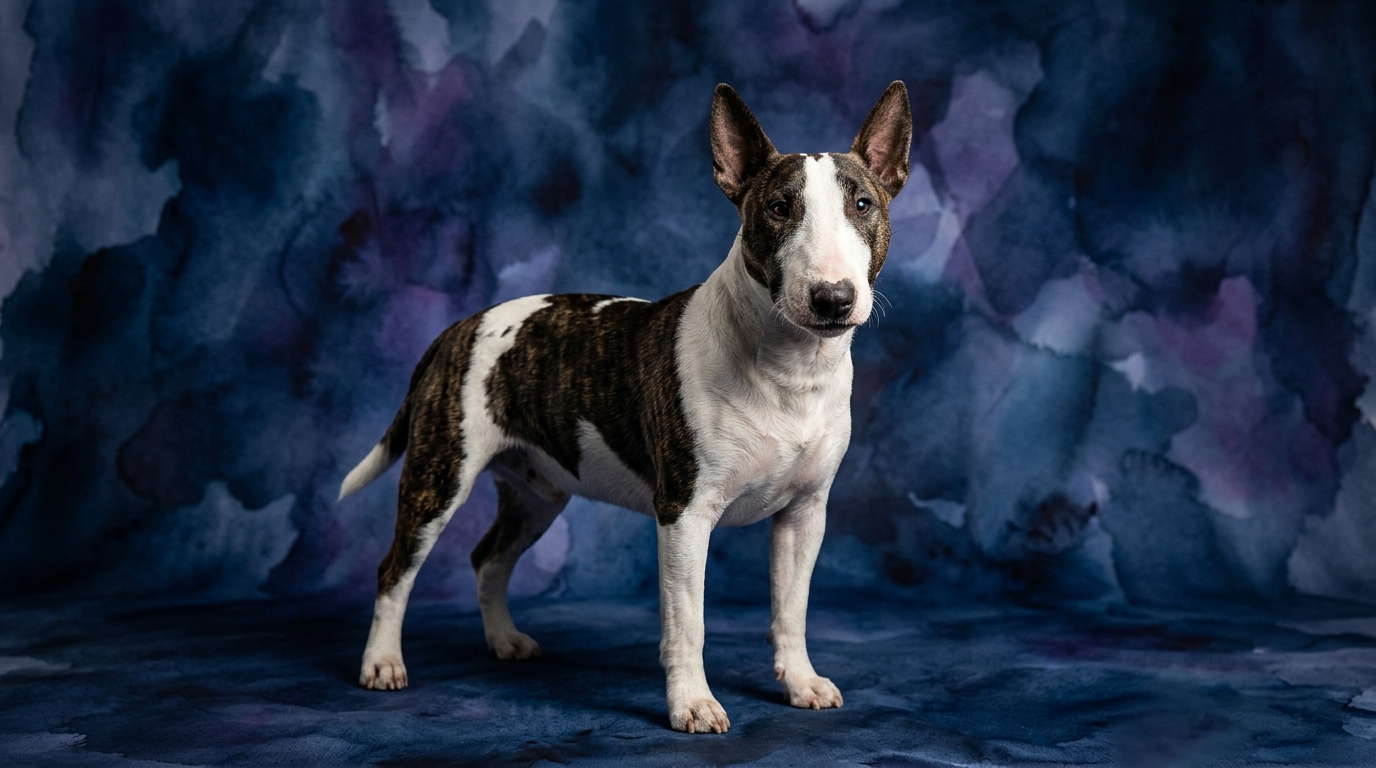
Side-by-Side Cognitive Profiles
Both the Irish Terrier and the Miniature Bull Terrier register a consistent 3 out of 5 across all five dimensions of our Pet IQ Lab assessment. This indicates a solid, average capacity for learning and adaptation, but the specific manifestation of these scores is deeply colored by each breed's unique history and temperament.
For Problem Solving (3/5), the Irish Terrier, often called the 'Daredevil,' typically applies its intellect to practical, environmental challenges. This means figuring out how to navigate complex outdoor spaces, bypass minor physical barriers, or independently assess situations during exploration, often driven by curiosity and a desire for adventure. Their solutions tend to be direct and self-serving, reflecting their independent spirit.
The Miniature Bull Terrier, also at 3/5 for Problem Solving, often directs its cleverness towards interacting with its human companions. This can involve devising ingenious ways to gain attention, secure a favored toy, or 'trick' an owner into extra playtime. Their problem-solving is frequently socially motivated, showcasing a playful and sometimes mischievous ingenuity within the domestic setting.
Regarding Training Speed (3/5), the Irish Terrier learns new commands and routines at a respectable pace. However, their independent nature and occasional stubbornness mean that while they quickly grasp concepts, consistent compliance requires engaging, positive reinforcement and a trainer who understands their need for variety and purpose. Repetitive drills can quickly lead to disinterest.
The Miniature Bull Terrier, with its 3/5 Training Speed, also absorbs new information efficiently, especially when training is made fun and rewarding. They respond well to clear guidance and positive motivation. However, their strong will and playful distractions mean that trainers must maintain enthusiasm and consistency, turning lessons into games to keep their focus and ensure learned behaviors are reliably executed.
In Social Intelligence (3/5), the Irish Terrier demonstrates a reasonable ability to read cues from humans and other dogs. They integrate well into family dynamics, forming strong bonds and often displaying protective loyalty. While they understand social norms, their assertive personality means they might not always defer or conform, preferring to express themselves directly and robustly.
The Miniature Bull Terrier's 3/5 Social Intelligence often manifests as a deep attunement to their owners' moods and a knack for understanding household routines. They are generally outgoing and enjoy interaction, adept at charming their way into the center of attention. Their social savvy can also extend to subtly influencing situations to their benefit, often with an endearing, clownish flair.
For Instinctive Drive (3/5), the Irish Terrier carries a moderate but definite inclination towards classic terrier behaviors. This includes a drive to chase, dig, and investigate small prey, reflecting their working heritage. These instincts, while manageable, are present and contribute to their spirited and exploratory nature, requiring outlets for this innate energy.
The Miniature Bull Terrier, also at 3/5 for Instinctive Drive, exhibits a noticeable tenacity and zest for life. Their instincts often translate into vigorous play, strong chewing habits, and a persistent engagement with toys. They can also display protective tendencies towards their family and resources, requiring early socialization and consistent guidance to channel these drives appropriately.
Finally, for Memory (3/5), the Irish Terrier retains commands, routines, and past experiences with a fair degree of accuracy. They remember people, places, and learned associations, which aids in training and daily life. However, they also possess a good memory for perceived injustices or negative encounters, influencing their future interactions if not addressed thoughtfully.
The Miniature Bull Terrier's 3/5 Memory allows them to effectively recall training, house rules, and the locations of favored items. They have a good memory for both positive and negative experiences, which shapes their approach to new situations and people. This robust memory contributes to their ability to anticipate daily events and maintain complex routines within the home.
Cognitive Strengths: The Irish Terrier's Edge
The Irish Terrier's cognitive strengths often shine in scenarios demanding independent thought and robust self-reliance, reflecting their heritage as working farm dogs. Their problem-solving (3/5) frequently leans towards practical, hands-on solutions in real-world environments, such as navigating varied terrain or figuring out how to access a challenging area. This isn't about outsmarting a human for a treat, but rather applying their intellect to overcome physical obstacles or achieve a self-directed goal, like exploring a scent trail. Their instinctive drive (3/5) is paired with a keen awareness of their surroundings, enabling them to make quick, decisive judgments in dynamic situations. This combination makes them particularly adept at tasks requiring a degree of initiative and resilience, where a less self-assured breed might falter without direct human guidance. Their memory (3/5) serves them well in remembering pathways and hunting grounds, contributing to their adventurous spirit and ability to learn complex sequences related to their environment.
Cognitive Strengths: The Miniature Bull Terrier's Nuance
The Miniature Bull Terrier, while equally capable with its 3/5 ratings, often displays cognitive strengths that are more socially nuanced and entertainment-oriented. Their problem-solving (3/5) frequently involves ingenious methods of engaging their owners, whether it's figuring out how to retrieve a toy from an impossible spot or developing elaborate attention-seeking behaviors. This breed's social intelligence (3/5) is often expressed through a deep understanding of human emotions and routines, allowing them to integrate seamlessly into family life and even subtly manipulate situations to their advantage, all delivered with an endearing, clownish charm. Their memory (3/5) is strong for recalling specific interactions and the outcomes of their playful antics, reinforcing behaviors that yield positive attention. They excel in environments where their unique blend of tenacity and humor can be appreciated, often surprising owners with their cleverness in domestic settings.
Which is Easier to Train and Why?
Despite both breeds scoring 3/5 in training speed, the perceived ease of training can differ significantly due to underlying temperament and motivation. The Irish Terrier, with its independent and sometimes headstrong nature, requires a trainer who can consistently engage their interest and demonstrate the value of cooperation. They learn quickly but may choose to apply that learning only when it suits them. Their instinct to explore and act on their own initiative means that recall and impulse control require dedicated, ongoing effort. Training an Irish Terrier often feels like a negotiation, demanding patience and a deep understanding of their terrier mindset.
In contrast, the Miniature Bull Terrier, while also possessing a strong will, often has a higher drive to please their specific humans and can be more overtly motivated by play and affection. Their playful nature means they are generally enthusiastic participants in training, as long as it's fun and interactive. While they may test boundaries with their stubbornness, their desire for interaction and attention can make them more amenable to consistent, positive reinforcement. Therefore, for an owner seeking a dog that responds more readily to playful engagement in training, the Miniature Bull Terrier might present a slightly 'easier' path, while the Irish Terrier demands a more nuanced, persistent, and respectful approach to their independent spirit.
Suited for Active vs. Relaxed Owners
Both the Irish Terrier and the Miniature Bull Terrier are active breeds that thrive on engagement, making them generally better suited for active owners. The Irish Terrier, with its 3/5 instinctive drive and adventurous spirit, requires substantial physical exercise and mental stimulation that taps into its natural curiosity and endurance. They are excellent companions for hiking, brisk walks, and canine sports like agility or earthdog trials. Their independent nature also means they benefit from owners who can provide structured activities that channel their energy and intellect, preventing boredom-induced mischief. A relaxed owner might find an Irish Terrier's energy and desire for exploration overwhelming, potentially leading to destructive behaviors or excessive barking.
The Miniature Bull Terrier, while equally energetic, often expresses its activity needs through intense bursts of play and a strong desire for human interaction. Their 3/5 instinctive drive translates into a need for robust play sessions, puzzle toys, and consistent mental challenges. They enjoy being part of family activities and can be content with a good romp in the yard followed by cuddle time on the couch. While they need significant exercise, their definition of 'activity' might be more focused on interactive play with their owner rather than independent exploration. A relaxed owner might struggle with the Miniature Bull Terrier's demands for attention and vigorous play, but their ability to 'switch off' and enjoy downtime with their family makes them potentially more adaptable than the perpetually curious Irish Terrier, provided their core needs for activity are met.
The Verdict
Choose an Irish Terrier if you value an independent, resilient companion for adventurous outdoor pursuits and appreciate a dog that thinks for itself, even if it requires a patient and consistent training approach.
Opt for a Miniature Bull Terrier if you seek an equally energetic but perhaps more overtly affectionate and playful companion, one that thrives on interactive engagement and brings a unique sense of humor to the household.
🧠 Find Your Pet's IQ Score
Our Pet IQ Lab assessment covers 25+ tests across 5 cognitive dimensions — personalized to your breed.
Take the Full IQ Test →Frequently Asked Questions
Are Irish Terriers good with children?
Irish Terriers can be excellent family dogs and are often very tolerant and playful with children when properly socialized from a young age. However, their robust play style and independent nature mean supervision is always recommended, especially with very young children, to ensure respectful interactions from both sides.
Do Miniature Bull Terriers bark a lot?
Miniature Bull Terriers are not typically excessive barkers, but they will use their voice to alert their owners to new arrivals or perceived threats. Like any breed, individual tendencies vary, and boredom or lack of exercise can lead to increased vocalization, so consistent training and stimulation are key.
How much exercise do these breeds need daily?
Both breeds require a significant amount of daily exercise, typically 60-90 minutes of vigorous activity. This can include brisk walks, running, interactive play, or canine sports. Mental stimulation through training and puzzle toys is equally important to keep their minds engaged and prevent boredom.