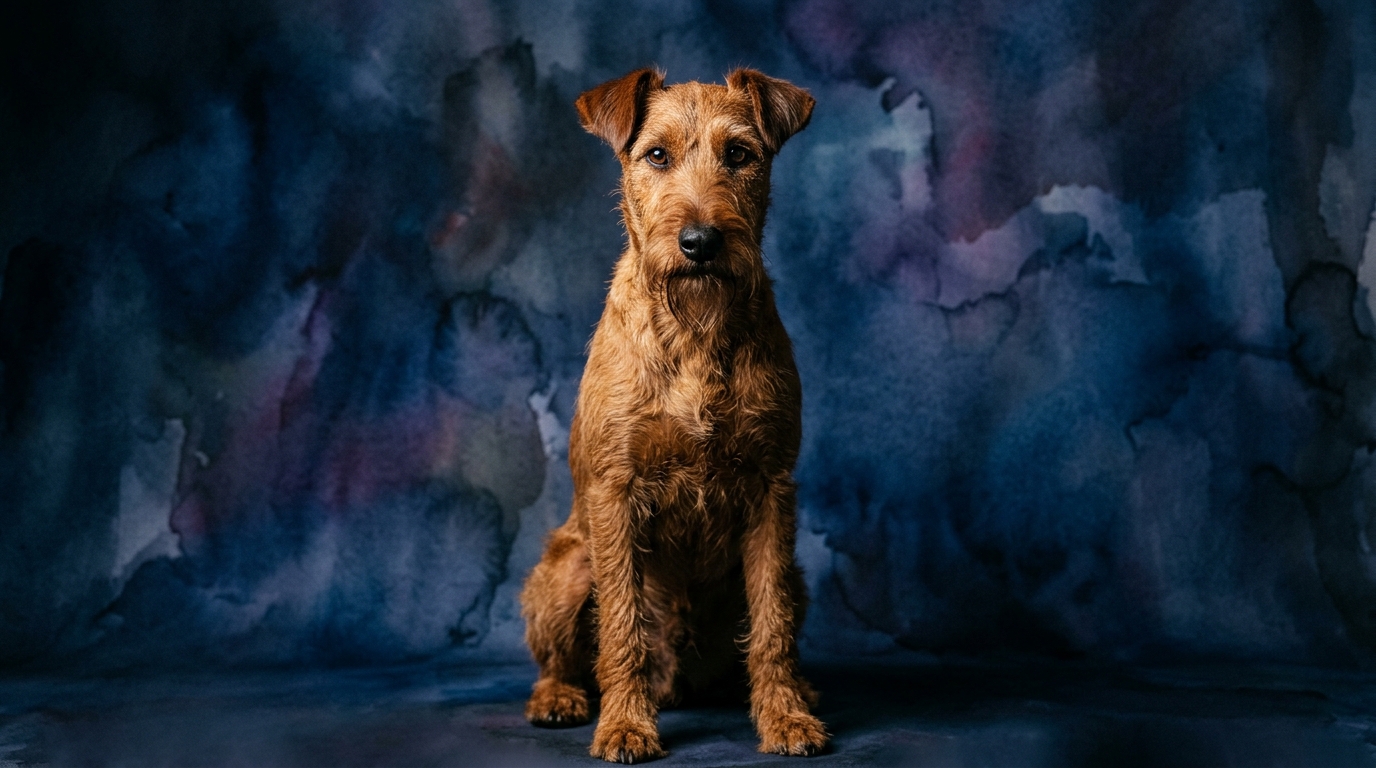
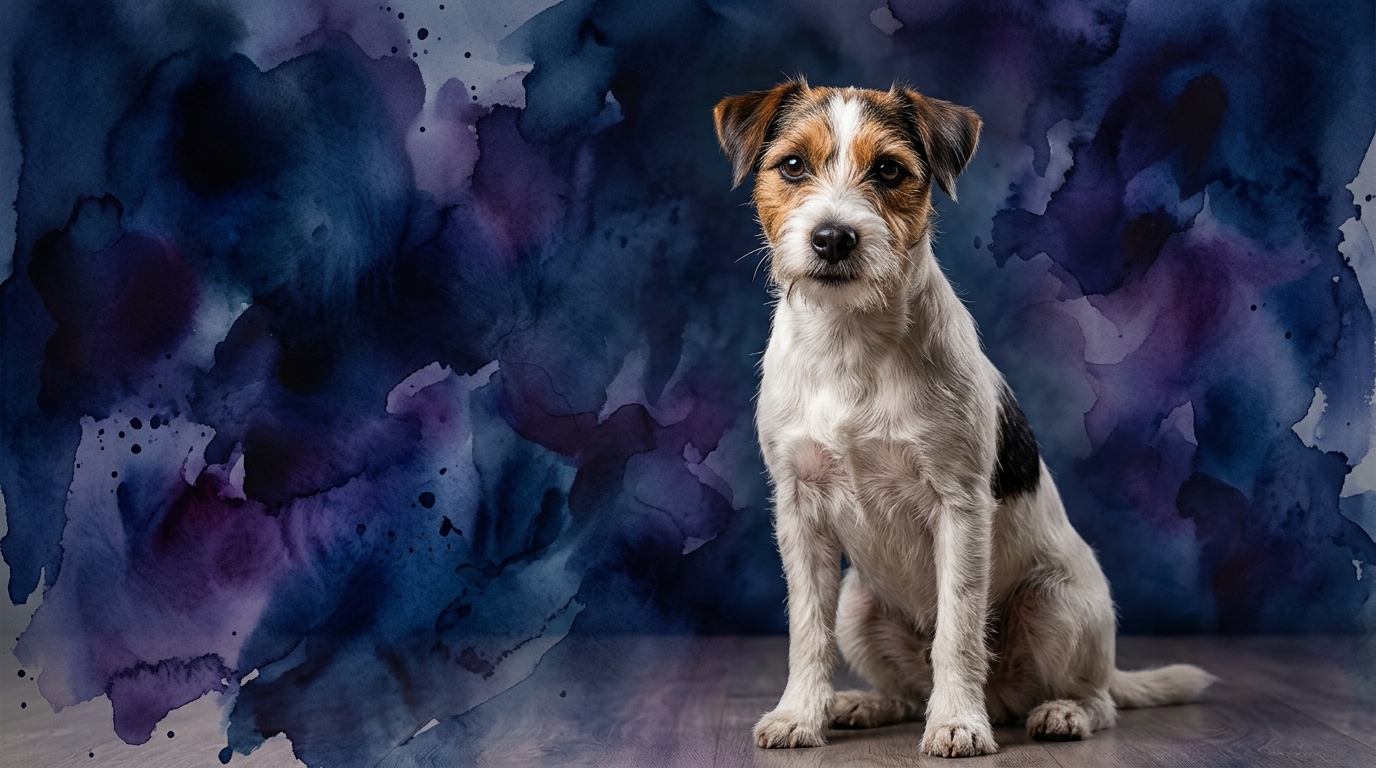
Side-by-Side Cognitive Profile: The Terrier Baseline
Both the Irish Terrier and the Parson Russell Terrier register a consistent 3 out of 5 across all five dimensions of our Pet IQ Lab assessment: Problem Solving, Training Speed, Social Intelligence, Instinctive Drive, and Memory. This uniform score suggests a common terrier baseline – a spirited, capable, and often independent mind that requires engagement but isn't necessarily a 'push-button' learner or a hyper-focused problem solver. A 3/5 in Problem Solving indicates they possess adequate mental agility to navigate daily challenges, figure out how to access forbidden areas, or persistently pursue an objective, often relying on a blend of cunning and sheer determination rather than complex logical steps.
Their 3/5 Training Speed means they are certainly trainable, capable of learning a wide array of commands and routines, but they often require patience, consistency, and a handler who understands their inherent terrier spirit. This isn't a breed that lives to please; rather, they learn best when training is engaging, rewarding, and feels like a collaboration. Social Intelligence at 3/5 points to dogs who are generally aware of their social environment and can adapt, but they might also exhibit selective social preferences, especially with other animals, or display a strong sense of self-preservation within a pack dynamic. Instictive Drive at 3/5 highlights a moderate to strong inherent urge for activities like chasing, digging, or guarding, a hallmark of their working heritage. Finally, a 3/5 in Memory suggests they retain learned behaviors and routines effectively, but also remember past successes (good or bad) and can hold onto grievances, making consistency in training and management crucial.
Where the Irish Terrier Shines Cognitively
While their numerical scores are identical, the Irish Terrier's cognitive strengths often manifest through their deep loyalty and protective instincts. Their 3/5 Problem Solving might lean towards a more strategic, family-oriented approach; for instance, figuring out how to alert their owners to an approaching stranger or finding clever ways to solicit attention and interaction from their chosen people. This problem-solving isn't always about independent tasks but often revolves around their bond and role within the family unit, demonstrating a nuanced understanding of domestic dynamics.
The Irish Terrier's 3/5 Social Intelligence often translates into a keen perception of their family's moods and needs. They are famously devoted and can be remarkably attuned to their owners, often acting as a comforting presence or a playful instigator when the moment calls for it. Their memory (3/5) might be particularly strong for routines involving their people, remembering specific times for walks, meals, or cuddle sessions, and reminding their humans with subtle cues or playful nudges. Their instinctive drive (3/5) is often channeled into guarding their home and family, displaying courage and vigilance that underscores their historical role as a 'poor man's sentinel' rather than purely a hunting companion.
Where the Parson Russell Terrier Excels Cognitively
The Parson Russell Terrier, despite the same 3/5 scores, often demonstrates its cognitive prowess in areas directly tied to its intense working heritage. Their 3/5 Problem Solving is frequently expressed as relentless tenacity and resourcefulness in pursuit of a goal, particularly when it involves scent work or navigating complex environments. This breed excels at figuring out how to get to the 'source' of an interesting smell or how to overcome obstacles in their path, showcasing a dogged persistence that can be both admirable and challenging in a domestic setting.
Their 3/5 Instinctive Drive is a powerful force, deeply ingrained for hunting and active engagement. This drive means their problem-solving and memory are often geared towards tasks that satisfy these urges, whether it's tracking a squirrel in the yard or mastering an agility course. The Parson Russell's 3/5 Social Intelligence, while capable of forming bonds, often maintains a degree of independence, a trait honed by working autonomously in the field. Their memory (3/5) is particularly strong for learned sequences in high-drive activities, remembering complex agility patterns or earthdog trial routes with remarkable accuracy, driven by the sheer joy of the task itself.
Training Dynamics: Loyalty vs. Drive
With identical 3/5 scores in Training Speed, neither the Irish Terrier nor the Parson Russell Terrier are considered effortlessly compliant, but the *nature* of their training challenges differs significantly. The Irish Terrier, while possessing a stubborn streak, often responds well to training rooted in positive reinforcement and a strong bond with their owner. Their deep loyalty can be a powerful motivator; they want to please their people, and training can become a cooperative effort, though consistency is still paramount to overcome their independent nature. They thrive on clear expectations and a sense of partnership, learning effectively when they feel valued and understood within the family structure.
The Parson Russell Terrier's 3/5 Training Speed is heavily influenced by their boundless energy and intense prey drive. While they are intelligent and capable of learning, their focus can be easily diverted by environmental stimuli, and their independence means they need to be convinced that training is more rewarding than pursuing their own agenda. Training a Parson Russell requires exceptional consistency, engaging their working drive through games and varied activities, and often necessitates extensive physical and mental exercise *before* a training session to ensure they are calm enough to concentrate. They are less about pleasing and more about the intrinsic satisfaction of the task, requiring a handler who can make learning feel like the most exciting 'job' available.
Lifestyle Match: Active Companionship vs. Relentless Engagement
Neither of these breeds is suited for a truly relaxed, sedentary owner; both are active terriers requiring significant engagement. The Irish Terrier, while energetic, often fits well with active owners who enjoy incorporating their dog into family adventures. They thrive on long walks, hikes, playful romps in a secure yard, and mental stimulation that involves their human companions. Their exercise needs are substantial but can often be met through varied daily activities that strengthen the bond, making them excellent partners for a household that enjoys an active, outdoor lifestyle but also values quiet companionship indoors.
The Parson Russell Terrier, however, demands an even higher level of commitment to activity. Their boundless energy and relentless drive mean they require not just exercise, but structured, intense engagement daily. This breed excels in dog sports like agility, earthdog trials, flyball, or extended, vigorous off-leash runs in safe environments. A Parson Russell needs a 'job' to do, and without sufficient mental and physical outlets, their problem-solving skills and instinctive drives can be channeled into destructive behaviors or incessant barking. They are best suited for experienced, highly active owners who are prepared to dedicate significant time and effort to channeling their dog's formidable energy into productive outlets.
The Verdict: When to Choose Each Spirited Terrier
Deciding between the Irish Terrier and the Parson Russell Terrier, despite their identical IQ scores, comes down to the specific flavor of terrier companionship you seek and the intensity of lifestyle you can provide. Both are spirited, clever, and capable, but their motivations and manifestations of intelligence diverge.
The Irish Terrier offers a deeply loyal, protective, and often playful companion whose intelligence is woven into their strong family bonds and desire for companionship. They are active partners, but their energy is often directed towards being an integrated member of the household. The Parson Russell Terrier, conversely, provides a tenacious, highly driven, and independent partner whose intelligence is geared towards relentless pursuit and intense physical and mental challenges. They are a force of nature, requiring an owner equally committed to high-octane engagement.
The Verdict
Choose the Irish Terrier if you seek a fiercely loyal, protective companion who thrives on deep family bonds and appreciates a clever, albeit sometimes mischievous, partner in daily adventures.
Opt for the Parson Russell Terrier if you are an experienced, highly active owner ready to channel boundless energy and a relentless drive into structured activities, appreciating a tenacious and independent spirit.
🧠 Find Your Pet's IQ Score
Our Pet IQ Lab assessment covers 25+ tests across 5 cognitive dimensions — personalized to your breed.
Take the Full IQ Test →Frequently Asked Questions
Are Irish Terriers and Parson Russell Terriers difficult to train?
Both breeds have a training speed rating of 3/5, meaning they are capable learners but require patience, consistency, and engaging methods. Irish Terriers respond well to bond-based training, while Parson Russells need high-energy, job-oriented motivation to overcome their strong drives.
Which breed is better with children or other pets?
Both breeds have a social intelligence rating of 3/5. Irish Terriers are generally known for their loyalty to family and can be good with children when socialized, though their protective instincts may surface. Parson Russells can be good with older, respectful children but often possess a strong prey drive, making careful introductions and supervision essential with other pets, especially smaller ones.
Do these breeds require a lot of exercise?
Yes, both are active terrier breeds with an instinctive drive rating of 3/5, indicating significant exercise needs. The Irish Terrier requires vigorous daily activity and mental engagement, while the Parson Russell Terrier demands even more intense, structured exercise and mental challenges to prevent boredom and destructive behaviors.