Side-by-Side Cognitive Profiles
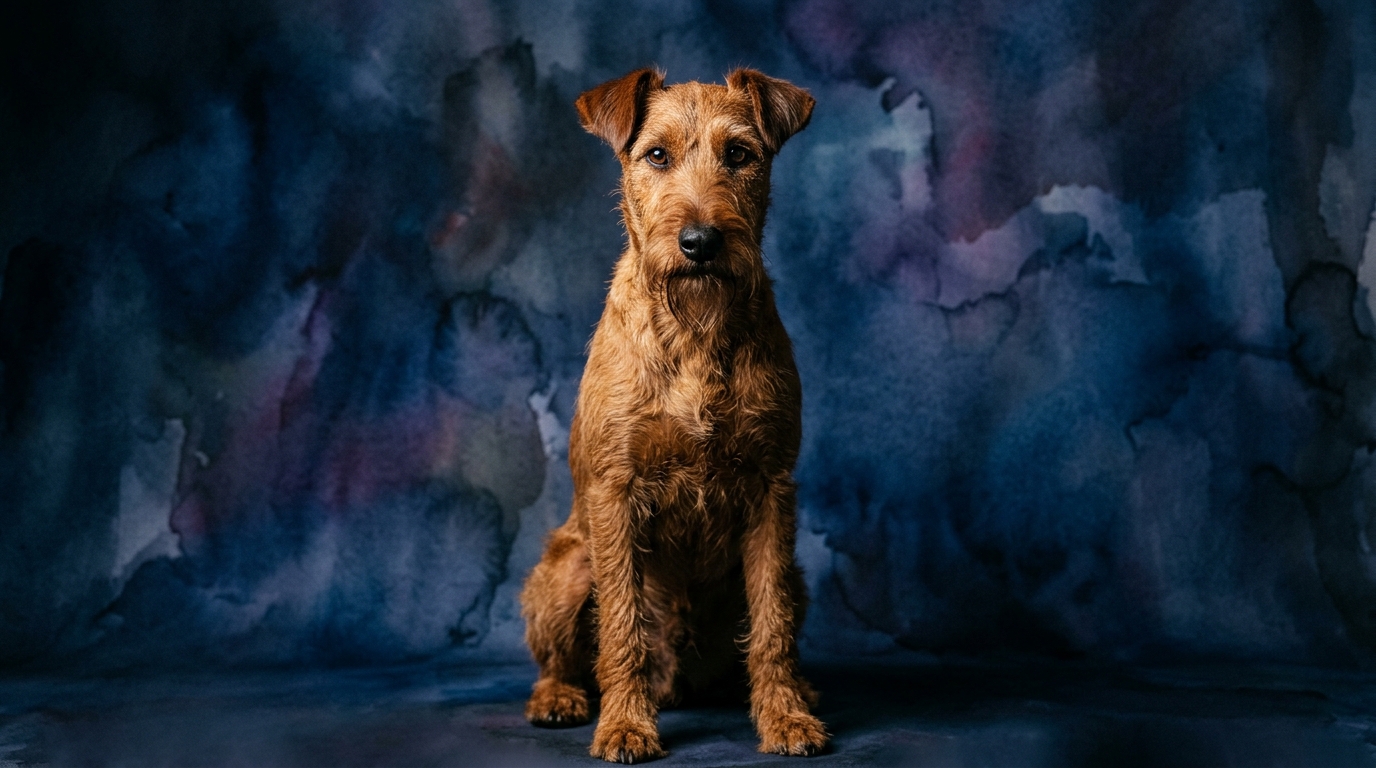
The Cosmic Pet Pet IQ Lab assesses five key dimensions of canine intelligence, providing a nuanced view beyond traditional rankings. For the Irish Terrier, each dimension is rated 3/5, indicating a balanced and capable cognitive profile across the board. Problem Solving 3/5 suggests they are adept at navigating complex environments or figuring out how to achieve a desired outcome, like retrieving a hidden toy from under furniture or devising a strategy to escape a securely fenced yard if boredom sets in. This moderate score reflects a capacity for independent thought and practical application of intelligence to their surroundings. Training Speed 3/5 indicates a moderate pace for learning new commands, requiring consistent, positive, and engaging methods to maintain their focus and prevent them from becoming bored or stubborn. Their learning curve is steady rather than instantaneous, valuing repetition with variation. Social Intelligence 3/5 reflects their ability to read human emotions and interact appropriately within their pack, though their independent streak might sometimes overshadow a desire for constant direction. They understand social cues but often choose to act on their own terms. Instinctive Drive 3/5 points to a strong innate motivation, often expressed in their tenacious pursuit of small animals, their protective instincts towards their family, or their dedication to a perceived 'job.' This drive fuels their curiosity and engagement with the world. Memory 3/5 means they retain learned behaviors, significant experiences, and routines well, building upon past lessons and remembering both positive and negative associations.
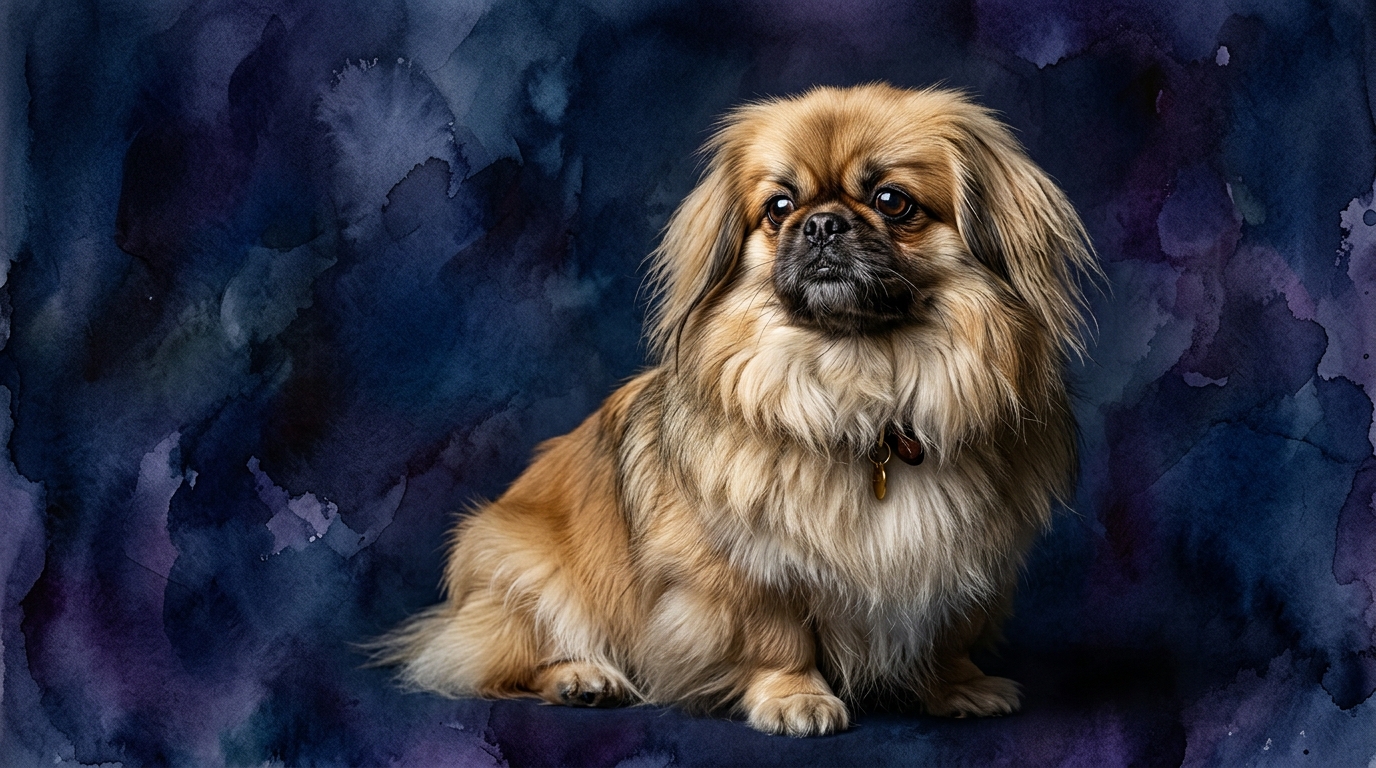
The Pekingese also scores 3/5 across all five intelligence dimensions, demonstrating a surprising equivalence in foundational cognitive capabilities, despite its Coren rank of #77. Problem Solving 3/5 for the Pekingese often manifests in their cunning ability to manipulate their environment or owners to their advantage, like strategically placing themselves for maximum comfort on a soft cushion or devising subtle ways to solicit attention or treats. This score highlights their capacity for adaptive thinking within their domestic sphere. Training Speed 3/5 suggests they learn at a moderate pace, but their willingness to comply can be highly dependent on their mood, the perceived value of the task, and the comfort level of the training environment. They are not always eager to please for its own sake. Social Intelligence 3/5 indicates a good understanding of human social cues and household dynamics, allowing them to integrate smoothly into family life, often with a subtle, yet firm, assertiveness. They are adept at discerning who provides what and how to elicit desired responses. Instinctive Drive 3/5, while not typically focused on high-energy prey drive, can be seen in their territorial nature, their strong protective bond with their chosen human, or their meticulous attention to personal comfort and routine. This drive underpins their self-assured demeanor. Memory 3/5 ensures they remember routines, preferred spots, and who provides the best treats and cuddles, making them masters of their domestic domain and consistent in their expectations.
Where the Irish Terrier Excels Cognitively
The Irish Terrier’s cognitive edge often lies in its application of problem-solving and instinctive drive to more dynamic, physically demanding situations, particularly those involving independent action. Their 3/5 problem-solving isn't just about navigating a living room; it extends to evaluating a challenging outdoor terrain, devising a strategy to outsmart a perceived nuisance like a persistent squirrel, or figuring out how to bypass an obstacle during a hike. This breed exhibits a particular strength in independent decision-making when faced with novel outdoor stimuli, a trait honed by generations of working as a versatile farm dog that required them to assess and act without constant human guidance. Their moderate social intelligence, combined with a robust instinctive drive, means they can quickly process environmental cues and react decisively, often preferring to take initiative rather than waiting for direction. This makes them particularly adept at tasks requiring self-reliance, grit, and a strong sense of purpose, especially in varied and stimulating environments.
Where the Pekingese Shows Cognitive Strengths
The Pekingese, despite its lower Coren rank of #77 compared to the Irish Terrier's unranked status, often excels in the nuanced realm of domestic social intelligence and subtle communication. Their 3/5 social intelligence allows them to finely tune into the emotional states of their human companions, often anticipating needs or desires with remarkable accuracy, such as knowing when a quiet cuddle is welcome or when to demand attention with a gentle nudge. This breed demonstrates a particular cognitive advantage in leveraging their understanding of household routines and human preferences to secure comfort, affection, or a favored spot. Their problem-solving at 3/5 frequently manifests as an astute ability to navigate complex social interactions within the home, discerning hierarchies, and influencing outcomes through charm, quiet persistence, or even a well-timed, dignified stare. This makes them particularly skilled at integrated living, where understanding and adapting to a human-centric world, often from a position of comfortable authority, is paramount. They master their indoor environment with a quiet confidence.
Training: Different Paths to Success
When considering ease of training, the Irish Terrier and Pekingese, both rated 3/5 for training speed, present different challenges and rewards stemming from their distinct temperaments. The Irish Terrier, with its independent nature and strong instinctive drive, often requires a trainer who understands their need for engaging, varied activities. They learn moderately quickly, but their problem-solving ability can sometimes be applied to finding ways *around* commands if not properly motivated. Consistency, positive reinforcement, and making training feel like a stimulating game are crucial to harnessing their moderate memory and ensuring compliance. Their moderate social intelligence means they respond well to clear leadership and fairness. Conversely, the Pekingese, while also learning at a moderate pace, often requires a trainer who respects their somewhat regal and sometimes stubborn disposition. Their social intelligence means they understand what is being asked, but their willingness to perform is often contingent on whether they perceive it as worthwhile or comfortable. They respond well to gentle, patient methods and can be particularly motivated by praise or high-value treats. For an Irish Terrier, the challenge is channeling their spirited energy into productive learning; for a Pekingese, it's about convincing them the effort is worth their while, appealing to their desire for comfort or reward.
Matching Breeds to Lifestyles
The distinct cognitive profiles of these breeds, even with similar scores, lend themselves to very different owner lifestyles. An Irish Terrier, with its balanced scores across problem-solving, instinctive drive, and memory, thrives with active owners who can provide consistent mental and physical stimulation. Their ability to independently assess situations and their moderate training speed make them excellent companions for outdoor adventures, agility training, or even roles requiring some independent decision-making. Owners who enjoy structured walks, interactive games that tap into their problem-solving, and consistent training will find this breed a rewarding partner, appreciating their spirited engagement with the world. In contrast, the Pekingese, with its refined social intelligence and memory for routines, is better suited for more relaxed owners who appreciate a companion focused on domestic harmony. While they benefit from gentle walks and mental engagement, their primary cognitive strengths are best utilized in a calm home environment where they can observe and interact subtly. Owners who value a close bond, quiet companionship, and are attentive to their dog's nuanced communication will find the Pekingese’s cognitive makeup aligns perfectly with their lifestyle, providing a devoted presence with a charming, self-assured personality.
The Verdict
Choose the Irish Terrier if you seek a spirited, independent companion for an active lifestyle, one who will engage with challenging environments and thrive on consistent, stimulating training and outdoor adventures.
Choose the Pekingese if you prefer a devoted, subtly communicative companion for a more relaxed home environment, appreciating their knack for domestic social dynamics and unwavering loyalty.
🧠 Find Your Pet's IQ Score
Our Pet IQ Lab assessment covers 25+ tests across 5 cognitive dimensions — personalized to your breed.
Take the Full IQ Test →Frequently Asked Questions
Do Irish Terriers learn faster than Pekingese?
Both breeds score 3/5 in training speed, indicating a moderate learning pace. However, the Irish Terrier's independent nature might require more engaging and varied training methods, while the Pekingese's willingness can depend on their mood and perceived reward, influencing the *perception* of learning speed.
Which breed is better at understanding human emotions?
Both breeds score 3/5 in social intelligence. The Pekingese often excels in finely tuning into domestic emotional nuances and influencing household dynamics through subtle cues, while the Irish Terrier's social intelligence is more balanced with its independent and driven nature, leading to more direct, less manipulative interactions.
How do their problem-solving abilities differ in practice?
Both are 3/5 in problem-solving. An Irish Terrier might apply this to navigating complex outdoor terrains or figuring out how to reach a high-value object. A Pekingese's problem-solving often manifests as cleverly manipulating their environment or owner for comfort or attention within the home, demonstrating cunning within their domestic sphere.