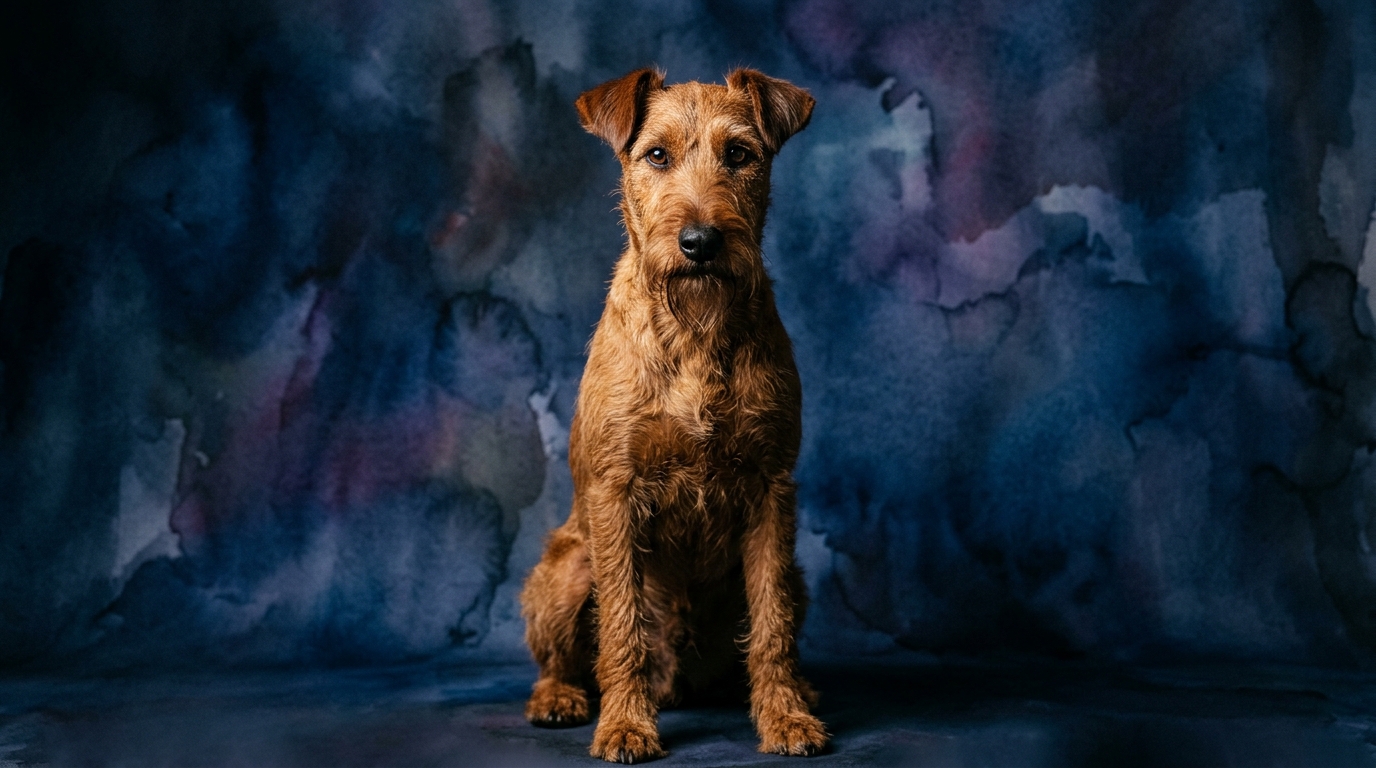

Side-by-Side IQ Profile: Irish Terrier vs. Rat Terrier
**Irish Terrier IQ Profile:** The Irish Terrier approaches challenges with a tenacious, independent spirit. Their Problem Solving (3/5) often involves a direct, persistent strategy to overcome obstacles, whether it's figuring out how to access a forbidden treat or navigating a complex scent trail. Their solutions might not always be the most elegant, but they are typically effective due to sheer determination. Training Speed (3/5) is moderate; these spirited dogs learn new commands, yet their strong will often means they'll weigh the immediate reward against their own inclinations before complying, making patience a virtue. Social Intelligence (3/5) involves a deep, unwavering loyalty to their chosen family, often displaying a protective instinct, though they can be reserved with strangers. Their ability to read and respond to the emotional cues of their inner circle is pronounced. Instinctive Drive (3/5), rooted in their vermin-hunting and guarding history, manifests as a keen awareness of their surroundings and a readiness to investigate anything unusual, translating into a strong desire to patrol. Their Memory (3/5) is solid, enabling them to retain commands, routines, and significant experiences over time, contributing to consistent behavior within established contexts.
**Rat Terrier IQ Profile:** The Rat Terrier demonstrates a quick, agile mind when faced with problems. Their Problem Solving (3/5) often prefers to outmaneuver or quickly assess a situation for the most efficient solution. Their smaller size and quick reflexes contribute to a style of problem-solving that favors speed and cleverness, such as finding a way through a small gap or rapidly locating a hidden toy. Training Speed (3/5) is also moderate; they display a keen eagerness to engage, especially if it involves mental stimulation, but their energetic and sometimes distractible nature means sessions need to be kept short, positive, and varied. Social Intelligence (3/5) allows them to be generally quite adaptable and often enjoy being part of the family's daily activities. While alert to strangers, their social IQ allows them to integrate well into diverse household dynamics, often showing a charming ability to solicit attention. With a history rooted in farm work, their Instinctive Drive (3/5) is a strong, focused prey drive, influencing their play and keen observation of small movements. Rat Terriers possess a reliable Memory (3/5) for commands, locations, and daily patterns, aiding in their ability to learn complex tricks and navigate familiar environments with consistency.
Where the Irish Terrier Wins Cognitively
While both breeds exhibit balanced cognitive scores, the Irish Terrier often excels in areas demanding sustained focus rooted in deep determination. Their problem-solving, though rated 3/5, carries a unique 'never give up' quality. An Irish Terrier is more likely to methodically work through a complex puzzle over a longer duration, driven by their inherent stubbornness and strong self-reliance. This tenacity also subtly influences their social intelligence; their loyalty isn't just a trait but a deeply ingrained understanding of their pack, leading to a profound, almost intuitive connection with their family members that can surpass more outwardly adaptable social behaviors.
Where the Rat Terrier Wins Cognitively
The Rat Terrier, conversely, demonstrates a cognitive edge in rapid assessment and agile execution. Their 3/5 problem-solving score often manifests as quick, clever solutions, particularly in dynamic or novel situations. They are masters of improvisation, using their agility and quick wits to navigate tricky scenarios or outsmart a toy dispenser. This quick-thinking nature also impacts their training speed; while both are 3/5, a Rat Terrier might pick up a new trick with fewer repetitions if the task is engaging and rewards their natural inclination for fast action and varied stimulation, making them particularly adept at activities requiring rapid response and adaptability.
Which is Easier to Train and Why
Determining which is 'easier' to train is less about raw cognitive ability and more about managing inherent behavioral traits. The Rat Terrier, with its eager-to-please attitude and desire for engagement, can often *feel* easier to train for an owner who provides variety and keeps sessions brief and fun. Their quickness and adaptability mean they can pick up new commands with enthusiasm, though their high energy and potential for distraction demand consistency and patience to solidify learning. The Irish Terrier, while equally capable of learning, presents a different challenge. Their independent and sometimes stubborn nature, combined with a strong sense of self, means they require an owner who can establish clear boundaries and use positive reinforcement to convince them that compliance is mutually beneficial. They are less inclined to obey simply to please and more likely to question the 'why,' demanding a more thoughtful, consistent, and engaging approach to training to overcome their inherent independence.
Which Suits Active Owners vs. Relaxed Owners
Both Irish Terriers and Rat Terriers are active breeds, but their activity needs diverge in nuance. The Irish Terrier, with its robust build and tenacious spirit, thrives with owners who can provide substantial, structured exercise and mental challenges. They need long walks, engaging play, and opportunities to 'work' their minds, lest their considerable energy and independent streak lead to boredom and potentially destructive behaviors. They are well-suited for active families who enjoy hiking, agility, or other dog sports that channel their determination. The Rat Terrier, while undeniably energetic, often expresses its activity in bursts. They are excellent companions for active owners who enjoy varied activities, from brisk walks to games of fetch in the yard, and excel in dog sports like agility or flyball. However, their smaller size and adaptability mean they can also adjust to slightly less rigorous, but still consistent, activity levels, provided they receive ample mental stimulation and companionship. Neither breed is ideal for truly 'relaxed' owners who prefer a sedentary lifestyle, as both require significant engagement to prevent frustration and behavioral issues.
The Verdict
Choose an Irish Terrier if you value a deeply loyal, tenacious companion who thrives on consistent, structured engagement and a challenge, and you are prepared for a dog with a strong, independent will that requires thoughtful guidance.
Opt for a Rat Terrier if you're looking for an agile, quick-witted, and highly adaptable companion who enjoys varied activities and mental games, and you can provide consistent, engaging training to channel their energetic and sometimes distractible nature.
🧠 Find Your Pet's IQ Score
Our Pet IQ Lab assessment covers 25+ tests across 5 cognitive dimensions — personalized to your breed.
Take the Full IQ Test →Frequently Asked Questions
Do Irish Terriers and Rat Terriers get along with other pets?
Irish Terriers can coexist with other pets, especially if socialized from a young age, but their strong prey drive means small, non-canine pets should be introduced cautiously. Rat Terriers, similarly, possess a strong prey drive, making careful introductions essential, but their social adaptability often allows them to integrate well into multi-pet households with proper management.
Are these breeds good for first-time dog owners?
Both breeds present challenges that might be demanding for a first-time owner without prior research and commitment. Their terrier traits—independence, energy, and strong drives—require consistent training, socialization, and an understanding of terrier temperament to manage effectively.
How much mental stimulation do Irish Terriers and Rat Terriers need daily?
Both breeds require significant daily mental stimulation to prevent boredom. This can include puzzle toys, training sessions, scent work, and varied walks that allow them to explore and use their keen senses. Without it, their problem-solving skills might be directed towards less desirable activities.