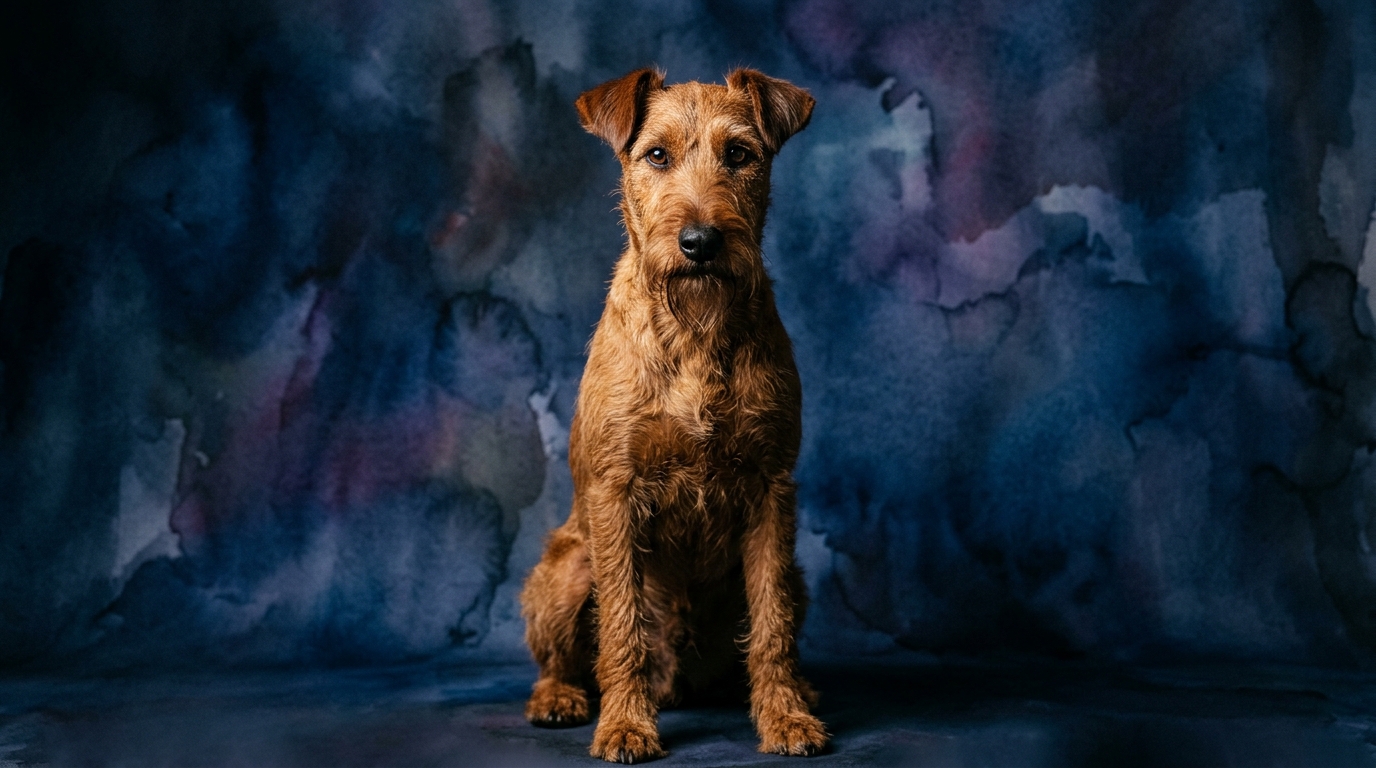
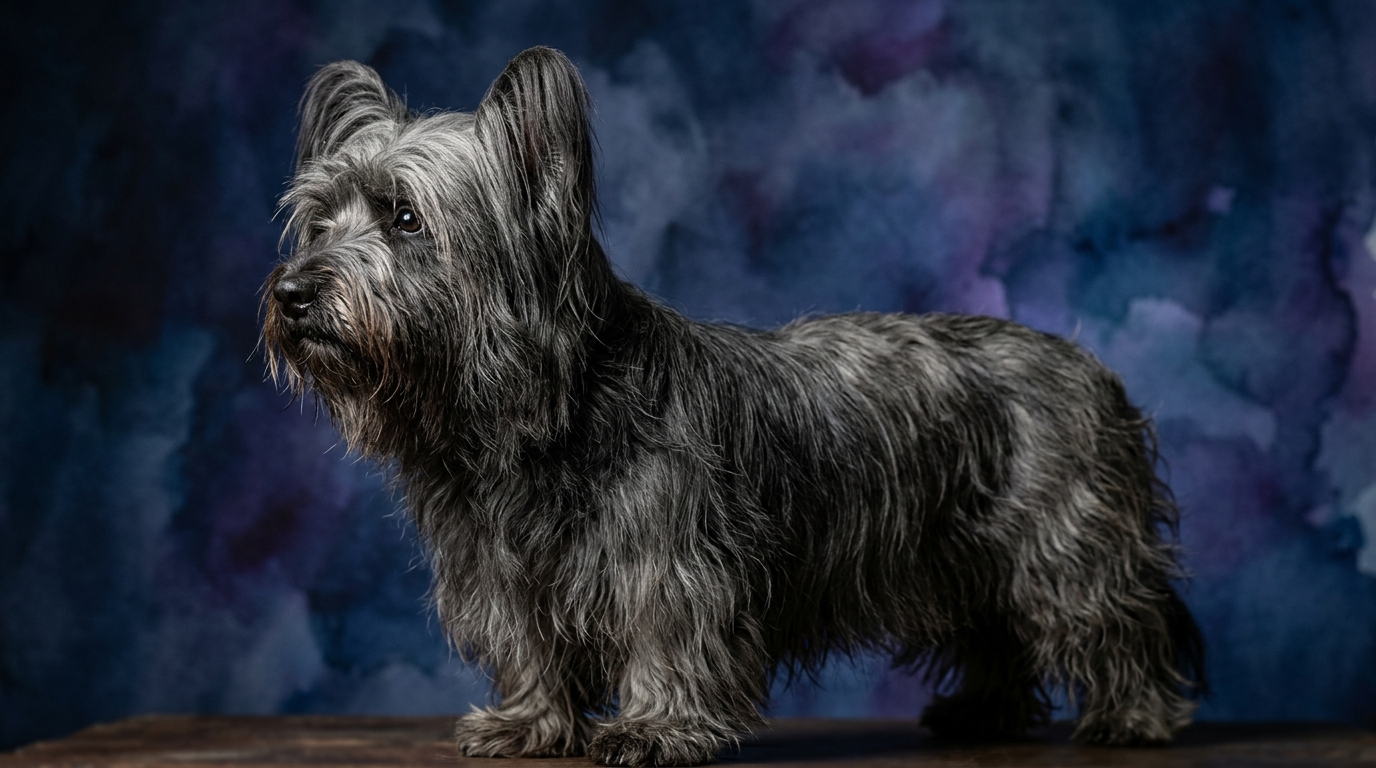
Side-by-side IQ profile
The Cosmic Pet Pet IQ Lab evaluates canine intelligence across five key dimensions: Problem Solving, Training Speed, Social Intelligence, Instinctive Drive, and Memory. Both the Irish Terrier and the Skye Terrier register a solid 3/5 in every category, suggesting a baseline of robust, functional intelligence rather than a deficit. For the Irish Terrier, a 3/5 in Problem Solving indicates an ability to navigate practical challenges, such as figuring out how to open a gate or retrieve a toy from an awkward spot, demonstrating a resourceful, often bold approach to their environment. Their Training Speed at 3/5 means they learn new commands at a moderate pace, thriving on consistency but capable of independent thought that can sometimes be mistaken for stubbornness. Social Intelligence at 3/5 allows them to read human cues and form strong, loyal bonds, though they can be discerning with strangers. Their Instinctive Drive, also 3/5, speaks to a heritage of vermin hunting and protective instincts, manifesting as moderate energy and an alert nature. Finally, a 3/5 in Memory means they retain learned behaviors, routines, and experiences effectively, contributing to their reliability and ability to adapt over time.
The Skye Terrier, sharing the identical 3/5 across all dimensions, interprets these scores through a different lens of breed character. Their Problem Solving at 3/5 manifests as a focused determination to achieve specific goals, perhaps less about broad environmental navigation and more about tenacious pursuit of a desired outcome, like finding a comfortable sunbeam or reaching a specific toy. Training Speed at 3/5 highlights their capacity for learning, but often requiring a patient, gentle approach to overcome their inherent sensitivity and selective cooperation; they learn, but on their own terms and time. Social Intelligence at 3/5 for the Skye Terrier is characterized by an exceptional devotion to their inner circle, often displaying a profound attunement to their primary owner's emotional state, yet remaining reserved and sometimes aloof with outsiders. Their Instinctive Drive at 3/5 primarily reflects their historical role as a tenacious hunter of den animals, signifying a focused, determined energy rather than a broad, boisterous activity level. Their Memory, also 3/5, underpins their deep attachments, allowing them to recall interactions and routines with precision, reinforcing their loyal and sensitive nature. These shared scores, therefore, signify a functional intelligence that is applied in distinct temperamental frameworks.
Where Irish Terrier wins cognitively
While both breeds share a similar overall cognitive rating, the Irish Terrier’s specific manifestation of their 3/5 scores often presents as a more adaptable and overtly resourceful intelligence. Their historical role as an all-purpose farm dog, capable of hunting, guarding, and companionship, fostered a cognitive profile emphasizing versatility. The Irish Terrier's problem-solving, rated 3/5, frequently appears as a bold willingness to tackle novel situations head-on, whether it’s figuring out how to outsmart a squirrel or navigating a new hiking trail with confident independence. This "daredevil" spirit, rooted in their instinctive drive, means they are often less hesitant to explore and experiment, which can accelerate their practical learning in varied environments. Their memory, also 3/5, is often tied to these experiences, allowing them to retain solutions to practical challenges and apply them in future scenarios. This blend of boldness, adaptability, and practical recall means an Irish Terrier often excels in dynamic environments where quick, independent thinking is beneficial.
Where Skye Terrier wins cognitively
The Skye Terrier's cognitive strengths, while numerically identical, shine in areas reflecting their profound loyalty and discerning nature. Their 3/5 in social intelligence, for instance, manifests as an exceptionally deep emotional attunement to their chosen human companions. Unlike the Irish Terrier's more generalized social acumen, the Skye often exhibits a nuanced understanding of their owner's moods and intentions, displaying a sensitive responsiveness that can feel almost telepathic. This profound bond, coupled with their 3/5 memory, allows them to recall specific interactions and emotional cues with remarkable accuracy, reinforcing their selective but intense attachments. Their problem-solving, also 3/5, can be highly focused when motivated by this bond or a specific, desired outcome – for example, patiently strategizing how to get closer to their owner or secure a favorite spot. This tenacity, stemming from their instinctive drive, is less about broad exploration and more about determined pursuit within their comfort zone, making them exceptionally focused on tasks that align with their core motivations and relationships.
Which is easier to train and why
Assessing which breed is "easier" to train, given both score 3/5 for Training Speed, requires understanding their underlying temperamental differences. Neither breed is typically described as effortlessly compliant, but their challenges stem from different cognitive and behavioral roots. The Irish Terrier, with its bold spirit and strong instinctive drive, can be highly motivated by engaging tasks and a handler who provides clear, consistent direction. Their independence, however, means they are not "yes-dogs" and will question repetitive or unstimulating commands. Training an Irish Terrier often involves channeling their natural zest and problem-solving into desired behaviors, using positive reinforcement and making training feel like a fun, collaborative game. They respond well to a confident leader who respects their intelligence and offers variety.
The Skye Terrier, while equally capable of learning at a moderate pace, presents a different training dynamic. Their profound sensitivity and discerning social intelligence mean they are deeply affected by their handler's tone and emotional state. Harsh corrections or impatient methods can cause a Skye Terrier to shut down or become stubborn, resisting cooperation. Their training requires immense patience, gentle consistency, and a focus on building a strong, trusting relationship. Leveraging their deep bond with their owner is key; they will often perform for the person they adore, but they need to feel safe and understood. Therefore, while both require commitment, the Irish Terrier might be perceived as more straightforwardly trainable by an owner who appreciates a spirited challenge, whereas the Skye Terrier demands a more nuanced, empathetic, and relationship-driven approach.
Which suits active owners vs relaxed owners
The distinction between which breed suits active versus relaxed owners also hinges on how their 3/5 instinctive drive and problem-solving manifest. The Irish Terrier, though not typically a hyperactive breed, possesses a robust 3/5 instinctive drive and a keen sense of curiosity. They thrive with active owners who can provide consistent daily exercise, such as brisk walks, runs, or engaging play sessions, and who enjoy involving their dog in outdoor adventures. Their 3/5 problem-solving and memory benefit greatly from mental stimulation through training, puzzle toys, and new experiences. They are well-suited to individuals or families who embrace an energetic lifestyle and are prepared to channel their dog's intelligence and drive into constructive outlets, preventing boredom-induced mischief.
The Skye Terrier, while also requiring regular exercise, generally presents a less overtly demanding energy profile. Their 3/5 instinctive drive is often expressed as a focused tenacity rather than boundless exuberance. They appreciate consistent, moderate walks and engaging playtime, but may be less inclined towards high-impact sports or extensive, rugged outdoor excursions compared to the Irish Terrier. Their 3/5 social intelligence thrives with owners who are present, emotionally available, and who value a deep, quiet companionship indoors. They are an excellent fit for owners who appreciate a devoted, dignified presence, are committed to daily exercise, but also enjoy a more relaxed pace at home. They suit individuals who can offer consistent attention and a stable environment, fostering their sensitive and loyal nature without overwhelming them with constant high-intensity activity.
The Verdict
For owners seeking a bold, resourceful, and spirited companion eager for varied activities and who can provide consistent, engaging training that channels their energetic independence, the Irish Terrier is an excellent match.
For owners desiring a deeply devoted, sensitive, and dignified companion who thrives on profound bonds, appreciating a patient, empathetic approach to training and interaction within a stable, loving environment, the Skye Terrier is the ideal choice.
🧠 Find Your Pet's IQ Score
Our Pet IQ Lab assessment covers 25+ tests across 5 cognitive dimensions — personalized to your breed.
Take the Full IQ Test →Frequently Asked Questions
Are Irish Terriers good family dogs?
Yes, Irish Terriers can be excellent family dogs, forming strong bonds and often being playful companions for children. However, their bold nature means early socialization and consistent training are crucial to ensure they integrate well and understand their role within the family unit.
What is the primary difference in temperament between an Irish Terrier and a Skye Terrier?
The Irish Terrier typically exhibits a more outgoing, audacious, and independent temperament, often described as a "daredevil." In contrast, the Skye Terrier is generally more reserved, deeply devoted to its chosen few, and can be sensitive, displaying a quiet dignity.
Do Skye Terriers require a lot of grooming?
Yes, Skye Terriers do require regular grooming to maintain their long, flowing double coat and prevent matting. Weekly brushing is essential, along with occasional professional grooming, to keep them comfortable and looking their best.