Side-by-Side IQ Profile: Understanding Identical Scores
While both the Irish Wolfhound and Italian Greyhound share an identical 3/5 rating across all five cognitive dimensions, their expression of these traits is profoundly shaped by their breed-specific roles and physical attributes. It's not about which breed possesses more raw 'intelligence,' but rather how their inherent capabilities are applied within their unique worlds, offering a rich study in cognitive adaptation. Let's delve into how a 3/5 score in each dimension plays out distinctly for these two remarkable sighthounds.
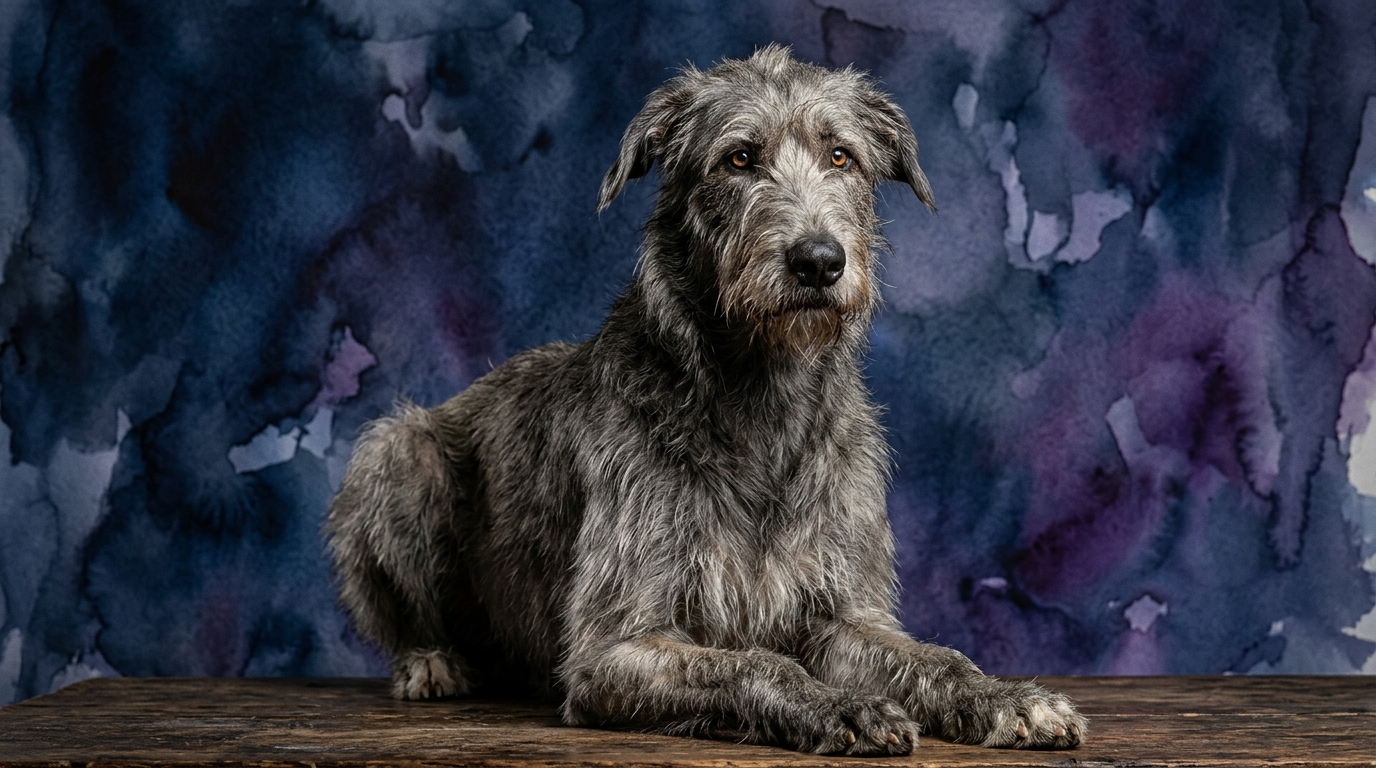
**Irish Wolfhound (Hound, Not Coren-ranked):**
**Problem Solving (3/5):** The Irish Wolfhound’s problem-solving often centers on navigating their immense physical presence in a human-centric world, understanding complex social dynamics within multi-dog households, or figuring out how to access objects out of reach for smaller dogs. Their approach is typically deliberate, observational, and can involve understanding cause-and-effect relationships over larger spatial scales, such as how to open a door or access a specific yard area. They might take time to process, but once a solution is found, it's often retained.
**Training Speed (3/5):** While capable of learning commands, their training speed score of 3/5 reflects a sighthound's independent streak. They grasp concepts well but might choose to comply based on perceived value or motivation rather than an inherent eagerness to please. Repetitive drills can be less engaging for them; instead, they respond best to clear, consistent, and reward-based methods, understanding the 'why' behind an action. Their large size also means physical coordination for complex tricks takes more time to develop.
**Social Intelligence (3/5):** These gentle giants possess a refined social intelligence, often reading human emotions with remarkable accuracy and responding with empathy. They excel at understanding pack dynamics, both canine and human, and can often act as calming presences. Their social interactions are typically measured and observant, preferring quiet companionship over boisterous play, and they are adept at discerning friend from stranger through subtle cues.
**Instinctive Drive (3/5):** The Irish Wolfhound’s instinctive drive, rated 3/5, is a powerful legacy of their wolf-hunting past. This manifests as a strong, focused prey drive for large, fast-moving objects, like deer or rabbits, which can be triggered by distant movement. They exhibit incredible bursts of speed and determination when this drive is engaged, requiring secure containment and careful management in open spaces. They also have an instinctive need for ample space and exercise.
**Memory (3/5):** Their memory allows them to recall routines, specific commands, and people with impressive accuracy over extended periods. They remember positive and negative experiences, associating particular places or sounds with past events. This memory contributes to their ability to adapt to new environments and learn complex sequences of actions, such as navigating a familiar hiking trail or remembering a specific treat location.
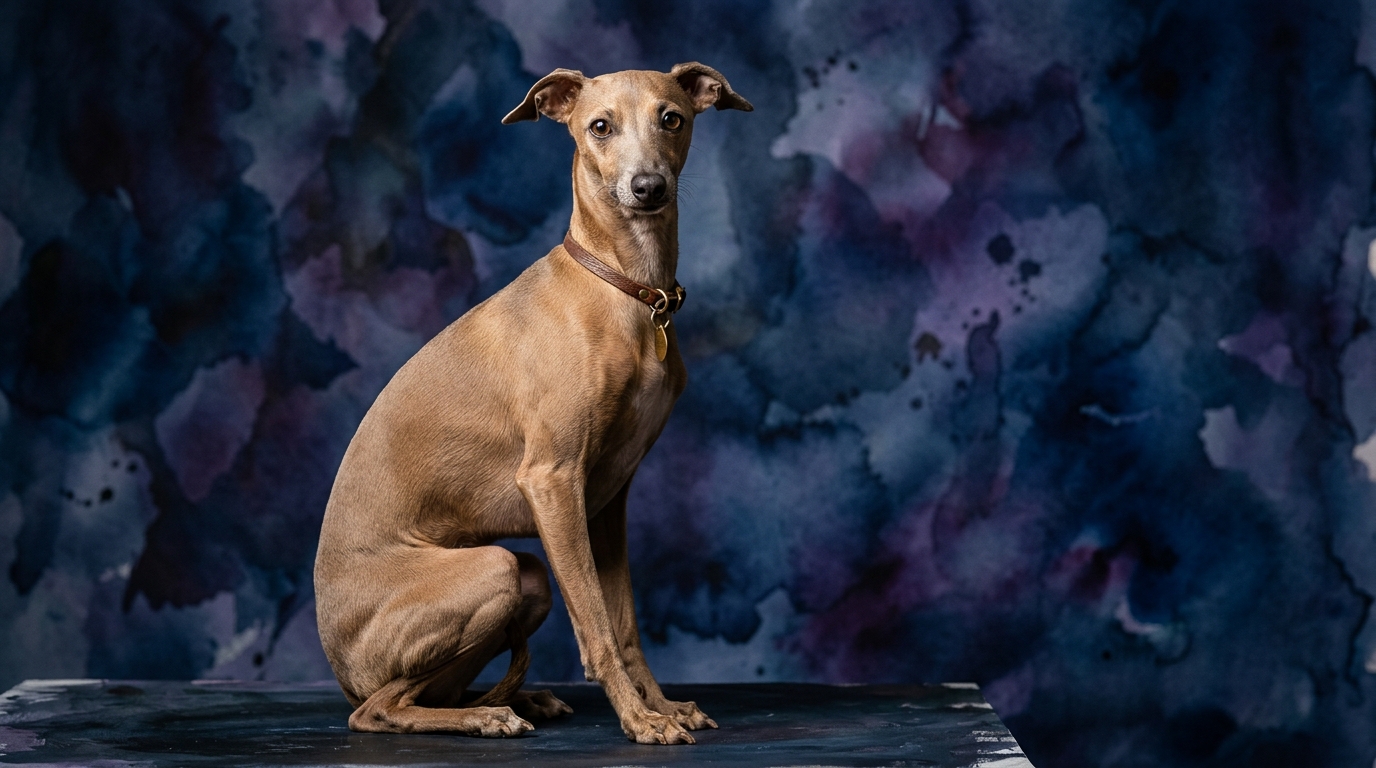
**Italian Greyhound (Toy, Not Coren-ranked):**
**Problem Solving (3/5):** The Italian Greyhound’s problem-solving often involves navigating their environment with agility, figuring out how to access cozy napping spots, or manipulating small objects during play. Their solutions can be quick and creative, often involving their slender bodies and nimble paws to investigate tight spaces or retrieve hidden items. They are adept at understanding household routines and anticipating events, such as meal times or walks, through clever observation.
**Training Speed (3/5):** With a 3/5 training speed, Italian Greyhounds are capable learners, often picking up new commands quickly, especially when motivated by treats or affection. However, their sighthound nature can mean an independent streak, and their delicate build and sensitivity require gentle, positive reinforcement. They can be easily distracted by novel stimuli or the pursuit of a perceived 'prey' item, which might slow down sustained training sessions despite their initial quick grasp of concepts.
**Social Intelligence (3/5):** Italian Greyhounds exhibit a profound social intelligence, deeply attuned to their primary human's emotional state and needs. They thrive on close companionship, often seeking physical contact and offering comfort. Their social cues are often subtle but clear, communicating desires for attention or expressing discomfort. They form strong bonds and can be highly sensitive to changes in household dynamics, relying on their human family for security and reassurance.
**Instinctive Drive (3/5):** The Italian Greyhound’s instinctive drive, also at 3/5, is a scaled-down yet potent version of their larger sighthound relatives. This manifests as a strong prey drive for small, fast-moving objects like squirrels, toys, or even leaves, leading to sudden bursts of incredible speed and agility. Beyond hunting, they possess a powerful instinctive drive for warmth, comfort, and close physical contact, often burrowing under blankets or seeking sunny spots.
**Memory (3/5):** Their memory is excellent for routines, the location of favored toys or sleeping spots, and particularly for individuals they've bonded with. They recall specific commands and associate certain words or gestures with actions. This strong memory helps them learn household rules and adapt to their family’s schedule, making them creatures of habit who appreciate predictability.
Where the Irish Wolfhound Wins Cognitively
Despite identical raw scores, the Irish Wolfhound often exhibits a cognitive edge in scenarios demanding spatial awareness on a grand scale and a more measured, deliberate problem-solving approach. Their problem-solving (3/5) manifests as a methodical understanding of large physical obstacles or complex social hierarchies within a multi-dog household, requiring sustained focus. Their social intelligence (3/5) allows for a nuanced reading of group dynamics, often positioning them as calm, observant mediators rather than reactive participants, reflecting a deeper processing of environmental cues. Their memory (3/5) for vast outdoor territories or intricate family routines shows a capacity for holding extensive cognitive maps.
Where the Italian Greyhound Wins Cognitively
Conversely, the Italian Greyhound's cognitive strengths shine in environments requiring nimble mental agility and an acute sensitivity to subtle shifts in their immediate surroundings. Their problem-solving (3/5) often involves clever, quick solutions for navigating confined spaces, retrieving small objects, or anticipating routine changes with remarkable accuracy. Their social intelligence (3/5) is intensely focused on their primary human, enabling them to pick up on minute emotional cues and respond with profound empathy and desire for connection, making them exceptionally attuned companions. Their memory (3/5) for preferred cozy spots or specific human gestures demonstrates a highly personalized and comfort-driven recall.
Training Dynamics: Size, Sensitivity, and Sighthound Spirit
While both breeds score 3/5 for training speed, the practicalities of training differ significantly. The Italian Greyhound, with its smaller size and often intense desire for human companionship, can appear easier to train in a controlled, positive reinforcement setting. Their sensitivity means they respond poorly to harsh methods, but their focus on their human can make them highly receptive to gentle, reward-based learning, though their attention span for repetitive drills can be short. The Irish Wolfhound, despite grasping concepts well, requires more physical effort to guide and manage due to their immense size and sighthound independence. Their training demands unwavering consistency and a clear understanding of their motivations, often requiring more patience to achieve reliable compliance, as they may choose not to perform if not adequately persuaded. Building strong foundational trust and positive associations is paramount for both, acknowledging their sighthound tendencies towards independent thought.
Lifestyle Match: Active Explorers vs. Cozy Companions
When considering an owner's lifestyle, the cognitive and physical needs diverge considerably. For active owners seeking a companion for long, deliberate outdoor excursions, the Irish Wolfhound is a compelling choice. Their instinctive drive (3/5) for powerful bursts of speed and their need for substantial, though not constant, exercise means they thrive with owners who can provide secure, expansive spaces for galloping or enjoy lengthy walks in varied terrain, engaging their problem-solving in natural environments. Conversely, the Italian Greyhound is better suited for owners who appreciate a more relaxed lifestyle, albeit one punctuated by short, energetic play sessions. Their instinctive drive (3/5) for warmth and comfort, combined with their intense desire for close physical contact, makes them ideal for owners who enjoy a lap dog and can provide a secure, cozy indoor environment, with brief, supervised outdoor sprints to satisfy their smaller-scale prey drive. Their social intelligence thrives in constant human presence.
The Verdict
Opt for the Irish Wolfhound if you seek a majestic, empathetic companion capable of independent thought, thriving in a home with ample space and an owner committed to consistent, patient guidance for a giant sighthound.
Select the Italian Greyhound if you desire a sensitive, affectionate shadow, perfect for a cozy home where their need for warmth, companionship, and bursts of playful energy can be met by a devoted owner.
🧠 Find Your Pet's IQ Score
Our Pet IQ Lab assessment covers 25+ tests across 5 cognitive dimensions — personalized to your breed.
Take the Full IQ Test →Frequently Asked Questions
Do Irish Wolfhounds and Italian Greyhounds have similar temperaments?
Despite their size difference, both share a sighthound temperament: generally gentle, sensitive, and independent. Irish Wolfhounds are calm and dignified, while Italian Greyhounds are more excitable, playful, and deeply attached to their families, often with a mischievous streak.
Is one breed more prone to separation anxiety than the other?
Italian Greyhounds are often more prone to separation anxiety due to their intense bonding and need for constant companionship. Irish Wolfhounds, while social, tend to be more self-assured and tolerant of brief periods alone, though no dog should be left isolated for extended durations.
How do their grooming needs compare given their size difference?
Irish Wolfhounds have a rough, wiry coat requiring weekly brushing and occasional stripping to maintain health and minimize shedding. Italian Greyhounds have a very short, smooth coat that requires minimal grooming, mostly just wiping down and nail trims, making them easier to maintain in terms of coat care.