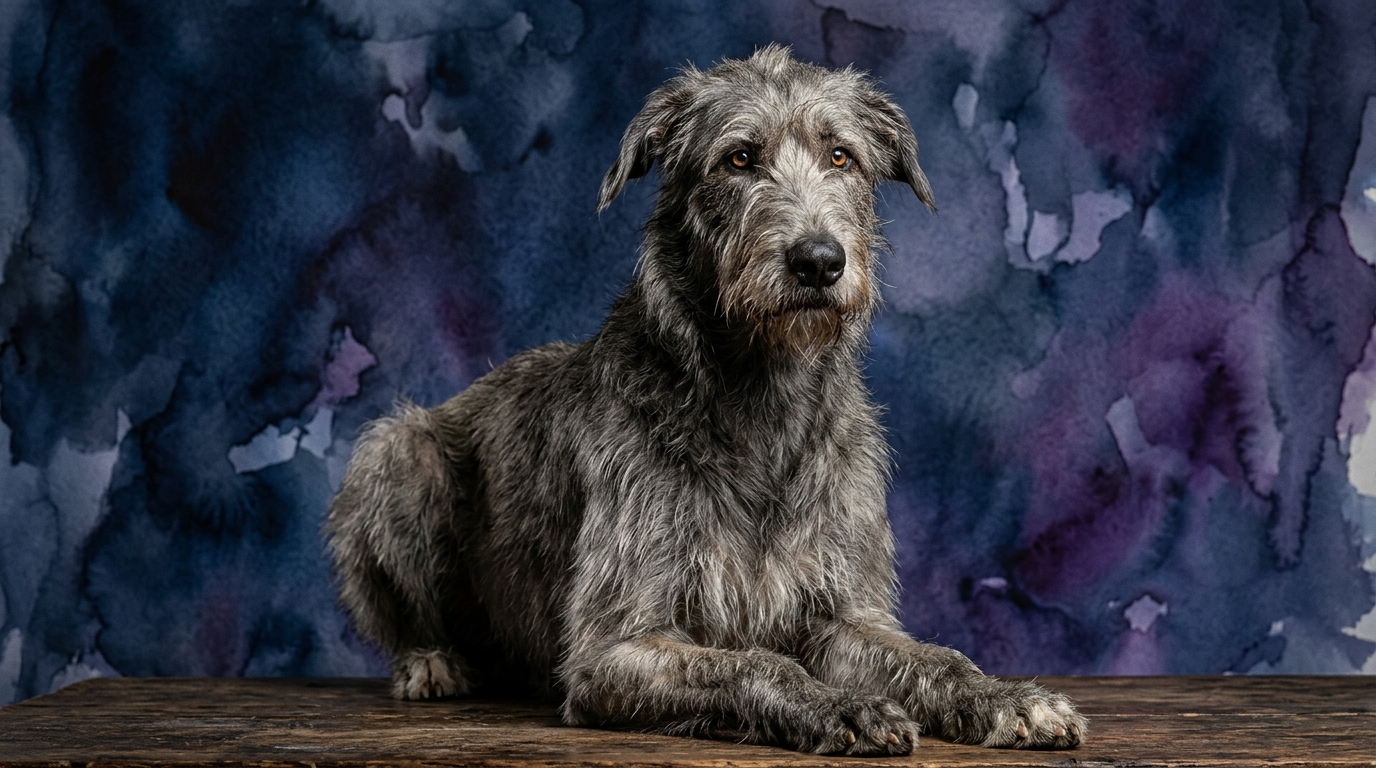

Side-by-Side IQ Profile: Understanding Identical Scores
A 3/5 rating across all five cognitive dimensions suggests a robust, functional intelligence for both the Irish Wolfhound and the Toy Fox Terrier. This indicates they are capable learners and adaptable companions, though perhaps not breeds that consistently break new ground in complex cognitive tasks. The true insight comes from interpreting how these identical scores translate into their breed-specific behaviors and challenges.
For Problem Solving (3/5), the Irish Wolfhound typically applies its cognitive capacity to navigating expansive environments, assessing potential threats with a measured approach, or understanding intricate household routines. Their solutions are often deliberate and unhurried, reflecting their large stature and a history of independent decision-making in the field. The Toy Fox Terrier, conversely, channels its 3/5 problem-solving into more immediate, tangible challenges, such as deciphering puzzle toys, outsmarting small vermin, or ingeniously securing a coveted treat. Their solutions tend to be swift and often involve physical dexterity.
In Training Speed (3/5), both breeds demonstrate a capacity to learn commands and new behaviors. The Irish Wolfhound will grasp concepts, but its independent hound spirit means compliance often stems from understanding and willingness rather than automatic reaction, requiring consistent, patient motivation. The Toy Fox Terrier, while quick to pick up tricks and cues, can also exhibit a characteristic terrier tenacity. Their training speed can be excellent when engaged, but their focus might waver if a task isn't sufficiently stimulating or if a more enticing distraction appears.
Social Intelligence (3/5) manifests distinctly in each breed. The Irish Wolfhound displays a calm, discerning awareness of human moods and household dynamics, often forming deep, empathetic bonds and responding to emotional cues with a quiet, reassuring presence. They are observers, understanding without needing to be at the center of attention. The Toy Fox Terrier, also with a 3/5 social intelligence, is highly attuned to its human companions, often using its keen observational skills to engage, entertain, and sometimes playfully manipulate for desired outcomes, thriving on being an interactive part of the family's daily life.
Instinctive Drive (3/5) is a powerful motivator for both, but directed differently. The Irish Wolfhound's drive is rooted in its sighthound heritage, manifesting as a deep urge to track, course, and, historically, protect. This drive is potent but typically expressed with a focused intensity rather than frantic energy, often triggered by movement at a distance. The Toy Fox Terrier’s 3/5 instinctive drive is evident in its relentless pursuit of small game, its propensity for digging, and its boundless energy for play. This drive is often expressed through quick, persistent, and determined action, making them tireless in their chosen pursuits.
Memory (3/5) is reliable for both breeds. The Irish Wolfhound possesses a strong recall for people, places, and learned commands, retaining routines and past experiences effectively, even if their application of those commands is occasionally situational based on their independent nature. The Toy Fox Terrier also demonstrates excellent recall for training, routines, and the whereabouts of favored objects or people. They quickly learn which behaviors yield rewards and which do not, allowing them to adapt their actions based on past outcomes.
Where the Irish Wolfhound Excels Cognitively
The Irish Wolfhound's cognitive strengths, even with a 3/5 across the board, shine in scenarios demanding a more profound, deliberate approach. Their problem-solving, while not necessarily rapid, is often characterized by thoughtful assessment, particularly in open or complex environments. They excel at understanding the nuances of a situation and reacting with a measured response, rather than impulsively, which is invaluable in a dog of their physical stature.
Their social intelligence, at 3/5, allows for an almost intuitive grasp of human emotional states, enabling them to offer comfort and companionship through their calm, watchful presence. This isn't about performing tricks for attention, but about providing a deep, empathetic connection. Furthermore, their memory (3/5) combined with their instinctive drive allows them to excel in tasks requiring sustained focus over large areas, such as long-distance tracking or patrolling familiar territories with quiet diligence. Their cognitive makeup supports a role as a thoughtful, protective, and deeply connected family member.
Where the Toy Fox Terrier Excels Cognitively
The Toy Fox Terrier's cognitive prowess, also rated 3/5 across the board, manifests with a distinct quickness and adaptability. Their problem-solving is often geared towards immediate, tangible challenges, such as intricate puzzle toys or navigating tight spaces to achieve a goal. Their small size and agile nature mean their cognitive processes are frequently applied to tasks requiring speed, precision, and ingenious methods of approach.
Their 3/5 training speed is often demonstrated in their ability to quickly learn complex trick sequences or excel in agility courses, thriving on mental stimulation and the joy of mastering new skills. The Toy Fox Terrier's social intelligence, while equally rated, shines in its ability to charmingly engage and entertain, often using keen observations to anticipate human actions and elicit desired responses. They are masters of communication within a domestic setting, adept at making themselves the delightful focal point of interaction, showcasing their spirited and quick-witted nature.
Which is Easier to Train, and Why?
Given their identical 3/5 rating in Training Speed, neither breed is inherently 'easier' to train, but rather requires different methodologies and owner expectations. Training the Irish Wolfhound demands significant patience, consistency, and positive reinforcement. Their independent hound nature means they often need to understand the 'why' behind a command, rather than merely rote memorization. Their 3/5 memory ensures they retain what they learn, but their 3/5 instinctive drive can occasionally lead them to prioritize a compelling scent or distant sight over an immediate command. Due to their immense size, early and consistent training in manners and obedience is absolutely critical for safety and manageability.
The Toy Fox Terrier, while also rated 3/5 for training speed, benefits from short, engaging training sessions that capitalize on their quick uptake and combat their potential for boredom. Their terrier tenacity and 3/5 instinctive drive necessitate firm, consistent boundaries and clear expectations. They can be prone to 'selective hearing' if something more stimulating captures their attention, making motivation (often food or play-based) a key component of successful training. For both breeds, understanding their specific drives and tailoring the training approach to their unique temperaments is paramount.
Suitability for Active vs. Relaxed Owners
The Irish Wolfhound, despite its calm demeanor indoors, is best suited for owners who are committed to providing substantial daily exercise and mental engagement. This includes long walks, opportunities for secure off-leash running in safe areas, and activities that respect their sighthound heritage. They are not a frantic, high-energy breed, but their physical needs are significant due to their size. They thrive with owners who appreciate a dignified, thoughtful presence and can provide a large, secure space, rather than truly 'relaxed' owners who might neglect their fundamental need for physical activity and mental stimulation. They require owners who are actively consistent and understanding of their unique needs.
The Toy Fox Terrier, conversely, thrives with owners who enjoy interactive play, agility, trick training, and can provide consistent mental and physical stimulation throughout the day. They are energetic, quick-witted, and require an owner who can match their enthusiasm and channel their strong terrier drive into constructive activities. They are not ideal for owners seeking a purely sedentary companion, as their 3/5 instinctive drive demands an outlet. Owners who are 'active' in terms of engagement, play, and training will find the Toy Fox Terrier a delightful and fulfilling companion.
The Verdict
Choose the Irish Wolfhound if you seek a majestic, thoughtful companion capable of deep, empathetic bonds and quiet observation, and are prepared to meet their significant physical needs and respect their independent spirit.
Opt for the Toy Fox Terrier if you desire a spirited, quick-witted companion, full of zest and charm, who thrives on interactive engagement, mental challenges, and a consistently active lifestyle.
🧠 Find Your Pet's IQ Score
Our Pet IQ Lab assessment covers 25+ tests across 5 cognitive dimensions — personalized to your breed.
Take the Full IQ Test →Frequently Asked Questions
Do Irish Wolfhounds need a lot of mental stimulation?
Yes, despite their calm appearance, Irish Wolfhounds require regular mental engagement to prevent boredom. Their 3/5 problem-solving and memory benefit from training, puzzle toys, and exploring new environments, which helps satisfy their thoughtful and independent nature.
Are Toy Fox Terriers good at learning tricks?
Absolutely. With a 3/5 training speed and a desire for interaction, Toy Fox Terriers generally pick up tricks quickly and enjoy the mental challenge. Their quick wit and agility make them excellent candidates for advanced obedience and dog sports like agility.
How does size affect intelligence expression in these breeds?
Size significantly influences how their identical IQ scores manifest. The Irish Wolfhound's intelligence often involves deliberate, large-scale assessments, while the Toy Fox Terrier's cognitive abilities are typically applied to quick, precise actions and navigating intricate, smaller-scale challenges.