Side-by-Side Cognitive Profiles: Italian Greyhound vs. Norwegian Lundehund
The Cosmic Pet Pet IQ Lab assigns both the Italian Greyhound and the Norwegian Lundehund a uniform score of 3/5 across all five measured intelligence dimensions. While these identical scores might suggest a cognitive mirror image, understanding the nuances of how a '3' manifests in each breed requires a deeper look into their historical roles, physical attributes, and typical temperaments. It's not just about the score, but the specific context in which that intelligence is expressed.
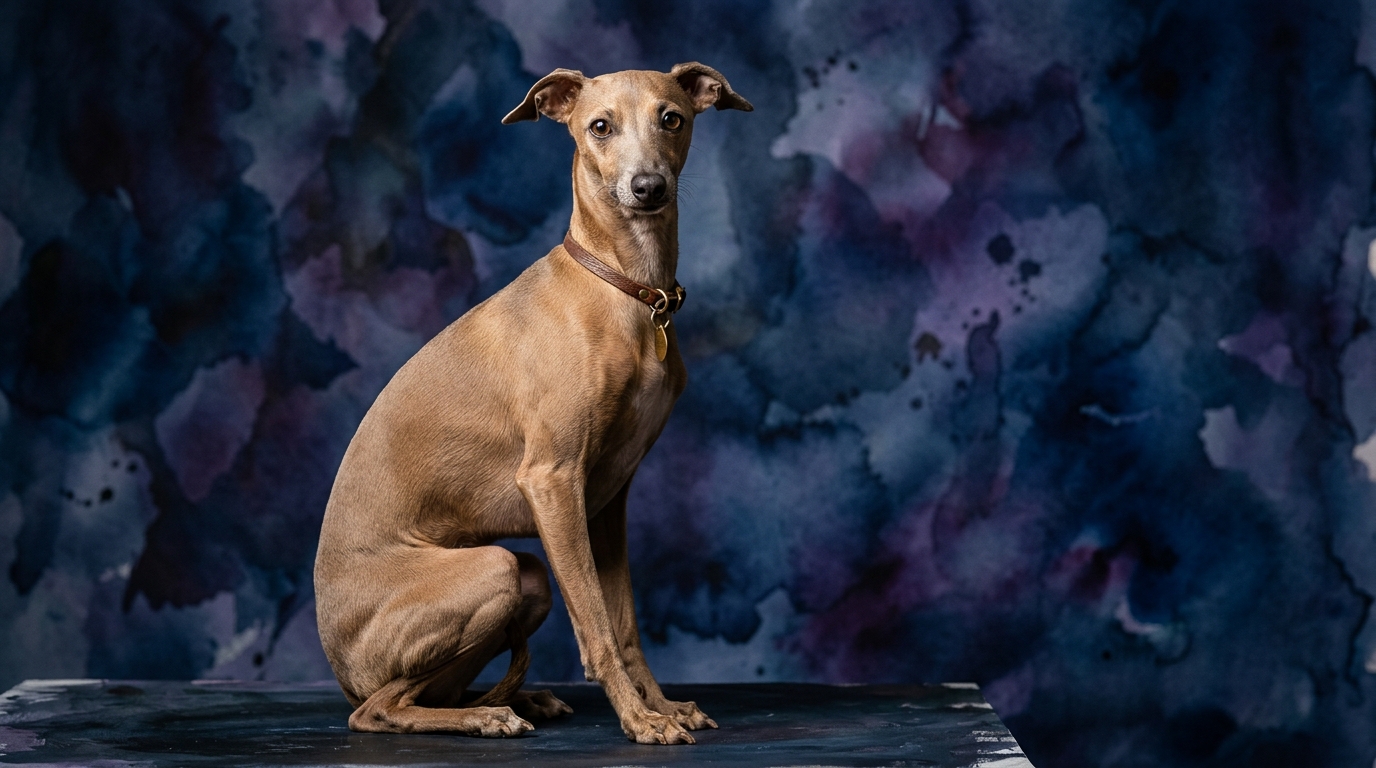
For the **Italian Greyhound**, a sighthound developed for companionship and quick bursts of chase, a Problem Solving score of 3/5 suggests a capacity for navigating household challenges, perhaps figuring out how to access a favorite sunbeam or manipulate an owner for attention. Their Training Speed at 3/5 indicates they are generally receptive to learning, especially when positive reinforcement and gentle methods are employed, though their sighthound independence can introduce a 'what's in it for me?' attitude. Social Intelligence at 3/5 points to their deep attunement to human emotions and household dynamics, often forming intense bonds with their primary caregivers, though they can be reserved with strangers. An Instinctive Drive of 3/5 reflects their strong, albeit often brief, prey drive, manifesting as enthusiastic chasing games rather than sustained hunting. Finally, their Memory score of 3/5 means they readily recall routines, learned commands, and both positive and negative experiences, which can influence their future interactions and training success.
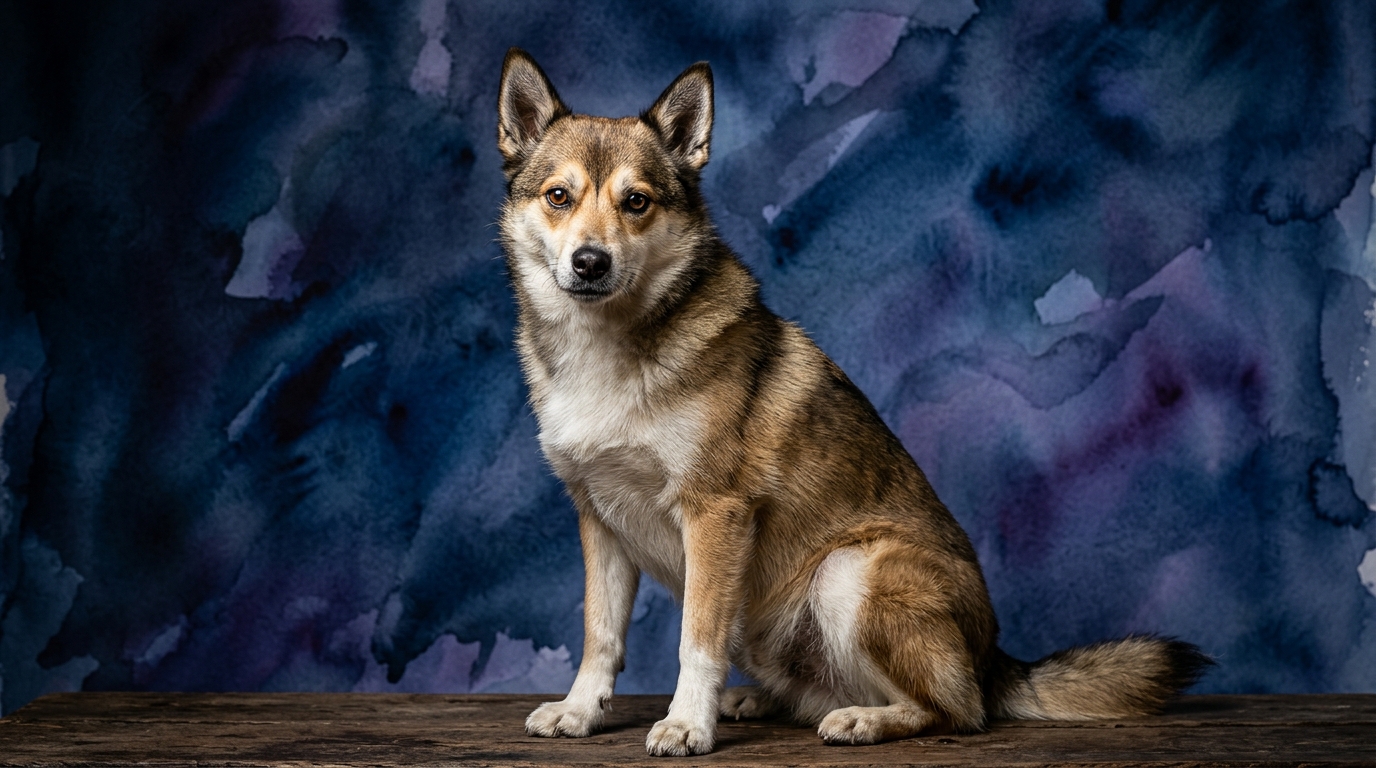
The **Norwegian Lundehund**, a breed uniquely adapted for puffin hunting in challenging coastal environments, also scores 3/5 across the board, but their application of these skills is markedly different. Their Problem Solving at 3/5 is likely expressed through ingenious navigation of complex physical spaces, using their flexible joints and extra toes to access tight crevices or scale challenging terrain, skills honed over centuries of hunting. Training Speed at 3/5 suggests they are intelligent and capable learners, but their historical independence means they require patient, consistent, and highly motivating training approaches; they are not typically eager to please in the same way some companion breeds are. Social Intelligence at 3/5 implies an observant nature, often wary of new people or situations, but forming strong, loyal bonds with their trusted family members. Their Instinctive Drive of 3/5 is a tenacious, persistent drive to explore, dig, and hunt, reflecting their heritage as resourceful hunters. Their Memory, also 3/5, allows them to recall intricate paths, hunting strategies, and can also contribute to remembering perceived slights or negative experiences, making consistency in training crucial.
Where the Italian Greyhound Shines Cognitively
Despite identical numerical scores, the Italian Greyhound's cognitive strengths often manifest in areas related to domestic harmony and emotional connection. Their 3/5 in Social Intelligence often translates into a profound ability to 'read' human moods and intentions within a family setting, allowing them to adapt their behavior to seek comfort or offer subtle reassurance. This nuanced understanding of social cues makes them exceptional companions for emotionally sensitive individuals.
Furthermore, their Problem Solving, though also 3/5, might be more geared towards efficient resource acquisition within a home – perhaps strategically positioning themselves for maximum warmth or figuring out how to subtly solicit attention or treats. Their delicate build and need for comfort can lead to creative solutions for personal well-being, often involving human assistance, which is a form of social problem-solving.
Where the Norwegian Lundehund Excels Cognitively
The Norwegian Lundehund, with its 3/5 scores, demonstrates a distinct cognitive prowess rooted in its working heritage. Their Problem Solving excels in complex physical navigation and environmental mastery. Their unique anatomical features, like extra toes and flexible joints, are not just physical traits but enable a specific type of spatial intelligence, allowing them to scale, burrow, and maneuver through tight spaces with remarkable ingenuity. This makes them adept at overcoming physical obstacles or finding hidden objects.
Their Instinctive Drive, also 3/5, combines with their memory and problem-solving to create a tenacious explorer. A Lundehund's persistence in investigating a new scent or attempting to dig under a fence is a testament to their deep-seated drive and cognitive focus on a task. This tenacity, while challenging for owners, is a significant cognitive strength for independent, goal-oriented activities.
Training Dynamics: Which Breed is More Amenable?
When considering ease of training, the Italian Greyhound often presents a more straightforward path for basic obedience, primarily due to their strong desire for human connection and approval. Their 3/5 Training Speed means they are capable learners, and their sensitivity often makes them highly responsive to positive, gentle reinforcement. While sighthound independence can lead to selective hearing, especially for recall, their motivation to please their person generally makes them adaptable to household rules, though house training can sometimes be a test of patience due to their small bladders and aversion to cold weather.
The Norwegian Lundehund, while equally capable with a 3/5 Training Speed, demands a different approach. Their historical role required significant independence, which translates into a strong-willed and often stubborn personality. They learn quickly but need to be convinced that the task is worthwhile, often preferring to make their own decisions. Training a Lundehund requires immense patience, consistency, and highly engaging, positive reinforcement techniques, focusing on building a partnership rather than strict obedience. Their natural drives for digging, climbing, and exploring also need to be managed through training, often requiring creative outlets.
Lifestyle Match: Active vs. Relaxed Owners
For owners seeking a companion that balances bursts of energy with ample cuddle time, the Italian Greyhound is often a fitting choice. While they require opportunities for spirited 'zoomies' in a secure, fenced area, their delicate build and preference for warmth mean they are largely content as indoor companions, often found curled up on a lap or nestled in a soft blanket. They thrive with owners who appreciate their affectionate nature and can provide short, intense play sessions followed by long periods of relaxed companionship.
The Norwegian Lundehund, conversely, is a breed best suited for active, adventurous owners who understand and embrace their unique needs. Their strong instinctive drive and problem-solving abilities demand consistent mental and physical stimulation. They need daily opportunities to explore, sniff, dig, and climb, making them ideal for individuals or families who enjoy hiking, canine sports like agility, or simply spending significant time outdoors. Owners must be prepared for a dog that thrives on independence and requires creative outlets for its inherent curiosity and tenacity.
The Verdict
Choose the Italian Greyhound if you seek an elegant, sensitive companion who thrives on close emotional bonds and enjoys a balance of spirited play and cozy relaxation in a secure home environment.
Opt for the Norwegian Lundehund if you are an active, patient owner prepared to engage a tenacious, independent thinker who revels in physical challenges and exploring the world with unique ingenuity.
🧠 Find Your Pet's IQ Score
Our Pet IQ Lab assessment covers 25+ tests across 5 cognitive dimensions — personalized to your breed.
Take the Full IQ Test →Frequently Asked Questions
Do Italian Greyhounds and Norwegian Lundehunds learn tricks easily?
Both breeds, scoring 3/5 in Training Speed, are capable of learning tricks, but their motivation differs. Italian Greyhounds often learn quickly for praise and treats from their beloved owners, while Norwegian Lundehunds require more engaging and rewarding methods to convince them a trick is worth their effort, often performing best when it taps into their natural drives.
Are these breeds good with children or other pets?
Italian Greyhounds, with their 3/5 Social Intelligence, can be good with older, gentle children and other calm pets, but their delicate nature makes them sensitive to rough play. Norwegian Lundehunds, also 3/5 in Social Intelligence, can be reserved with strangers and might do best with older children who respect their space and independence; their strong prey drive requires careful introduction to smaller pets.
How do their memory scores influence daily life?
Both breeds score 3/5 in Memory, meaning they remember routines, commands, and experiences well. For the Italian Greyhound, this aids in house training consistency and remembering preferred cuddle spots. For the Norwegian Lundehund, it contributes to recalling complex routes or hunting strategies, but also means they can remember negative experiences, emphasizing the need for positive and consistent training.