
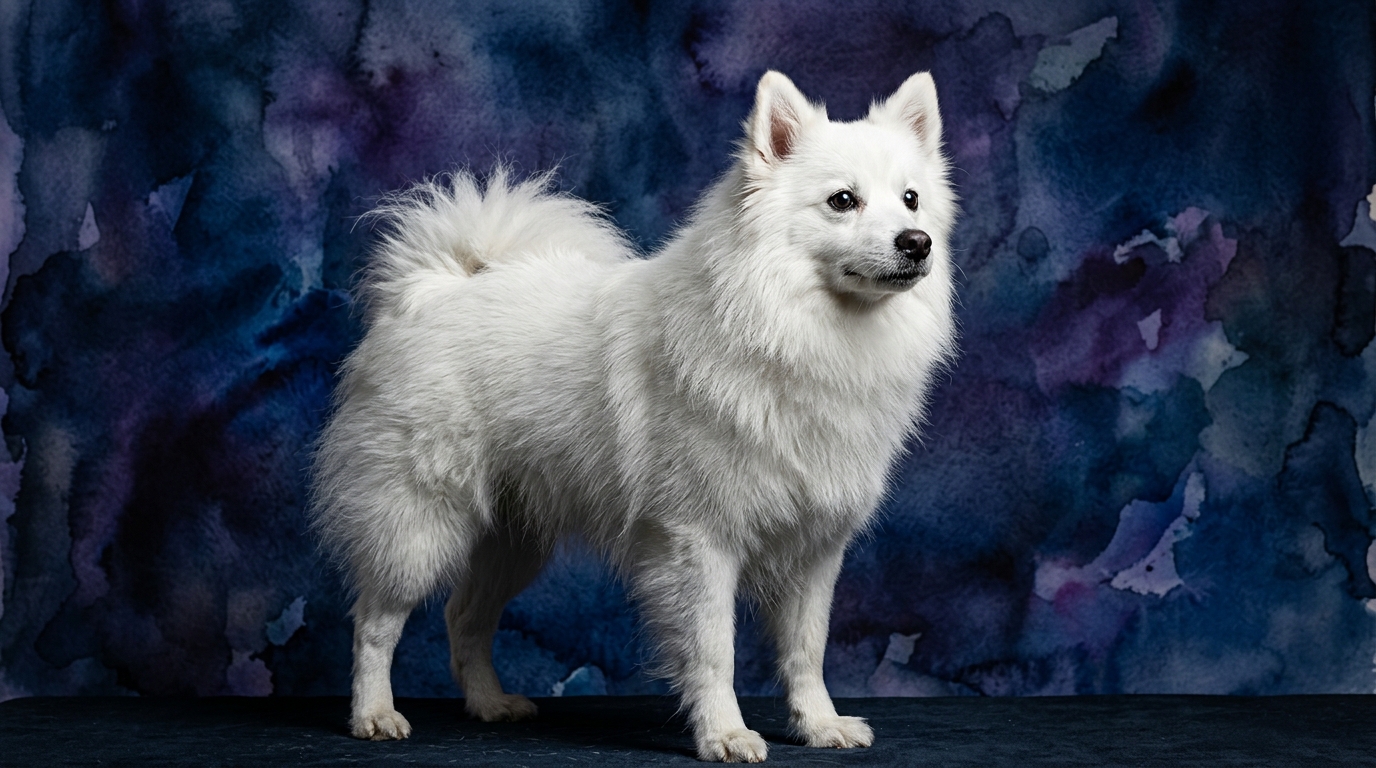
Side-by-Side IQ Profile: Jack Russell Terrier vs. American Eskimo Dog
**Jack Russell Terrier Profile:** The Jack Russell Terrier demonstrates exceptional aptitude for navigating complex situations, often devising novel solutions to reach desired outcomes, whether it's outwitting a squirrel or figuring out how to open a forbidden cabinet (Problem Solving: 5/5). While capable of grasping new commands at an average pace, their independent spirit and strong focus on their own objectives can sometimes make consistent compliance a challenge, requiring patient and engaging methods (Training Speed: 3/5). They possess a functional understanding of human cues and emotions, though their primary focus often remains on their individual pursuits rather than seeking constant social harmony or approval (Social Intelligence: 3/5). This breed exhibits an extremely powerful prey drive and an inherent urge to hunt, chase, dig, and explore, making them relentless in pursuing these natural behaviors (Instinctive Drive: 5/5). Jack Russell Terriers retain routines, learned commands, and past experiences with impressive clarity, allowing them to recall information effectively over time (Memory: 4/5).
**American Eskimo Dog Profile:** American Eskimo Dogs are competent at solving puzzles and adapting to new situations, though they may not display the same inventive persistence or innate drive to innovate solutions as some more intensely driven breeds (Problem Solving: 3/5). They learn new commands and routines at an average rate, generally showing willingness to cooperate and respond to positive reinforcement-based training methods (Training Speed: 3/5). This breed is adept at interpreting human body language and vocal tones, often striving to understand and align with their owner's intentions, contributing to their reputation as devoted companions (Social Intelligence: 3/5). American Eskimo Dogs possess a moderate level of instinctive drive, including some prey drive and alertness, but it is typically less overwhelming and more manageable than that found in dedicated hunting breeds (Instinctive Drive: 3/5). Their memory is sufficient for retaining everyday routines, basic commands, and familiar faces, enabling them to navigate their world with reasonable consistency (Memory: 3/5).
Where the Jack Russell Terrier Wins Cognitively
The Jack Russell Terrier's cognitive strengths truly shine in scenarios demanding independent thought and tenacious execution. Their 5/5 Problem Solving score means they are constantly assessing their environment for opportunities and devising strategies to achieve their goals, whether that involves scaling a fence or figuring out how to retrieve a toy from an impossible spot. This relentless pursuit, fueled by their 5/5 Instinctive Drive, makes them incredibly effective at tasks requiring persistence and cunning, such as scent work or agility courses where they must navigate obstacles with speed and precision. Their capacity to independently strategize and follow through on a self-assigned mission sets them apart when it comes to overcoming environmental challenges.
Where the American Eskimo Dog Wins Cognitively
While the American Eskimo Dog may not match the Jack Russell's raw problem-solving intensity, their cognitive profile offers a different kind of strength, particularly in a companion role. Their balanced 3/5 scores across Problem Solving, Training Speed, and Social Intelligence, combined with a moderate Instinctive Drive, mean they are often more consistently cooperative and less prone to independent “missions” that conflict with human goals. Their social intelligence, while rated similarly to the JRT, often manifests as a greater desire to please and a more attuned responsiveness to human emotional states, making them excellent at tasks requiring close partnership and communication, such as therapy work or competitive obedience where subtle cues are paramount. Their inherent alertness also contributes to a keen awareness of their surroundings, making them vigilant companions.
Which is Easier to Train and Why
When considering ease of training, the American Eskimo Dog generally presents a more straightforward path for the average owner. Both breeds have a 3/5 Training Speed, meaning they absorb commands at a similar rate. However, the American Eskimo Dog's moderate 3/5 Instinctive Drive means they are less likely to be sidetracked by overpowering urges to chase or dig during a training session. Their social intelligence, while also 3/5, often translates into a greater inclination to work *with* their handler, reducing the likelihood of stubbornness or independent problem-solving that might circumvent a command, fostering a more harmonious training experience.
Conversely, the Jack Russell Terrier's exceptional 5/5 Problem Solving and 5/5 Instinctive Drive, while powerful cognitive assets, can make training a more demanding endeavor. While they learn quickly, their independence means they might apply their problem-solving skills to find loopholes in commands or prioritize a captivating scent over a recall. This terrier tenacity, while admirable in its original purpose, requires an owner who can consistently outsmart and out-motivate their dog, transforming potential challenges into engaging mental exercises rather than frustrating battles of will.
Which Suits Active Owners vs. Relaxed Owners
The Jack Russell Terrier is unequivocally suited for active owners who can meet their substantial cognitive and physical demands. Their 5/5 Instinctive Drive and 5/5 Problem Solving mean they require consistent outlets for their boundless energy and sharp minds, thriving on structured activities like agility, earthdog trials, or long, varied hikes that allow them to explore and engage their senses. Owners who cannot provide this level of engagement may find themselves with a bored, destructive, or perpetually “busy” terrier.
The American Eskimo Dog, with its more balanced scores across all dimensions, offers greater flexibility for a range of owner lifestyles. While they certainly benefit from regular exercise and mental stimulation, their moderate 3/5 Instinctive Drive and Problem Solving mean they are less likely to become restless if a day includes a relaxed walk rather than an intense adventure. They are adaptable companions who appreciate both engaging play sessions and quiet evenings at home, making them a suitable choice for owners who enjoy activity but also value downtime.
The Verdict
Opt for a Jack Russell Terrier if you are an experienced, highly active owner who thrives on providing consistent mental and physical challenges for a dog with intense drives and exceptional independent problem-solving abilities.
Select an American Eskimo Dog if you seek a versatile, moderately active companion who learns readily and offers a more balanced temperament, ideal for owners desiring engagement without overwhelming intensity.
🧠 Find Your Pet's IQ Score
Our Pet IQ Lab assessment covers 25+ tests across 5 cognitive dimensions — personalized to your breed.
Take the Full IQ Test →Frequently Asked Questions
Do Jack Russell Terriers ever calm down?
While Jack Russell Terriers may mature and gain some composure with age, their fundamental high energy and strong instinctive drives remain throughout their lives. Consistent training, ample exercise, and mental stimulation are crucial for managing their inherent vivacity effectively.
Are American Eskimo Dogs good for first-time dog owners?
American Eskimo Dogs can be suitable for first-time owners due to their generally cooperative nature and moderate drives. However, they do require consistent training, socialization, and attention to their vocal tendencies to thrive.
Which breed is better with other pets?
The American Eskimo Dog, with its moderate instinctive drive, is often more adaptable to living with other pets if properly socialized from a young age. The Jack Russell Terrier's intense prey drive (5/5) means they may struggle more with small, fast-moving animals unless extensively trained and supervised.