Side-by-Side IQ Profile: Unpacking Cognitive Strengths
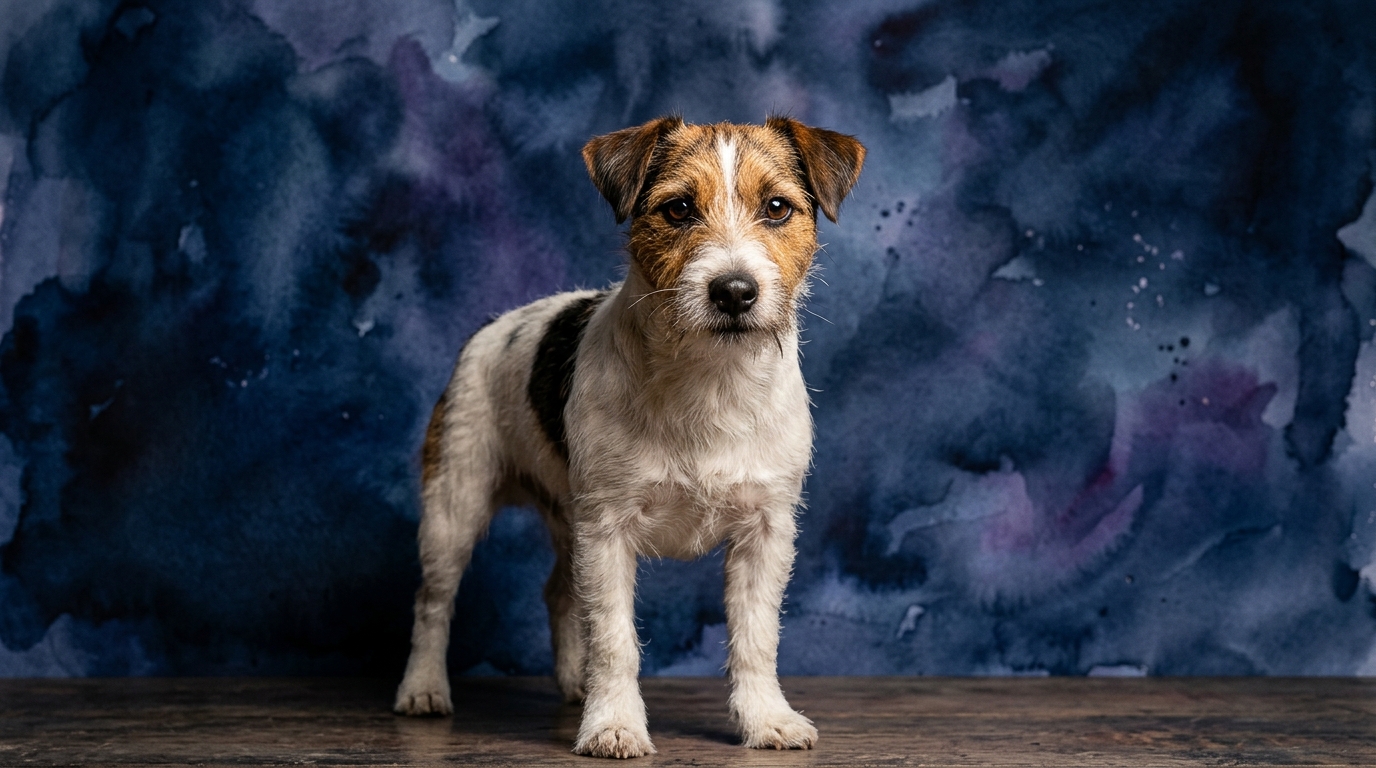
The Jack Russell Terrier, a breed shaped by its history of independent hunting, exhibits a cognitive profile geared towards tenacious action. Our Pet IQ Lab awards them a perfect 5/5 in Problem Solving, reflecting their inherent drive to overcome obstacles and strategize, often independently. Their training Speed, at 3/5, indicates they learn, but their strong will means they often apply their intelligence to their own pursuits rather than always complying with commands.
Their Social Intelligence is 3/5; while capable of strong bonds, their focus leans more towards tasks than intricate social appeasement. An impressive 5/5 in Instinctive Drive underscores their persistent urge to explore, chase, and dig. With a 4/5 Memory, they retain effective problem-solving strategies and environmental details well, crucial for their self-directed activities. They are not Coren-ranked, as their working intelligence often manifests outside typical obedience metrics.
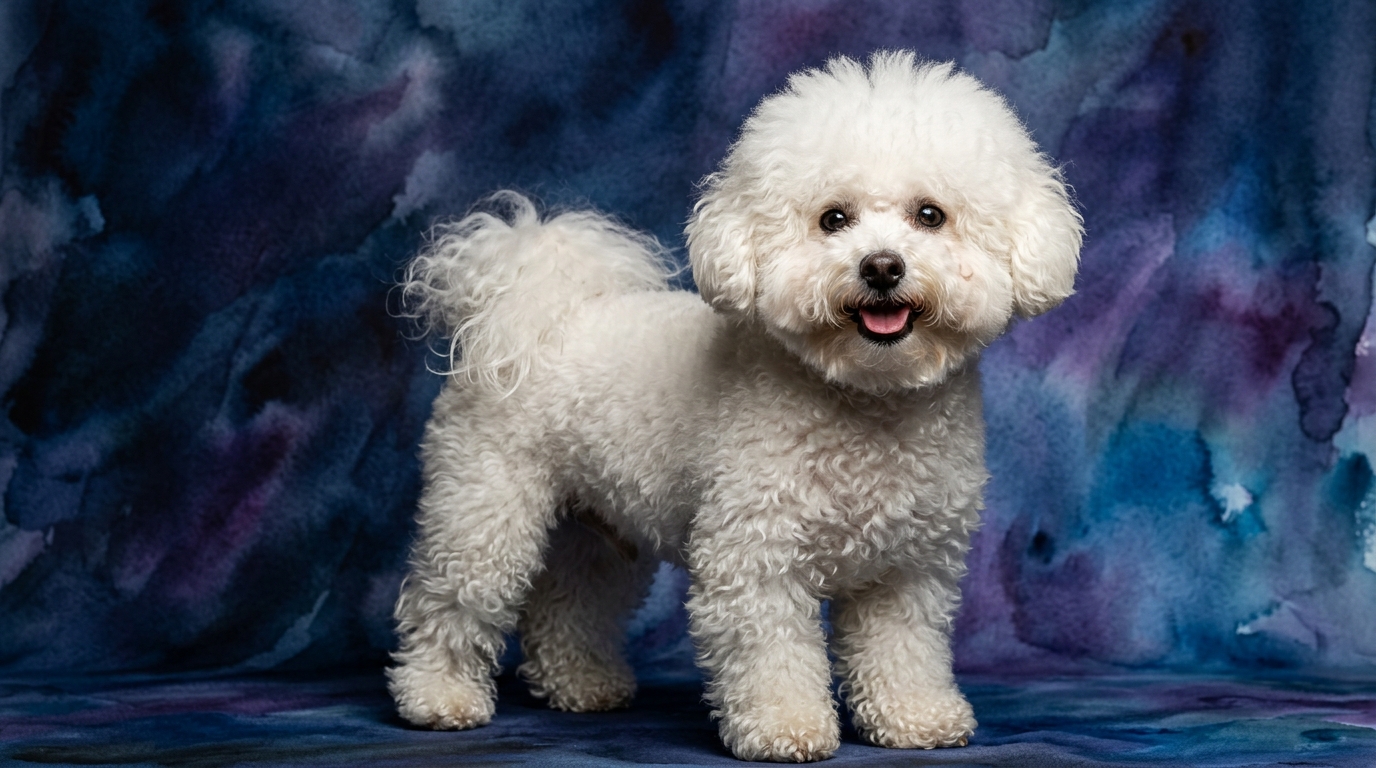
In contrast, the Bichon Frisé, a delightful companion breed, offers a cognitive profile centered on social harmony. Their Problem Solving is 3/5, demonstrating a moderate capacity for navigating novel situations, often with human collaboration. Their training Speed, also 3/5, suggests they learn at a reasonable pace, typically motivated by a desire to please and connect rather than an intrinsic drive for mastery.
The Bichon truly excels in Social Intelligence, earning a perfect 5/5, indicating deep attunement to human emotions and social dynamics. Their Instinctive Drive is a lower 2/5, reflecting a history as pampered companions with minimal hunting impulses. A 3/5 Memory means they adequately recall routines and learned behaviors, especially when reinforced socially. Ranked #45 by Coren, they show a good capacity for obedience and adaptive intelligence within a structured, human-centric environment.
Where Jack Russell Terrier Wins Cognitively
The Jack Russell Terrier's cognitive advantage is rooted in their exceptional problem-solving and unyielding instinctive drive. A 5/5 in Problem Solving means they excel at independent thought, like methodically figuring out how to open a complex treat puzzle or navigate an escape route without human intervention. This tenacity, fueled by their 5/5 Instinctive Drive, translates into an unwavering focus on perceived “tasks,” whether it's tracking a scent or digging for a phantom critter, showcasing a practical, hands-on intelligence.
Their 4/5 Memory further enhances this independent problem-solving, allowing them to quickly recall and apply successful strategies for overcoming challenges. If a JRT successfully opens a specific door once, they are likely to remember that sequence of actions and repeat it. This memory isn't just for commands but for retaining complex action sequences and spatial information, making them adept at activities like earthdog trials or advanced scent work where independent decision-making is paramount.
Where Bichon Frisé Wins Cognitively
The Bichon Frisé's cognitive strength lies in their exceptional Social Intelligence, scoring a perfect 5/5. This manifests as a profound ability to read and respond to human emotions, making them incredibly empathetic and attuned companions. A Bichon will often pick up on subtle changes in an owner's mood, offering comfort or initiating playful interaction. Their mastery of non-verbal communication within the human-canine bond allows them to convey needs and solicit attention effectively, fostering deep emotional connections.
While their Problem Solving is 3/5, their social intelligence often allows them to “solve” problems through human interaction. Rather than independently tackling a puzzle, a Bichon might employ charming barks or gazes to enlist human help, leveraging their social strengths as a cognitive strategy. Their 3/5 Memory, adequate for recalling routines and social cues, is particularly effective when reinforced by positive social interaction, contributing significantly to their role as a devoted and responsive family member.
Which is Easier to Train and Why
For general obedience, the Bichon Frisé, despite a 3/5 Training Speed, often appears “easier” to train due to their 5/5 Social Intelligence and lower 2/5 Instinctive Drive. They are typically eager to please, highly motivated by praise and affection, and thrive when training feels like a cooperative game. Their lower drive means fewer environmental distractions, allowing for more focused attention during sessions. Behavioral differences include a greater willingness to maintain eye contact and general compliance, making them receptive to learning foundational commands and routines.
The Jack Russell Terrier, also with a 3/5 Training Speed and 4/5 Memory, requires a different training approach. Their 5/5 Problem Solving and 5/5 Instinctive Drive mean they are naturally inclined to follow their own agendas, often perceiving training as a negotiation. Their independent nature and strong prey drive lead to easy distraction by scents or movement, demanding consistent, engaging, and highly rewarding methods. They learn quickly when they perceive value, but are also adept at testing boundaries. Behavioral differences include a tendency towards independent exploration and a need for mental stimulation beyond simple obedience.
Which Suits Active Owners vs Relaxed Owners
The Jack Russell Terrier is ideal for active owners who thrive on mental challenges and outdoor adventures. Their 5/5 Problem Solving and 5/5 Instinctive Drive demand consistent outlets, including daily vigorous exercise, structured problem-solving play (like agility or advanced fetch), and mental stimulation that taps into their drive to explore and “work.” An active owner might enjoy training a JRT for earthdog events or scent work, understanding that channeling their terrier tenacity prevents undesirable behaviors like excessive digging or barking.
Conversely, relaxed owners seeking a devoted, adaptable, and less physically demanding companion will find the Bichon Frisé an excellent match. Their 5/5 Social Intelligence means they thrive on close companionship and consistent home interaction. While they enjoy walks, their lower 2/5 Instinctive Drive means exercise needs are met with daily strolls and indoor play. Their cognitive needs are largely satisfied through consistent social interaction, gentle training, and the comfort of being a cherished family member, making them perfect for those prioritizing a warm, social bond.
The Verdict
Choose a Jack Russell Terrier if you are an active, experienced owner ready to engage with a dog that constantly seeks mental challenges and has a powerful drive to explore and solve problems independently. Be prepared to provide consistent, creative training and ample outlets for their innate terrier instincts.
Choose a Bichon Frisé if you seek a highly social, adaptable companion who thrives on close human interaction and emotional connection, and you prefer a dog with moderate energy levels and a gentle disposition that excels in a family-oriented, less intensely active environment.
🧠 Find Your Pet's IQ Score
Our Pet IQ Lab assessment covers 25+ tests across 5 cognitive dimensions — personalized to your breed.
Take the Full IQ Test →Frequently Asked Questions
Are Jack Russell Terriers difficult to live with due to their high drive?
Jack Russell Terriers require significant engagement. Their 5/5 Instinctive Drive and Problem Solving skills mean they need consistent mental and physical stimulation to prevent boredom, which can lead to unwanted behaviors. Owners must be prepared to provide structured activities and training.
How does the Bichon Frisé's social intelligence impact their behavior?
A Bichon Frisé's 5/5 Social Intelligence makes them exceptionally attuned to human emotions and highly responsive to social cues. This fosters strong bonds and makes them eager to please, often resulting in a highly adaptable and affectionate companion.
Can a Jack Russell Terrier and a Bichon Frisé live harmoniously together?
Yes, with proper introductions and management, they can coexist. However, the Jack Russell's high prey drive and energy might overwhelm a Bichon, so supervised interactions and separate play spaces might be necessary, focusing on individual needs.