Side-by-Side Cognitive Profiles: JRT vs. GSMD
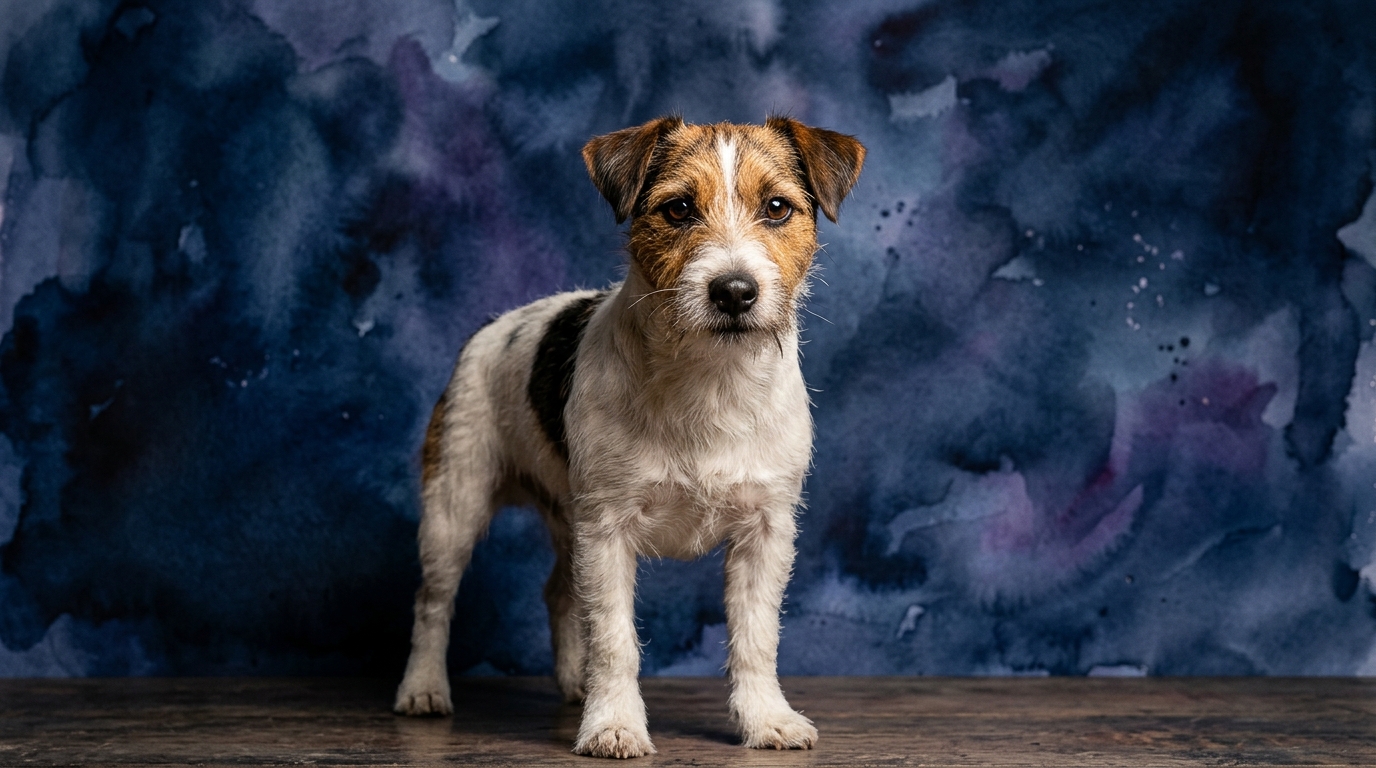
The Cosmic Pet Pet IQ Lab offers a nuanced look at canine cognition, moving beyond simple labels to specific dimensions. For the Jack Russell Terrier, we see a standout Problem Solving score of 5/5, indicating an exceptional capacity for independent thought and strategic action to overcome obstacles. Their Instinctive Drive also registers a powerful 5/5, reflecting deeply ingrained urges that fuel much of their behavior, while Memory is strong at 4/5, allowing them to retain complex information. Training Speed and Social Intelligence both sit at a moderate 3/5, suggesting they are capable learners and social interactors, but not necessarily prodigies in these areas.
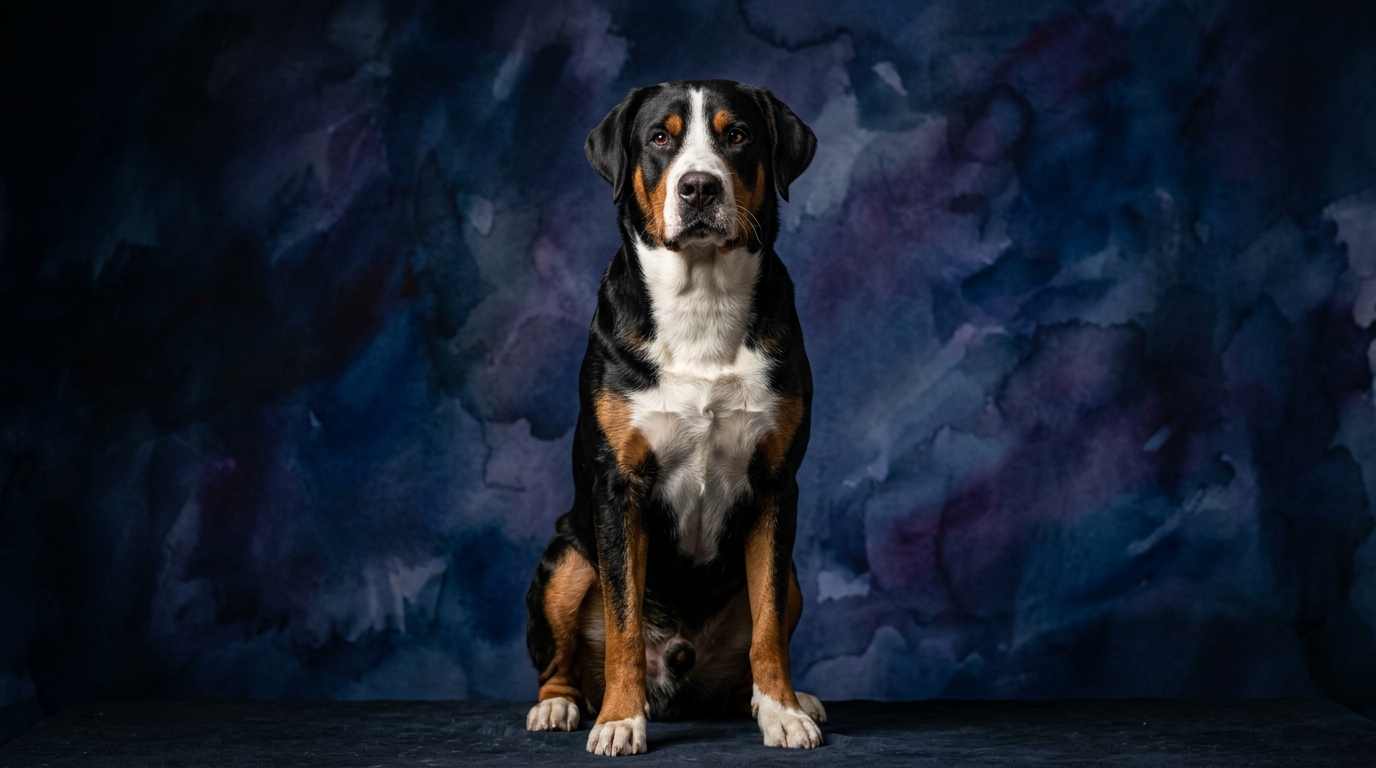
In contrast, the Greater Swiss Mountain Dog presents a more balanced profile across the board. Their Problem Solving is rated at 3/5, indicating practical, task-oriented intelligence rather than intricate independent strategizing. Instinctive Drive is also at 3/5, signifying a moderate inclination for their historical working roles without overwhelming intensity. Memory, Training Speed, and Social Intelligence all align at 3/5, suggesting a consistent, functional capacity for learning, recall, and social interaction, making them steady and reliable companions in various situations.
Where the Jack Russell Terrier Cognitively Excels
The Jack Russell Terrier's most impressive cognitive win lies in their extraordinary Problem Solving ability, rated a perfect 5/5. This isn't merely about following commands, but about innate ingenuity and perseverance when faced with a challenge. Whether it's figuring out how to bypass a gate, retrieve a deeply buried toy, or outmaneuver a perceived confinement, JRTs are master strategists in pursuit of their goals. This powerful problem-solving is intrinsically linked to their equally high Instinctive Drive (5/5). Their relentless urge to pursue prey, dig, or explore fuels their creativity, pushing them to devise novel solutions. A JRT might spend considerable time and effort devising a way to reach a squirrel or navigate a complex environment, showcasing a tenacity that is truly remarkable. This is further supported by their strong Memory (4/5), which allows them to recall successful past strategies and apply them to new, similar situations, learning from experience rather than just rote repetition. This combination makes them formidable independent thinkers, capable of complex, goal-oriented behaviors that often surprise their human companions.
Where the Greater Swiss Mountain Dog Cognitively Shines
The Greater Swiss Mountain Dog’s cognitive strengths are found in their balanced and dependable nature, which translates into a practical, reliable application of intelligence. While their Problem Solving (3/5) and Instinctive Drive (3/5) are not as intense as the JRT's, this moderation contributes to a more predictable and often calmer disposition. Their moderate Instinctive Drive means they are less likely to be consumed by singular, overwhelming urges, making them more amenable to structured tasks and less prone to self-directed 'projects' that might conflict with human expectations. Their 3/5 scores in Training Speed, Social Intelligence, and Memory indicate a solid, consistent foundation for learning and interaction. They excel in situations requiring steady application of learned tasks, such as pulling carts, guarding property, or being a steadfast family companion, where consistency and a calm demeanor are often more valuable than cunning. Their cognitive makeup leans towards dependability and a grounded understanding of their environment and role, making them excellent partners for consistent work and family integration.
Training Dynamics: Which Breed is Easier and Why?
Both the Jack Russell Terrier and the Greater Swiss Mountain Dog share a 3/5 rating in Training Speed, suggesting neither breed is an instant learner. However, the *ease* of training can diverge significantly due to their other cognitive attributes. The Greater Swiss Mountain Dog, with its moderate Problem Solving (3/5) and Instinctive Drive (3/5), tends to be more straightforward for general obedience and structured tasks. They are typically eager to please their owners and, while not lightning-fast, will reliably learn and perform commands with consistent, clear, and positive reinforcement. Their lower overall drive means fewer internal conflicts or distractions pulling them away from the training session, making them generally more cooperative.
Conversely, the Jack Russell Terrier’s exceptional Problem Solving (5/5) and intense Instinctive Drive (5/5) can present significant challenges, even with their comparable Training Speed. A JRT might grasp a command quickly, but their powerful instincts to chase, dig, or explore, coupled with their ingenuity to achieve their own agenda, can lead them to *choose* not to perform a command if it conflicts with their current motivation. Their drive to outsmart perceived barriers or pursue a scent can override a recall command, and their resourcefulness means they are constantly seeking loopholes or alternative solutions. Training a JRT demands immense patience, creativity, and a deep understanding of their terrier nature to effectively channel their high drive into productive behaviors, rather than engaging in a constant battle of wills.
Matching Lifestyles: Active vs. Relaxed Owners
For active owners seeking a canine partner for demanding adventures and consistent engagement, the Jack Russell Terrier is an unparalleled match. Their boundless energy and relentless Instinctive Drive (5/5) mean they thrive on constant physical and mental stimulation, whether it's agility, earthdog trials, extensive hikes, or engaging puzzle toys. Their exceptional Problem Solving (5/5) means they enjoy mental challenges as much as physical ones, making complex training and interactive games essential components of their daily lives. A JRT with an insufficiently active owner risks developing destructive behaviors, anxiety, or excessive barking, all born from boredom and unchanneled drive, making them a poor fit for a sedentary household.
The Greater Swiss Mountain Dog, while certainly needing regular exercise, aligns better with owners who appreciate a more relaxed, yet still engaged, lifestyle. Their moderate Instinctive Drive (3/5) means they are content with daily walks, family activities, and perhaps some carting or weight pull as a hobby, rather than requiring constant high-intensity output. They are less prone to the frantic energy surges often seen in JRTs and are more inclined to settle down calmly after appropriate exercise. Their composed demeanor makes them suitable for owners who enjoy a steady, dependable companion for both consistent activity and quiet companionship, without the constant need for extreme mental and physical exertion.
The Verdict
Choose the Jack Russell Terrier if you are an experienced, active owner ready to channel immense drive and ingenuity into structured activities and constant mental stimulation, embracing a dog with a powerful independent streak.
Choose the Greater Swiss Mountain Dog if you seek a dependable, calm, and robust companion for family life and consistent, moderate engagement, appreciating a steady temperament and practical intelligence over relentless intensity.
🧠 Find Your Pet's IQ Score
Our Pet IQ Lab assessment covers 25+ tests across 5 cognitive dimensions — personalized to your breed.
Take the Full IQ Test →Frequently Asked Questions
Do Jack Russell Terriers make good family pets despite their high drive?
Yes, with proper socialization, consistent training, and sufficient outlets for their energy, JRTs can be devoted family members. Their intense drive requires consistent management and engaging activities from all family members to ensure they are well-adjusted and happy within the home environment.
Are Greater Swiss Mountain Dogs prone to specific behavioral issues due to their cognitive profile?
GSMDs are generally stable, but their moderate instinctive drive for guarding (3/5) means early and thorough socialization is crucial to prevent excessive protectiveness. Their balanced cognitive profile generally leads to fewer extreme behavioral challenges compared to breeds with very high or very low scores in specific areas, making them relatively predictable.
How does 'Social Intelligence' (3/5 for both) impact interaction with other pets or strangers?
A 3/5 in Social Intelligence suggests both breeds can learn appropriate social behaviors with training and exposure, but might not instinctively read subtle cues as well as some other breeds. Early, positive socialization with a variety of people and animals is vital for both breeds to foster confident, polite interactions and prevent shyness or reactivity.