
Side-by-Side IQ Profile
The Jack Russell Terrier embodies independent thought, scoring a perfect 5/5 in Problem Solving, indicating an exceptional capacity to navigate complex situations and find creative solutions, often without direct human instruction. Their Instinctive Drive also stands at 5/5, reflecting a profound urge to hunt, chase, and explore, a trait deeply ingrained from their working terrier heritage. Training Speed, however, is a moderate 3/5; while capable of learning, their independent nature can sometimes make them less immediately receptive to repetitive drills. Social Intelligence, at 3/5, suggests they can read cues but might prioritize their own objectives over strict human collaboration in certain contexts. A solid 4/5 in Memory means they retain learned information and experiences effectively, contributing to their cunning problem-solving approach.
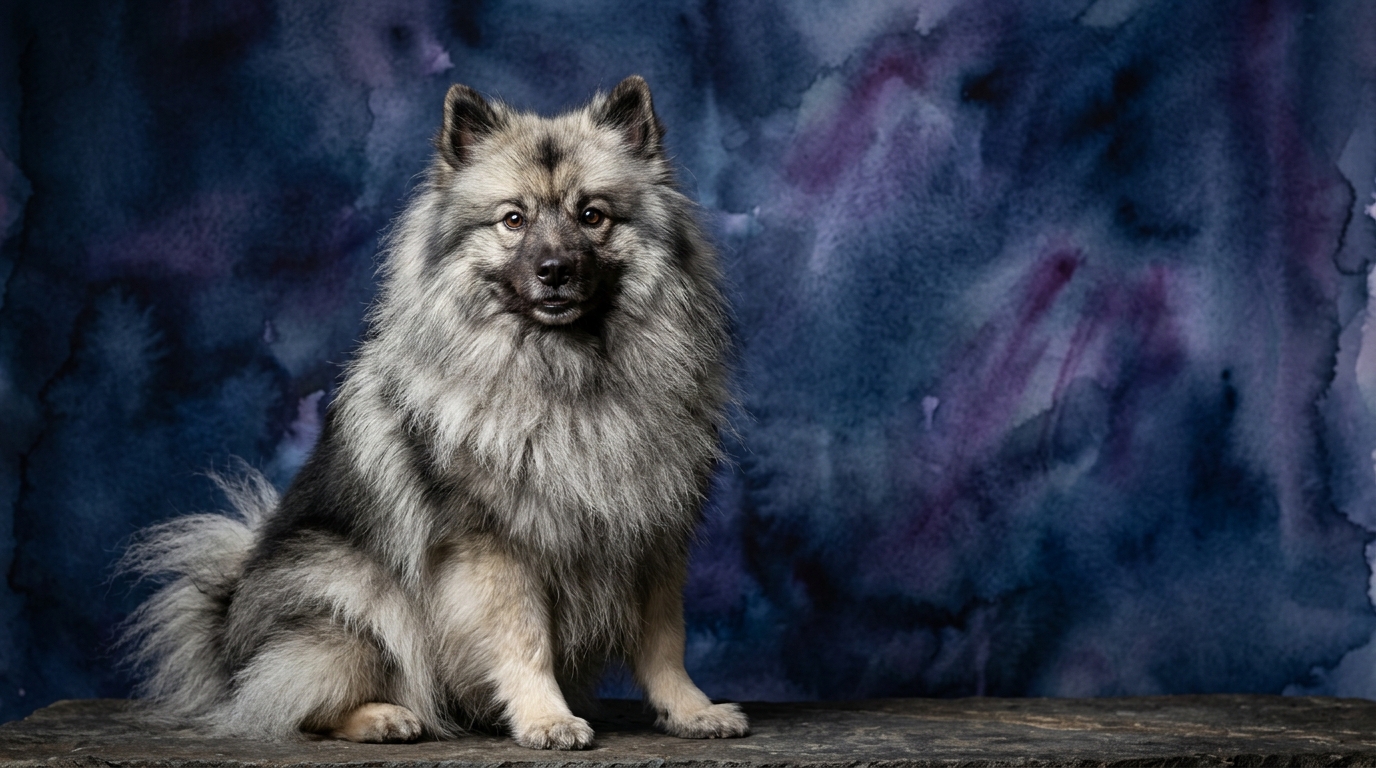
The Keeshond presents a different cognitive blueprint, excelling in areas that highlight their companion and watch-dog roles. Their Memory is outstanding at 5/5, allowing them to recall commands, routines, and social interactions with remarkable precision. This strong memory underpins their 4/5 Training Speed, making them generally quicker to grasp and execute new commands compared to many breeds. Problem Solving is respectable at 4/5, demonstrating a good ability to figure things out, though perhaps with less independent ingenuity than the Jack Russell. Social Intelligence sits at 3/5, similar to the Jack Russell, indicating a reasonable understanding of human and canine social dynamics. Their Instinctive Drive is a moderate 3/5, meaning while they possess natural dog behaviors, they typically lack the intense prey drive or persistent work ethic of a true working breed. The Keeshond's Coren rank of #16 further solidifies their standing as a breed that understands and obeys new commands quickly.
Where Jack Russell Terrier Wins Cognitively
The Jack Russell Terrier's cognitive advantages are most apparent in their raw problem-solving prowess and relentless instinctive drive. With a perfect 5/5 in Problem Solving, these terriers are not merely reactive; they actively strategize and innovate to overcome obstacles. Imagine a Jack Russell encountering a closed gate: instead of waiting for assistance, they might systematically test latches, dig beneath, or even attempt to scale it, demonstrating a persistent, trial-and-error approach until a solution is found. This isn't just about physical tasks; it extends to figuring out how to get to a coveted toy or outsmarting a perceived barrier to their objective.
Coupled with their 5/5 Instinctive Drive, this breed exhibits an unwavering focus on their natural inclinations, whether it's tracking a scent, pursuing a small critter, or engaging in vigorous play. This drive fuels their problem-solving, providing the motivation to persist where other breeds might give up. For instance, if a Jack Russell smells a rodent in a wall, their instinctive drive compels them to relentlessly work at accessing it, using their problem-solving skills to navigate the environment. This combination makes them exceptionally self-reliant and determined, capable of independent action and decision-making in pursuit of their goals.
Where Keeshond Wins Cognitively
The Keeshond's cognitive strengths shine brightest in their exceptional memory and commendable training speed. Scoring a perfect 5/5 in Memory, Keeshonden retain a vast library of learned behaviors, routines, and social cues. This isn't just about remembering a few commands; it means they build upon their learning experiences, making subsequent training sessions more efficient and reinforcing their understanding of their environment and expectations. For example, a Keeshond will remember a complex sequence of tricks or a specific walking route with remarkable accuracy, even after a long hiatus. This robust memory also contributes to their reliability as companions, as they consistently recall household rules and family member interactions.
Their 4/5 Training Speed directly benefits from this superior memory, positioning them as generally more eager and quicker to absorb new commands and perform them consistently. While they possess problem-solving abilities, their preference often leans towards learning and executing what is asked of them, rather than independently devising novel solutions. This means a Keeshond is often more receptive to structured lessons, quickly forming associations between commands and actions. Their place at Coren rank #16 among breeds further validates their capacity for understanding and obeying new commands with minimal repetition, making them a gratifying partner for those who enjoy teaching and refining behaviors.
Which is Easier to Train and Why
When considering ease of training for general obedience and household manners, the Keeshond generally presents a smoother path. Their 4/5 Training Speed, coupled with a 5/5 Memory, means they grasp new commands quickly and remember them reliably. They are typically motivated by positive reinforcement and are keen to please their human companions, making them responsive students. Their Instinctive Drive, at a moderate 3/5, is less likely to frequently override their desire to comply, allowing trainers to maintain focus and progress efficiently. For instance, teaching a Keeshond to 'stay' or 'heel' often requires fewer repetitions and results in more consistent execution, as they are less prone to sudden diversions by scent or movement.
The Jack Russell Terrier, despite its formidable problem-solving skills (5/5), can be more challenging for conventional obedience training due to its lower Training Speed (3/5) and very high Instinctive Drive (5/5). While they are undoubtedly intelligent, their intelligence often manifests as independent thought and a strong will, rather than an eagerness to follow human directives without question. Their powerful drive means they are easily distracted by environmental stimuli related to hunting or exploration, requiring significant effort to redirect their focus. A Jack Russell might understand a command but choose to prioritize chasing a squirrel over immediate recall, or they might try to problem-solve their way *around* a command they find inconvenient. Training a Jack Russell demands consistency, creativity, and a deep understanding of their terrier nature, often turning it into a partnership of negotiation rather than simple instruction.
Which Suits Active Owners vs Relaxed Owners
For active owners seeking a canine partner for vigorous outdoor pursuits and mentally stimulating challenges, the Jack Russell Terrier is often the more suitable choice. Their exceptional 5/5 Instinctive Drive translates into a boundless energy reserve and a profound need for engaging activities that tap into their natural inclinations. These dogs thrive on structured 'work,' whether it's agility, earthdog trials, extensive hiking, or complex puzzle toys that demand their 5/5 Problem Solving skills. An owner who can provide daily, intense physical exercise and creative mental enrichment will find the Jack Russell an enthusiastic and capable companion. Without adequate outlets, their high drive and problem-solving acumen can manifest as destructive behaviors or incessant exploration of household 'problems.'
Conversely, for owners who appreciate a more moderately active lifestyle but still desire an engaged and responsive companion, the Keeshond often fits better. While they are not couch potatoes and require regular walks and playtime, their 3/5 Instinctive Drive means their energy levels are generally more manageable than a Jack Russell's. Their strong 5/5 Memory and 4/5 Training Speed make them excellent candidates for learning various tricks or participating in lower-impact dog sports like rally obedience or therapy work, where consistency and recall are valued. A Keeshond is typically content with a good daily walk, some indoor games, and plenty of quality time with their family, adapting well to a relaxed home environment so long as their social needs and basic exercise requirements are met. They offer companionship without the relentless drive for independent action that defines the Jack Russell.
The Verdict
Choose the Jack Russell Terrier if you are an active, experienced owner prepared to channel a tenacious, independent problem-solver into structured activities like dog sports or working roles.
Opt for the Keeshond if you seek a highly trainable, memory-driven companion who thrives on consistent guidance and offers devoted companionship in a moderately active household.
🧠 Find Your Pet's IQ Score
Our Pet IQ Lab assessment covers 25+ tests across 5 cognitive dimensions — personalized to your breed.
Take the Full IQ Test →Frequently Asked Questions
Do Jack Russell Terriers make good family pets despite their high drive?
Yes, with proper socialization, training, and sufficient outlets for their considerable energy, Jack Russell Terriers can be devoted family members. Their zest for life and problem-solving skills make them engaging companions, but their independent nature requires consistent guidance. They generally do best with active families who understand their terrier traits.
Are Keeshonden prone to any specific behavioral issues?
Keeshonden are generally well-behaved, but their strong memory means they can remember negative experiences vividly. They can be prone to separation anxiety if left alone for extended periods due to their desire for companionship. Early socialization and consistent, positive training are key to preventing shyness or excessive barking.
How do their social intelligence ratings of 3/5 compare in practical terms?
A 3/5 social intelligence rating for both suggests they can read and respond to social cues adequately, but neither is exceptionally adept at nuanced social navigation. For the Jack Russell, this might mean they are more focused on their own agenda than anticipating human desires. For the Keeshond, it means they are typically friendly and responsive but might not possess the intuitive emotional depth seen in some other companion breeds.