
Side-by-Side IQ Profile
**Jack Russell Terrier:** This breed exhibits exceptional **Problem Solving (5/5)**, often devising clever strategies to overcome obstacles or achieve goals, a trait rooted in their history of independent hunting. Their **Training Speed (3/5)** is moderate; while capable learners, their strong will and independent nature can sometimes make consistent training a focused endeavor. **Social Intelligence (3/5)** suggests they are adequately attuned to human cues but prioritize their own tasks, reflecting a breed bred for individual work rather than close partnership. A powerful **Instinctive Drive (5/5)** fuels their relentless pursuit of prey, digging, and exploration, making them highly motivated by instinctual urges. Their **Memory (4/5)** is robust, allowing them to recall learned tasks, locations, and experiences with considerable accuracy, crucial for navigating complex environments during a hunt.
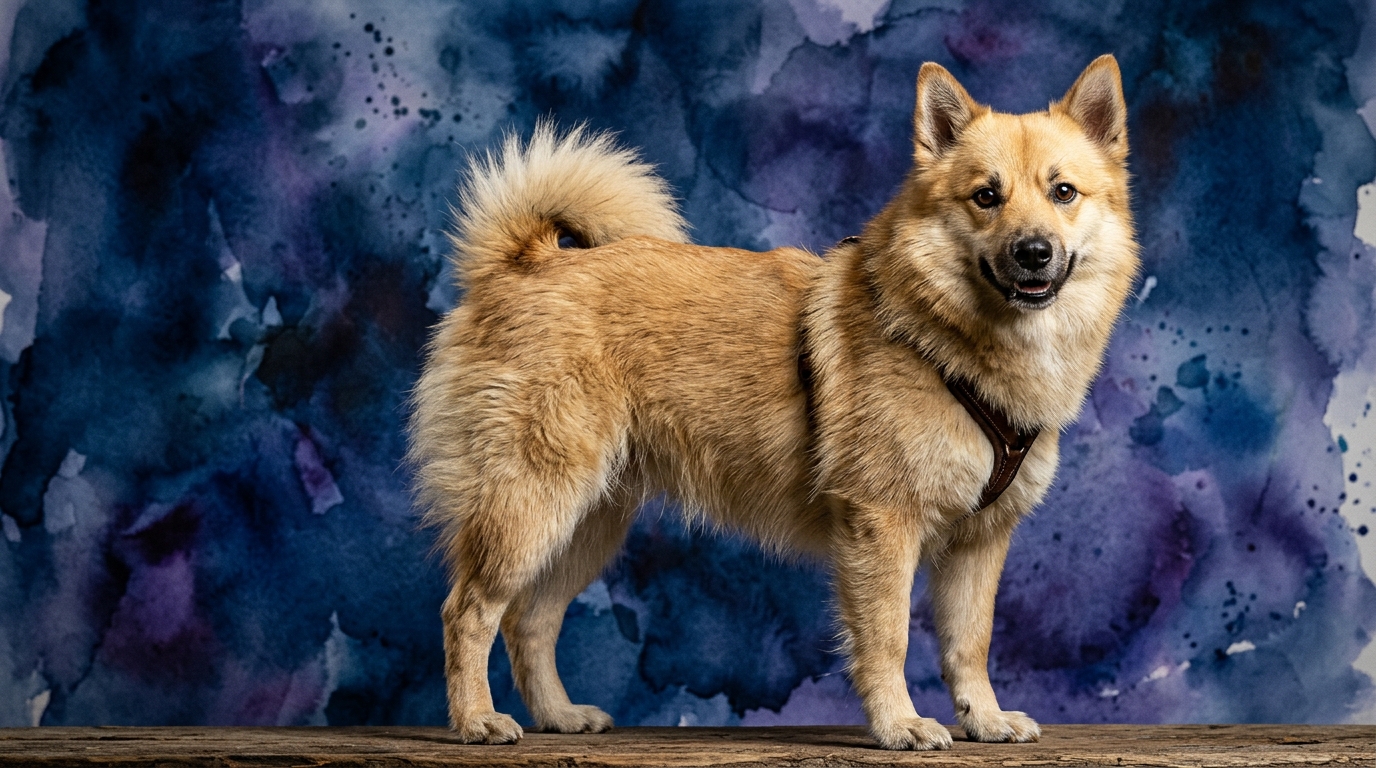
**Norwegian Buhund:** The Buhund demonstrates a solid, practical **Problem Solving (3/5)** ability, capable of figuring out solutions relevant to their herding and farm duties, though perhaps less inclined towards intricate, self-initiated puzzles than a terrier. Their **Training Speed (3/5)** is also moderate, indicating they learn at a steady pace and respond well to positive reinforcement, but may not grasp complex commands instantly. **Social Intelligence (3/5)** suggests an average capacity for understanding human emotions and intentions, making them agreeable companions without being overly dependent or nuanced in their social interactions. Their **Instinctive Drive (3/5)** is present but balanced, manifesting as a desire to herd, patrol, and engage in moderate physical activity rather than an overwhelming, singular focus. **Memory (3/5)** is functional and reliable, enabling them to retain commands and routines necessary for their working roles and family life, without the exceptional recall seen in some other breeds.
Where Jack Russell Terrier Wins Cognitively
The Jack Russell Terrier clearly outshines the Norwegian Buhund in specific cognitive domains, primarily problem-solving and instinctive drive. Their **Problem Solving (5/5)** is truly exceptional; these dogs are masters at figuring things out independently, whether it's escaping a yard, locating a hidden toy, or outsmarting perceived prey. This cognitive strength translates into a dog that is endlessly inventive and often one step ahead, requiring owners to be equally creative in their management and enrichment strategies. Their **Instinctive Drive (5/5)** is another area where JRTs demonstrate a profound cognitive advantage, manifesting as an intense, unwavering focus on their natural instincts like chasing, digging, and exploring. This drive isn't just physical; it's a cognitive engine that directs their attention and actions with formidable single-mindedness, making them incredibly persistent in their pursuits. This powerful drive, combined with superior memory, means a JRT remembers where that squirrel went or where they buried that bone with remarkable precision, fueling their next investigative mission.
Where Norwegian Buhund Wins Cognitively
While the Jack Russell Terrier presents some extreme cognitive scores, the Norwegian Buhund’s strengths lie in its balanced, practical intelligence, which offers a different kind of cognitive advantage. The Buhund’s more moderate **Instinctive Drive (3/5)** means they are less likely to be consumed by singular, overwhelming urges compared to the JRT. This cognitive balance allows them to be more adaptable to various household environments and less prone to redirecting their drives into destructive behaviors if not constantly stimulated for a specific task. Their consistent **Training Speed (3/5)** and **Memory (3/5)**, combined with their adequate **Social Intelligence (3/5)**, create a dog that is generally biddable and responsive to family life without the intense independent streak of a terrier. This practical, well-rounded cognitive profile makes them excellent general-purpose companions and working dogs who can apply their intelligence across a broader spectrum of daily tasks rather than excelling in one specific, intense domain. The Buhund's cognitive makeup fosters a dog that learns reliably and integrates smoothly into a family structure, offering a more predictable and less demanding cognitive landscape for the average owner.
Which is Easier to Train and Why
When evaluating ease of training, the Norwegian Buhund generally presents a more straightforward experience for the average owner compared to the Jack Russell Terrier. The Buhund’s moderate **Instinctive Drive (3/5)** means they are less likely to be distracted by overwhelming prey drives or independent impulses during training sessions. Their balanced **Social Intelligence (3/5)** and willingness to engage with their human companions make them receptive to commands and eager to please, reducing the inherent resistance often encountered with more independent breeds. While their **Training Speed (3/5)** isn't lightning-fast, it's consistent and reliable, meaning they will learn and retain commands effectively with patient, positive reinforcement.
In contrast, the Jack Russell Terrier's exceptional **Problem Solving (5/5)** and intense **Instinctive Drive (5/5)** can make training a more challenging and often prolonged endeavor. Their profound drive means they are easily diverted by environmental stimuli, requiring an owner to constantly out-think and re-engage their attention. A JRT's problem-solving prowess might be directed towards finding loopholes in commands or devising ways to avoid compliance if they perceive a more interesting alternative. While their **Memory (4/5)** is strong, it also means they remember inconsistencies in training or past "successes" in defiance. An owner needs to be exceptionally consistent, creative, and firm to channel the JRT's formidable cognitive abilities into desired behaviors, otherwise, their intelligence can quickly lead to self-taught undesirable habits. The Buhund's more balanced cognitive profile translates into a dog that is less likely to challenge an owner's authority and more inclined to follow direction, making them generally easier to train for basic obedience and integration into a family setting.
Which Suits Active Owners vs Relaxed Owners
The choice between a Jack Russell Terrier and a Norwegian Buhund hinges significantly on an owner's lifestyle and energy levels. The Jack Russell Terrier is unequivocally suited for highly active owners who thrive on constant engagement and robust outdoor activities. Their profound **Instinctive Drive (5/5)** and exceptional **Problem Solving (5/5)** demand daily outlets for physical exertion and mental stimulation. These dogs excel in activities like agility, earthdog trials, flyball, or long, exploratory hikes where their keen senses and relentless energy can be fully utilized. A relaxed owner who cannot commit to hours of daily engagement will quickly find a JRT channeling its formidable cognitive and physical energy into destructive behaviors, such as digging, excessive barking, or household "redecorating." They need a partner who can match their zest for life and provide endless opportunities for their brains and bodies to work.
The Norwegian Buhund, with its more moderate **Instinctive Drive (3/5)** and balanced cognitive profile, is a better fit for active owners who appreciate a companion but perhaps don't live at the same frenetic pace as a JRT enthusiast. Buhunds enjoy daily walks, playtime, and opportunities for mental engagement like obedience or rally, but they are generally more content to relax indoors after their needs are met. Their herding background means they appreciate having a "job" or purpose, even if it's just being an attentive family guardian, but they don't possess the same relentless, independent drive as the terrier. While still requiring regular exercise and mental stimulation, a Buhund is more adaptable to an owner with a moderately active lifestyle, offering a harmonious balance between adventure and quiet companionship. They are not suited for entirely sedentary lifestyles but offer a greater capacity for relaxation than the perpetually "on" Jack Russell.
The Verdict
Opt for a Jack Russell Terrier if you are an experienced, highly active individual or family prepared to dedicate significant time daily to rigorous physical exercise and creative mental challenges for a dog with intense drives and independent problem-solving skills.
Select a Norwegian Buhund if you seek a moderately active, adaptable companion who learns reliably and integrates well into family life, offering a balanced blend of activity and calm companionship without extreme cognitive demands.
🧠 Find Your Pet's IQ Score
Our Pet IQ Lab assessment covers 25+ tests across 5 cognitive dimensions — personalized to your breed.
Take the Full IQ Test →Frequently Asked Questions
Are Jack Russell Terriers good family dogs?
Jack Russell Terriers can be good family dogs for experienced households that understand their high energy, strong prey drive, and need for consistent training and mental stimulation. They thrive with active families who can provide ample engagement and supervision, especially around small children or other pets due to their intense instinctive drive.
Do Norwegian Buhunds bark a lot?
Norwegian Buhunds can be vocal, often using their voices to alert their owners to new sights or sounds, a trait stemming from their herding and guarding instincts. While not excessive barkers, they do require training to manage this tendency, especially in urban environments where they might perceive many "threats."
What kind of mental stimulation do Jack Russell Terriers need?
Jack Russell Terriers require extensive mental stimulation to satisfy their high problem-solving ability and instinctive drive, benefiting from puzzle toys, scent work, obedience training, agility, and interactive games that challenge their clever minds. Without adequate mental outlets, they can become bored and destructive, inventing their own "problems" to solve.