
A Side-by-Side Cognitive Profile
The Jack Russell Terrier presents a formidable cognitive profile, marked by exceptional problem-solving capabilities (5/5), a powerful instinctive drive (5/5), and strong memory recall (4/5). While their training speed and social intelligence are moderate at 3/5 each, these traits combine to create a highly autonomous and driven companion, always seeking challenges and engaging with their environment with intense focus. This terrier's cognitive makeup reflects its heritage as a tenacious hunter, requiring an owner who can channel its formidable mental energy.
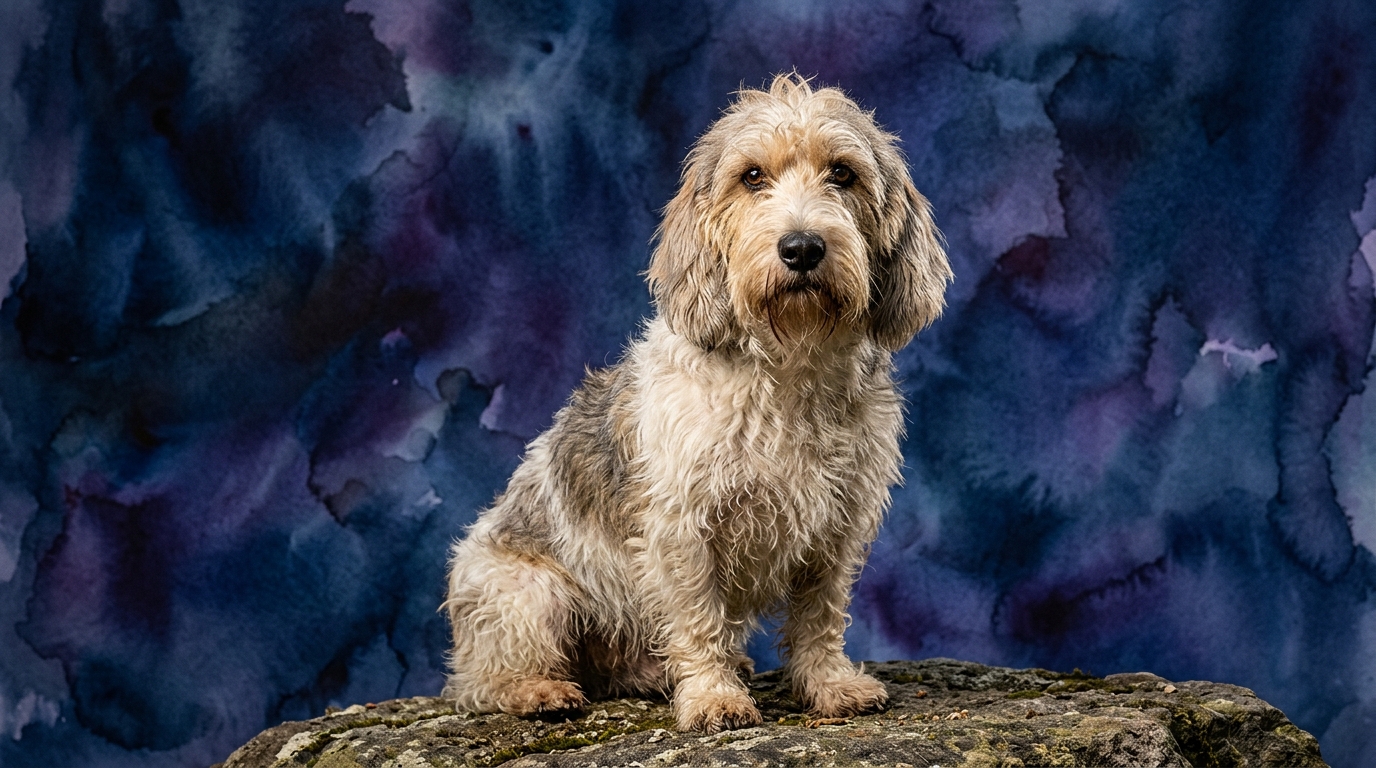
In contrast, the Petit Basset Griffon Vendéen exhibits a more balanced and moderately paced cognitive set. Across all five dimensions – problem solving, training speed, social intelligence, instinctive drive, and memory – the PBGV consistently scores 3/5. This uniformity suggests a dog that is consistently capable, adaptable, and less prone to the extremes of cognitive demand. Their intelligence is geared towards sustained, collaborative effort rather than independent, high-intensity problem-solving, making them a charming and engaging presence without overwhelming intensity.
This immediate comparison reveals a stark difference in cognitive intensity. The Jack Russell Terrier's peak scores in problem-solving, instinctive drive, and memory indicate a breed that will constantly engage its surroundings with a tenacious, independent mindset. The Petit Basset Griffon Vendéen, with its consistent 3/5 scores, suggests a more agreeable and less demanding cognitive experience, where learning, social interaction, and environmental engagement occur at a steady, manageable pace.
Where the Jack Russell Terrier's Cognition Excels
The Jack Russell Terrier’s cognitive prowess is most evident in its exceptional problem-solving ability, rated 5/5. This isn't merely about understanding commands; it means a JRT can quickly analyze complex situations, devise strategies to overcome obstacles, and adapt its approach to achieve a desired outcome – whether that's figuring out how to open a child-proof gate, retrieve a hidden toy, or outsmart a squirrel. This high score translates into a dog that is incredibly resourceful and often one step ahead, making for an engaging, albeit sometimes challenging, companion.
Coupled with this is an equally potent instinctive drive, also rated 5/5. For a JRT, this isn't just a desire to chase; it's an inherent, powerful motivation to pursue, explore, and "work" in a way that satisfies its deep-seated terrier instincts. This drive fuels their relentless focus during tasks, making them incredibly effective in activities like agility, earthdog trials, or anything that taps into their prey drive. It means they won't easily give up on a "mission," whether it's digging up a perceived rodent or finding the source of an intriguing scent.
Finally, the JRT's strong memory (4/5) complements its problem-solving and drive. They remember complex sequences of events, past successes, and the locations of interesting things. This allows them to refine their problem-solving tactics over time and recall specific strategies that worked before, making them highly efficient learners in tasks that align with their innate motivations. An owner must appreciate this cognitive triad, understanding that a JRT remembers what it wants, how to get it, and will persist until it succeeds.
Where the Petit Basset Griffon Vendéen's Cognitive Profile Shines
While the Petit Basset Griffon Vendéen may not exhibit the peak cognitive scores of the Jack Russell Terrier, its uniformly balanced profile of 3/5 across problem solving, instinctive drive, and memory creates a distinctive and valuable cognitive experience. This isn't a deficiency; rather, it indicates a dog whose intelligence is perfectly calibrated for its traditional role as a scent hound and a joyful companion. Their 3/5 problem solving means they are perfectly capable of navigating their world and learning routines, but without the intense, often self-directed, analytical tendencies that can lead to mischievousness in higher-scoring breeds.
The PBGV's moderate instinctive drive (3/5) is particularly noteworthy. Unlike the relentless, high-octane drive of a terrier, the PBGV's drive is sustained and purposeful, ideal for following a scent trail for extended periods without becoming frantic or easily distracted by competing stimuli. This allows them to engage deeply with their environment through their nose, a primary cognitive function for the breed, without the overwhelming intensity that necessitates constant redirection. It’s a drive for the journey, not just the capture, making them wonderful partners for long, exploratory walks.
Their consistent 3/5 scores in training speed, social intelligence, and memory contribute to a dog that is generally amenable to learning, forms strong social bonds, and retains information adequately for a well-adjusted home life. This balance means they are less likely to become bored and destructive if under-stimulated compared to a JRT, and their social nature makes them eager participants in family life. The PBGV's intelligence is geared towards a joyful, collaborative existence, rather than independent, high-stakes cognitive challenges.
Training Dynamics: Effort and Engagement
When comparing training dynamics, both the Jack Russell Terrier and the Petit Basset Griffon Vendéen share a 3/5 rating for training speed, suggesting they are capable of learning at a moderate pace. However, this identical score doesn't tell the whole story, as their divergent scores in other cognitive areas significantly impact the training experience. For the PBGV, their balanced 3/5 in problem solving, instinctive drive, and social intelligence generally means they are willing to engage with their handler and learn if motivated positively. They are not quick to challenge authority or invent complex ways to avoid tasks, making them relatively straightforward to teach basic obedience and house rules.
The Jack Russell Terrier, despite the same training speed, presents a more complex training challenge due to its powerful 5/5 problem solving and 5/5 instinctive drive. While they might grasp a command quickly, their independent nature and strong internal motivations mean they may choose to prioritize their own "missions" over compliance, especially if a scent or perceived prey enters the picture. Training a JRT requires immense consistency, creativity, and a deep understanding of their terrier mindset to channel their formidable cognitive energies rather than trying to suppress them.
Therefore, while both breeds learn at a similar pace, the PBGV's training journey is often smoother due to its more cooperative cognitive profile, making it a more predictable and less demanding student. The JRT, conversely, requires an owner who relishes a cognitive challenge, understanding that training is less about teaching new commands and more about a continuous negotiation with a highly intelligent, self-directed individual.
Matching Cognitive Profiles to Lifestyles
The Jack Russell Terrier, with its 5/5 problem solving, 5/5 instinctive drive, and 4/5 memory, is undeniably suited for active owners who thrive on engagement and relish a challenge. This breed demands constant mental and physical stimulation; without it, their impressive cognitive abilities can quickly turn towards creating their own entertainment, often in mischievous or destructive ways. Owners must be prepared to provide structured activities like agility, earthdog sports, complex puzzle toys, and extensive outdoor adventures that allow the JRT to utilize its sharp mind and boundless energy. They excel with owners who are consistent, patient, and enjoy the intellectual sparring that comes with such a cognitively powerful companion.
The Petit Basset Griffon Vendéen, with its balanced 3/5 across all cognitive dimensions, offers a different kind of companionship, suitable for owners who appreciate a more harmonious blend of activity and relaxation. While they possess an instinctive drive (3/5) that thrives on scent-based exploration and regular walks, their problem-solving and memory scores mean they are less likely to become bored and disruptive if a day includes more quiet time. Their 3/5 social intelligence makes them excellent family dogs who enjoy being involved in daily activities without needing to be the constant center of attention or intellectual challenge. They are adaptable and can thrive in various settings, provided their need for outdoor scenting adventures is met.
Ultimately, the JRT requires an owner who is not only active but also cognitively engaged and prepared to manage a high-drive, problem-solving mind. The PBGV, while still needing activity, offers a more even-keeled cognitive experience, making them a wonderful choice for those seeking a cheerful, social companion who enjoys both adventure and quiet moments, without the relentless intensity of a terrier.
The Verdict
Choose a Jack Russell Terrier if you are an experienced, active owner who thrives on intellectual challenges and can commit to consistently channeling a highly driven, problem-solving mind. They are ideal for those seeking a tenacious partner for sports and adventure.
Opt for a Petit Basset Griffon Vendéen if you desire a cheerful, social companion with a balanced cognitive profile, who enjoys both active exploration (especially scent-based) and relaxed moments. They are well-suited for owners who appreciate a cooperative spirit and moderate demands.
🧠 Find Your Pet's IQ Score
Our Pet IQ Lab assessment covers 25+ tests across 5 cognitive dimensions — personalized to your breed.
Take the Full IQ Test →Frequently Asked Questions
Are Jack Russell Terriers difficult to live with due to their high cognitive scores?
A Jack Russell Terrier's 5/5 problem-solving and 5/5 instinctive drive mean they are incredibly resourceful and driven, which can be challenging if not properly channeled. They require consistent mental and physical engagement to prevent them from applying their formidable cognitive skills to unwanted behaviors like escaping or developing self-directed "projects" indoors.
Do Petit Basset Griffon Vendéens need a lot of mental stimulation?
While their 3/5 problem solving and 3/5 instinctive drive are moderate, PBGVs still thrive on mental stimulation, particularly through scent work. They enjoy exploring with their nose and benefit from puzzle toys and training that engages their senses, though they don't demand the same intensity or constant intellectual challenge as a JRT.
Which breed is generally better suited for first-time dog owners?
The Petit Basset Griffon Vendéen, with its balanced 3/5 scores across all cognitive dimensions, is generally more amenable to first-time owners. Their moderate drive and problem-solving make them less demanding and more forgiving in training than the high-drive, highly independent Jack Russell Terrier, which requires an experienced and consistent handler.