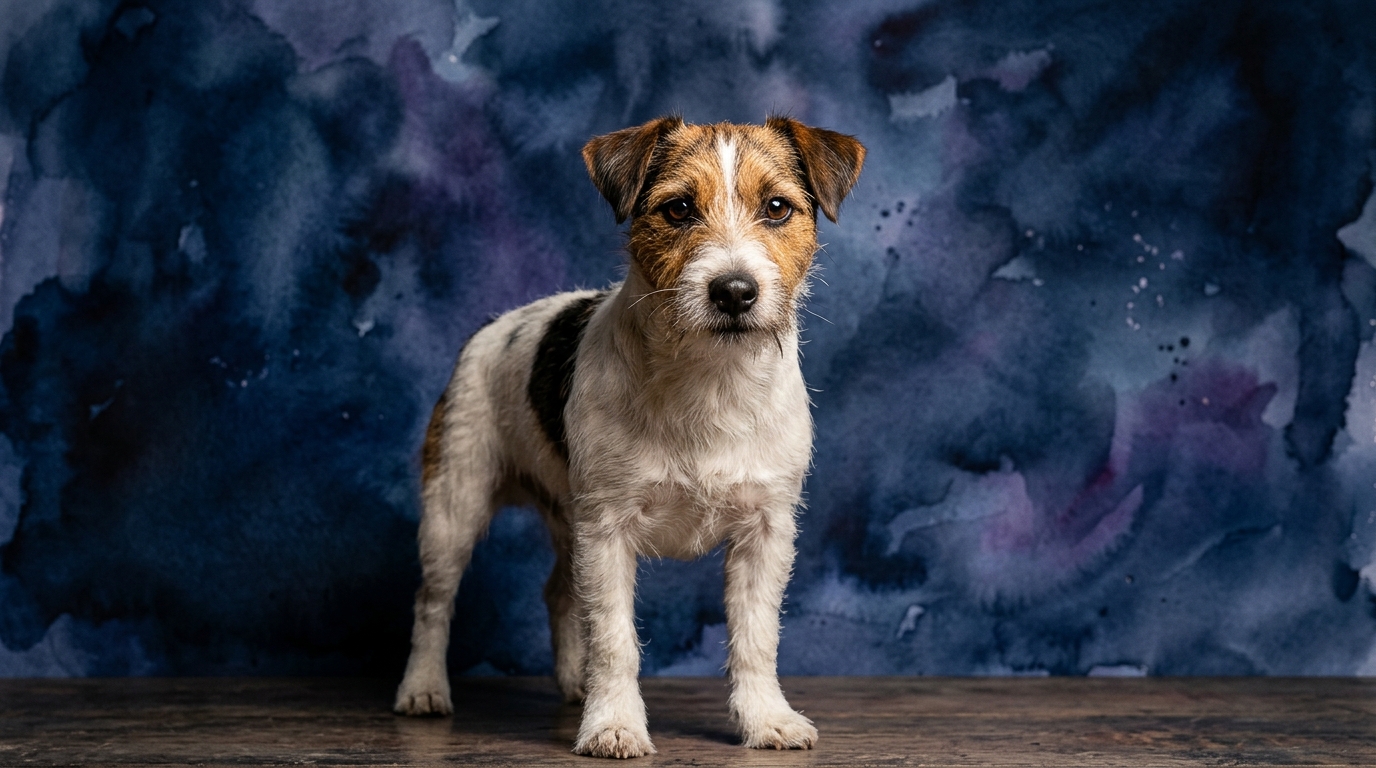
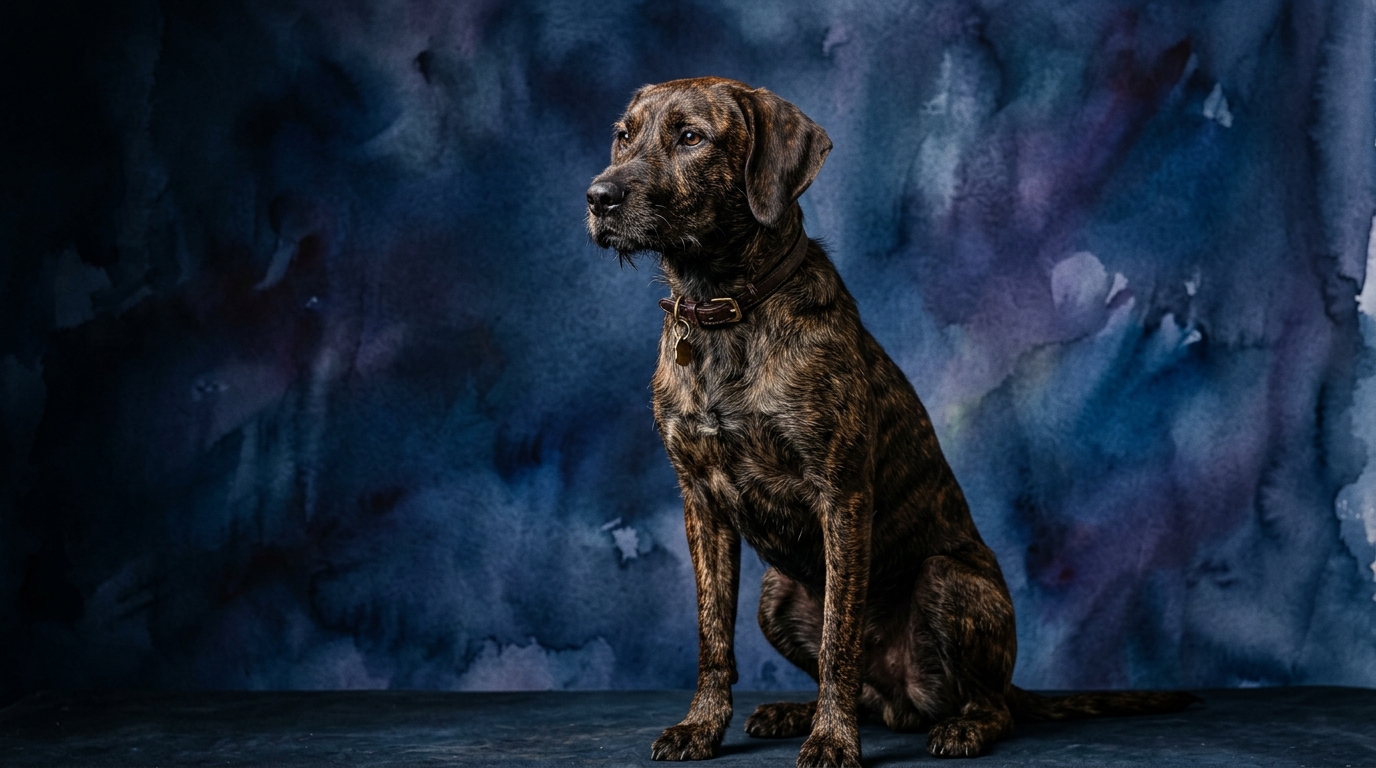
Side-by-Side IQ Profile: Jack Russell Terrier vs. Plott Hound
The Cosmic Pet Pet IQ Lab provides a unique framework for understanding canine cognition, breaking down intelligence into five key dimensions. For the Jack Russell Terrier, we observe a distinct profile: Problem Solving 5/5, Training Speed 3/5, Social Intelligence 3/5, Instinctive Drive 5/5, and Memory 4/5. This paints a picture of a resourceful, driven, and highly retentive breed.
In contrast, the Plott Hound exhibits a different cognitive emphasis: Problem Solving 3/5, Training Speed 3/5, Social Intelligence 3/5, Instinctive Drive 3/5, and Memory 3/5. While sharing some similarities in scores, the interpretation of these dimensions for a scent hound reveals a specialized form of intelligence geared towards their historical role.
For the Jack Russell Terrier, a 5/5 in Problem Solving signifies exceptional resourcefulness; they quickly analyze situations and devise strategies to achieve goals, whether it's outsmarting prey or opening a tricky latch. Their 3/5 Training Speed indicates they are capable learners, picking up commands at a moderate pace, but their independent spirit often means consistent compliance requires dedicated and engaging methods. Social Intelligence at 3/5 suggests they form strong bonds and understand human cues, but their primary focus often remains on their own objectives or environmental stimuli. An extremely high 5/5 Instinctive Drive fuels their relentless pursuit of small game, digging, and exploration, making this intrinsic motivation a powerful force in their behavior. Finally, their 4/5 Memory means they effectively retain learned commands, routines, and experiences, building upon past lessons and contributing to their overall adaptability.
The Plott Hound's 3/5 Problem Solving demonstrates practical ingenuity, particularly when tracking; they navigate challenging terrain and obstacles to follow a scent trail, but their cognitive approach is less about abstract puzzles and more about sequential, goal-oriented progression within their specialized domain. A 3/5 Training Speed, similar to the JRT, means they learn at a moderate pace, but their focus can be intensely directed by scent, making responsiveness variable based on environmental distractions. Their 3/5 Social Intelligence allows them to form connections and understand human cues, yet their attention is frequently tethered to their olfactory world, appearing less engaged in purely social interactions when a fascinating scent is present. The 3/5 Instinctive Drive in Plott Hounds is primarily centered on scent work, tracking, and trailing, a strong and specialized drive that makes them excellent at their intended purpose but less prone to generalized mischief. Their 3/5 Memory is functional, particularly for scent trails, familiar routes, and established routines, allowing them to remember their training and experiences, though perhaps not with the same depth for abstract concepts as breeds with higher memory scores.
Where the Jack Russell Terrier Wins Cognitively
The Jack Russell Terrier truly shines in its cognitive prowess, particularly in areas demanding independent thought and strategic action. Their problem-solving score of 5/5 is a testament to their exceptional ability to analyze situations, devise creative solutions, and manipulate their environment. This isn't just about learning tricks; it's about figuring out how to open a gate, retrieve a hidden toy from a complex setup, or even outmaneuver a perceived adversary.
This high problem-solving capacity is intimately linked to their equally formidable instinctive drive, also rated 5/5. They don't just react; they actively plan and execute based on their strong motivation to chase, dig, or explore. This combination makes them formidable in tasks requiring ingenuity and persistence, often surprising owners with their cleverness and determination.
Furthermore, their memory at 4/5 means they not only solve a problem but also retain the solution, applying it to similar future scenarios. This allows for cumulative learning and a sophisticated understanding of cause and effect, making them highly adaptable in their pursuit of goals. Owners often report their JRTs remembering specific routes, complex routines, or even patterns of human behavior, using this stored information to their advantage. Whether it's navigating an agility course with precision or remembering where a favorite toy was last hidden, their cognitive retention is a significant asset in their spirited approach to life.
Where the Plott Hound Wins Cognitively
While the Jack Russell Terrier excels in generalized problem-solving, the Plott Hound's cognitive strengths are deeply specialized and equally impressive within their domain. Their primary cognitive triumph lies in the sophisticated integration of their instinctive drive (3/5, but acutely focused on scent) with their problem-solving (3/5) and memory (3/5) specifically for tracking. A Plott Hound's brain is an olfactory supercomputer, capable of discerning, remembering, and following incredibly faint scent trails over vast and varied terrains.
Their 'problem-solving' manifests as navigating complex environments—crossing streams, climbing hills, or working through dense undergrowth—all while maintaining an unwavering focus on a specific scent. This requires immense mental stamina, spatial reasoning, and the ability to filter out countless environmental distractions, demonstrating a profound, dedicated intelligence. Their memory, rated 3/5, is particularly adept at storing a vast library of scent profiles and mapping complex routes, allowing them to retrace steps or recognize familiar areas based on smell alone.
This specialized intelligence isn't about opening latches; it's about solving the intricate puzzle of a lost trail, demonstrating an unparalleled tenacity and focus in their chosen field. They exhibit a profound understanding of their immediate environment through scent, interpreting subtle changes and making critical decisions based on olfactory data that is imperceptible to humans. This dedicated cognitive architecture makes them exceptional working partners for tasks requiring endurance and an unwavering nose, where general problem-solving might be less effective than specialized sensory processing.
Which is Easier to Train and Why
Both the Jack Russell Terrier and the Plott Hound share a training speed score of 3/5, indicating that neither is inherently 'easy' in the conventional sense, but for distinctly different reasons. The Jack Russell Terrier, with its 5/5 problem-solving and 5/5 instinctive drive, learns quickly what is asked but often decides whether or not to comply based on its own assessment of the situation or the presence of a more compelling distraction. Their independence and strong will mean that while they grasp commands rapidly, their execution can be inconsistent without extremely engaging and consistent reinforcement. They can become bored easily if training isn't stimulating, leading them to invent their own activities, which are often undesirable. Training a Jack Russell requires creativity, firm boundaries, and a deep understanding of how to channel their intense drive into productive outlets rather than suppressing it. For instance, teaching a 'stay' command might be understood quickly, but maintaining it when a squirrel darts by demands immense control and prior conditioning.
The Plott Hound, also at 3/5 for training speed, presents a different set of challenges. Their primary drive is scent, and once they are 'on' a trail, their focus becomes almost singular. While they are capable of learning basic obedience, their responsiveness can diminish significantly when their nose takes over, making recall particularly challenging in stimulating environments. Training a Plott Hound requires immense patience, understanding of their olfactory world, and often necessitates off-leash training in secure areas to manage their instinct to follow a scent. They are less likely to deliberately defy commands out of mischief, but rather become temporarily 'deaf' to them due to their overwhelming natural inclination.
Therefore, while a Jack Russell might challenge an owner with clever defiance and a need for constant mental engagement, a Plott Hound will challenge with intense, singular focus on a scent, requiring a different approach to management and recall. Neither breed is for the faint of heart, but the nature of their training challenges differs significantly, demanding tailored strategies from their human companions.
Which Suits Active Owners vs. Relaxed Owners
When considering an owner's lifestyle, both breeds demand a significant commitment to activity, though their needs diverge in nature. The Jack Russell Terrier is unequivocally suited for intensely active owners. Their combination of 5/5 problem-solving, 5/5 instinctive drive, and high energy levels means they require constant mental and physical engagement. A 'relaxed owner' will quickly find themselves with a bored, destructive, and potentially frustrated terrier. Jack Russells thrive with owners who enjoy activities like agility, earthdog trials, complex trick training, long runs, or extensive interactive play sessions. Their need for 'work' is intrinsic; without it, they are prone to digging, excessive barking, or finding creative ways to entertain themselves that often conflict with household rules. They require an owner who understands and can channel their relentless drive and sharp intellect into productive pursuits.
In contrast, the Plott Hound, while also requiring an active owner, presents needs that are more focused on endurance and scent work. They aren't typically suited for a 'relaxed owner' either, as their specialized instinctive drive for tracking necessitates long walks, hikes, or opportunities for scent-based activities. While they can be calm and affectionate indoors after sufficient exercise, their daily outdoor requirements are substantial. Owners who enjoy long-distance hiking, exploring wilderness trails, or engaging in scent work or tracking sports will find a Plott Hound a wonderful companion. Their activity isn't necessarily about high-intensity bursts like a JRT, but rather sustained effort and mental engagement through their nose.
Therefore, neither breed is a match for a truly relaxed, sedentary lifestyle; both require owners dedicated to fulfilling their specific, high-demand cognitive and physical needs to ensure their well-being and prevent behavioral issues arising from unfulfilled instincts.
The Verdict
Choose a Jack Russell Terrier if you are an experienced, highly active owner who thrives on channeling intense drive and a sharp, independent mind into structured activities like agility, earthdog, or complex obedience, and you enjoy a dog that constantly thinks and challenges you.
Opt for a Plott Hound if you are a patient, outdoors-loving individual who appreciates a dog with an unparalleled nose and endurance for long hikes, tracking, or scent work, and you can provide consistent, focused opportunities for them to engage their powerful olfactory instincts.
🧠 Find Your Pet's IQ Score
Our Pet IQ Lab assessment covers 25+ tests across 5 cognitive dimensions — personalized to your breed.
Take the Full IQ Test →Frequently Asked Questions
Are Jack Russell Terriers good family dogs?
Jack Russell Terriers can be wonderful family members for active households, but their high instinctive drive and moderate social intelligence mean they thrive with consistent boundaries and supervision, especially around very young children who might not understand their spirited play. Their need for mental and physical stimulation is paramount for a harmonious home life.
Do Plott Hounds bark a lot?
Plott Hounds do possess a typical "hound voice" and can be quite vocal, especially when on a scent or when they hear unfamiliar sounds. Their baying serves as communication during tracking, and this instinct can translate into regular barking or howling if not managed, particularly if they are bored or left alone for extended periods.
Which breed is better for apartment living?
Neither breed is ideally suited for apartment living without significant owner commitment. Both have high energy and activity needs; a Jack Russell Terrier might adapt if given multiple vigorous daily outings and mental challenges, but their barking and digging instincts can be problematic. A Plott Hound's need for space to roam and use its nose, combined with its vocal nature, makes apartment living particularly challenging.