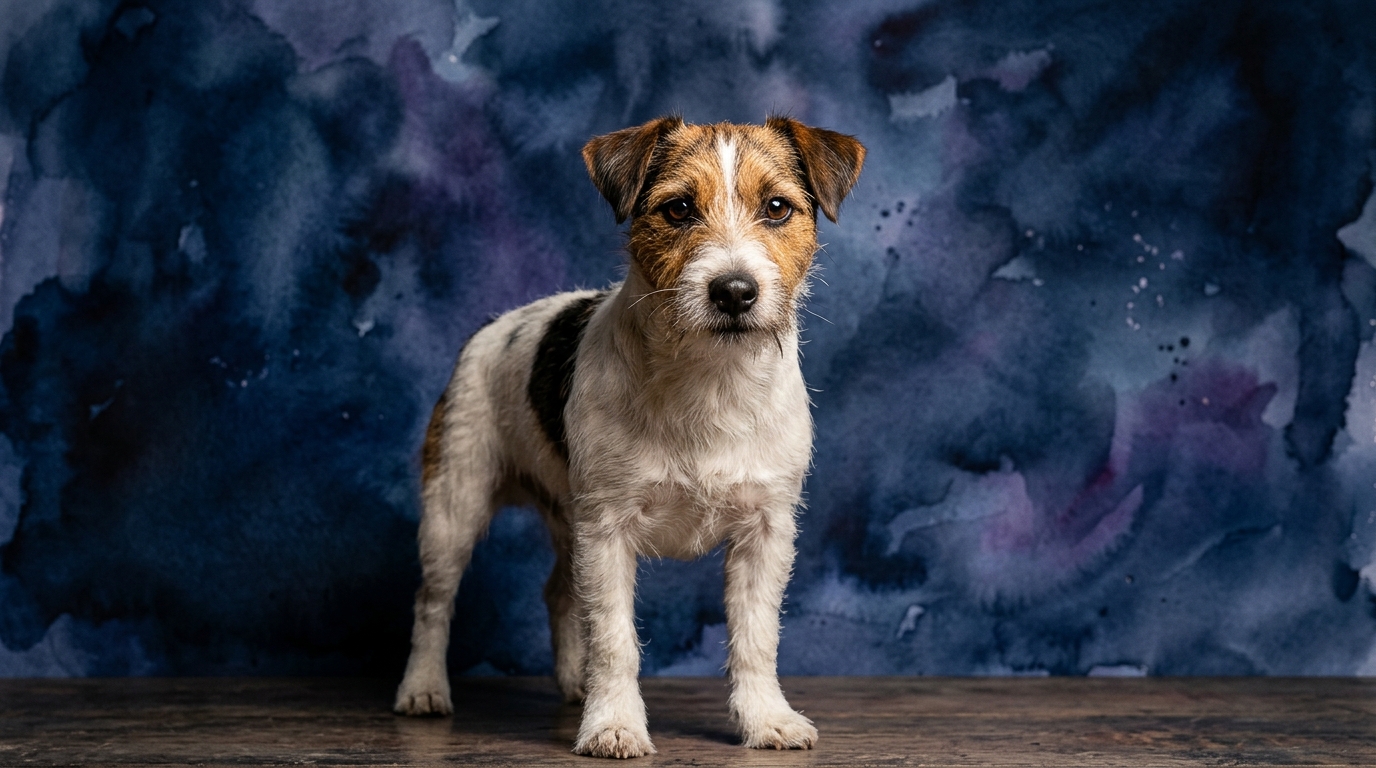
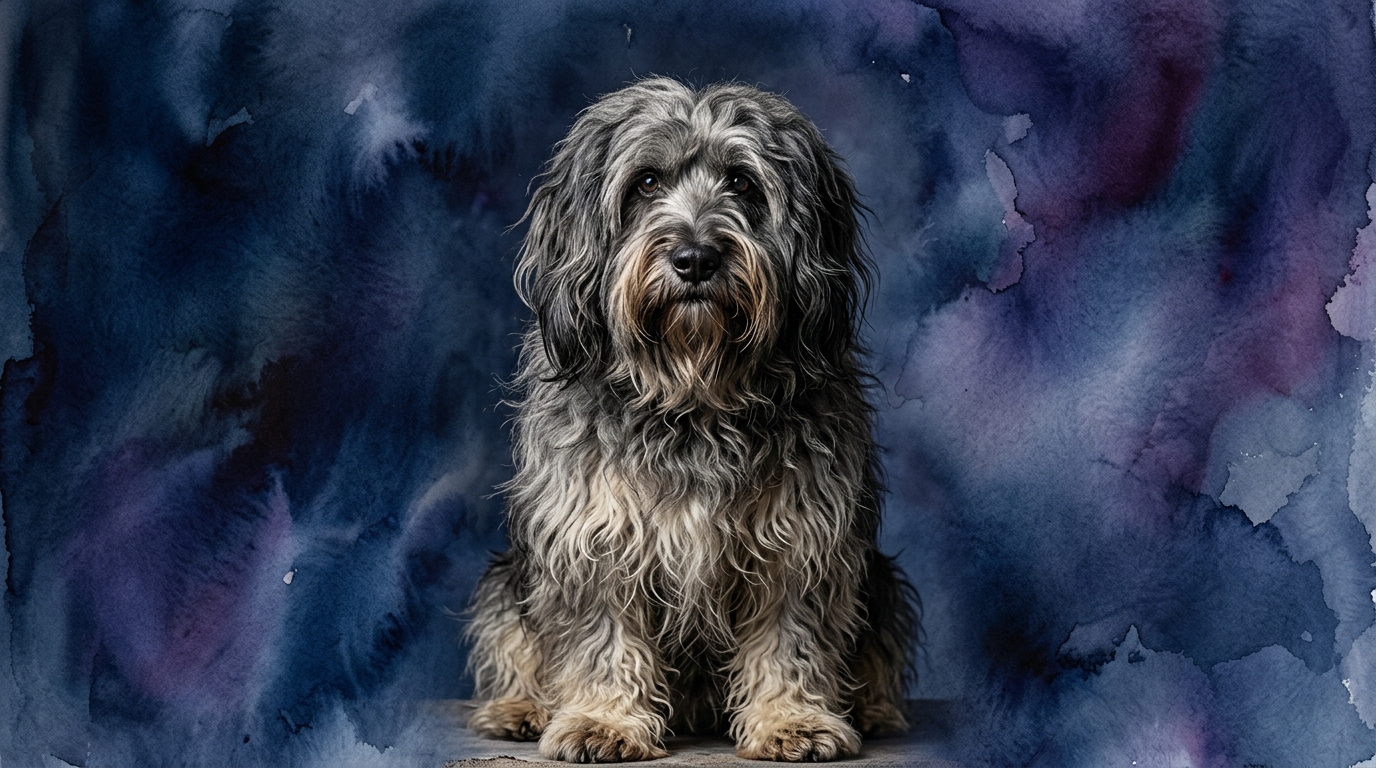
Side-by-Side IQ Profile
The Jack Russell Terrier, a small but mighty terrier, exhibits a striking cognitive profile. Their Problem Solving is rated a top-tier 5/5, indicating a profound capacity to figure out complex puzzles, navigate obstacles, and devise solutions to achieve their goals, often with a mischievous flair. Training Speed is a moderate 3/5, suggesting they grasp commands at an average pace, though their independent streak can sometimes influence application. Social Intelligence sits at 3/5, meaning they can read cues and interact appropriately within a social structure, but may not always prioritize group harmony over individual pursuits. Crucially, their Instinctive Drive is an exceptional 5/5, reflecting an intense, hardwired inclination for hunting, digging, and pursuing. Finally, their Memory is strong at 4/5, allowing them to retain learned behaviors and environmental information effectively over time.
The Polish Lowland Sheepdog presents a more uniformly moderate cognitive blueprint. Their Problem Solving is rated 3/5, demonstrating an adequate ability to tackle challenges, though perhaps not with the same inventive tenacity as the terrier. Training Speed, like the JRT, is 3/5, indicating they learn new tasks at a steady, average rate. Their Social Intelligence also registers at 3/5, signifying a comparable capacity for understanding social dynamics and engaging with others. Distinctly, their Instinctive Drive is 3/5, a balanced score that points to a present but not overwhelming drive for herding, guarding, or other inherent behaviors. Their Memory is also a steady 3/5, allowing them to recall information and experiences reliably, albeit perhaps not with the same depth as a JRT.
Where Jack Russell Terrier Wins Cognitively
The Jack Russell Terrier truly shines in its exceptional Problem Solving, rated 5/5. This isn't just about learning tricks; it's about an innate ability to reason through situations, often manifesting as clever strategies to reach a forbidden treat or escape a confined space. Their sharp minds are constantly assessing their environment for opportunities, making them formidable strategists in their own right. This cognitive strength, combined with a powerful 5/5 Instinctive Drive, means they possess an unparalleled determination to follow through on their perceived objectives, whether that's digging out a perceived rodent or retrieving a tossed ball from an impossible location. This terrier’s memory, at 4/5, further supports their problem-solving prowess, enabling them to recall successful tactics and apply them to new, similar scenarios. For an owner who relishes engaging with a dog that thinks independently and creatively, the JRT's cognitive profile offers constant mental stimulation and challenge, making every interaction an opportunity for observation and engagement. Their quick cognitive processing allows them to adapt rapidly to changing dynamics, making them excellent companions for dynamic activities where quick decisions are paramount.
Where Polish Lowland Sheepdog Wins Cognitively
While the Jack Russell Terrier's scores lean towards intense specialization, the Polish Lowland Sheepdog's cognitive strengths lie in its balanced and adaptable profile, particularly its moderate Instinctive Drive of 3/5. Unlike the JRT's overwhelming prey drive, the PLS's inherent herding tendencies are present but more manageable, making them less prone to bolt after every squirrel or dig up an entire garden in pursuit of an underground scent. This balanced drive can translate into a more predictable companion for many households. Their 3/5 Social Intelligence, on par with the JRT, ensures they are capable of understanding and navigating complex social structures, whether within a family unit or among other animals. The Polish Lowland Sheepdog's herding background also imbues them with a different kind of cognitive strength: an inherent awareness of their surroundings and the movement of others, a spatial reasoning skill that might not be captured solely by "problem solving" in a terrier context. Their consistent 3/5 across most cognitive dimensions suggests a robust and well-rounded intellect, capable of learning and adapting without the intensity that can sometimes accompany extreme scores. This moderation can be a significant advantage for owners seeking a companion whose cognitive demands are present but not overwhelming, offering a steady and reliable intellectual presence rather than a constantly challenging one.
Which is Easier to Train and Why
Comparing the training ease between a Jack Russell Terrier and a Polish Lowland Sheepdog reveals nuances beyond their identical 3/5 Training Speed scores. Both breeds will grasp commands at a moderate pace, but their underlying cognitive profiles dictate how that training manifests and how consistent their responses will be. The Jack Russell Terrier, with its exceptional 5/5 Problem Solving and 5/5 Instinctive Drive, often presents a unique training challenge. While they learn quickly, their acute ability to figure things out means they can also creatively circumvent rules or find loopholes if the motivation is high enough. Their strong drive means they are highly motivated by their instincts, and redirecting that intense focus requires consistent, engaging, and often innovative training methods. They might learn a "stay" command rapidly, but their strong memory (4/5) combined with their problem-solving capacity might lead them to test boundaries if an opportunity arises.
The Polish Lowland Sheepdog, despite the same 3/5 Training Speed, offers a different training experience due to its more moderate 3/5 Problem Solving and 3/5 Instinctive Drive. While they may not pick up new concepts faster than a JRT, their more balanced drives mean they are generally less inclined to challenge authority or pursue independent agendas with the same ferocity. Their inherent desire to work with their handler, typical of herding breeds, can make them highly receptive to guidance once a bond is established. Training a PLS often involves building trust and providing clear, consistent commands, and they are less likely to "outsmart" their owner's intentions. Their moderate memory (3/5) means they retain information well enough for consistent training without the added layer of remembering every past success in rule-bending. Therefore, while both require dedication, the PLS might be perceived as "easier" to train for owners who prefer a more compliant and less independently driven cognitive partner, whereas the JRT demands an owner who enjoys the intellectual sparring and creative redirection required to channel its formidable mental energy.
Which Suits Active Owners vs Relaxed Owners
The cognitive profiles of the Jack Russell Terrier and Polish Lowland Sheepdog strongly suggest different ideal ownership styles. For the highly active owner, the Jack Russell Terrier is an an excellent match. Their 5/5 Problem Solving and 5/5 Instinctive Drive demand constant mental and physical engagement. These dogs thrive on activities that challenge their quick wits and allow them to express their inherent drives, such as complex agility courses, earthdog trials, extensive scent work, or long, varied hikes. An owner who can provide structured "work" for their terrier's mind and body will find them an exhilarating companion. Without sufficient outlets for their cognitive energy and physical drive, a JRT can quickly become bored and channel their problem-solving skills into undesirable behaviors like digging, barking, or escaping.
Conversely, the Polish Lowland Sheepdog, with its more moderate 3/5 Instinctive Drive and 3/5 Problem Solving, can be a better fit for owners who are active but perhaps not seeking the same level of intense, relentless engagement. While they are herding dogs and appreciate regular exercise, including long walks, hikes, and opportunities for mental stimulation through training or puzzle toys, their needs are generally less extreme than the JRT's. A PLS will enjoy participating in family activities and learning new things, but they are also often content to relax by their owner's side after a good exercise session. Their cognitive profile suggests a dog that appreciates routine and companionship, without the constant need to be "doing" or "solving" something. They suit owners who can provide consistent moderate activity and mental enrichment, but also value a calmer presence in the home for periods of relaxation.
The Verdict
Choose the Jack Russell Terrier if you are an active, experienced owner who relishes a dog with exceptional problem-solving abilities and an intense, unwavering drive, ready to provide consistent mental and physical challenges.
Choose the Polish Lowland Sheepdog if you appreciate a balanced, adaptable companion with moderate drives and a steady cognitive profile, offering a devoted presence that thrives on consistent activity and companionship without extreme demands.
🧠 Find Your Pet's IQ Score
Our Pet IQ Lab assessment covers 25+ tests across 5 cognitive dimensions — personalized to your breed.
Take the Full IQ Test →Frequently Asked Questions
Do Jack Russell Terriers always try to outsmart their owners?
Jack Russell Terriers possess a 5/5 problem-solving capacity, meaning they are adept at finding solutions to challenges. This can sometimes manifest as creatively navigating rules or finding ways to achieve their desires, so consistent training and management are key.
Is the Polish Lowland Sheepdog a good choice for first-time dog owners?
The Polish Lowland Sheepdog's balanced cognitive profile and moderate drives (all 3/5) can make them a manageable choice for dedicated first-time owners who are committed to consistent training and providing adequate exercise and mental stimulation.
How do the instinctive drives of these two breeds differ in daily life?
The Jack Russell Terrier's 5/5 instinctive drive translates to a strong prey drive and high energy, often leading to digging or chasing. The Polish Lowland Sheepdog's 3/5 drive is more moderate, focusing on herding tendencies and vigilance, generally resulting in less intense pursuit behaviors.