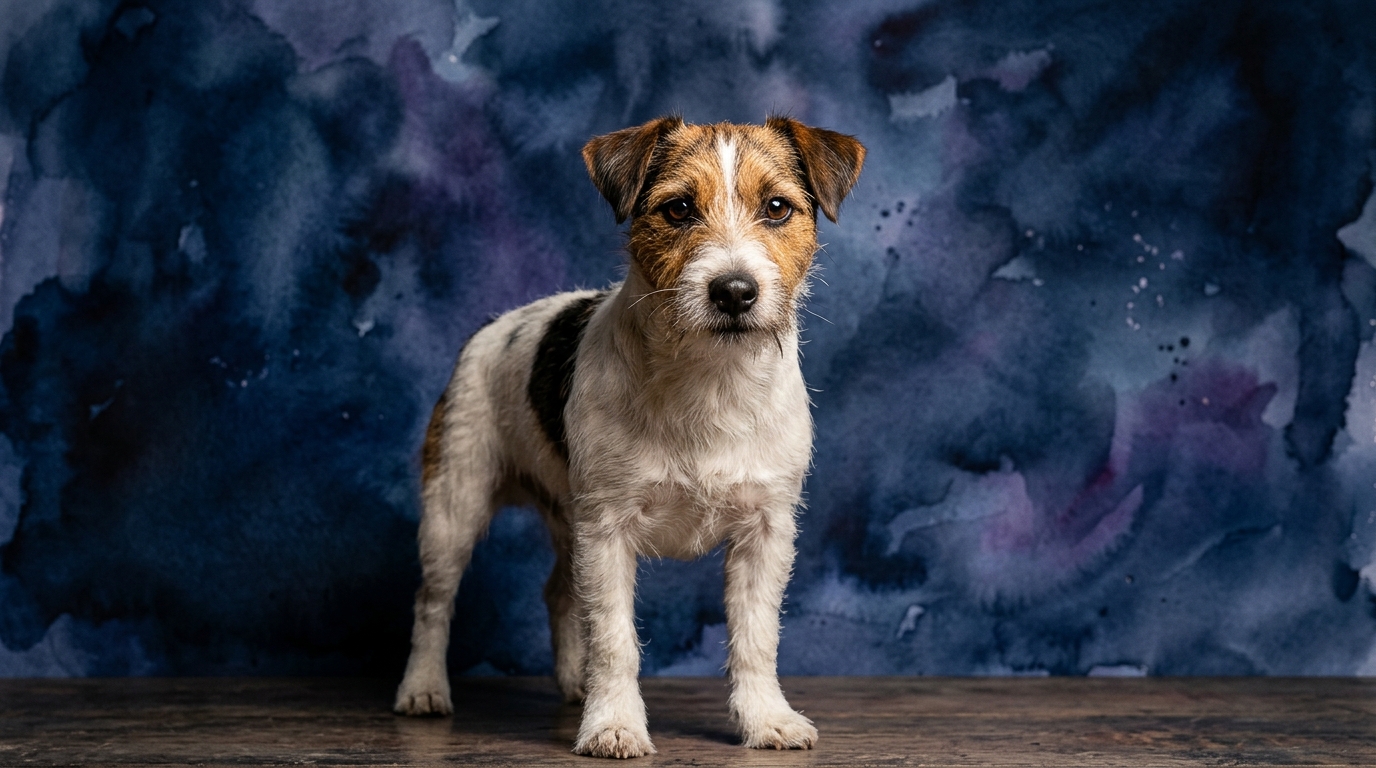
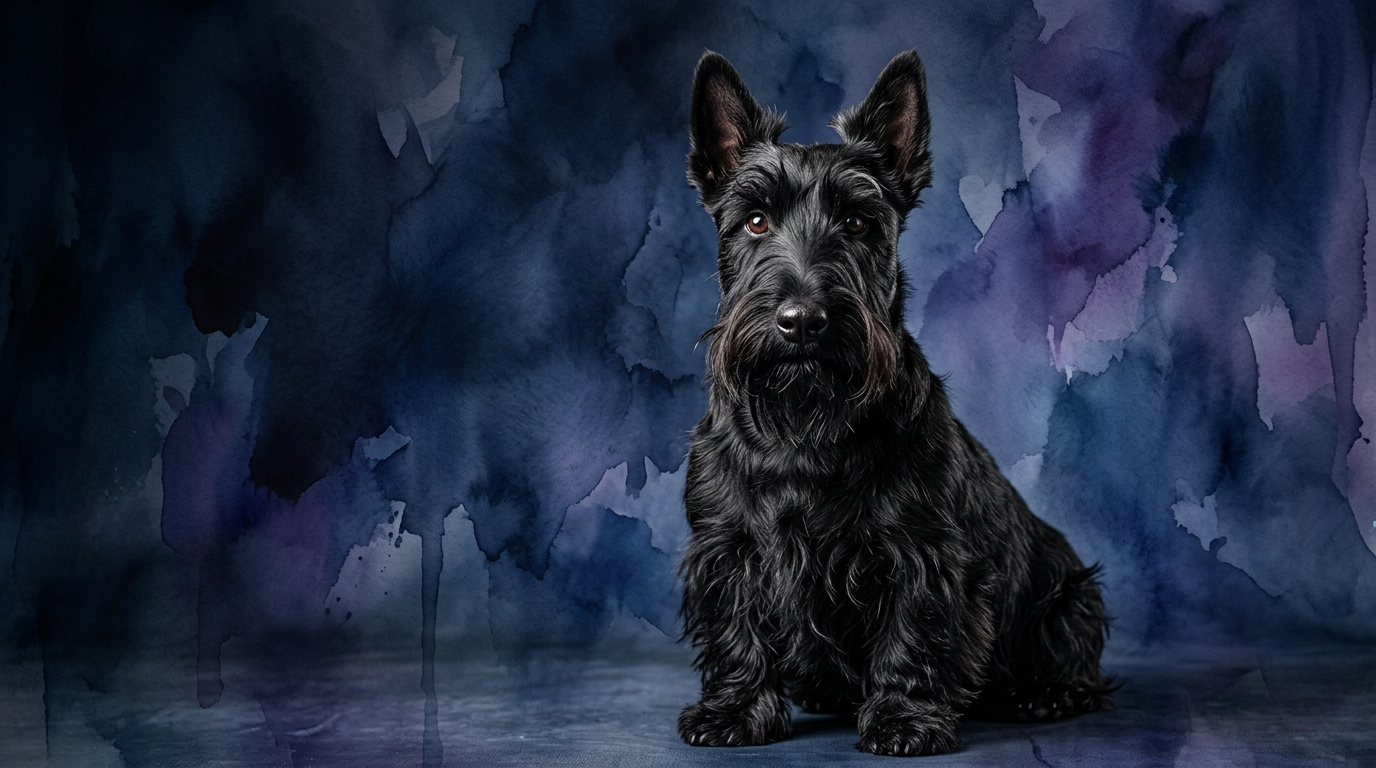
Side-by-Side IQ Profile: Jack Russell vs. Scottish Terrier
The Cosmic Pet Pet IQ Lab data offers a detailed lens into the cognitive abilities of the Jack Russell Terrier and the Scottish Terrier, highlighting their individual strengths across five crucial dimensions. For the Jack Russell Terrier, problem-solving is rated an exceptional 5/5, indicating remarkable ingenuity in navigating challenges and devising solutions. Their instinctive drive also scores a powerful 5/5, reflecting a deep-seated urge for hunting, digging, and exploration. Memory is strong at 4/5, allowing for good retention of experiences and learned behaviors. Both training speed and social intelligence are moderate at 3/5, suggesting they learn at a steady pace and engage socially without being overly people-focused.
In contrast, the Scottish Terrier presents a more balanced profile with all five dimensions rated 3/5. This includes problem-solving, training speed, social intelligence, instinctive drive, and memory. While still capable, these scores indicate a more straightforward approach to challenges, a moderate pace for learning and retention, a reserved social interaction style, and a less intense expression of their innate terrier drives. Notably, the Jack Russell is not Coren-ranked, while the Scottish Terrier holds a Coren rank of #65, suggesting a distinction in their historical classification for obedience potential.
Where the Jack Russell Terrier Excels Cognitively
The Jack Russell Terrier's cognitive profile paints a picture of a dog driven by a potent combination of mental agility and primal instinct. Their outstanding 5/5 problem-solving ability means they are constantly assessing their environment, finding creative ways to achieve goals, whether escaping a yard or retrieving a hidden toy. This isn't just about learning tricks; it's about genuine cognitive flexibility and strategic thinking. Coupled with a powerful 5/5 instinctive drive, they excel in tasks requiring sustained focus and determination, such as agility or scent work, where their innate prey drive is channeled productively. Their 4/5 memory ensures that successful strategies or desired behaviors are firmly etched into their minds, allowing them to build upon past experiences efficiently. This potent mental toolkit makes them incredibly engaging companions for owners who appreciate a dog with a sharp, active mind that thrives on intellectual engagement and purpose-driven activities.
Where the Scottish Terrier Finds Its Cognitive Niche
While the Jack Russell Terrier shines with explosive cognitive prowess, the Scottish Terrier's distinct mental makeup offers a different kind of advantage, particularly for owners seeking a more predictable and less intensely driven companion. Their 3/5 instinctive drive means that while they retain the terrier's characteristic tenacity for digging or chasing, these urges are generally less overwhelming and easier to manage than the Jack Russell's relentless pursuit. This moderated drive translates into a dog that, while still spirited, is less likely to constantly seek out high-octane activities or attempt elaborate escapes. The Scottie's 3/5 problem-solving and memory scores suggest a dog less prone to devising complex schemes or remembering every single loophole in household rules, leading to fewer instances of 'clever' mischief. This cognitive profile lends itself to a more placid domestic presence, where their independence manifests as quiet self-assurance rather than a constant quest for mental stimulation demanding an owner's full engagement. Their Coren rank of #65, though not an IQ score, reflects a capacity for obedience learning that, combined with their more contained drives, can result in a reliably trained companion who respects boundaries without constantly pushing them.
Trainability: Which Breed is Easier and Why?
When considering ease of training, both the Jack Russell Terrier and the Scottish Terrier are rated 3/5 for training speed, indicating they learn at a moderate pace. However, this shared score belies significant differences in their overall trainability, influenced by other cognitive dimensions. The Jack Russell's exceptional 5/5 problem-solving ability and formidable 5/5 instinctive drive mean that while they grasp commands, they constantly evaluate if complying serves their own immediate goals. A Jack Russell might quickly understand 'stay' but swiftly calculate if a squirrel offers a more compelling reward. Their high drive demands consistent, engaging, and often creative training methods to keep their sharp minds occupied, preventing boredom-induced mischief. They thrive on challenges and can quickly outsmart an uninspired trainer.
In contrast, the Scottish Terrier, with its 3/5 problem-solving and 3/5 instinctive drive, presents a different training dynamic. While they possess classic terrier stubbornness and reserved independence, their drives are less intense, and their problem-solving less geared towards outmaneuvering their handler. A Scottie might be slower to respond due to a strong will, but once they understand and accept a command, they are generally more reliable in executing it, less likely to improvise. Their training benefits from patience and positive reinforcement, focusing on building trust rather than constantly channeling an overflowing wellspring of energy. Therefore, while both require dedication, the Jack Russell often demands a more astute and proactive trainer prepared to manage a highly active and cognitively flexible mind, making the Scottish Terrier, despite its own stubborn streak, potentially easier for owners seeking a more straightforward training journey.
Matching Breeds to Owner Lifestyles: Active vs. Relaxed
The cognitive profiles of these two terriers clearly delineate their suitability for different owner lifestyles. The Jack Russell Terrier, with its 5/5 instinctive drive, 5/5 problem-solving, and 4/5 memory, is unequivocally suited for active owners. These dogs thrive when given significant mental and physical outlets for their abundant energy and sharp intellect. They need consistent engagement through activities like agility, flyball, scent work, or extensive walks and play sessions that challenge both body and mind. An owner who enjoys hiking, running, or dedicating time to advanced training and dog sports will find a Jack Russell an exhilarating and rewarding companion. Their capacity for mischief, born from their problem-solving prowess and drive, means they can become destructive or excessively vocal if under-stimulated.
Conversely, the Scottish Terrier, with its more moderate 3/5 instinctive drive, 3/5 problem-solving, and 3/5 memory, is a better fit for owners who appreciate a more relaxed pace. While still needing daily walks and mental enrichment, a Scottie is generally content with moderate exercise and less demanding interactive play. They enjoy lounging by their owner's side, observing their surroundings with a dignified air, and are less prone to creating their own 'entertainment' through destructive means if not constantly stimulated. Their reserved social intelligence means they are affectionate but not clingy, making them excellent companions for individuals or families who prefer a dog with a strong personality but a calmer demeanor, allowing for a more relaxed home environment without the constant need for high-octane engagement.
The Verdict
Choose a Jack Russell Terrier if you are an experienced, active owner seeking a highly engaged and intellectually demanding companion who thrives on complex challenges and intense physical activity.
Opt for a Scottish Terrier if you prefer a dignified, independent companion with a strong personality, requiring moderate activity and a more predictable, calmer presence in the home.
🧠 Find Your Pet's IQ Score
Our Pet IQ Lab assessment covers 25+ tests across 5 cognitive dimensions — personalized to your breed.
Take the Full IQ Test →Frequently Asked Questions
Are Jack Russells good apartment dogs?
While small, their 5/5 instinctive drive and problem-solving mean Jack Russells need significant mental and physical exercise daily to prevent boredom and destructive behaviors. An apartment can work if owners commit to extensive outdoor activities and stimulating indoor play.
Do Scottish Terriers get along with other pets?
Scottish Terriers can coexist with other pets, but their terrier instincts and independent nature mean careful introductions and supervision are crucial. Their 3/5 social intelligence suggests they prefer a calm environment and may tolerate, rather than actively seek, extensive interaction with other animals.
What kind of mental stimulation do Scottish Terriers need?
Scottish Terriers benefit from regular mental enrichment, such as puzzle toys, scent games, and consistent training sessions that challenge their 3/5 problem-solving and memory. While not as intense as some breeds, daily mental engagement prevents boredom and reinforces their learning.