Side-by-Side IQ Profile: Unpacking Cognitive Dimensions
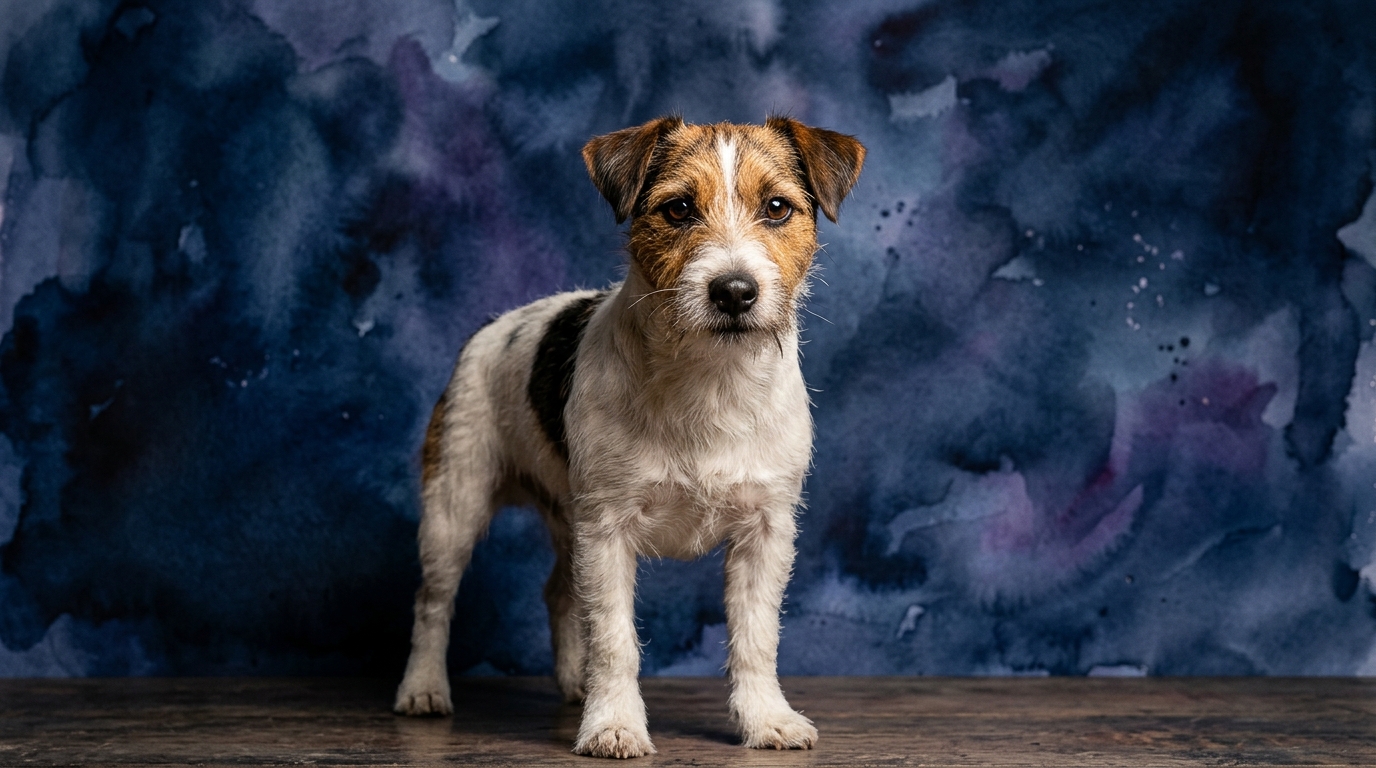
The Cosmic Pet Pet IQ Lab employs a multi-dimensional approach to evaluating canine intelligence, moving beyond singular metrics to capture a more nuanced understanding of a breed's cognitive capabilities. For the Jack Russell Terrier, its profile is a testament to its working heritage: problem-solving scores a perfect 5/5, indicating an exceptional ability to independently figure out solutions and navigate complex situations. Its training speed, however, registers at a moderate 3/5, suggesting that while capable of learning, their independent spirit often requires more creative motivation and consistent repetition. Social intelligence is also a 3/5, meaning they understand human cues but may prioritize their own agenda over constant compliance. A formidable 5/5 in instinctive drive highlights their powerful urge to hunt, chase, and dig, a core component of their cognitive makeup. Memory is a solid 4/5, allowing them to retain learned behaviors and experiences effectively.
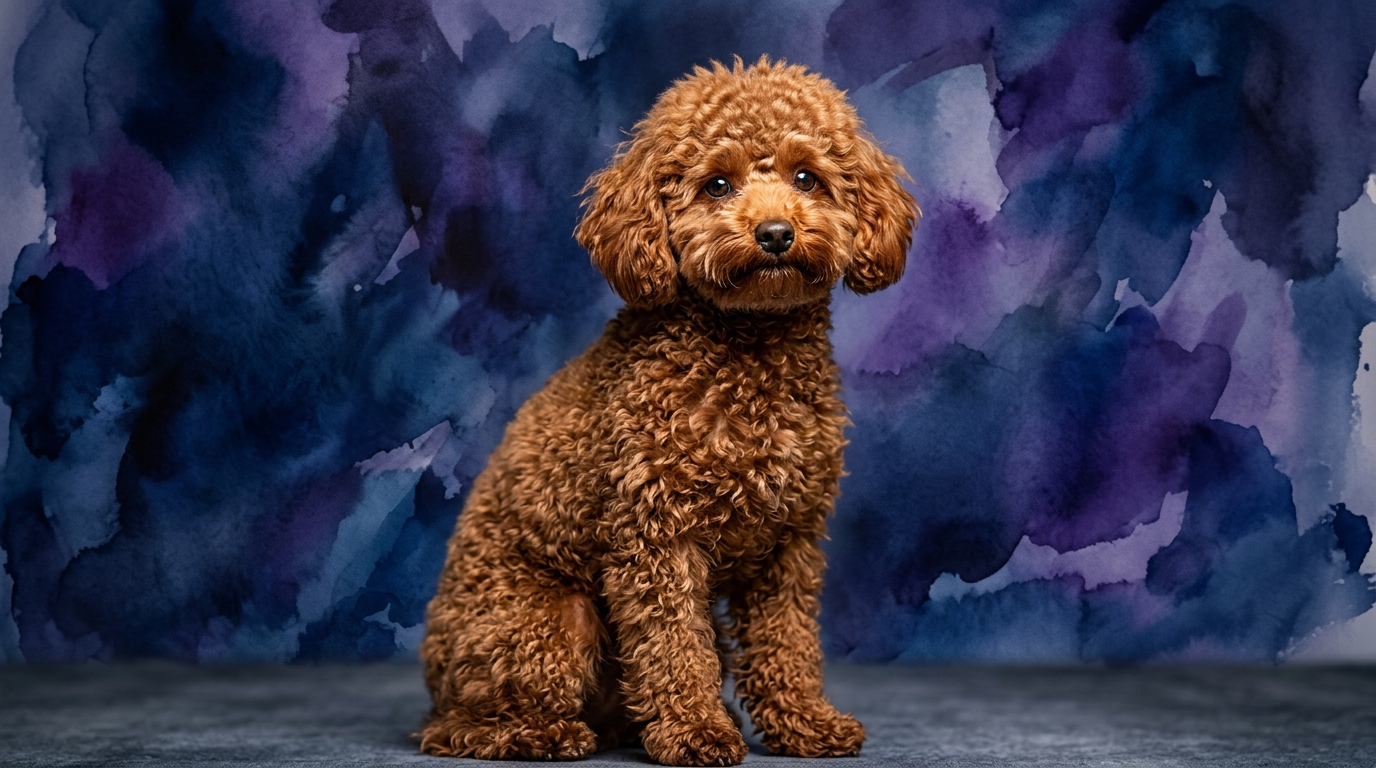
In contrast, the Toy Poodle presents a different yet equally impressive cognitive blueprint. Like the Jack Russell, its problem-solving ability also earns a top score of 5/5, showcasing a capacity for complex thought and puzzle-solving. Where the Toy Poodle truly shines is in its training speed, achieving a perfect 5/5; this reflects their rapid grasp of new commands and an eagerness to please that streamlines the learning process. Social intelligence mirrors the Jack Russell at 3/5, indicating an understanding of human interaction without being overly deferential. Its instinctive drive is a moderate 3/5, present but less intense than the terrier's relentless pursuit. The Toy Poodle excels in memory with a 5/5 score, demonstrating outstanding retention of routines, commands, and past lessons. Notably, the Toy Poodle holds a Coren rank of #2, placing it among breeds that consistently perform exceptionally well in adaptive learning and obedience tasks, a testament to its comprehensive cognitive prowess.
Where the Jack Russell Terrier Wins Cognitively
The Jack Russell Terrier's cognitive advantages are deeply rooted in its original purpose: a small, yet formidable hunting dog. Its perfect 5/5 score in problem-solving means these dogs are master strategists when faced with a challenge. If there's a perceived barrier between them and a desired object – be it a hidden treat, a perceived pest, or an escape route – a Jack Russell will meticulously work through various approaches until it achieves its goal. This isn't just about simple tasks; it extends to understanding mechanics, leveraging environmental factors, and persistent experimentation. They are the independent thinkers of the canine world, often preferring to devise their own solutions rather than waiting for human instruction.
Complementing this problem-solving prowess is their unparalleled 5/5 instinctive drive. This isn't merely about boundless energy; it's a powerful cognitive engine that fuels their focus and determination. This drive means a Jack Russell can sustain intense concentration on a task, whether it's tracking a scent, engaging in a retrieve, or navigating an agility course, for extended periods. Their drive to explore, dig, and chase is not just a physical urge but a deeply ingrained cognitive program that influences their perception of the world and their decision-making. For owners who can channel this powerful drive into constructive activities like earthdog trials, barn hunt, or advanced scent work, the Jack Russell's cognitive gifts truly come alive, demonstrating a relentless and focused intellect.
Where the Toy Poodle Wins Cognitively
The Toy Poodle's cognitive strengths lie in its exceptional adaptability and capacity for complex learning, underscored by its impressive 5/5 training speed and 5/5 memory. This breed's ability to rapidly acquire new commands and behaviors is remarkable, making it a favorite for diverse dog sports and advanced obedience work. They don't just learn quickly; they seem to actively seek out opportunities to engage their minds, processing information efficiently and linking actions to consequences with impressive speed. This quick uptake means less repetition is needed during training sessions, allowing for a broader and more sophisticated repertoire of skills to be developed.
Furthermore, the Toy Poodle's perfect 5/5 memory ensures that once a lesson is learned, it's rarely forgotten. This long-term retention is crucial for building on foundational commands, mastering intricate sequences in sports like agility or freestyle, and maintaining reliable behavior over time. Their memory contributes to their consistency and reliability, making them highly predictable companions once trained. The Toy Poodle's Coren rank of #2 further solidifies its position as a breed with superior working and obedience intelligence. This ranking reflects their overall comprehension of human instruction, their ability to solve novel problems presented by an instructor, and their consistent performance in structured learning environments, signifying a comprehensive cognitive package that thrives on engagement and structure.
Which is Easier to Train and Why?
When it comes to ease of training, the Toy Poodle generally holds an advantage due to its 5/5 training speed compared to the Jack Russell Terrier's 3/5. The Toy Poodle's inherent eagerness to please and its rapid cognitive processing allow it to grasp new concepts and commands with remarkable efficiency. They often find joy in the training process itself, actively participating and readily offering behaviors that earn positive reinforcement. This makes them highly responsive to positive training methods, where consistency and clear communication quickly yield results across a wide range of commands, from basic obedience to complex tricks.
The Jack Russell Terrier, while certainly capable of learning, can present a more challenging training experience due to its independent nature and powerful 5/5 instinctive drive. Their problem-solving skills (5/5) often mean they're thinking for themselves, which can sometimes translate to a perceived 'stubbornness' if their priorities don't align with the owner's. Their strong drive to hunt and explore can make recall or staying focused on a task difficult in distracting environments. Training a Jack Russell requires exceptional consistency, creativity, and a deep understanding of their terrier motivations. Owners must often make training more engaging and rewarding than the allure of chasing a squirrel or digging a hole, redirecting their natural instincts into productive channels rather than trying to suppress them.
Which Suits Active Owners vs. Relaxed Owners?
For owners seeking an active, engaged companion who thrives on intense physical and mental challenges, the Jack Russell Terrier is an excellent match. Its 5/5 instinctive drive and 5/5 problem-solving abilities mean this breed requires significant daily stimulation to prevent boredom and destructive behaviors. They are not content with short strolls or being left alone for extended periods; they crave purpose, exploration, and opportunities to use their sharp minds and keen senses. Owners who enjoy activities like hiking, running, agility, earthdog trials, or advanced scent work will find a Jack Russell to be an enthusiastic and tireless partner, ready for any adventure. Their cognitive makeup demands an owner who can consistently provide outlets for their boundless energy and independent intellect.
The Toy Poodle, while also benefiting from regular activity and mental engagement, offers more versatility, making it suitable for a broader range of owners. Its 5/5 training speed and 5/5 memory mean it excels in dog sports and obedience, making it a fantastic companion for active owners who enjoy structured activities like agility, rally, or competitive obedience. However, its moderate 3/5 instinctive drive also means it can adapt well to a slightly less demanding lifestyle, provided its cognitive needs are met through regular training sessions, puzzle toys, and interactive play within the home. They thrive on companionship and mental engagement rather than purely physical exertion, making them a good fit for owners who appreciate a dog that is equally happy learning new tricks indoors as it is going for a brisk walk, or even for those who prefer a more relaxed pace but are committed to consistent mental stimulation and companionship.
The Verdict
Choose a Jack Russell Terrier if you are an experienced, active owner dedicated to channeling intense instinctive drives and independent problem-solving into structured, engaging activities.
Opt for a Toy Poodle if you seek a highly trainable, intelligent companion eager to learn, adaptable to various lifestyles, and capable of excelling in diverse mental challenges with remarkable memory.
🧠 Find Your Pet's IQ Score
Our Pet IQ Lab assessment covers 25+ tests across 5 cognitive dimensions — personalized to your breed.
Take the Full IQ Test →Frequently Asked Questions
Are Jack Russell Terriers difficult to live with due to their high instinctive drive?
Jack Russell Terriers possess a powerful 5/5 instinctive drive, which can manifest as persistent chasing, digging, or barking if not properly managed. With consistent training, ample mental and physical exercise, and clear boundaries, these drives can be channeled into productive activities, making them rewarding companions.
Does the Toy Poodle's Coren ranking mean it's 'smarter' than a Jack Russell Terrier?
The Toy Poodle's Coren rank of #2 reflects its superior adaptive and working intelligence, particularly in learning from humans and performing obedience tasks quickly and consistently. While the Jack Russell excels in independent problem-solving and instinctive drives, the Poodle's ranking highlights its overall amenability to structured learning and communication with people.
How do their social intelligence scores of 3/5 impact their interaction with families?
A 3/5 social intelligence score for both breeds indicates they understand human cues but may not always prioritize constant validation or compliance over their own interests. Both breeds are capable of forming strong bonds and being affectionate family members, but they benefit from early socialization and consistent training to ensure they integrate smoothly into a household and respect boundaries.