Side-by-Side IQ Profile
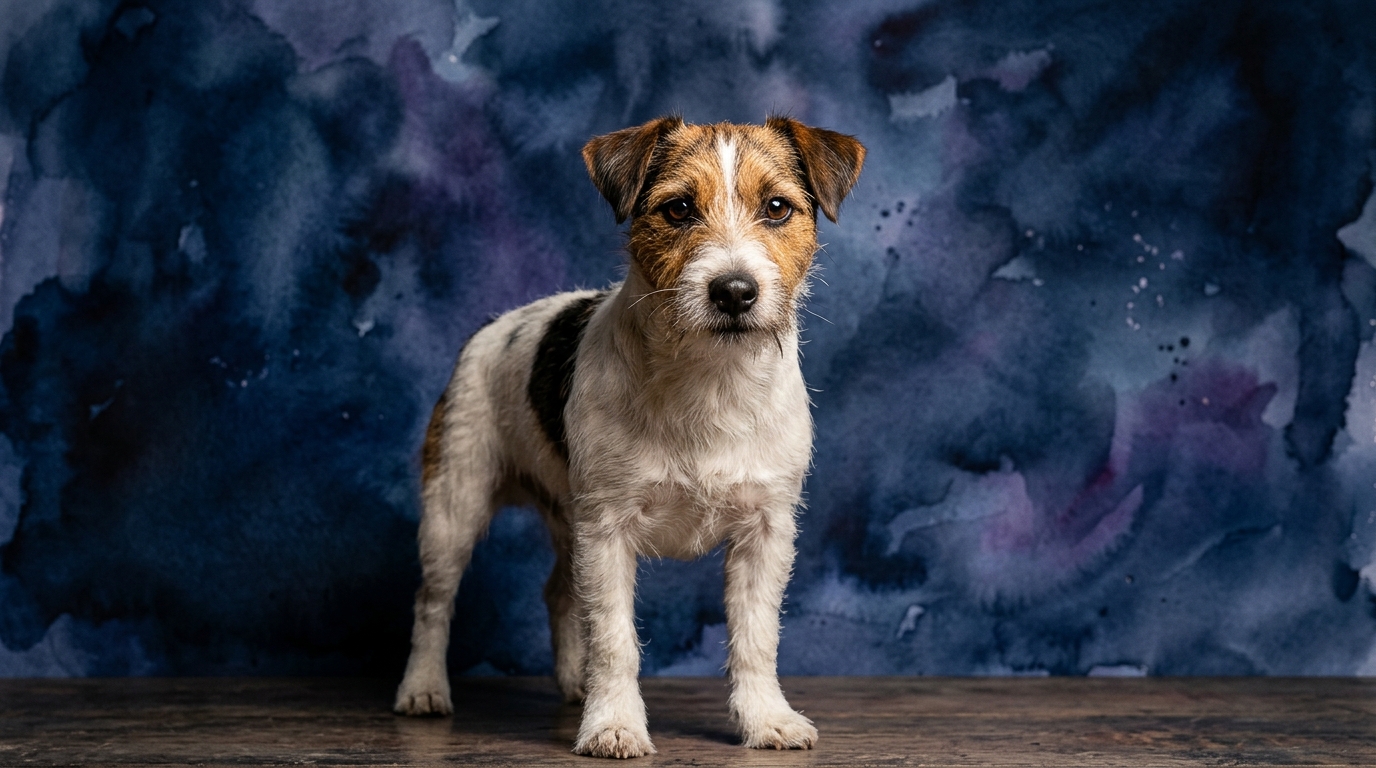
The Cosmic Pet Pet IQ Lab employs a five-dimensional framework to assess canine cognition, offering a granular view beyond generic labels. For the Jack Russell Terrier, we observe exceptional problem-solving capabilities, rated at a perfect 5/5. This signifies innate ingenuity, a knack for figuring out complex situations or obstacles with remarkable speed and often, a touch of mischievous cleverness. Their training speed is a solid 3/5, indicating they grasp new commands readily, but their independent spirit can challenge consistent execution. Social intelligence also stands at 3/5; while adaptable, they often prefer to operate on their own terms rather than seeking constant human direction. A powerful instinctive drive, rated 5/5, fuels their relentless pursuit of tasks, making them incredibly tenacious. Finally, their memory is strong at 4/5, enabling them to recall routines, learned behaviors, and experiences with clarity.
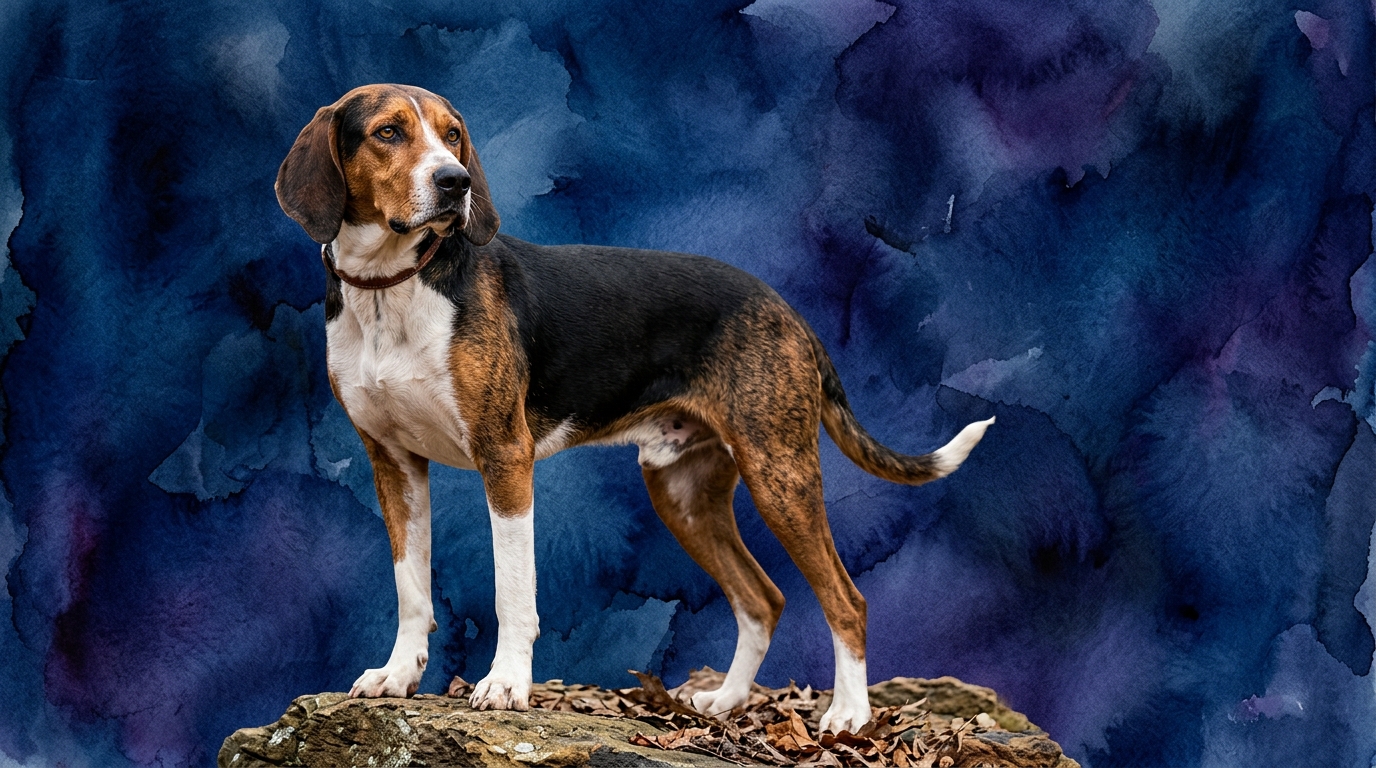
The Treeing Walker Coonhound presents a different cognitive landscape. Their problem-solving is rated 3/5, indicating a methodical approach, often relying on their primary sense of smell rather than abstract reasoning. They excel at deciphering complex scent puzzles over long distances. Training speed also registers at 3/5; they learn effectively through consistent repetition, yet their powerful scent drive can easily divert their attention. Social intelligence is 3/5, reflecting a generally friendly and pack-oriented disposition, but their focus often shifts to environmental exploration rather than intricate social cues. Their instinctive drive, rated 3/5, is characterized by sustained persistence in tracking. Memory for the Coonhound is 3/5, sufficient for remembering scent trails and key commands, but perhaps less comprehensive in recalling diverse, non-scent related experiences.
Where Jack Russell Terrier Wins Cognitively
The Jack Russell Terrier demonstrates a clear cognitive advantage in areas demanding rapid analytical thought and strategic manipulation. Their 5/5 problem-solving score signifies a breed that actively strategizes to overcome challenges. For instance, a JRT might quickly learn to open latches, figure out how to access forbidden areas, or even devise methods to get attention or treats, showcasing their ability to connect actions with desired outcomes. This isn't brute force; it's often a series of calculated attempts and observations. Their superior memory (4/5) further enhances this, allowing them to retain these successful strategies and apply them to new, similar situations. They are adept at learning complex sequences of behaviors and recalling them precisely, seen in their aptitude for agility courses or intricate trick training. This quick cognitive processing and retention makes them particularly responsive in environments that reward initiative and cleverness.
Where Treeing Walker Coonhound Wins Cognitively
The Treeing Walker Coonhound's cognitive strengths lie in their specialized sensory processing and unwavering endurance for specific tasks. While their general problem-solving is 3/5, this rating doesn't fully capture their mastery of scent-based challenges. Their ability to follow a cold trail for miles, distinguishing a target scent from myriad environmental distractions, is a complex cognitive feat requiring immense focus and sophisticated olfactory discrimination. This intelligence is deeply rooted in their instinctive drive (3/5), characterized by its sustained, relentless nature. They exhibit remarkable cognitive endurance, maintaining mental concentration on a single objective for extended periods, crucial for their historical role. Their memory (3/5) is particularly strong for scent patterns and geographical layouts related to tracking, allowing them to 'map' their environment through smell. This specialized intelligence makes them unparalleled in tasks requiring sustained sensory analysis and long-term, goal-oriented persistence.
Which Is Easier to Train and Why
Both the Jack Russell Terrier and the Treeing Walker Coonhound share a 3/5 training speed rating, but the *nature* of their training challenges differs significantly. A Jack Russell Terrier can grasp new commands very quickly due to their high problem-solving ability and sharp memory. However, their formidable instinctive drive (5/5) and independent social intelligence (3/5) mean they often decide *whether* to comply rather than simply *if* they understand. Training a JRT requires immense consistency, creative engagement, and a firm but fair hand to channel their intense drive. They can be prone to "selective hearing" if something more stimulating captures their attention, like a scurrying squirrel. In contrast, the Treeing Walker Coonhound learns at a similar pace but with different hurdles. Their primary distraction is scent; once their nose hits a compelling trail, all other commands can become secondary. Their 3/5 instinctive drive, while persistent, is less about quick reactions and more about sustained focus on a scent, making it difficult to interrupt. Training a TWC demands patience, positive reinforcement, and often, a securely fenced area or long lead to manage their powerful tracking instincts. While neither is inherently "easy," the JRT often needs more mental redirection and impulse control, whereas the TWC requires managing environmental stimuli and reinforcing focus over scent.
Which Suits Active Owners vs Relaxed Owners
Neither the Jack Russell Terrier nor the Treeing Walker Coonhound are ideal companions for genuinely relaxed, sedentary owners; both require significant engagement. The Jack Russell Terrier, with its perfect 5/5 instinctive drive and high problem-solving, demands an active owner who can provide constant mental stimulation and vigorous physical exercise. This breed thrives on activities like agility, earthdog trials, fetch, and long, varied walks that challenge their intellect and expend boundless energy. An owner who enjoys teaching complex tricks, engaging in puzzle toys, and participating in dog sports will find a fulfilling partnership. Their sharp minds and bodies need purpose, making them unsuitable for someone seeking a quiet lap dog.
The Treeing Walker Coonhound, while also requiring an active lifestyle, suits an owner whose activity preferences align with endurance and exploration. Their strong scent drive and need for sustained physical output mean they are happiest with long hikes, trail running, or engaging in scent work and tracking. They possess incredible stamina and can cover vast distances, making them excellent partners for owners who enjoy extended outdoor adventures. While they can be calm and affectionate indoors *after* their exercise needs are met, they are not content with short strolls. An owner who values a loyal, persistent companion for long, meandering outdoor excursions will find a Coonhound to be a dedicated partner.
The Verdict
For owners seeking a sharp-witted companion who thrives on mental puzzles and vigorous activity, and who appreciate a determined spirit, the Jack Russell Terrier is an excellent match.
For those who value a loyal, persistent partner for outdoor adventures, particularly scent-driven activities, and can provide ample space for exploration, the Treeing Walker Coonhound shines.
🧠 Find Your Pet's IQ Score
Our Pet IQ Lab assessment covers 25+ tests across 5 cognitive dimensions — personalized to your breed.
Take the Full IQ Test →Frequently Asked Questions
Are Jack Russell Terriers good family dogs?
Yes, with proper socialization and training, their energetic and playful nature can make them wonderful family members, though their high drive requires supervision around smaller pets and consistent boundaries.
How much exercise does a Treeing Walker Coonhound need?
Treeing Walker Coonhounds require significant daily exercise, ideally including opportunities to run and explore scent trails, to satisfy their strong instinctual drive and maintain their physical and mental well-being.
Do both breeds adapt well to apartment living?
Generally, neither breed is ideal for small apartment living due to their high energy and instinctive needs. Both thrive with outdoor access and space to expend their considerable energy and mental focus.