
Side-by-Side IQ Profile
The Jack Russell Terrier presents a formidable cognitive blueprint: exceptional problem-solving (5/5) and intense instinctive drive (5/5) mark a mind wired for independent thought and action, constantly assessing and devising solutions. Their robust memory (4/5) ensures effective retention, yet their training speed (3/5) and social intelligence (3/5) are more moderate, indicating that independence can sometimes supersede immediate compliance.
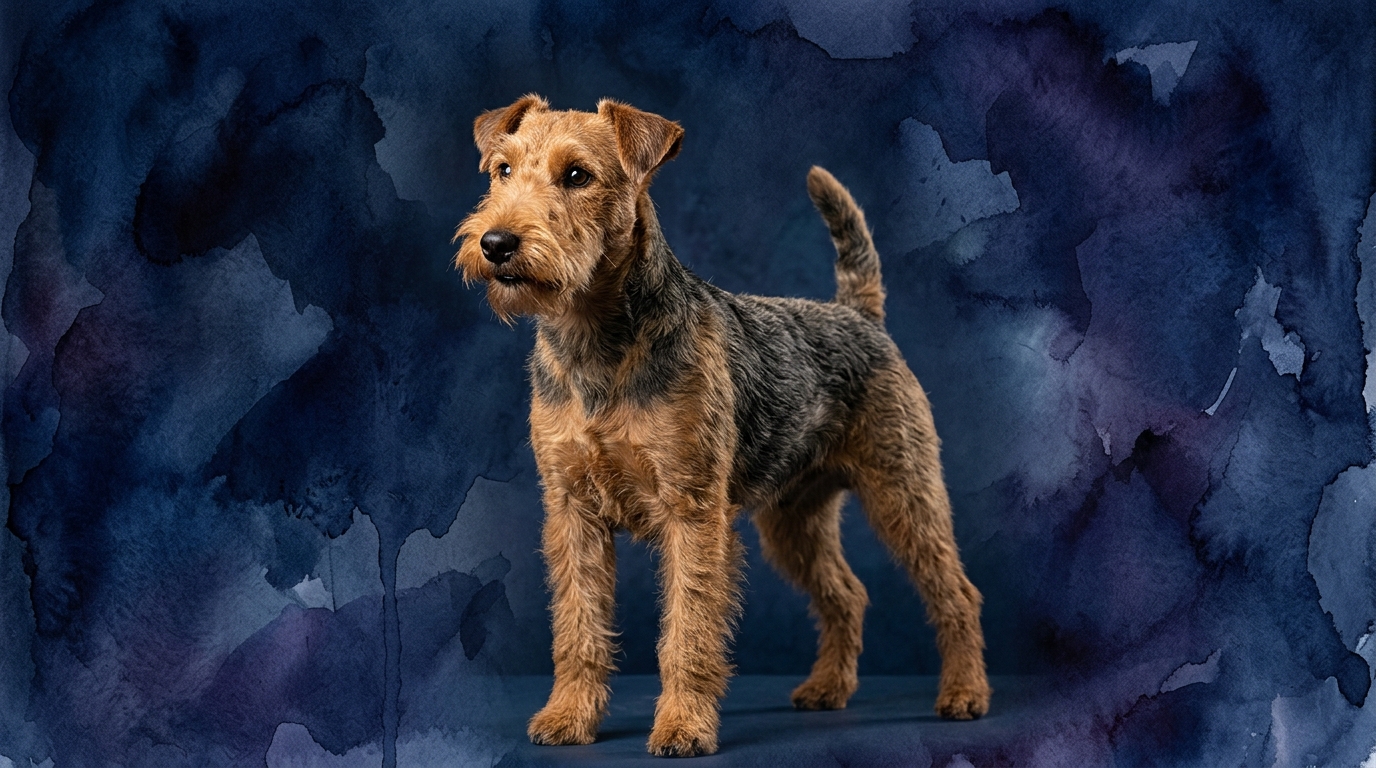
In contrast, the Welsh Terrier exhibits a more balanced cognitive makeup, with problem-solving, training speed, social intelligence, instinctive drive, and memory all registering a consistent 3/5. This suggests a dog competent and capable in all areas without the extremes seen in the Jack Russell, approaching tasks more measuredly, less intensely driven by instinct, and more amenable to structured learning.
Where Jack Russell Terrier Wins Cognitively
The Jack Russell Terrier clearly stands out in problem-solving and instinctive drive. A perfect 5/5 in problem-solving means these dogs are adept at figuring out complex environmental puzzles, from opening latches to navigating intricate pathways, showcasing ingenuity and strategic thinking for advanced agility or scent work.
Their instinctive drive, also 5/5, fuels this prowess, providing unwavering motivation to pursue objectives like tracking, digging, or vigorous play, resulting in unparalleled tenacity and focus. Furthermore, their superior memory (4/5 versus Welsh Terrier's 3/5) ensures quicker mastery of routines and longer retention of learned behaviors and spatial information.
Where Welsh Terrier Wins Cognitively
While the Welsh Terrier doesn't boast higher individual scores, its cognitive profile offers distinct advantages for certain lifestyles. Their more moderate instinctive drive (3/5 vs JRT's 5/5) typically means a less intense prey drive, beneficial in multi-pet homes or wildlife-rich environments, making off-leash excursions potentially less risky.
Similarly, their 3/5 problem-solving score often translates to a companion less inclined towards elaborate escape artistry or mischievous schemes, leading to a more predictable cognitive presence. The Welsh Terrier's balanced traits across the board foster a generally more amenable and less cognitively "extreme" temperament, which many owners find easier to integrate without the constant need to channel intense cognitive energy.
Which Is Easier to Train and Why
Assessing "easier to train" requires nuance, as both breeds share a 3/5 training speed. However, the Jack Russell Terrier's superior problem-solving (5/5) and intense instinctive drive (5/5) introduce complexity. A JRT might quickly *figure out* commands, but their strong will means compliance often depends on alignment with their agenda, making consistent obedience challenging if distractions or stronger urges arise.
The Welsh Terrier, with its moderate 3/5 scores, tends to be more straightforward. While they may not grasp concepts with sudden insight, their lower instinctive drive means less internal conflict during training. They are generally more willing to engage in repetition and, once a command is understood, offer consistent compliance. Their challenge is initial acquisition through patience, unlike the JRT's challenge of maintaining focus against powerful independent drives, making the Welsh Terrier potentially "easier" for reliable obedience with steady effort.
Which Suits Active Owners vs Relaxed Owners
The Jack Russell Terrier is undeniably suited for highly active owners who can provide ample physical exercise and consistently engage their formidable cognitive abilities. Their 5/5 instinctive drive and problem-solving demand outlets like hunting simulations, agility, or complex puzzle toys to prevent boredom and destructive behaviors. They thrive with owners committed to daily, vigorous activity and intellectual engagement, as a relaxed owner would quickly be overwhelmed.
The Welsh Terrier, with its more moderate 3/5 instinctive drive and problem-solving, still requires regular activity and mental stimulation, but typically less intensely. They fit active owners who enjoy daily walks, hikes, and interactive play, but also appreciate a dog that can settle indoors. While no terrier is a couch potato, the Welsh Terrier offers a more manageable energy level for those seeking balance between adventure and calm companionship.
The Verdict
Opt for a Jack Russell if you are an experienced, highly active owner thriving on providing consistent, stimulating outlets for a dog with exceptional problem-solving and intense, unwavering instinctive drive.
Select a Welsh Terrier if you appreciate a spirited, moderately active companion with a balanced cognitive profile, offering a more predictable temperament and being generally more amenable to consistent training without extreme independent drives.
🧠 Find Your Pet's IQ Score
Our Pet IQ Lab assessment covers 25+ tests across 5 cognitive dimensions — personalized to your breed.
Take the Full IQ Test →Frequently Asked Questions
Are Jack Russell Terriers difficult to live with due to their high intelligence?
Jack Russell Terriers possess exceptional problem-solving and intense instinctive drives, which can make them challenging if their cognitive and physical needs are not consistently met. They require significant mental stimulation and vigorous exercise to channel their considerable energy positively.
Do Welsh Terriers require less exercise than Jack Russell Terriers?
Welsh Terriers have a more moderate instinctive drive compared to Jack Russell Terriers, meaning they generally require consistent daily exercise and mental engagement, but often not to the same intense degree. They still benefit greatly from regular walks, playtime, and training to remain content.
How do their social intelligence scores impact their interactions with other pets or children?
Both breeds score 3/5 in social intelligence, suggesting they are capable of forming bonds and interacting socially, but these interactions are not their primary cognitive strength. Early and consistent socialization is crucial for both to ensure appropriate behaviors around other pets and children.