
Side-by-Side Cognitive Profiles
At first glance, the cognitive landscape for both the Japanese Chin and the Russian Toy seems identical, with each scoring a 3 out of 5 across all five evaluated dimensions: Problem Solving, Training Speed, Social Intelligence, Instinctive Drive, and Memory. However, these identical scores don't imply identical mental processes; rather, they suggest a similar *capacity* that expresses itself through distinct breed-specific lenses.
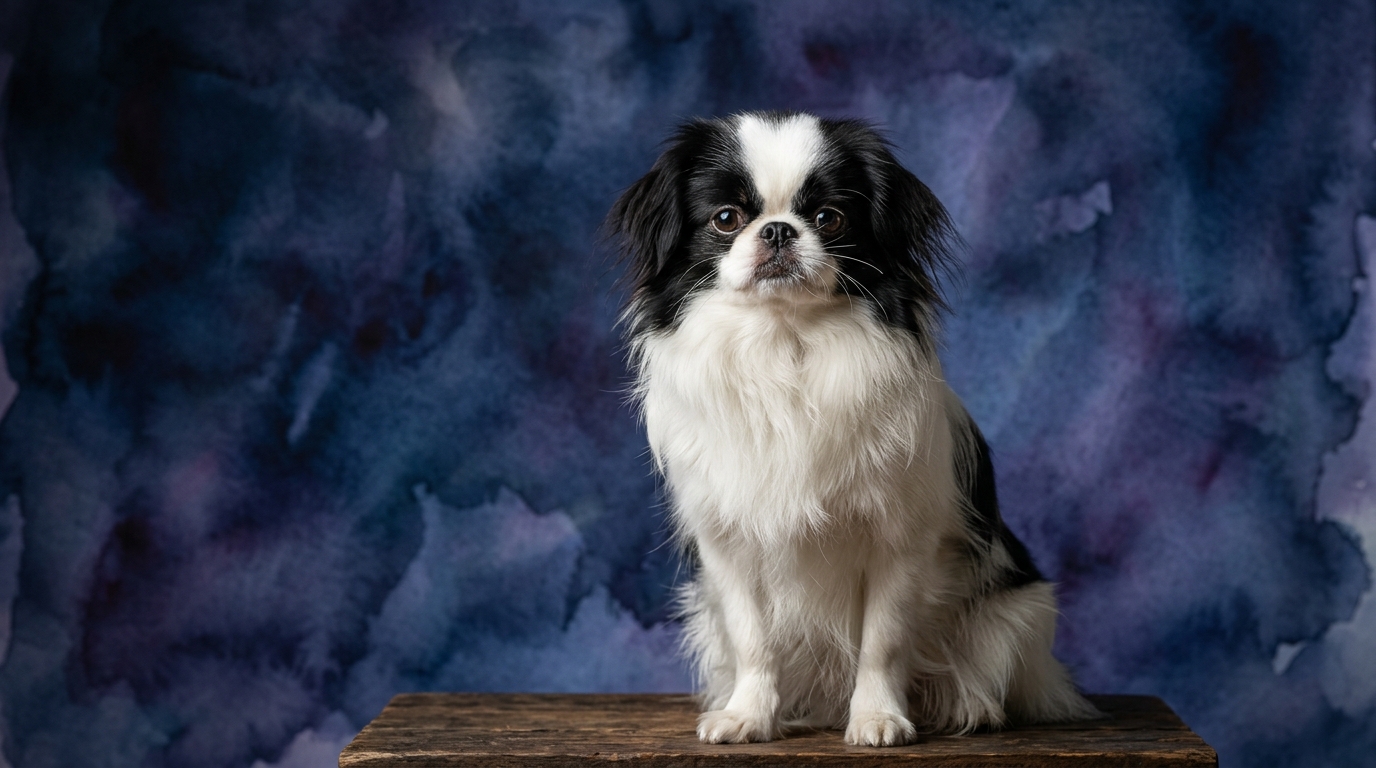
The Japanese Chin, with its regal past as a companion to nobility, approaches these dimensions with a refined, often discerning demeanor. Their Problem Solving (3/5) is less about overt puzzle-solving and more about astute observation, learning to navigate their human environment efficiently to secure comfort or attention, such as finding the best sunbeam or a cozy lap. Training Speed (3/5) for a Chin is steady; they grasp routines and commands with gentle, consistent reinforcement, though their independent spirit means they might choose to comply only if they perceive value or a clear benefit, rather than out of sheer eagerness. Their Social Intelligence (3/5) is particularly nuanced, making them exceptionally attuned to human emotions and household dynamics, often anticipating moods with quiet precision. Instictive Drive (3/5) is predominantly geared towards companionship and comfort, acting as gentle observers rather than active participants in tasks, sometimes displaying a charming, almost cat-like pounce during play. Memory (3/5) is solid, allowing them to recall people, places, and established routines with consistent accuracy, contributing to their predictable and serene presence.
Conversely, the Russian Toy, a vivacious and confident companion, exhibits these same cognitive scores with a more spirited and interactive flair. Their Problem Solving (3/5) is characterized by a tenacious curiosity and resourcefulness, often trying various methods to achieve their goals, whether it's retrieving a dropped toy or finding the quickest route to their owner's lap. Training Speed (3/5) can be commendable; they learn new commands and tricks quickly when sessions are kept positive and engaging, driven by a strong desire to interact and please their primary human, though their energetic nature can sometimes lead to distractions. Social Intelligence (3/5) is profound in its devotion; Russian Toys are incredibly responsive to their owner's moods and subtle cues, with their social world intensely revolving around their family. Instictive Drive (3/5) shows a surprising level of alertness and boldness for their size, often acting as diligent little guardians of their home, quick to notice and vocalize anything amiss. Memory (3/5) is excellent for commands, routines, and the intricate social map of their household, allowing them to distinctly recall past experiences and interactions, which informs their consistent responses within their familiar environment.
Where the Japanese Chin Cognitively Excels
The Japanese Chin often demonstrates a subtle cognitive advantage in environments that value quiet observation and independent thought. Their refined social intelligence allows them to excel in reading the room, understanding complex family dynamics without needing to be at the center of attention. They can process information internally, choosing when and how to engage, making them adept at navigating multi-person households with grace. This manifests as a thoughtful adaptability, where they might quietly adjust their behavior based on the mood of the household, rather than reacting overtly.
Where the Russian Toy Cognitively Excels
The Russian Toy's cognitive strengths lie in their vivacious engagement and direct problem-solving. Their alertness and tenacity give them an edge in quickly reacting to novel stimuli or changes in their immediate surroundings, making them particularly resourceful in dynamic environments. Their strong, singular bond with their primary caregiver enables them to become exceptionally adept at reading that specific person's most subtle cues, often anticipating their needs with an almost telepathic connection. This makes them highly effective companions for owners who appreciate a very interactive, 'shadow' dog.
Training Dynamics: Chin's Independence vs. Russian Toy's Eagerness
When it comes to ease of training, the nuanced differences in their personalities become apparent. The Japanese Chin, while capable, often requires a more patient and engaging approach. Their independent, sometimes regal nature means they respond best to positive reinforcement that clearly demonstrates 'what's in it for them.' They might politely decline a command if they don't see the immediate point or if they are feeling particularly stubborn, necessitating an owner who understands how to motivate through gentle persuasion and make training feel like a collaborative, rather than mandatory, effort. Their learning is steady, but compliance is often a matter of mutual respect.
The Russian Toy, conversely, often appears easier to train due to their inherent eagerness to please their primary human. This strong desire for interaction and approval is a powerful motivator, making them responsive to praise and rewards. However, their high energy and potential for being easily distracted by their surroundings or even their own enthusiasm can pose a challenge. Consistency is paramount to manage their spirited nature and prevent them from becoming overly boisterous or developing small dog syndrome. An owner who can channel their vivacity into focused, short training sessions will find the Russian Toy a highly rewarding student, quickly picking up tricks and commands with joyful enthusiasm.
Matching Temperaments: Active vs. Relaxed Owners
Considering their cognitive and behavioral profiles, these two breeds cater to different owner lifestyles. The Japanese Chin is generally better suited for more relaxed owners who appreciate calm companionship and a serene presence. They are content with short, leisurely walks and enjoy quiet indoor play, thriving in an environment that values peace and order. Their observational nature means they often prefer to simply be near their human, soaking in the atmosphere rather than demanding constant activity. They are observers, perfectly content to watch the world from a comfortable lap or elevated perch.
The Russian Toy, despite its tiny stature, possesses surprising energy and zest for life, making them an excellent fit for more active owners. They thrive on interactive play, enjoy brisk walks, and can even excel in dog sports like agility or obedience trials, demonstrating their keen intelligence and eagerness to participate. They suit owners who desire a highly engaged companion, one who enjoys being involved in daily activities and thrives on consistent interaction. They are participants, always ready for the next adventure or cuddle session with their beloved human.
The Verdict
Choose a Japanese Chin if you seek a serene, observant, and subtly intelligent companion who appreciates quiet companionship and nuanced interactions within a calm household. They are ideal for owners who enjoy a dog that understands without needing constant overt engagement, offering a refined presence.
Choose a Russian Toy if you desire a spirited, vivacious, and highly interactive companion who thrives on close connection and enjoys being actively involved in daily life. They are perfect for owners who appreciate a bold personality in a tiny package and are ready for an energetic, devoted shadow.
🧠 Find Your Pet's IQ Score
Our Pet IQ Lab assessment covers 25+ tests across 5 cognitive dimensions — personalized to your breed.
Take the Full IQ Test →Frequently Asked Questions
Are Japanese Chins truly 'cat-like' in their intelligence?
While dogs, their independent nature, meticulous self-grooming habits, and preference for elevated perches often draw comparisons to felines. This manifests as a quiet, observational intelligence, where they process their environment with a calm, discerning demeanor rather than overt doggy enthusiasm, making them masters of subtle understanding.
How does the Russian Toy's 'alertness' factor into their cognitive profile?
Their inherent alertness, a remnant of their terrier-like origins, means they are highly attuned to their surroundings and quick to react to new stimuli. This contributes to their problem-solving by making them explore solutions rapidly and enhances their social intelligence by making them very responsive to their owner's moods and intentions, acting as vigilant companions.
Given identical IQ scores, what's the most significant cognitive difference between the two?
The most significant cognitive difference lies in their approach to engagement and expression. Japanese Chins tend to be more reserved and observational, processing information internally with a quiet dignity, while Russian Toys are more outwardly expressive and interactive, using their intelligence to actively participate and forge a dynamic, close connection with their chosen human.