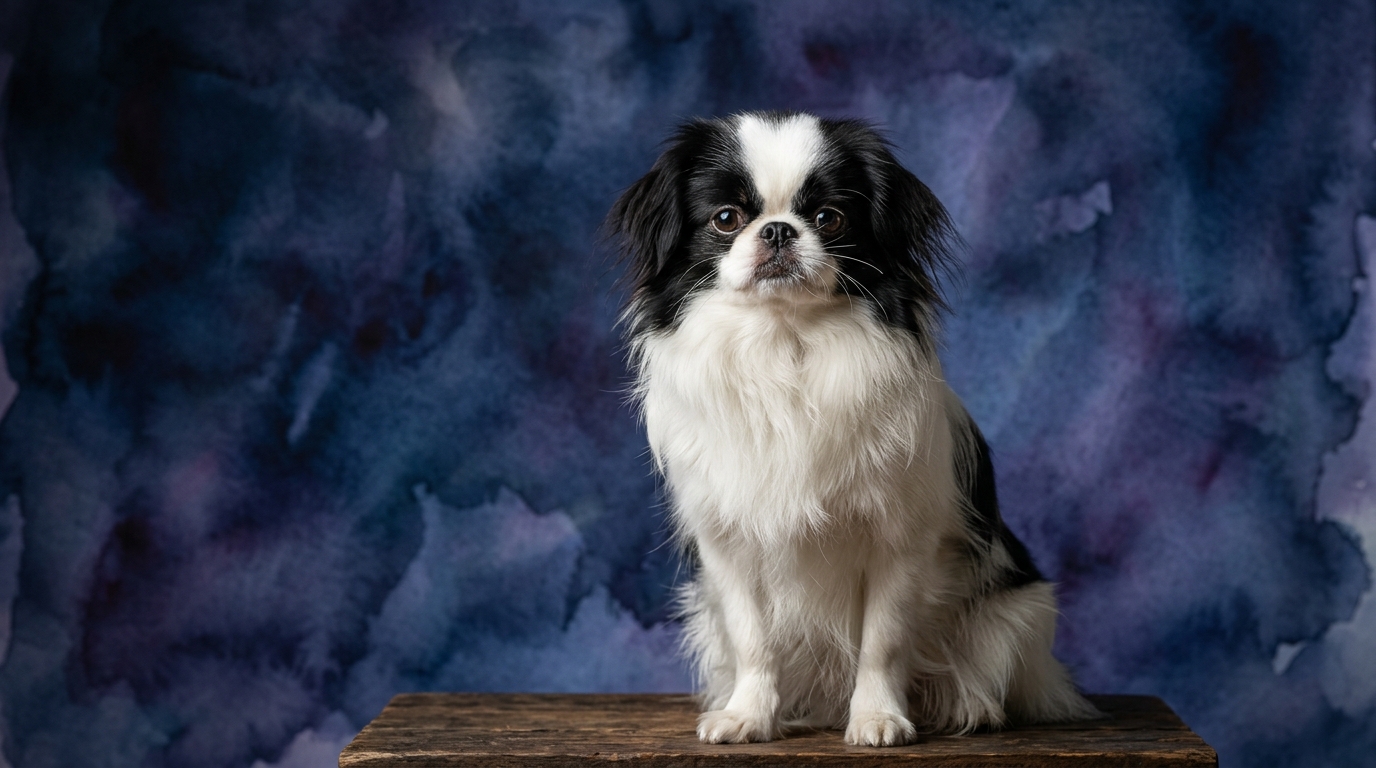
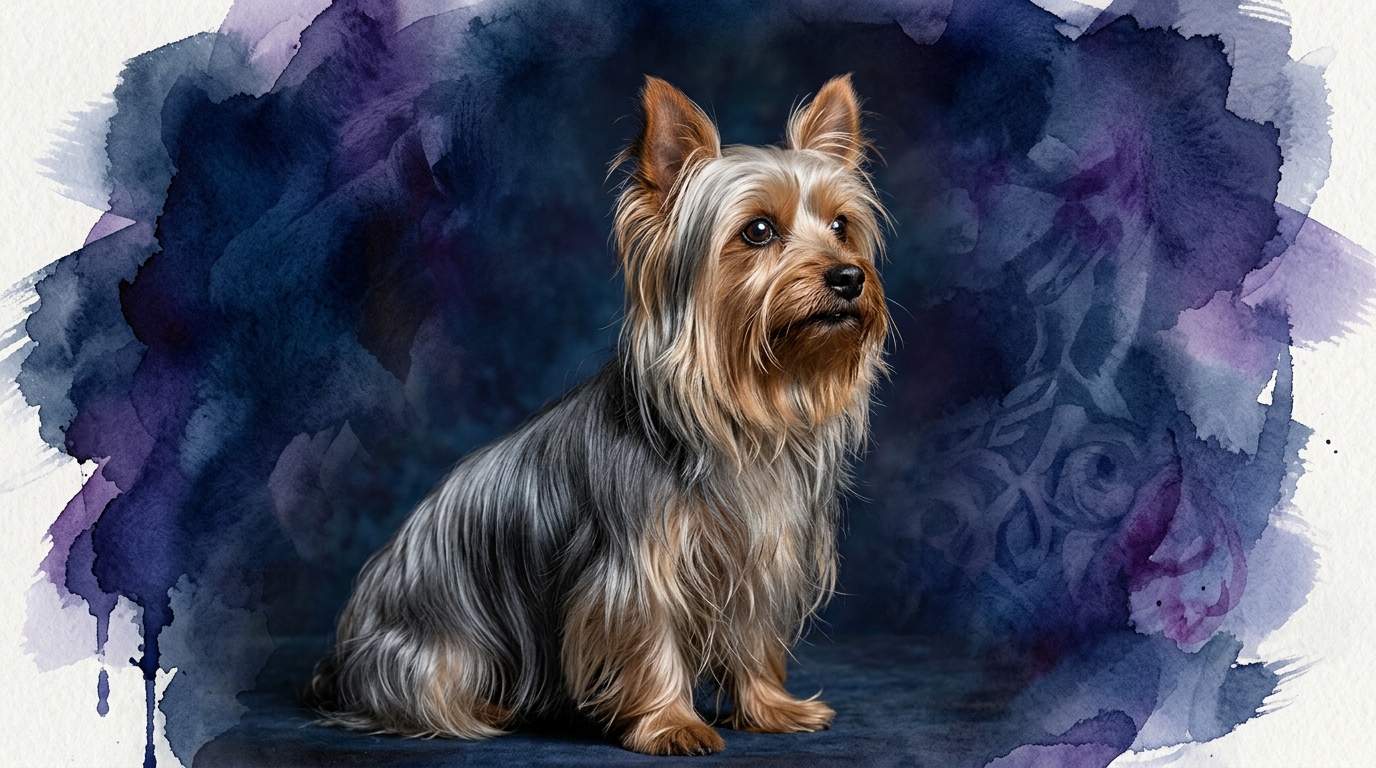
Side-by-Side Cognitive Profile: Japanese Chin vs. Silky Terrier
The Cosmic Pet Pet IQ Lab provides a framework to understand canine cognition across five key dimensions. For both the Japanese Chin and the Silky Terrier, our evaluations indicate a consistent 3/5 rating across all categories, suggesting a balanced and moderate capacity for learning and adaptation. However, these identical scores manifest through very different breed-specific behaviors and intrinsic motivations, painting distinct pictures of their inner workings.
The Japanese Chin’s Problem Solving (3/5) often manifests as a subtle, socially-oriented approach; they might charmingly manipulate situations or discern human moods to achieve their desired outcome, typically comfort or attention. Their Training Speed (3/5) is moderate, with learning best facilitated by gentle, positive reinforcement and a strong bond with their handler, as they are eager to please their favored people. Social Intelligence (3/5) in Chins is deeply attuned to their immediate family, making them perceptive companions who often anticipate their owner's needs and emotions, though they can be reserved with strangers. Their Instinctive Drive (3/5) is primarily centered on companionship and the security of their home, exhibiting a gentle, devoted nature with limited prey drive. Finally, their Memory (3/5) supports their routine-oriented lifestyle, allowing them to recall preferred schedules, comforting interactions, and practiced cues effectively.
In contrast, the Silky Terrier’s Problem Solving (3/5) tends to be more direct and persistent, reflecting their terrier heritage; they might cleverly navigate physical barriers to reach a desired object or persistently investigate novel stimuli. Their Training Speed (3/5) is also moderate, but learning is most effective when engaging their active spirit and providing clear, consistent guidance, as their independence can sometimes lead to selective hearing. Silky Terriers display their Social Intelligence (3/5) through an alert and watchful demeanor, being affectionate with family but often quick to assess and react to new people or situations with a discerning eye. Their Instinctive Drive (3/5) includes a notable prey drive and a keen sense of alertness, motivating them to explore and engage with their environment more robustly than the Chin. Their Memory (3/5) is strong for practical information, such as learned commands, established boundaries, and locations of interest, particularly those related to their investigative instincts.
Where the Japanese Chin's Cognitive Style Shines
While both breeds share the same cognitive ratings, the Japanese Chin's particular expression of these traits makes them exceptional in specific contexts. Their 3/5 social intelligence, combined with their strong companion drive, allows them to excel at emotional attunement within a household. They possess a remarkable ability to read subtle shifts in human mood and respond with comforting presence, making them highly empathetic companions.
This breed's problem-solving, though rated 3/5, is often channeled into navigating the complex social dynamics of a home. They are adept at understanding household routines and learning how to subtly influence their environment for maximum comfort and affection. This makes them particularly well-suited for individuals seeking a dog whose primary cognitive strength lies in fostering deep, intuitive emotional connections and maintaining a serene home atmosphere.
Where the Silky Terrier's Mental Aptitude Excels
The Silky Terrier, with its 3/5 ratings across the board, showcases its mental aptitude through a different lens. Their problem-solving, rooted in a terrier's tenacity, often involves a more physical and determined approach to challenges, whether it's figuring out how to get to a perceived 'intruder' or overcoming a small obstacle. This makes them particularly adept at engaging with their environment in a hands-on manner.
Their instinctive drive and social intelligence, both at 3/5, combine to make them vigilant and robust companions. Silkys excel at being alert guardians, quick to notice and react to changes in their surroundings, offering a lively and discerning presence. This cognitive profile means they thrive in roles where their alertness and spirited engagement are valued, making them excellent partners for owners who appreciate a dog with a keen awareness of its surroundings and a persistent, curious nature.
Training Approaches: Chin's Charm vs. Silky's Spirit
Despite both breeds having a 3/5 training speed, the underlying behavioral differences dictate distinct training strategies. The Japanese Chin is generally perceived as easier to train for basic obedience within a calm home environment, largely due to their strong desire for human companionship and affection. They respond best to gentle, consistent positive reinforcement, where praise, soft tones, and tasty treats are highly motivating. Harsh corrections or loud voices can easily discourage a Chin, causing them to shut down or become withdrawn, making patience and a light touch paramount.
The Silky Terrier, while capable of learning at the same pace, can present more of a challenge due to their independent and spirited terrier nature. Their training requires firm but fair leadership, consistency, and engaging methods that appeal to their natural curiosity and drive. Silky Terriers benefit from training that feels like a game or a task, often motivated by high-value rewards and opportunities for mental and physical engagement. Without proper motivation and clear boundaries, their inherent persistence can translate into stubbornness, making consistent, engaging training crucial to channel their energy effectively.
Matching Owners: Serene Companions vs. Spirited Adventurers
The distinct cognitive and temperamental profiles of these two breeds make them suitable for different owner lifestyles. The Japanese Chin thrives with relaxed owners who appreciate a serene, devoted companion. They are content with gentle indoor play, short strolls, and ample cuddle time, making them ideal for individuals or families seeking a calm presence in their home. Their cognitive energy is best spent on social interaction within the family rather than extensive outdoor adventures.
Conversely, the Silky Terrier is a better match for active owners who can provide consistent outlets for their energy and inquisitive nature. They enjoy engaging walks, playtime, and mental challenges like puzzle toys or even dog sports. Their cognitive makeup, including their moderate instinctive drive and persistent problem-solving, means they require more stimulation to prevent boredom and channel their spirited energy constructively, thriving in an environment where they have a 'job' or regular activity to look forward to.
The Verdict
Choose a Japanese Chin if you desire a perceptive, gentle companion who thrives on emotional connection and a calm, predictable home environment.
Opt for a Silky Terrier if you seek an alert, spirited companion who enjoys engaging with the world and benefits from consistent activity and mental stimulation.
🧠 Find Your Pet's IQ Score
Our Pet IQ Lab assessment covers 25+ tests across 5 cognitive dimensions — personalized to your breed.
Take the Full IQ Test →Frequently Asked Questions
Are Japanese Chins good apartment dogs?
Yes, their moderate energy and preference for indoor comfort make them well-suited for apartment living, provided they receive regular, gentle exercise and ample companionship. Their quiet nature also makes them considerate neighbors.
Do Silky Terriers bark a lot?
Silky Terriers can be vocal, often using their bark to alert their owners to new sights, sounds, or perceived intruders, reflecting their alert and watchful nature. Consistent training and early socialization can help manage excessive barking.
Do either of these breeds require extensive grooming?
Both breeds have long, silky coats that require regular grooming to maintain their health and appearance. Japanese Chins need brushing several times a week to prevent mats, while Silky Terriers benefit from daily brushing to prevent tangles and keep their distinctive coat pristine.