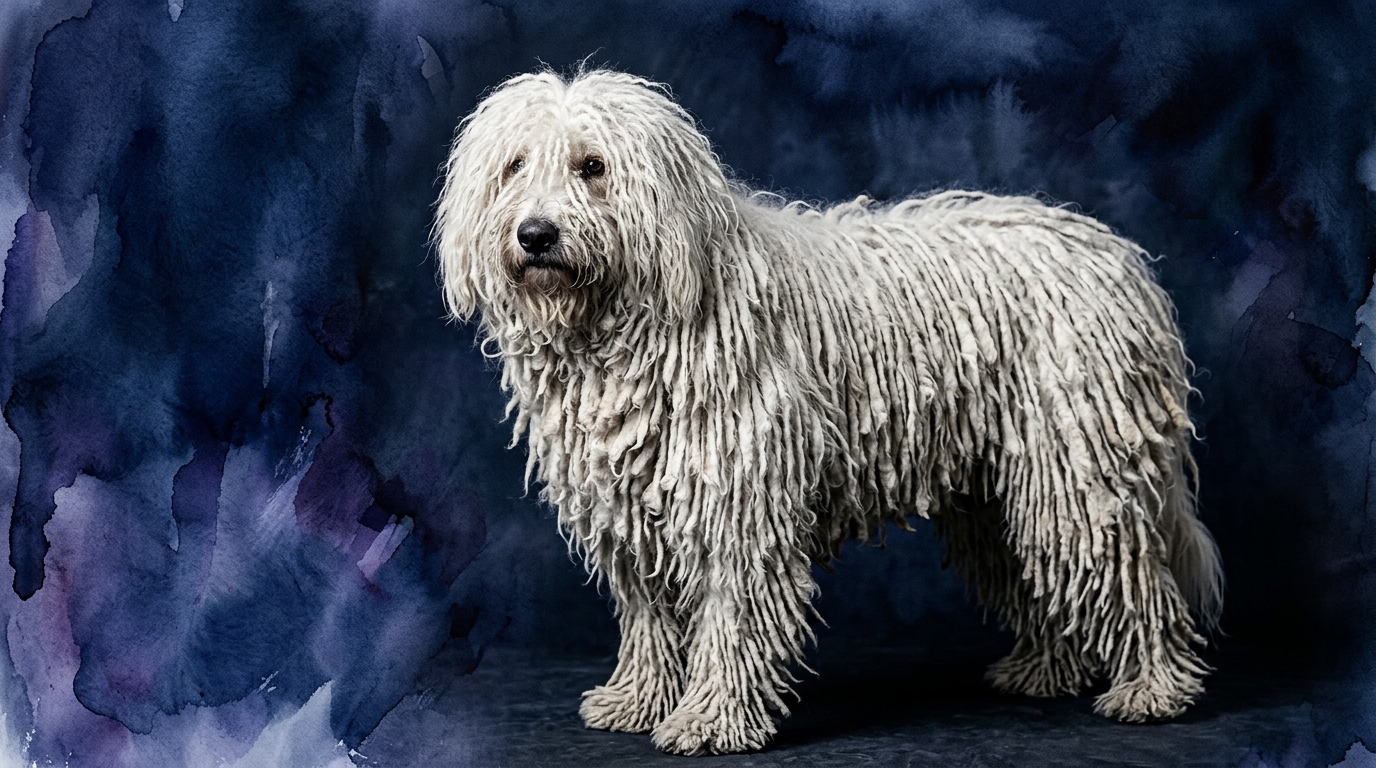
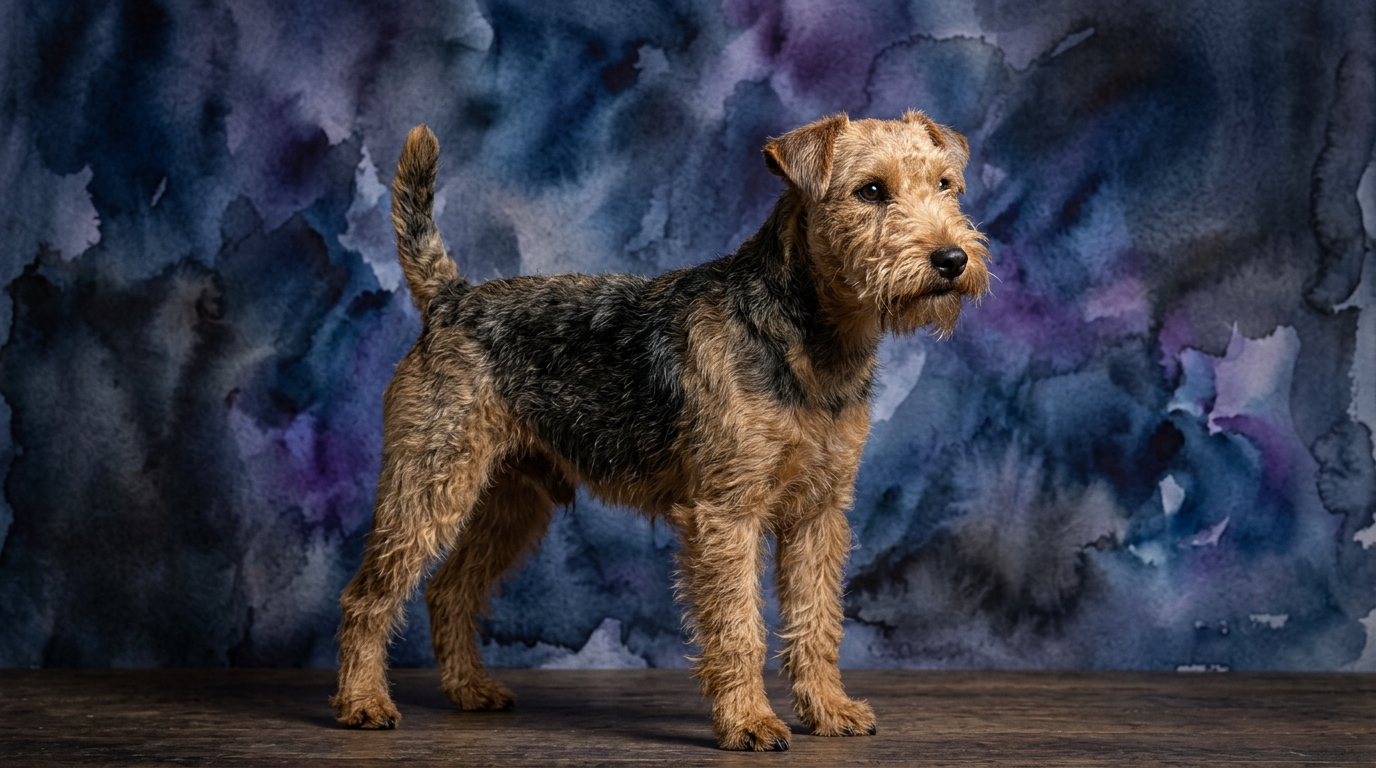
Side-by-Side Cognitive Profiles
The Komondor, a formidable Working dog ranked #67 by Coren, exhibits a nuanced cognitive makeup perfectly suited to its ancient role as a livestock guardian. Their Problem Solving ability (3/5) isn't about intricate puzzles, but strategic defense, threat assessment, and independent decision-making to protect their flock against predators, often without human direction. Training Speed (3/5) reflects their capacity to learn commands, yet their independent nature means compliance is often conditional, based on their assessment of the situation rather than eager obedience. Social Intelligence (3/5) manifests as deep loyalty and understanding within their immediate family or flock, juxtaposed with a reserved, watchful demeanor towards strangers. Their Instinctive Drive (3/5) is overwhelmingly focused on guardianship and protection, manifesting as constant vigilance and readiness to defend. Finally, Memory (3/5) is robust for recalling territory boundaries, identifying threats, and remembering trusted individuals, crucial for effective long-term defense.
In contrast, the Lakeland Terrier, a spirited member of the Terrier group, showcases its own distinctive set of cognitive strengths, despite not being Coren-ranked. Their Problem Solving (3/5) is acutely geared towards finding and dispatching quarry, excelling at navigating complex underground burrows or flushing out small game, requiring quick thinking and adaptability in confined, high-pressure situations. Training Speed (3/5) indicates a quick grasp of concepts, yet their strong-willed, independent terrier spirit often means they weigh whether a command aligns with their current interests or self-appointed tasks, leading to moments of selective hearing. Social Intelligence (3/5) allows them to be affectionate and engaging with their family, while also possessing a confident assertiveness with other dogs or unfamiliar people. Their Instinctive Drive (3/5) is dominated by a powerful prey drive, digging tendencies, and independent hunting instincts, making them persistent and tireless in pursuit. Memory (3/5) serves them well in recalling hunting routes, hidden spots, and past interactions, aiding their exploratory and tenacious nature.
Where the Komondor Excels Cognitively
The Komondor's cognitive strengths lie in its profound capacity for autonomous judgment and strategic, long-term vigilance. Their problem-solving isn't about speed, but about a methodical, often solitary, assessment of environmental cues and potential threats. A Komondor excels at understanding complex territory dynamics, discerning genuine danger from benign movement, and making independent decisions about when and how to intervene to protect. This requires a sophisticated form of spatial intelligence combined with an unwavering focus on their primary directive. They demonstrate a patient, almost stoic, form of intelligence, capable of maintaining a watchful presence for extended periods, processing information subtly rather than reacting impulsively. This deep-seated independence, born from centuries of guarding livestock without direct human supervision, is a significant cognitive advantage, allowing them to operate effectively in vast, dynamic environments where immediate human input is absent.
Where the Lakeland Terrier Excels Cognitively
The Lakeland Terrier's cognitive prowess shines in its agile problem-solving within dynamic, often restrictive, environments. Their intelligence is characterized by quick decision-making, tenacity, and adaptability under pressure, particularly when pursuing quarry. A Lakeland Terrier excels at navigating intricate underground tunnels, figuring out how to bypass obstacles, and using their keen senses to locate hidden prey. This demands a sharp spatial awareness, an ability to learn from immediate experience, and a relentless drive to accomplish their goal. Unlike the Komondor's expansive, watchful intelligence, the Lakeland's cognitive strengths are focused and intense, geared towards immediate action and persistent engagement. Their social intelligence, while sometimes expressed with a terrier's characteristic assertiveness, also allows them to quickly gauge intentions and respond with confident self-assurance, whether in a hunting scenario or a family setting. Their memory is finely tuned to recall specific locations and sensory details relevant to their exploratory and hunting endeavors.
Training Dynamics: A Study in Independence
When considering ease of training, both breeds present unique challenges rooted in their independent natures, making neither truly 'easy' in the conventional sense of eager obedience. The Komondor's training involves a process of mutual respect and convincing, rather than simple instruction. They learn commands, but their compliance is often predicated on their own assessment of the command's utility or necessity within their guarding framework. Training a Komondor requires immense patience, consistency, and an understanding that their primary role is not to please, but to protect. They will perform tasks if they deem them worthwhile, making motivation a key factor and often requiring a deeper bond and clear purpose for effective long-term training. Their learning is more about internalizing a principle than rote memorization, leading to a slower but potentially more reliable execution within their specific context once they accept the 'why'.
Training Dynamics: Continued
The Lakeland Terrier, conversely, grasps new concepts with impressive speed, reflecting their quick wit and desire for engagement. However, their training journey is often complicated by a formidable stubborn streak and a strong self-will. While they can learn a vast array of commands and tricks, their independent hunting drive means they might choose to prioritize an interesting scent or a perceived 'mission' over a handler's instruction. Effective training for a Lakeland involves channeling their abundant energy and intelligence into productive outlets, using positive reinforcement, and making training sessions stimulating and varied to combat boredom. While they might appear quicker to learn initially, maintaining consistent obedience requires an owner who can manage their terrier tenacity and provide compelling reasons for compliance, often through engaging games and activities that tap into their natural drives. For diverse typical pet commands, the Lakeland might feel 'easier' due to their initial learning speed, provided their strong will is consistently and positively managed.
Which Suits Active vs. Relaxed Owners?
The Komondor, despite its seemingly calm demeanor, is not suited for truly 'relaxed' owners. While not requiring hours of vigorous running, their mental and emotional needs are significant. They require a large, secure property to patrol and a purpose to fulfill their guarding instincts, which translates into constant mental engagement in assessing their environment. Owners must be 'active' in managing their protective instincts, providing extensive socialization, and being prepared for a dog that makes independent decisions. They thrive with owners who appreciate a steadfast, self-reliant guardian and are committed to consistent, calm leadership. A relaxed owner expecting a low-maintenance pet will quickly find themselves overwhelmed by the Komondor's profound sense of responsibility and territorial nature, which demands attentive management and a clear understanding of breed-specific behaviors.
Which Suits Active vs. Relaxed Owners? Continued
The Lakeland Terrier is unequivocally a breed for active owners. Their vigorous energy, keen intelligence, and strong instinctive drives demand daily, substantial physical exercise and consistent mental stimulation. These dogs thrive on activities like long walks, runs, hikes, agility, earthdog trials, or engaging play sessions that challenge both their bodies and minds. A relaxed owner who cannot commit to providing these outlets will likely find their Lakeland channeling its energy into less desirable behaviors, such as digging, barking, or destructive chewing. Lakeland Terriers need owners who are enthusiastic about outdoor adventures, enjoy engaging in training games, and are prepared to manage a spirited, curious, and often tenacious personality. Their cognitive and physical needs are intertwined, requiring an owner who is proactive and consistent in meeting them.
The Verdict
Choose the Komondor if you seek a fiercely independent, vigilant guardian for a large property, understanding that their intelligence is geared towards autonomous protection and requires a patient, committed owner.
Opt for the Lakeland Terrier if you desire a quick-witted, tenacious companion for an active lifestyle, appreciating their focused problem-solving and willingness to engage in stimulating activities, provided you can consistently manage their strong will.
🧠 Find Your Pet's IQ Score
Our Pet IQ Lab assessment covers 25+ tests across 5 cognitive dimensions — personalized to your breed.
Take the Full IQ Test →Frequently Asked Questions
Are Komondors good family dogs?
Yes, Komondors are fiercely loyal and devoted to their immediate family, often forming intense bonds. However, their strong protective instincts require careful socialization from a young age and consistent management to ensure they differentiate between welcome guests and potential threats.
Are Lakeland Terriers good with children?
Lakeland Terriers can be good with children, especially if raised together, as they are playful and enjoy interaction. However, their energetic and sometimes assertive nature means interactions should always be supervised, particularly with very young children, to ensure mutual respect and prevent accidental rough play.
What kind of grooming does a Komondor need?
The Komondor's unique corded coat requires specific grooming to prevent matting and maintain hygiene. While it doesn't shed like typical double coats, the cords need to be separated regularly, and the coat should be kept clean and dry, which can be a time-consuming commitment.