Side-by-Side IQ Profile: Komondor vs. Welsh Springer Spaniel
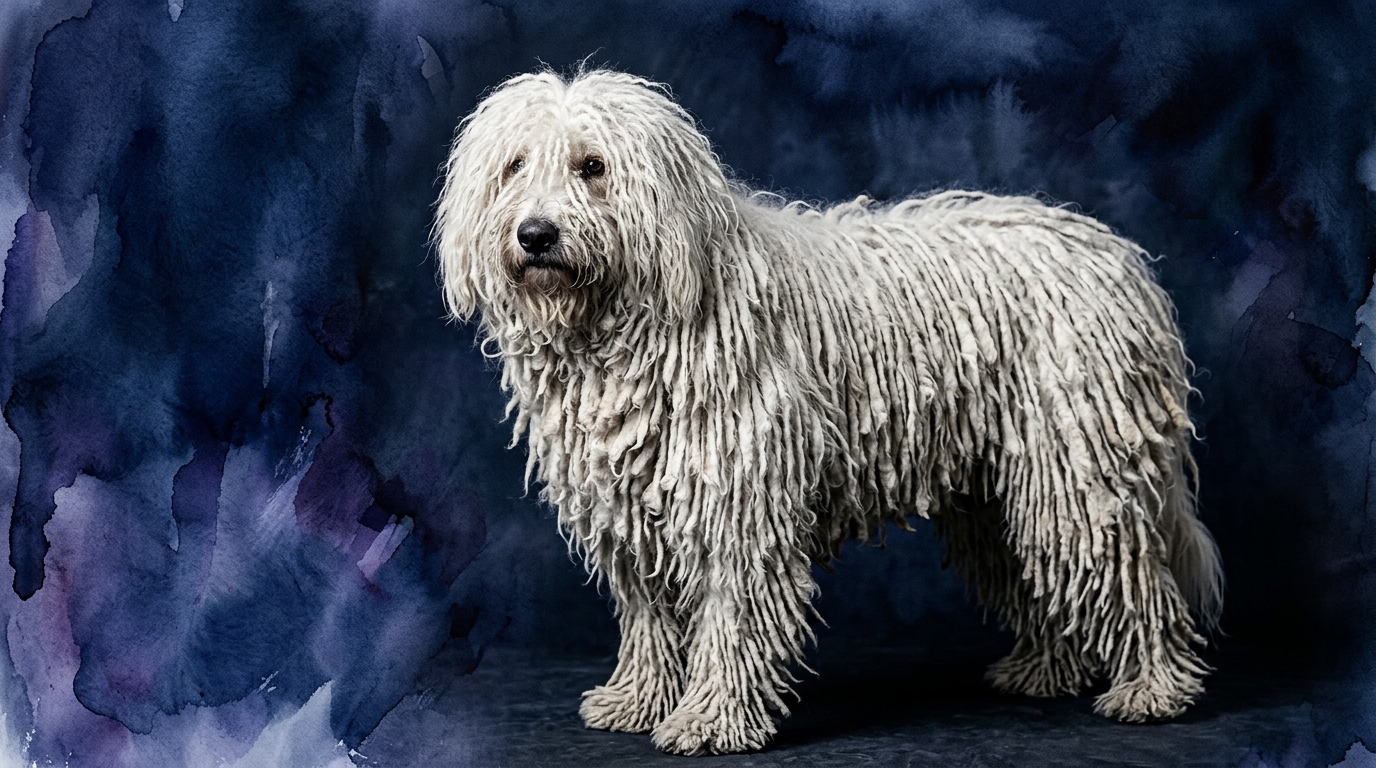
The Komondor, a Working Group breed ranked #67 by Coren, demonstrates a cognitive profile shaped by centuries of independent livestock guardianship. Its Problem Solving (3/5) often reflects a watchful, analytical assessment rather than quick, innovative solutions, favoring vigilance and protective strategies over rapid puzzle-solving. Training Speed (3/5) for a Komondor requires patience; they are capable learners but often evaluate the utility of a command before compliance, demanding consistent communication to foster cooperation. Their Social Intelligence (3/5) is a reserved form, deeply bonded and protective of their inner circle but potentially aloof with strangers, prioritizing a dignified vigilance. The Komondor's Instinctive Drive (3/5) manifests as a strong territorial and guardianship instinct, a persistent commitment to their perceived duty rather than high-octane prey drive. Finally, their Memory (3/5) is practical and enduring, particularly for routines, boundaries, and individuals within their family or perceived threats, supporting long-term guarding responsibilities.
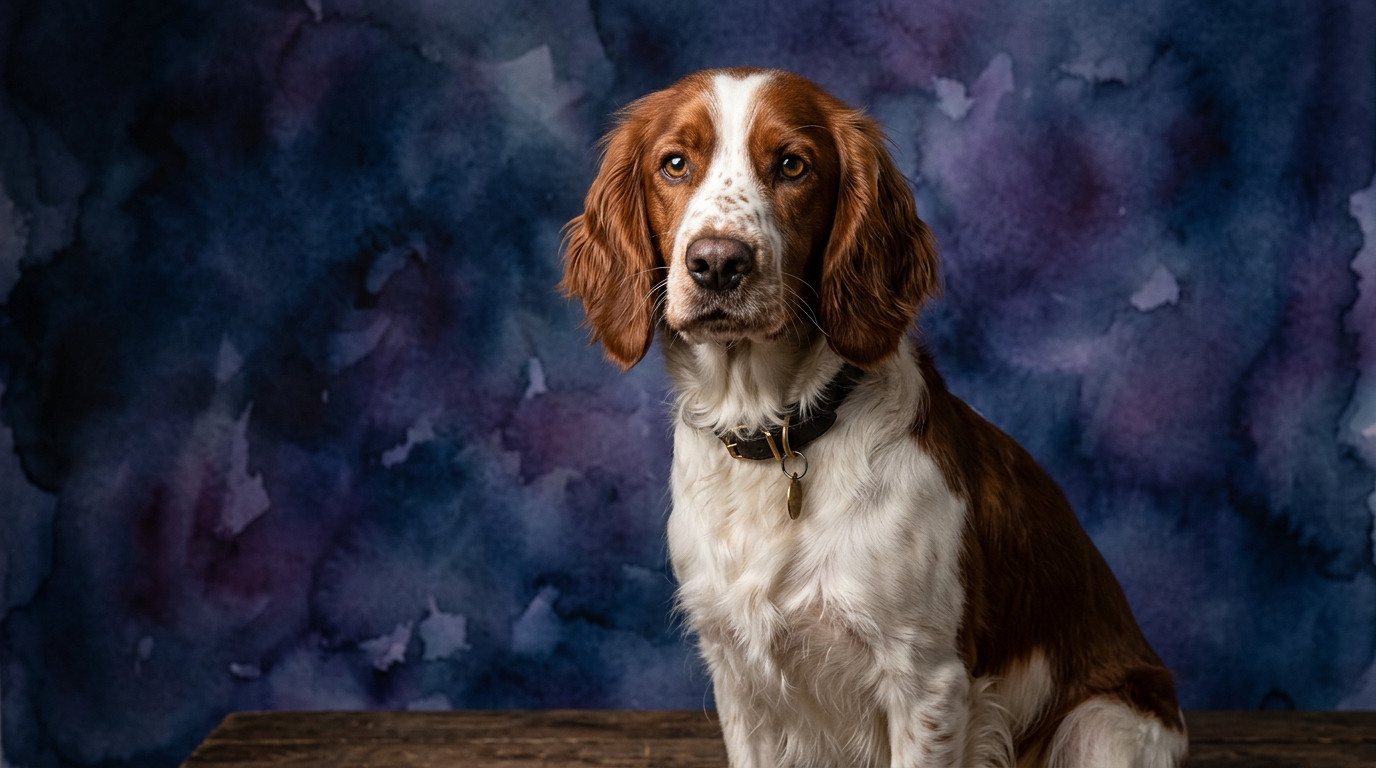
In contrast, the Welsh Springer Spaniel, a Sporting Group breed ranked #31 by Coren, exhibits a more agile and adaptable cognitive makeup. Their Problem Solving (4/5) is quicker, characterized by enthusiastic engagement and trial-and-error, making them adept at novel challenges like retrieving a hidden toy. With a higher Training Speed (4/5), they generally pick up new commands with greater alacrity, fueled by an eagerness to please and a strong desire to work alongside their humans. The Welsh Springer's Social Intelligence (3/5) is friendly and sociable, enjoying interactions and adept at reading human cues to foster strong bonds and collaborative activities. Their Instinctive Drive (3/5) is channeled into their sporting heritage, manifesting as a strong inclination for scent work, retrieving, and purposeful outdoor activity and exploration. The Welsh Springer Spaniel also boasts an excellent Memory (4/5), particularly for commands, routes, and object locations, supporting their role as consistent hunting companions and reliable performers in repetitive tasks.
Where the Komondor Wins Cognitively
The Komondor's unique cognitive strengths lie in its independent judgment and unwavering commitment to its perceived duties, making it a distinct winner in specific mental domains. While its problem-solving might not be the quickest in a novel puzzle, its deep-seated analytical approach to threat assessment and environmental vigilance is unparalleled. This breed excels in situations demanding sustained, autonomous decision-making, where a dog must observe, evaluate, and act without constant human direction, making it a superior choice for roles requiring self-sufficiency and a profound sense of responsibility for its charges. Its reserved social intelligence translates into a focused loyalty, making it a steadfast, if not overtly demonstrative, protector that understands its role within a family or flock with dignified precision.
Where the Welsh Springer Spaniel Wins Cognitively
The Welsh Springer Spaniel shines in areas requiring quick adaptability, enthusiastic cooperation, and precise memory for tasks, demonstrating a different spectrum of cognitive excellence. Its higher problem-solving score indicates a greater propensity for trial-and-error learning and a cheerful willingness to engage with novel challenges, making it adept at complex dog sports or learning intricate sequences. The breed's superior training speed and memory combine to create a highly trainable companion eager to master new skills and recall them reliably, particularly when those tasks involve working closely with a human partner. This makes them exceptional at activities demanding coordinated effort and consistent performance, where their quick grasp of concepts and retention of instructions are invaluable.
Which is Easier to Train and Why
Comparing ease of training, the Welsh Springer Spaniel generally presents an easier path for most owners. Their higher training speed (4/5) and memory (4/5), coupled with a natural eagerness to please and cooperative disposition, mean they typically grasp new commands more quickly and retain them effectively. They thrive on positive reinforcement and enjoy the collaborative process of learning, often looking to their human for direction and validation. In contrast, the Komondor's training speed (3/5) and more independent nature mean they often require a more patient, consistent, and confident handler. Their inherent skepticism means they'll evaluate the utility of a command before offering compliance, rather than simply obeying. While capable of learning, their behavioral differences stem from their guardian instincts, which prioritize self-reliance and judgment over immediate obedience, requiring a trainer who respects and works with this independence, rather than against it. Early and extensive socialization is also crucial for the Komondor to accept new people and situations calmly.
Which Suits Active Owners vs. Relaxed Owners
For active owners seeking a dynamic partner, the Welsh Springer Spaniel is often the more fitting choice. Their sporting heritage means they possess a sustained instinctive drive (3/5) for activity, exploration, and purposeful engagement. They thrive on regular exercise, mental stimulation through training, and opportunities to use their scenting and retrieving abilities, making them ideal for hiking, agility, or field trials. These dogs are at their happiest when they have a job to do and can expend their energy. A relaxed owner, or one seeking a more independent sentinel, might find the Komondor more suitable. While they require space and regular patrolling of their territory, their instinctive drive (3/5) is less about high-energy bursts and more about watchful vigilance. They are content with a structured routine and the responsibility of their guardianship, rather than constant interactive play or strenuous athletic pursuits, though they certainly enjoy their outdoor time and need ample space to roam and observe.
The Verdict
Choose the Komondor if you seek an independent, steadfast guardian with an analytical mind, valuing self-sufficiency and a profound sense of protective duty over eager obedience. This breed thrives with owners who appreciate its reserved loyalty and provide a clear role as a sentinel.
Opt for the Welsh Springer Spaniel if you desire an adaptable, cooperative companion eager to learn and engage in activities, excelling in quick problem-solving and reliable task retention. This breed flourishes with active owners who enjoy collaborative training and outdoor adventures.
🧠 Find Your Pet's IQ Score
Our Pet IQ Lab assessment covers 25+ tests across 5 cognitive dimensions — personalized to your breed.
Take the Full IQ Test →Frequently Asked Questions
Does a Komondor's independent nature make it difficult to live with?
While their independence requires a confident and consistent owner, it doesn't make them inherently difficult. Their problem-solving and social intelligence are geared towards self-reliance, meaning they are less clingy but expect their human to be a fair and respected leader.
Are Welsh Springer Spaniels prone to separation anxiety due to their social nature?
Their cooperative social intelligence means they thrive on companionship, and while not inherently prone to separation anxiety more than other breeds, they do best with adequate mental and physical stimulation and not being left alone for excessively long periods. Early training and enrichment can help prevent such issues.
How do the different 'instinctive drives' impact daily life for these breeds?
The Komondor's instinctive drive manifests as a strong protective vigilance, meaning they are always 'on guard' and require clear boundaries and understanding of their watchful nature. The Welsh Springer Spaniel's drive is for purposeful activity and exploration, requiring consistent outlets for their energy through exercise and engagement to prevent boredom and destructive behaviors.