Side-by-Side IQ Profile
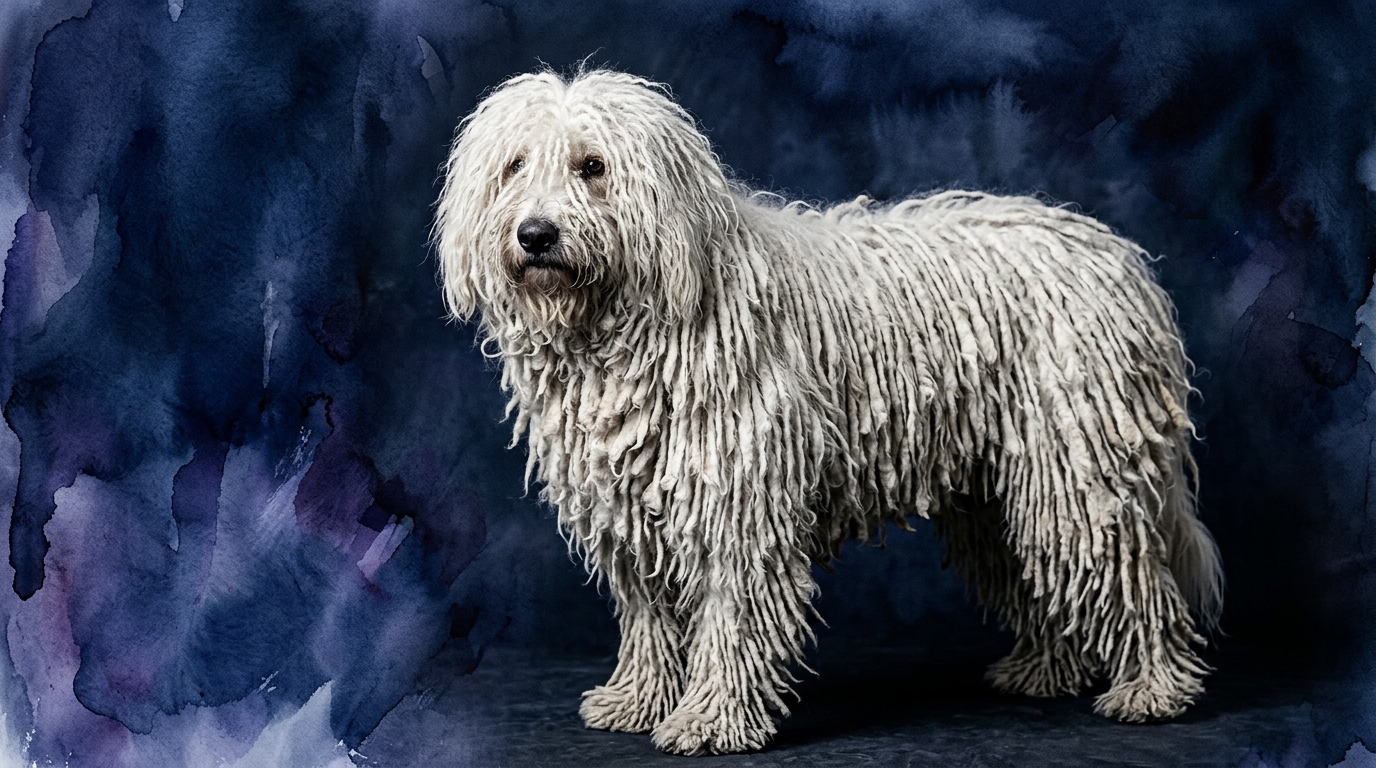
The Komondor, a majestic Working Group dog, was bred for centuries to independently guard livestock in Hungary. Its 3/5 Problem Solving score reflects an impressive capacity for autonomous decision-making in the face of perceived threats, rather than solving complex human-designed puzzles. This intelligence is practical, rooted in assessing danger and determining the best course of action to protect its flock without direct human command. Similarly, its 3/5 Training Speed doesn't imply eagerness to learn intricate tricks for praise, but rather an ability to internalize routines and understand parameters essential for its guarding duties, often requiring a strong, purposeful motivation from its handler.
For Social Intelligence, the Komondor's 3/5 rating means forming profound, loyal bonds with its immediate family and "flock," while maintaining a natural wariness and aloofness towards strangers, a crucial trait for a guardian. Its Instinctive Drive, also at 3/5, is overwhelmingly channeled into protection, territoriality, and vigilance, fueling its ceaseless dedication to its charges. Finally, a 3/5 Memory allows the Komondor to retain critical information about its territory, perceived threats, and the individuals it considers part of its protected circle, remembering specific situations and how it responded.
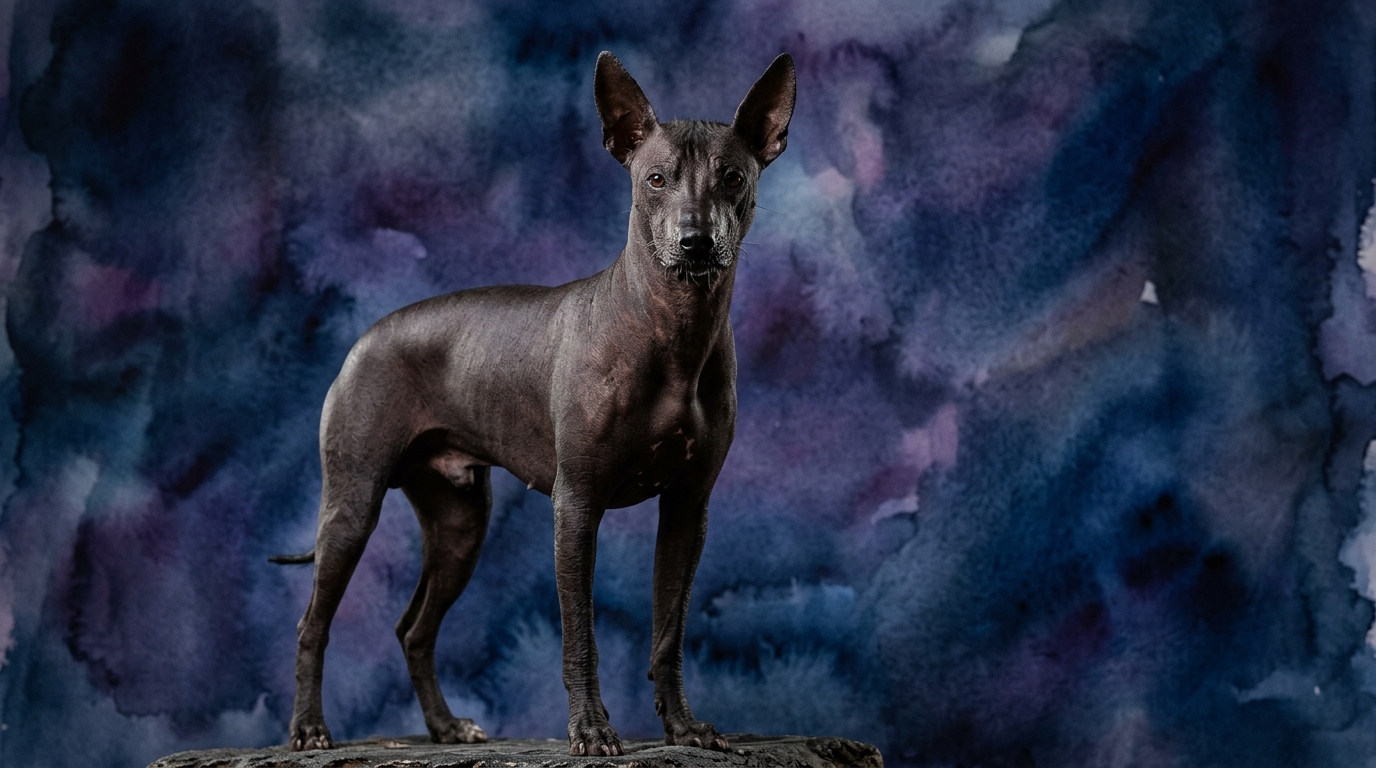
The Xoloitzcuintli, an ancient Non-Sporting breed from Mexico, has a heritage as a cherished companion and spiritual guide. Its 3/5 Problem Solving manifests as cleverness within a domestic setting, such as figuring out how to access a favorite sunbeam, manipulate a toy, or subtly communicate its desires to its human family. This intelligence is often applied to optimizing its comfort and interaction within its home environment. Its 3/5 Training Speed indicates it can learn commands and routines efficiently with consistent, positive reinforcement, though its sensitive nature means harsh methods can lead to shutdown or stubbornness, and its focus is often on pleasing its immediate family.
The Xolo's 3/5 Social Intelligence is characterized by an intense devotion and emotional attunement to its primary caregivers, often displaying a deep understanding of their moods and needs. This bond, however, often comes with a reserved or cautious demeanor towards strangers. Its Instinctive Drive, rated 3/5, includes a moderate prey drive and a strong desire for companionship, often positioning itself as a watchful, though not aggressive, guardian of its home and family. A 3/5 Memory allows the Xolo to recall specific individuals, routines, and past experiences, both positive and negative, influencing its future interactions and learning.
Where Komondor Wins Cognitively
Despite the identical numerical scores, the Komondor's cognitive strengths distinctly shine in areas demanding independent judgment and unwavering resolve. Its problem-solving capabilities are unparalleled when it comes to assessing dynamic, real-world threats and executing defensive strategies without human intervention. This isn't about puzzles; it's about life-or-death decisions in a guardian role, a level of autonomous operational intelligence few breeds possess.
Furthermore, its 3/5 instinctive drive, coupled with its memory, grants it superior long-term vigilance and territorial awareness over vast spaces. A Komondor excels at identifying patterns in its environment, remembering intruders or unusual occurrences over extended periods, and maintaining a constant, low-level assessment of its surroundings, making it an exceptional self-directed security system.
Where Xoloitzcuintli Wins Cognitively
The Xoloitzcuintli, conversely, demonstrates a distinctive cognitive edge in its profound social and emotional intelligence within a close-knit human family. Its 3/5 social intelligence allows for an exceptional ability to read subtle human cues, anticipate needs, and offer comfort, making it an extraordinarily empathetic companion. This isn't just about recognizing family members; it's about understanding the nuances of their emotions and responding with appropriate affection or presence.
Its problem-solving, while also 3/5, is geared towards navigating complex human social structures and domestic challenges with finesse. A Xolo might cleverly devise ways to gain attention, secure a comfortable spot, or communicate a desire in a way that directly leverages its understanding of its human’s habits and responses, making them highly resourceful within a home environment.
Which is Easier to Train and Why
When it comes to ease of training for the average owner, the Xoloitzcuintli generally holds an advantage, primarily due to its companion-focused disposition and sensitivity. Their 3/5 training speed is often amplified by a genuine desire to be near their people and participate in family activities, meaning they are typically more motivated by positive reinforcement and the strengthening of the human-dog bond. They respond well to gentle, consistent methods, though their sensitivity means they can become withdrawn or resistant if training is harsh or inconsistent.
The Komondor's 3/5 training speed, while numerically similar, requires a fundamentally different approach. Their deeply ingrained 3/5 instinctive drive for independence and guarding means they are not inherently "eager to please" in the way many companion breeds are. Training a Komondor is less about rote obedience and more about establishing a clear, respectful working relationship where the dog understands the purpose of a command. They learn what is necessary for their role, but often need to perceive the utility or logic behind a request. This makes them more challenging for novice trainers, demanding patience, consistency, and an understanding of their unique, self-reliant mindset.
Which Suits Active Owners vs Relaxed Owners
For active owners seeking a canine partner for adventures and regular engagement, the Xoloitzcuintli offers a versatile fit. Their moderate energy levels mean they enjoy daily walks, playtime, and can excel in various dog sports like agility or obedience if consistently trained. They thrive on shared experiences and mental stimulation alongside their people, making them suitable for owners who enjoy an active lifestyle and want their dog to be an integral part of it.
The Komondor, while requiring sufficient space and mental engagement, is often better suited for owners who appreciate a more relaxed, yet vigilant, presence within their home territory. Their activity needs are not about high-intensity exercise but rather consistent patrolling and monitoring of their domain. They are calm indoors but constantly alert, making them ideal for owners with a secure, spacious yard who value a dog's independent protective nature and are content with a companion that is not constantly seeking interactive play. They are not a breed for someone looking for a jogging partner or a dog to take to the dog park for hours of play.
The Verdict
Choose the Komondor if you are an experienced owner seeking an independent, formidable guardian who will dedicate its considerable cognitive and instinctive drives to protecting your home and family, valuing a dog that thinks for itself.
Choose the Xoloitzcuintli if you desire a loyal, deeply empathetic, and adaptable companion who thrives on close family bonds and can seamlessly integrate into a variety of lifestyles, from moderately active to relaxed.
🧠 Find Your Pet's IQ Score
Our Pet IQ Lab assessment covers 25+ tests across 5 cognitive dimensions — personalized to your breed.
Take the Full IQ Test →Frequently Asked Questions
Are Komondors truly independent thinkers?
Yes, their 3/5 problem-solving manifests as an ability to assess and react to threats without direct human command, a trait honed by centuries of livestock guarding, making them highly autonomous in their protective duties.
How does the Xoloitzcuintli's social intelligence differ from other breeds?
While scoring 3/5, their social intelligence is deeply focused on their immediate family, allowing them to keenly read human emotions and bond intensely, often being reserved and discerning with strangers, prioritizing their inner circle.
Despite identical scores, why do their training approaches vary so much?
The Komondor's independence (instinctive drive 3/5) means they learn best when they perceive a practical purpose or logic behind a command, while the Xoloitzcuintli's companion nature (social intelligence 3/5) makes them more responsive to training that strengthens the human-dog bond and is delivered with gentle consistency.