Side-by-Side Cognitive Profiles: Decoding the 3/5 Score
While both the Kooikerhondje and the Miniature Pinscher share a 3/5 rating across all five cognitive dimensions, the practical manifestation of these aptitudes is shaped profoundly by their breed histories and inherent temperaments. Understanding these nuances provides a clearer picture of their individual cognitive strengths.
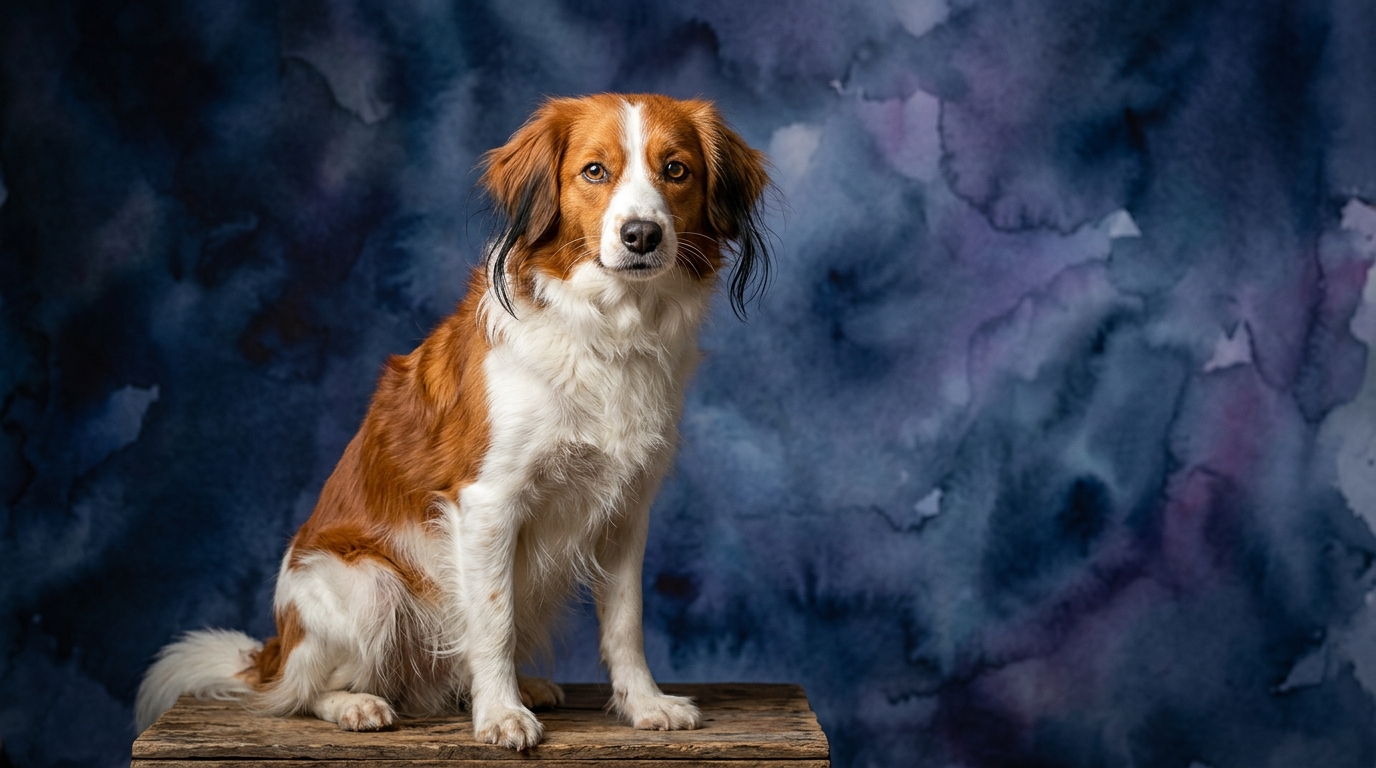
The Kooikerhondje, originating as a duck decoy dog, exhibits a Problem Solving score of 3/5 that typically applies to understanding sequential tasks and environmental manipulation. This breed needed to strategize to lure waterfowl into nets, requiring a nuanced understanding of cause-and-effect and the ability to work independently within a larger plan. Its Training Speed, also 3/5, reflects a cooperative nature and a desire to work alongside a handler, making it generally receptive to learning new commands and routines when presented with clear guidance. Social Intelligence (3/5) in a Kooikerhondje typically involves reading human cues for direction and interacting appropriately within a working context or family unit, often showing a reserved but observant nature towards strangers. The Instinctive Drive (3/5) is channeled towards its historical flushing and retrieving tasks, manifesting as a focused work ethic rather than a restless energy. Memory (3/5) allows it to retain complex commands and hunting patterns, crucial for its traditional role of repetitive, yet varied, tasks.
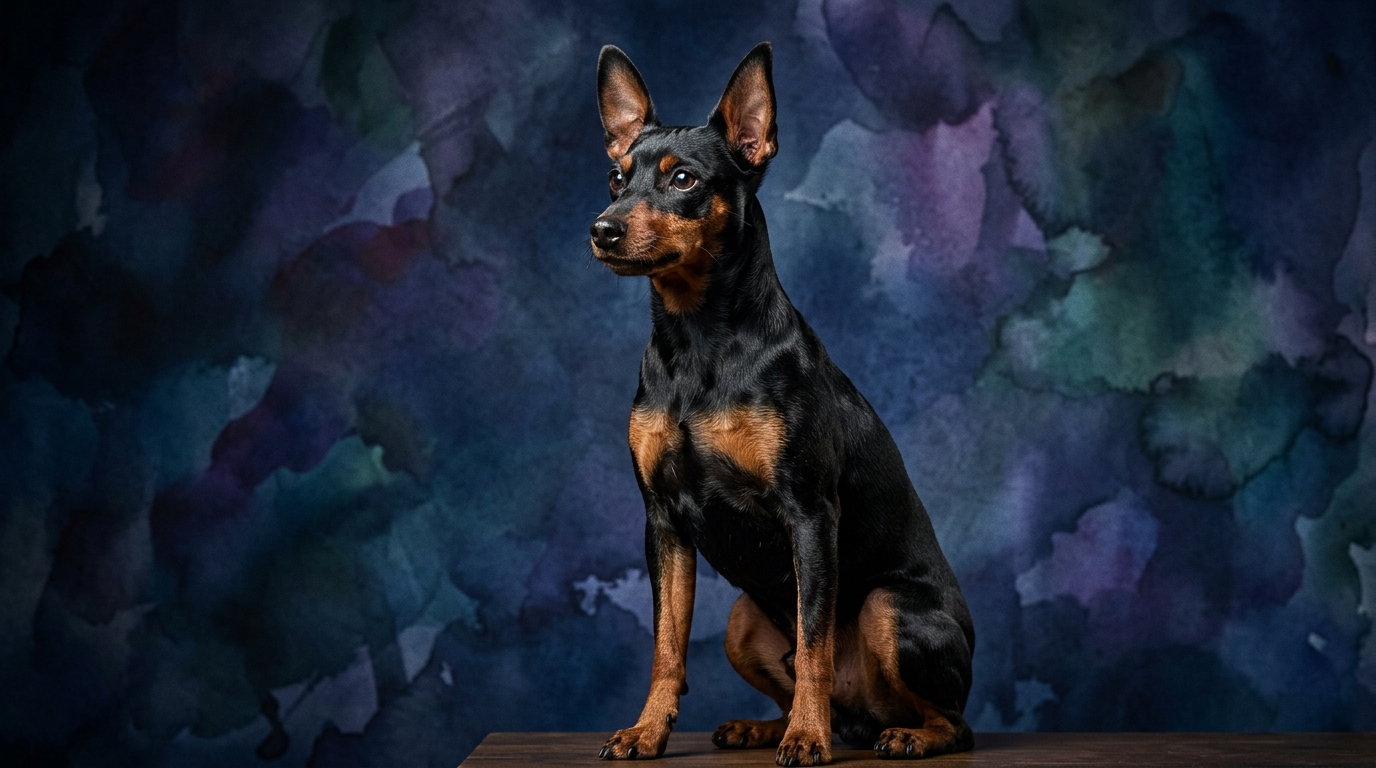
The Miniature Pinscher, known as the 'King of Toys' and a vigilant ratter, also scores 3/5 in Problem Solving, though this often appears as resourceful independence. This breed might excel at figuring out clever ways to access forbidden areas, outsmarting perceived obstacles, or locating hidden items with tenacity. Its Training Speed (3/5) can be impressive when highly motivated and engaged, though its spirited and self-assured nature means it responds best to consistent, engaging methods that appeal to its independent streak. Social Intelligence (3/5) for a Miniature Pinscher often involves astute observation of its environment and its human companions, sometimes used to assert its presence or to gauge boundaries with an air of confidence. The Instinctive Drive (3/5) is strongly rooted in its heritage as a vermin hunter, resulting in a persistent prey drive, a vigilant demeanor, and a readiness to alert. Memory (3/5) in a Min Pin is often linked to remembering past experiences, both positive reinforcements and perceived injustices, shaping its responses in future interactions with a distinctive long-term recall for events.
Where the Kooikerhondje Excels Cognitively
The Kooikerhondje's cognitive strengths, while scoring identically to the Min Pin, are particularly pronounced in scenarios requiring sustained focus and cooperative problem-solving. Its historical role demanded not just intelligence, but a willingness to apply it in partnership with a human, often over extended periods. This translates to a natural inclination for tasks that involve a sequence of actions, such as agility courses or complex obedience routines, where its memory and understanding of patterns shine. The breed's social intelligence is adept at interpreting subtle human body language and vocal cues, making it a responsive partner in activities that require precise timing and synchronized effort. This cooperative lean means its problem-solving is often directed towards achieving a shared goal, rather than solely individualistic endeavors.
Furthermore, the Kooikerhondje’s instinctive drive, while present, is typically more controllable and directed towards specific tasks. This focused drive, combined with its memory, allows it to perform intricate scent work or retrieving tasks with remarkable consistency. Its cognitive profile supports an animal that learns not just what to do, but also *how* its actions contribute to a larger objective, fostering a deeper understanding of commands and expectations. This can result in a more predictable and harmonious working relationship, as its cognitive processes are geared towards collaboration and methodical execution.
Where the Miniature Pinscher Demonstrates Cognitive Edge
The Miniature Pinscher's cognitive prowess, while also rated 3/5, tends to manifest in areas demanding quick wit, independent resourcefulness, and a strong sense of self-preservation. Its problem-solving skills are often more geared towards navigating complex, dynamic environments or finding creative solutions to immediate challenges, such as escaping an enclosure or acquiring a coveted item. This breed’s social intelligence is particularly sharp in assessing novel situations and individuals, allowing it to quickly gauge threats or opportunities. It often uses its intelligence to assert its presence or to cleverly manipulate situations to its advantage, demonstrating a distinct self-assuredness in its cognitive applications.
The Min Pin’s instinctive drive, rooted in its ratting heritage, fuels a persistent and sometimes audacious approach to tasks. This tenacity, combined with its memory, means it can be incredibly effective at tasks requiring sustained focus on a target, such as tracking or intense play. Its training speed, when properly motivated, can be exceptionally fast for tasks it deems worthwhile or engaging, often learning through observation and independent trial-and-error. The Miniature Pinscher's cognitive strengths make it a master of independent action and agile thinking, capable of adapting quickly to changing circumstances and demonstrating a distinct 'think on its feet' capability.
Training Dynamics: Which is Easier and Why?
When considering ease of training, the Kooikerhondje generally presents a smoother path for most owners. Its sporting background has instilled a biddable nature and a strong desire to work cooperatively with its handler. This breed typically thrives on positive reinforcement and clear instructions, eager to please and receptive to learning new commands. Its social intelligence is geared towards understanding and responding to human direction, making it a willing participant in training sessions. While consistent, engaging methods are still crucial, the Kooikerhondje's inherent drive to collaborate often reduces the perceived effort required from the trainer, especially in foundational obedience and multi-step tasks.
The Miniature Pinscher, conversely, can pose more of a challenge for inexperienced trainers due to its spirited independence and assertive temperament. While its training speed is good when motivated, the Min Pin's problem-solving skills and strong instinctive drive can lead to stubbornness or a tendency to 'negotiate' commands. It requires a trainer who is patient, consistent, and creative, making training feel like a partnership where the dog needs to be convinced of the value of compliance. Its social intelligence often means it tests boundaries, and its memory ensures it recalls inconsistencies in training. Success with a Min Pin often hinges on making training fun, varied, and reinforcing its belief that listening to its handler is the most rewarding choice, rather than relying on an inherent desire to please.
Ideal Owners: Active Pursuits vs. Relaxed Companionship
The Kooikerhondje is well-suited for active owners who appreciate a canine partner for various pursuits, but also enjoy periods of calm companionship. This breed requires regular physical exercise and mental stimulation, thriving on activities like obedience, agility, scent work, or even advanced trick training that leverage its cooperative nature and problem-solving abilities. While energetic, a Kooikerhondje typically enjoys downtime with its family, often content to relax indoors after its needs are met. Its cognitive profile supports an owner who engages in structured activities and values a dog that can transition from high-energy tasks to quiet family time, seeking engagement rather than constantly demanding attention. They are not suited for entirely relaxed owners, but rather those who appreciate a balanced dog.
The Miniature Pinscher, with its vibrant personality and energetic drive, is best suited for owners who are genuinely active and prepared to channel its substantial zest for life. This breed needs consistent outlets for its instinctive drive, which might manifest as a desire to chase, explore, or patrol. Owners who enjoy fast-paced games, extensive walks, or engaging in dog sports like earthdog trials or flyball will find a willing and enthusiastic partner. A Min Pin can become mischievous or destructive if bored or under-exercised, using its problem-solving skills to create its own entertainment. They thrive with owners who provide clear leadership, consistent mental engagement, and opportunities to expend their considerable energy, making them less ideal for those seeking a perpetually relaxed, low-maintenance companion.
The Verdict
Choose the Kooikerhondje if you seek a cooperative, biddable partner for varied activities, valuing a dog that engages in shared problem-solving and responds well to consistent, positive guidance. This breed thrives with owners who enjoy structured training and a dog that balances activity with serene companionship.
Opt for the Miniature Pinscher if you appreciate a spirited, independent companion with a keen mind, capable of resourceful problem-solving and requiring engaging, consistent training. This breed is ideal for active owners who can channel its tenacious drive and enjoy a dog with a distinct, self-assured personality.
🧠 Find Your Pet's IQ Score
Our Pet IQ Lab assessment covers 25+ tests across 5 cognitive dimensions — personalized to your breed.
Take the Full IQ Test →Frequently Asked Questions
Do Kooikerhondjes bark a lot?
Kooikerhondjes are known to be alert barkers, meaning they will typically vocalize to signal the arrival of strangers or unusual sounds. While not excessively yappy, their social intelligence makes them observant, so early training can help manage this tendency effectively.
Are Miniature Pinschers good with children?
Miniature Pinschers can be good with older, respectful children who understand how to interact with dogs, but their assertive nature and strong prey drive mean they might not tolerate rough play. Supervision and early socialization are crucial to ensure positive interactions within a family setting.
Which breed is more prone to separation anxiety?
Both breeds can potentially develop separation anxiety if not properly acclimated to being alone, but the Kooikerhondje, being a more cooperative and handler-oriented breed, might be slightly more prone to distress if left for extended periods without adequate mental and physical stimulation. Consistent training and gradual desensitization are beneficial for both.