Side-by-Side Cognitive Profiles: Decoding the '3/5' Score
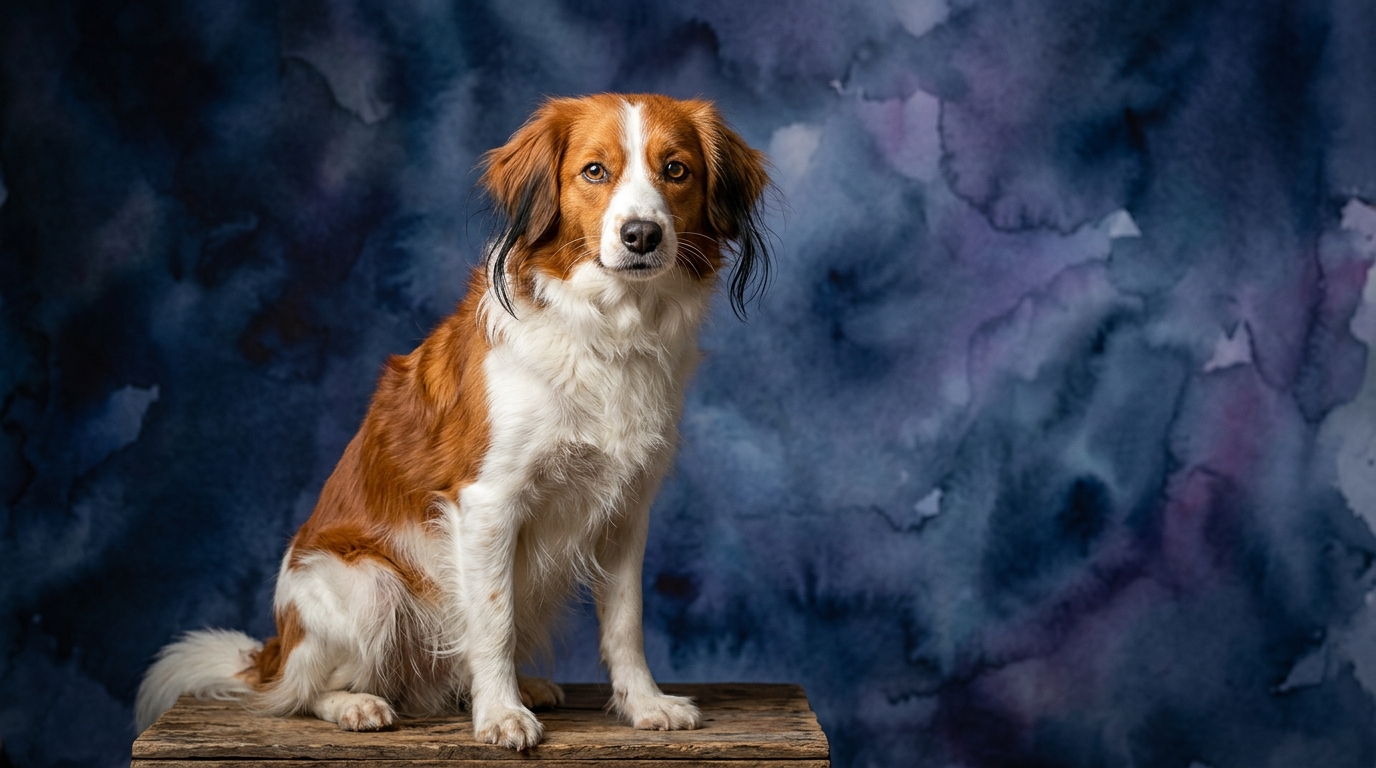
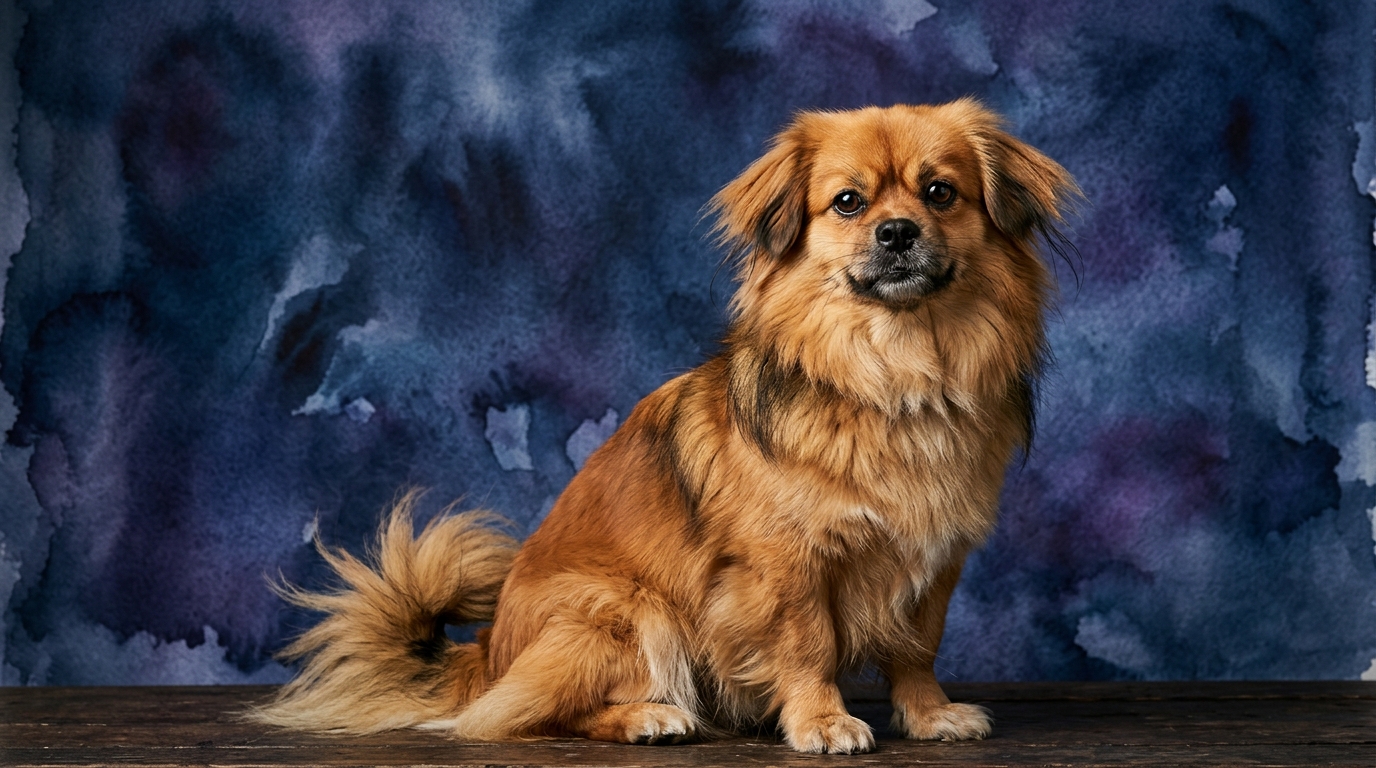
While both the Kooikerhondje and Tibetan Spaniel receive a consistent 3 out of 5 across all our Pet IQ Lab metrics, understanding what this means in their unique contexts is crucial. A '3/5' signifies a solid, average capacity, indicating neither exceptional brilliance nor significant cognitive hurdles; rather, it points to a balanced, capable mind that processes information effectively within its breed-specific framework. For the Kooikerhondje, a Sporting dog, these scores reflect a working dog's practicality, while for the Tibetan Spaniel, a companion breed, they speak to a perceptive, socially attuned nature.
Let's break down each dimension. For Problem Solving (3/5), both breeds can navigate moderate challenges, but a Kooikerhondje might apply this to understanding a multi-step retrieve, whereas a Tibetan Spaniel might use it to figure out how to get to a favorite sunbeam or manipulate a family member for attention. Training Speed (3/5) means they are neither quick-study prodigies nor exceptionally stubborn; they require consistent, positive reinforcement and clear communication, learning at a steady, manageable pace. Social Intelligence (3/5) indicates both can read human emotions and canine body language reasonably well, with the Kooikerhondje often focusing on partnership cues, and the Tibetan Spaniel on family dynamics and subtle social hierarchies within the home.
Instinctive Drive (3/5) is where their historical purposes truly diverge. The Kooikerhondje's drive is rooted in its duck-decoying heritage, manifesting as a moderate desire to chase, retrieve, and work collaboratively on tasks. For the Tibetan Spaniel, its 3/5 instinctive drive is expressed through its watchdog tendencies – a moderate alertness to its surroundings, a desire to be 'on guard' from a high vantage point, and a deep-seated need for companionship and proximity to its people, rather than a strong prey or work drive. Finally, Memory (3/5) suggests both breeds retain learned information and experiences adequately; a Kooikerhondje might remember a complex agility course, while a Tibetan Spaniel might recall the exact routine for treat time or the specific spot a favorite toy was left.
Where the Kooikerhondje Shows Its Cognitive Edge
Despite identical scores, the Kooikerhondje's cognitive strengths lean into its Sporting group heritage, making it particularly adept in scenarios requiring cooperative engagement and task completion. Its Problem Solving (3/5) often manifests as a more directed approach to overcoming physical obstacles or understanding sequences in a structured environment. For instance, when faced with a puzzle toy, a Kooikerhondje is more likely to methodically work through the mechanics to achieve the reward, demonstrating a practical application of its cognitive abilities geared towards an end goal.
The Kooikerhondje's Instinctive Drive (3/5), while moderate, is specifically channeled towards interaction and activity. This drive, combined with its Training Speed (3/5), means it often exhibits a greater eagerness to learn commands and participate in activities that mimic its historical role, such as retrieving, scent work, or agility. Its memory (3/5) is particularly effective for retaining complex routines and multi-step commands, making it a capable student for advanced obedience or dog sports where precision and sequence recall are paramount. This breed often thrives when given a 'job,' and its cognitive functions are well-suited to understanding and executing those roles with a partner.
Where the Tibetan Spaniel Shines Cognitively
The Tibetan Spaniel, while sharing the same '3/5' cognitive scores, excels in a different realm, primarily leveraging its Social Intelligence (3/5) and perceptive nature for navigating the human world. Its Problem Solving (3/5) is often less about physical tasks and more about social dynamics – understanding how to get what it wants from its family members, or cleverly finding the most comfortable, often elevated, spot in the house to observe its domain. This breed has a nuanced understanding of household routines and human moods, using its cognitive abilities to integrate seamlessly into family life rather than to perform specific tasks.
The Tibetan Spaniel's Instinctive Drive (3/5) is predominantly expressed as an alert vigilance and a strong desire for companionship. Its memory (3/5) is highly tuned to recalling faces, preferred routines, and the subtle cues of its human companions. This makes them excellent at anticipating needs or recognizing familiar visitors. Their cognitive strength lies in their ability to be highly attuned observers, processing social information and environmental changes to maintain their role as a 'little lion' watchdog and beloved family member. While not driven by a desire for complex tasks, their minds are actively engaged in monitoring and understanding their immediate social environment.
Training Dynamics: Which Breed Is Easier and Why?
Given both breeds score a 3/5 in Training Speed, neither is inherently 'easy' or 'difficult' in an absolute sense, but their motivations and approaches to learning differ significantly. The Kooikerhondje, stemming from a working background, generally presents as more biddable for task-oriented training. Its moderate instinctive drive, often expressed as a desire to engage in activities with its handler, can be a powerful motivator. They respond well to clear, consistent instruction and often enjoy the process of learning new commands or tricks, especially when it involves movement or retrieving. However, their intelligence means they can become bored or disengaged if training is repetitive or lacks purpose, requiring trainers to be creative and varied in their approach.
The Tibetan Spaniel, conversely, approaches training with a more independent spirit. While capable of learning, their motivation is less about pleasing a handler for the sake of a 'job' and more about what benefits them or aligns with their comfort. Their Social Intelligence (3/5) means they understand what is being asked, but their willingness to comply often depends on the perceived value to them. Training a Tibetan Spaniel requires immense patience, positive reinforcement, and making the learning process fun and rewarding from *their* perspective. They can be quite adept at 'selective hearing' if they don't see the point, meaning owners must be consistent and find ways to make compliance enjoyable, often through food rewards or play. Real behavioral differences include the Kooikerhondje's propensity for structured play and fetching as a training reward, versus the Tibetan Spaniel's preference for praise, comfort, and perhaps a tasty treat after a short, engaging session.
Matching Personalities: Active vs. Relaxed Owners
When considering an owner's lifestyle, the nuances of each breed's cognitive profile and temperament become even clearer. The Kooikerhondje, with its Sporting dog roots, is an excellent match for active owners who relish outdoor adventures and structured mental stimulation. Its moderate instinctive drive and problem-solving abilities mean it thrives on activities like long hikes, agility, obedience trials, or even scent work. An owner who can provide consistent training, varied exercise, and opportunities to use its clever mind will find the Kooikerhondje a devoted and engaged partner. This breed needs more than just a walk around the block; it needs to be an active participant in its owner's life, engaging both body and mind to prevent boredom and potential mischievousness.
The Tibetan Spaniel, while not a couch potato, is generally better suited for more relaxed owners who appreciate a vigilant but ultimately calm and affectionate companion. Its moderate energy levels are often satisfied with shorter, regular walks and playful sessions indoors or in a secure yard. Its social intelligence and companion-oriented instinctive drive mean it thrives on close proximity to its human family, enjoying cuddle time on the sofa or simply observing the household from a comfortable perch. Owners who value a perceptive, loyal presence more than a high-octane adventure buddy will find the Tibetan Spaniel a perfect fit. They are content with a less demanding exercise routine, preferring to invest their cognitive energy in observing, interacting, and being an integral, watchful part of the family.
The Verdict
Choose the Kooikerhondje if you are an active owner seeking an engaged, clever partner for outdoor activities and enjoy consistent, task-oriented training.
Opt for the Tibetan Spaniel if you desire a perceptive, loyal companion who thrives on social connection, moderate activity, and appreciates an independent, watchful presence in the home.
🧠 Find Your Pet's IQ Score
Our Pet IQ Lab assessment covers 25+ tests across 5 cognitive dimensions — personalized to your breed.
Take the Full IQ Test →Frequently Asked Questions
Are Kooikerhondjes good family dogs?
Yes, Kooikerhondjes can be excellent family dogs, forming strong bonds with their human companions. However, their energy and need for mental engagement mean they thrive best with families who provide structure, consistent training, and ample opportunities for activity and interaction.
Do Tibetan Spaniels bark a lot?
Tibetan Spaniels possess strong watchdog instincts, meaning they can be prone to barking at perceived threats, strangers, or unusual sounds. Consistent training and early socialization are essential to help manage their vocal tendencies, teaching them when it's appropriate to alert.
How much exercise does a Kooikerhondje need?
A Kooikerhondje typically requires at least 60 minutes of varied physical and mental activity daily, benefiting from structured play, brisk walks, and brain games to keep them content. They are not content with just a quick potty break and thrive on having a 'job' or engaging in dog sports.