Side-by-Side Cognitive Profiles
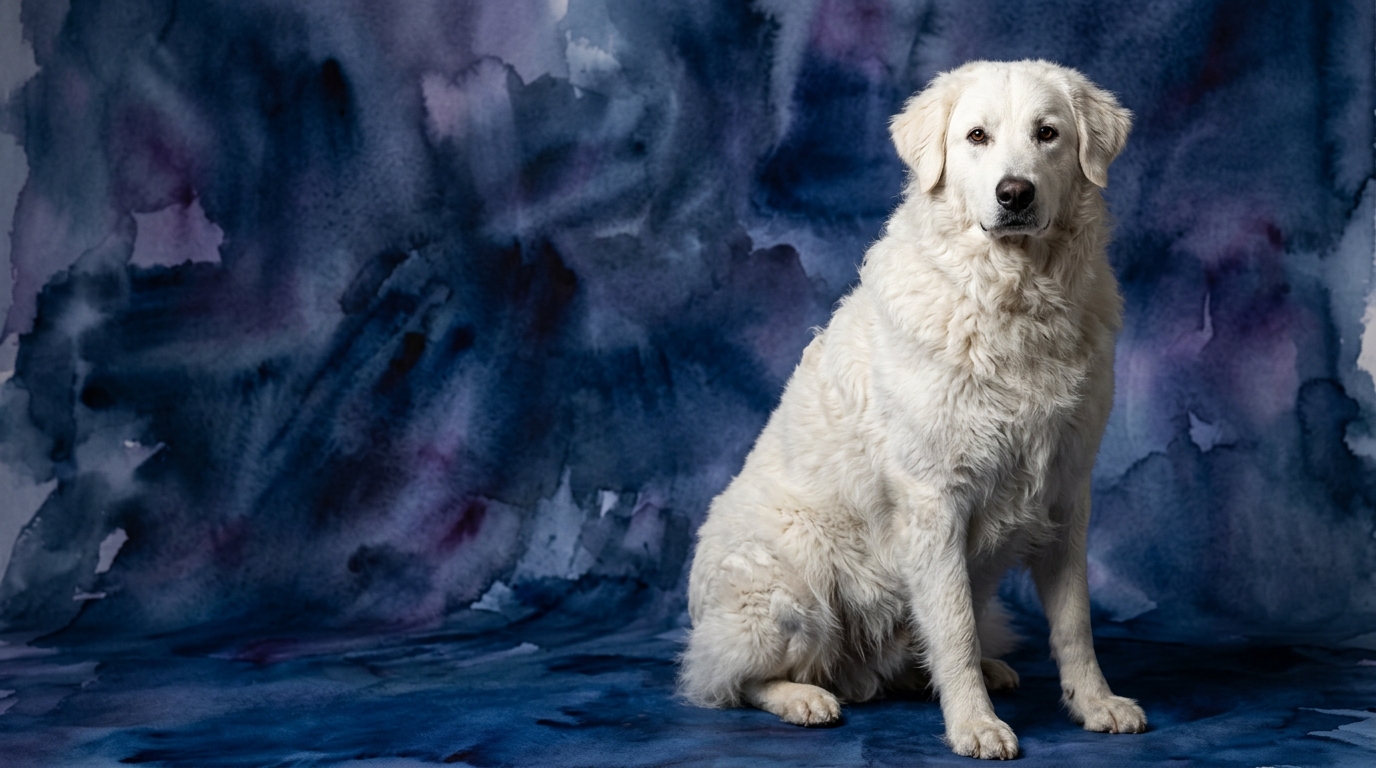
The Kuvasz, a working breed with a Coren ranking of #42, presents a cognitive profile sculpted by centuries of independent guardianship. Its problem-solving ability stands at 3/5, indicating a capacity for independent thought in complex situations, often related to protecting its charges. Training speed is also 3/5, reflecting a steady but not always instantaneous uptake of commands, influenced by its inherent self-reliance. Social intelligence for the Kuvasz is rated 3/5, typically directed towards understanding its flock and potential threats rather than solely human interaction. Its instinctive drive, 3/5, is powerfully geared towards protection and vigilance. Crucially, the Kuvasz boasts a memory score of 4/5, enabling it to recall complex patterns, threats, and territory over long periods, a vital asset for its guardian role.
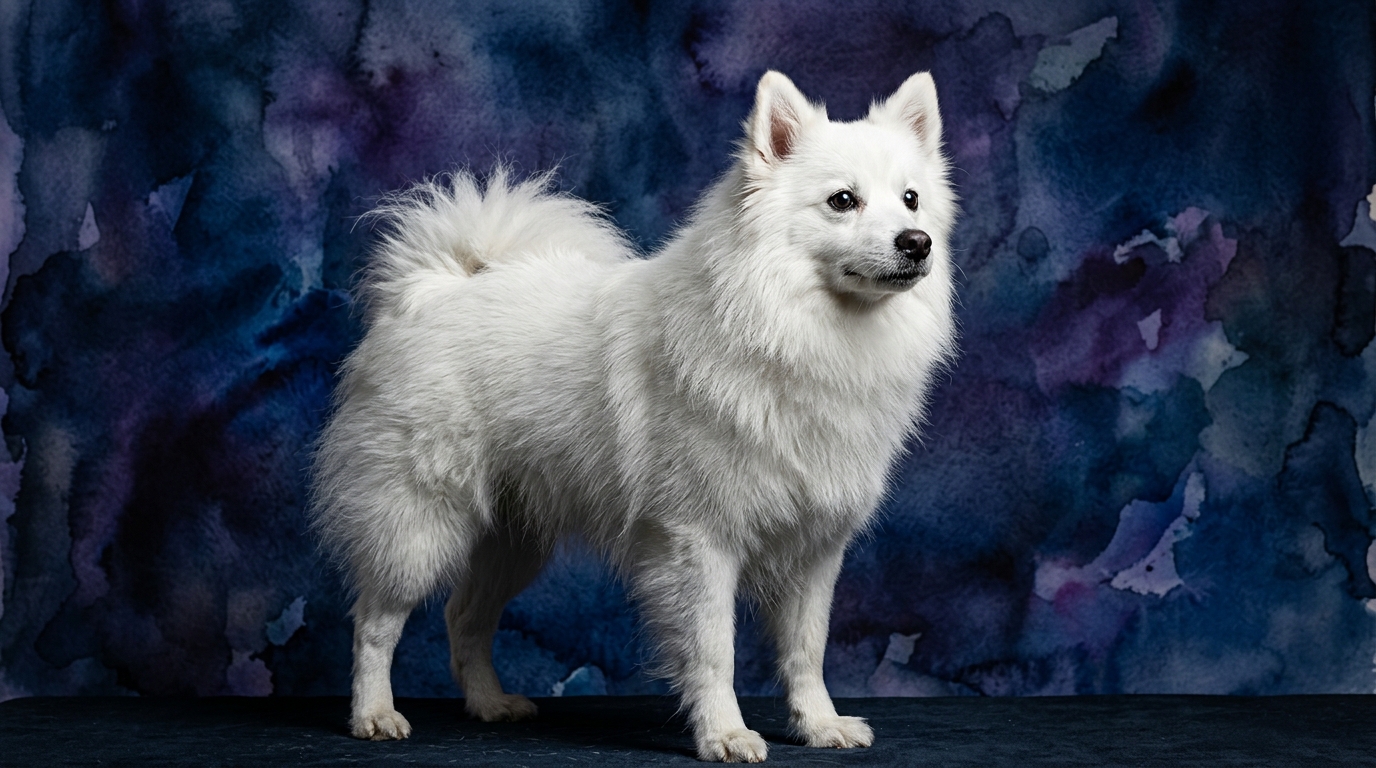
In contrast, the American Eskimo Dog, a non-sporting companion breed not featured on Coren's ranking, exhibits a more balanced and generally amiable cognitive makeup. Its problem-solving ability is 3/5, often applied to navigating its human environment or figuring out puzzle toys. Training speed is also 3/5, suggesting a moderate pace for learning new behaviors, though often balanced by a strong desire to please. The American Eskimo Dog's social intelligence is 3/5, frequently expressed through keen observation of human emotions and social cues within its family unit. Its instinctive drive, also 3/5, is commonly channeled into playful interaction, vocal communication, and a desire for companionship. The American Eskimo Dog's memory is rated 3/5, sufficient for remembering routines, commands, and familiar faces, but perhaps not with the same depth for environmental detail as the Kuvasz.
Where the Kuvasz Excels Cognitively
The Kuvasz's standout cognitive strength lies in its superior memory, rated at 4/5. This isn't just about remembering where the treat jar is; it's a deep, contextual memory vital for its traditional role. A Kuvasz can remember the subtle patterns of its flock, the regular movements of wildlife, and the specific behaviors of potential intruders over extended periods. This enduring recall allows it to build comprehensive mental maps of its territory and its inhabitants, making it an exceptionally reliable and proactive guardian. Such a memory enables it to learn complex, long-term strategies for protection, adapting its vigilance based on past observations.
Furthermore, the Kuvasz's specific application of its 3/5 problem-solving and social intelligence is uniquely effective in its working context. Its cognitive processes are often directed towards autonomous decision-making in the absence of human instruction. When faced with a perceived threat, a Kuvasz doesn't wait for a command; it assesses the situation using its ingrained instincts and learned experiences, then acts. This independent cognitive processing, combined with its robust memory, positions the Kuvasz as a breed capable of sophisticated, self-directed solutions to real-world challenges, a trait less emphasized in breeds primarily bred for companionship.
Where the American Eskimo Dog's Cognitive Profile Shines
While the American Eskimo Dog's individual cognitive scores might not surpass the Kuvasz in raw numbers, its cognitive profile shines in its balanced application and adaptability within a human household. Its 3/5 problem-solving and social intelligence, coupled with a strong desire for interaction, make it adept at understanding and navigating the nuanced social dynamics of a family. An Eskie often uses its cognitive abilities to interpret human moods, anticipate routines, and even 'talk' its way into attention, demonstrating a nuanced understanding of its social environment that is highly beneficial for a companion animal.
The American Eskimo Dog's cognitive strengths are particularly evident in its capacity for cooperative learning and engagement. Despite a 3/5 training speed, its eagerness to participate and its inherent focus on its human family can make it feel highly responsive and mentally engaged in activities like obedience, tricks, or dog sports. Its cognitive energy is readily channeled into collaborative tasks, making it a rewarding partner for owners who enjoy interactive training and mental games. This contrasts with the Kuvasz's more independent cognitive application, where its mental efforts are often directed outward, towards its perceived duties.
Training Dynamics: Kuvasz vs. American Eskimo Dog
Despite both breeds having a 3/5 training speed, the practical experience of training a Kuvasz versus an American Eskimo Dog can differ significantly due to their underlying behavioral motivations. The Kuvasz's independence, a cornerstone of its guardian role, means it often questions commands or weighs them against its own judgment of a situation. This isn't a lack of intelligence, but rather a strong self-reliance and an instinctive drive (3/5) to make its own decisions. Training a Kuvasz requires immense patience, consistency, and a deep understanding of its protective instincts, often necessitating an approach that convinces the dog a command is logical and beneficial, rather than simply demanding compliance.
The American Eskimo Dog, conversely, often approaches training with an eager-to-please attitude and a strong focus on its human companion. While its training speed is also 3/5, its social intelligence (3/5) is typically applied to forming strong bonds and seeking approval from its family. This inherent cooperativeness can make the training process feel more straightforward and less challenging for the average owner. Eskies thrive on positive reinforcement and mental engagement with their people, making them generally more amenable to traditional obedience training and diverse learning activities. Their vocal nature can be a training point, but it also reflects their communicative and responsive cognitive style.
Matching Breeds to Lifestyles: Active vs. Relaxed Owners
For active owners seeking a dog that thrives on purpose and independent work, the Kuvasz might be a compelling match. Its origins as a working guardian mean it requires more than just physical exercise; it needs mental engagement that taps into its instinctive drives and problem-solving abilities. Owners who can provide a 'job' – whether it's guarding property, participating in protection sports, or engaging in complex scent work – will find a Kuvasz's cognitive needs are met. This breed is not suited for passive companionship; its strong will and need for mental stimulation demand an owner who is equally engaged and experienced in managing a powerful, independent canine mind.
The American Eskimo Dog, while energetic and playful, is generally a better fit for active owners who prioritize companionship and interactive activities. They enjoy walks, games of fetch, and learning new tricks, and their cognitive profile makes them excellent partners for agility or obedience. While they appreciate a good run, their mental and physical needs can often be satisfied through regular engagement with their family in a variety of settings, from urban parks to suburban homes. They adapt well to an owner's routine, provided there's consistent mental stimulation and social interaction, making them suitable for owners who are active but also enjoy relaxed indoor time with their canine companion.
The Verdict: When to Choose Each Breed
The Verdict
Choose a Kuvasz if you are an experienced owner with a deep understanding of guardian breeds, prepared to provide consistent, firm, and patient training, and can offer a structured environment where its protective instincts and superior memory can be channeled constructively.
Opt for an American Eskimo Dog if you desire an intelligent, interactive companion who thrives on family involvement, is eager to learn, and offers a balanced cognitive profile well-suited to a variety of active, companion-oriented lifestyles.
🧠 Find Your Pet's IQ Score
Our Pet IQ Lab assessment covers 25+ tests across 5 cognitive dimensions — personalized to your breed.
Take the Full IQ Test →Frequently Asked Questions
Are Kuvasz dogs suitable for first-time owners?
Generally, no. Their independent nature, strong protective instincts, and need for consistent, experienced guidance make them challenging for those new to dog ownership. They require an owner who understands breed-specific behaviors and is prepared for dedicated training.
Do American Eskimo Dogs require a lot of mental stimulation?
Yes, American Eskimo Dogs are intelligent and thrive on mental engagement. Daily interactive play, puzzle toys, obedience training, and learning new tricks are essential to keep their minds active and prevent boredom, which can lead to undesirable behaviors.
How do these breeds typically interact with children?
A well-socialized Kuvasz can be a loyal family guardian, but its size and protective nature mean supervision is crucial, especially with younger children. American Eskimo Dogs, with their social intelligence and playful nature, often do very well with children when properly socialized and trained, enjoying interactive games and being part of family activities.