Side-by-Side IQ Profile: Kuvasz vs. Bedlington Terrier
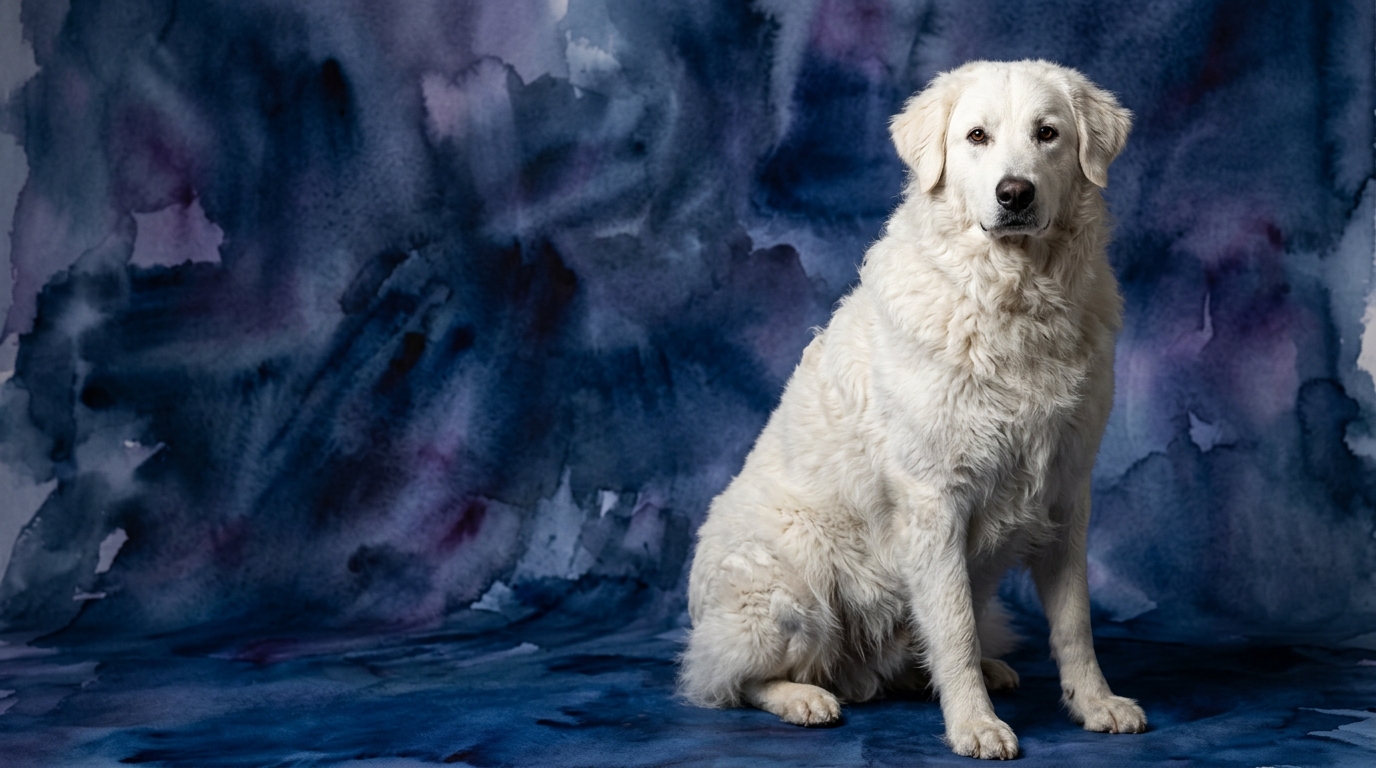
The Cosmic Pet Pet IQ Lab employs five dimensions to evaluate canine intelligence, offering a granular look at how different breeds process information and interact with their world. For the Kuvasz, a Working breed ranked #42 by Coren, we see a distinct cognitive pattern. Its Problem Solving is rated 3/5, reflecting an ability to make independent decisions, often crucial for its guardian role, without constant human oversight. Training Speed is also 3/5; while capable of learning, their independent nature means they must perceive the value in a command to comply readily. Social Intelligence stands at 3/5, indicating an awareness of family dynamics and environmental cues, though typically reserved with strangers. The Instinctive Drive is 3/5, primarily manifesting as a powerful protective instinct over its family or territory. Finally, its Memory is a robust 4/5, allowing for excellent recall of routines, past experiences, and perceived threats.
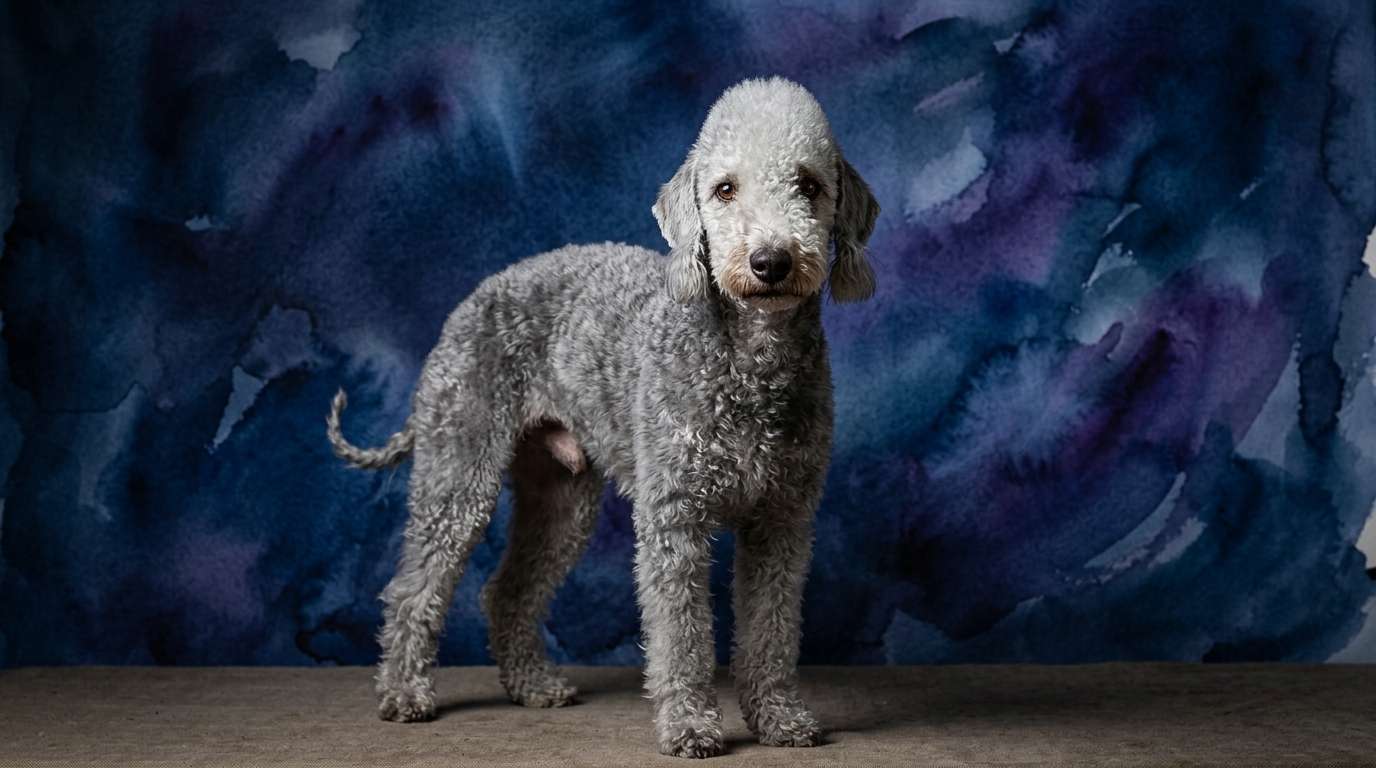
The Bedlington Terrier, a Terrier breed without a specific Coren ranking, presents a profile with similar numerical scores but different underlying cognitive applications. Its Problem Solving is 3/5, showcasing a clever, resourceful mind adept at navigating complex environments or outwitting small prey. Training Speed is 3/5; they can grasp concepts quickly, but their independent terrier spirit means engagement and motivation are key to consistent performance. Social Intelligence is 3/5, indicating an observant nature within their family unit and a selective social engagement with others, often displaying a charming yet sometimes feisty demeanor. Instinctive Drive is 3/5, strongly rooted in their historical purpose as hunters, exhibiting persistent focus and determination in pursuit. Their Memory is 3/5, a solid capacity for recalling commands and routines, though perhaps less focused on the broad environmental awareness seen in guardian breeds.
Where the Kuvasz Wins Cognitively
The Kuvasz exhibits a clear cognitive advantage in long-term memory and self-sufficient decision-making, particularly within its intended role. With a Memory score of 4/5 compared to the Bedlington's 3/5, the Kuvasz demonstrates superior recall for intricate details of its environment, past encounters, and the routines of its charges. This deep memory underpins its ability to discern normal patterns from potential threats over extended periods, a critical asset for a livestock guardian. It allows them to recognize recurring individuals, anticipate environmental changes, and remember specific threats without needing repeated exposure. This isn't just about remembering commands, but about a comprehensive, almost encyclopedic, recall of its world.
Furthermore, while both breeds score 3/5 in Problem Solving, the Kuvasz's cognitive strength lies in its capacity for independent problem-solving on a grand scale. Its historical role demanded autonomous decision-making in the absence of human direction, such as identifying and deterring predators without explicit commands. This translates to a mental framework that prioritizes self-reliance and strategic thought in managing its territory and protecting its family, relying on its keen observational skills and memory to inform its actions rather than seeking constant human input for every perceived challenge.
Where the Bedlington Terrier Wins Cognitively
The Bedlington Terrier's cognitive strengths lie in its agility of thought and focused resourcefulness, particularly in dynamic, close-quarters situations. Its Problem Solving, while rated 3/5 like the Kuvasz, is often applied to navigating intricate physical spaces or outmaneuvering small prey. This requires rapid assessment, quick adjustments, and creative solutions to immediate, tangible challenges, showcasing a different type of cognitive flexibility compared to the Kuvasz's broader, more deliberate strategic thinking. They are adept at finding novel ways to achieve their objectives, whether it's retrieving a hidden toy or investigating an interesting scent.
Moreover, the Bedlington's Instinctive Drive (3/5) manifests as a persistent, targeted resourcefulness in pursuit, a specific cognitive application. This drive fuels their determination and focus, allowing them to concentrate intensely on a task or target. This cognitive persistence, combined with their quick thinking, makes them remarkably effective in activities that mimic their historical hunting roles, such as earthdog trials or lure coursing. Their ability to maintain focus amidst distractions and adapt their approach on the fly gives them an edge in engaging, fast-paced challenges where a Kuvasz might be more inclined to ponder before acting.
Training: Which is Easier and Why?
Neither the Kuvasz nor the Bedlington Terrier are typically described as 'easy' to train, though for vastly different reasons rooted in their behavioral tendencies. The Kuvasz's profound independence and self-reliance, stemming from centuries of guarding livestock autonomously, mean they are not naturally inclined to eager obedience for obedience's sake. They often question commands and need to understand the 'why' behind an instruction before complying. Training a Kuvasz requires immense patience, unwavering consistency, and building a strong foundation of trust and respect. Their protective instincts also necessitate early and thorough socialization to ensure they differentiate between genuine threats and everyday interactions, preventing over-guarding behaviors.
The Bedlington Terrier, on the other hand, presents a different set of training hurdles due to its classic terrier stubbornness and powerful prey drive. While they can pick up new concepts quickly when motivated, their independent spirit means they may choose to ignore a command if something more interesting, like a scurrying squirrel or an enticing scent, captures their attention. Training needs to be exceptionally engaging, short, positive, and highly rewarding to maintain their focus. Their smaller size can make managing occasional defiance less physically demanding than with a Kuvasz, but their persistent nature requires equally firm and consistent boundaries, coupled with creative motivational strategies to channel their drive constructively.
Matching Breeds to Lifestyles: Active vs. Relaxed Owners
The Kuvasz is best suited for owners who are active in the sense of being consistently present, engaged in their dog's mental and physical well-being, and prepared for a long-term commitment to a dog with a strong will. They need space, a 'job' (even if it's guarding the home and family), and consistent mental stimulation to prevent boredom and channel their guardian instincts appropriately. While they aren't necessarily jogging partners, they thrive on having a purpose and ample opportunity to survey their domain. A relaxed owner who expects a passively obedient dog or lacks the time for consistent training and socialization might find the Kuvasz's independence and protective nature overwhelming and potentially problematic without proper management.
The Bedlington Terrier also requires active owners, but their activity often translates into a need for varied engagement and outlets for their significant energy and prey drive. These dogs thrive with owners who enjoy structured play, training games, and diverse activities like agility, earthdog trials, or long, stimulating walks. They can be calm and affectionate indoors, but their potential for mischief and destructive behaviors escalates rapidly if their mental and physical needs are not met through regular, stimulating exercise and interaction. A truly relaxed owner who prefers minimal dog engagement might struggle with the Bedlington's need for consistent mental and physical challenges to prevent boredom-induced undesirable behaviors.
The Verdict: When to Choose Each Breed
The Verdict
Choose the Kuvasz if you seek a majestic, independent guardian with exceptional memory for its duties, are prepared for a long-term commitment to consistent, understanding training, and can provide ample space and a clear role within your family.
Opt for the Bedlington Terrier if you appreciate a spirited, resourceful companion, are prepared for engaging, positive training to channel their terrier drive, and desire a dog adaptable to various active pursuits and playful interactions.
🧠 Find Your Pet's IQ Score
Our Pet IQ Lab assessment covers 25+ tests across 5 cognitive dimensions — personalized to your breed.
Take the Full IQ Test →Frequently Asked Questions
Do Kuvasz and Bedlington Terriers perform similarly in obedience competitions?
While both are capable of learning, their temperaments affect performance. Bedlingtons, with consistent, engaging training, might excel in agility or earthdog trials, while Kuvasz might find traditional obedience less intrinsically rewarding due to their independent nature and preference for self-directed tasks.
How do their social intelligence ratings (3/5) manifest differently?
A Kuvasz's social intelligence often involves astute observation of their family unit and potential threats, leading to reserved but deeply loyal bonds, often with a cautious approach to strangers. A Bedlington Terrier's social intelligence can manifest as charming interaction within their chosen circle, coupled with a keen awareness of other dogs' intentions, sometimes leading to spirited exchanges or selective friendships.
Is one breed more prone to destructive behaviors if not mentally stimulated?
Both breeds can exhibit destructive behaviors if bored or under-stimulated, though the manifestations differ. A Kuvasz might become overly protective, bark excessively, or engage in extensive digging, while a Bedlington Terrier, with its terrier drive, might engage in persistent digging, chewing, or vocalization if its mental and physical needs aren't adequately met.