Side-by-Side IQ Profile: Kuvasz vs. Glen of Imaal Terrier
The Cosmic Pet Pet IQ Lab evaluates canine intelligence across five key dimensions. Let's examine how the Kuvasz and Glen of Imaal Terrier stack up:
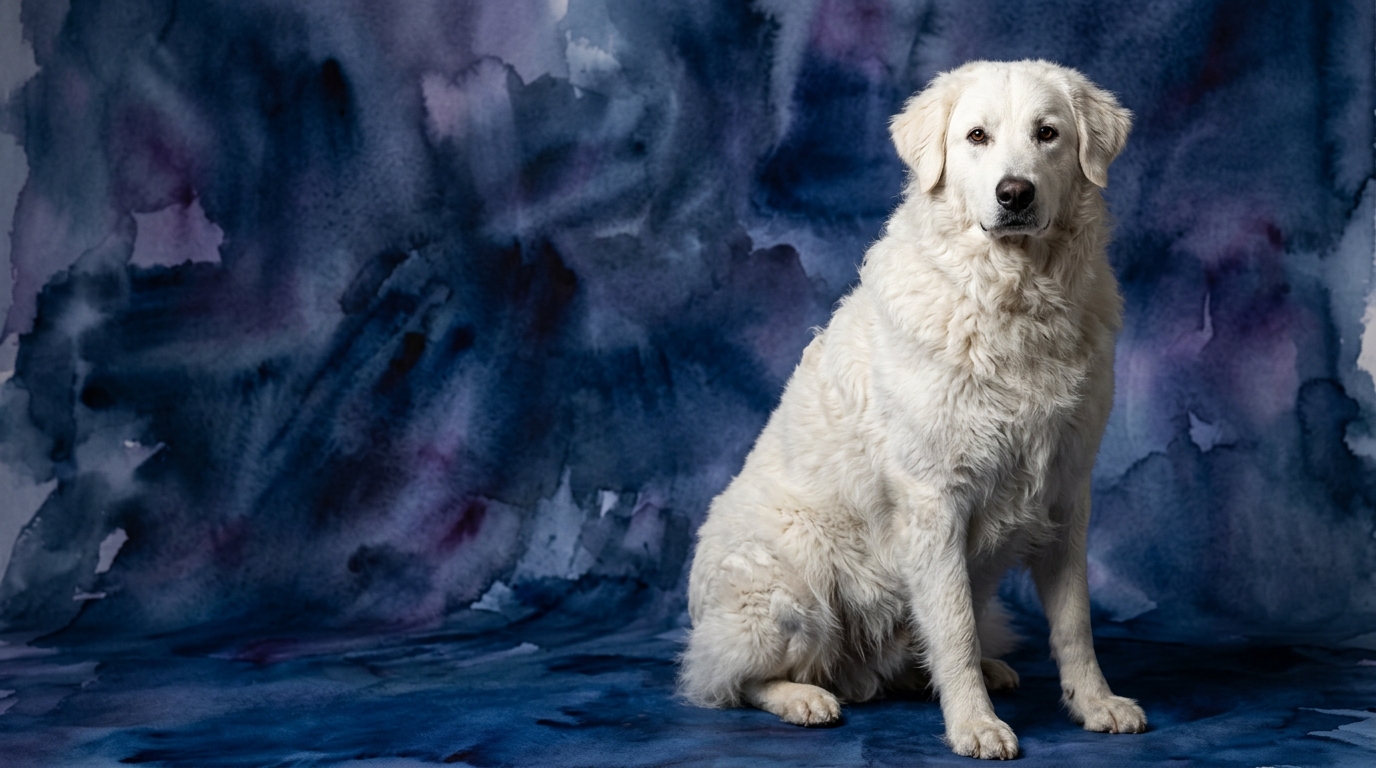
Kuvasz (Working Group, Coren Rank #42): The Kuvasz demonstrates an aptitude for assessing complex environmental scenarios, particularly those involving potential threats to their charges. Their solutions are often strategic and independent, prioritizing the safety and security of their flock or family unit over immediate human commands. This manifests as a thoughtful, sometimes slow-to-react, evaluation of a situation before committing to a course of action, often leveraging their territorial awareness. While capable of absorbing and understanding new commands, the Kuvasz's training progression is often tempered by their inherent independence. They process information efficiently, but their compliance is frequently contingent on whether the task aligns with their perceived duties as a guardian or if the handler has established themselves as a truly respected leader. This isn't defiance, but rather a strong sense of self-direction. Within their trusted circle, the Kuvasz is highly perceptive, keenly discerning the intentions, emotional states, and subtle cues of their family members or flock. With strangers, however, they adopt a reserved and evaluative stance, carefully assessing new social dynamics for any potential threat before offering acceptance. This deep attunement to their inner circle is a hallmark of their protective nature. A powerful and persistent protective instinct defines the Kuvasz, fueling their vigilance and territoriality. This drive manifests as an intrinsic need to monitor their surroundings, patrol boundaries, and act as an unwavering sentinel for their perceived territory and occupants. It's a deep-seated, ancient impulse that shapes their entire being. Possessing an excellent memory, the Kuvasz retains detailed information about routines, past threats, the layout of their territory, and the identities of individuals. They effectively recall training and past experiences, drawing upon this extensive mental catalog to inform future decisions and maintain consistent protective behaviors. This long-term retention is critical for their guardian role.
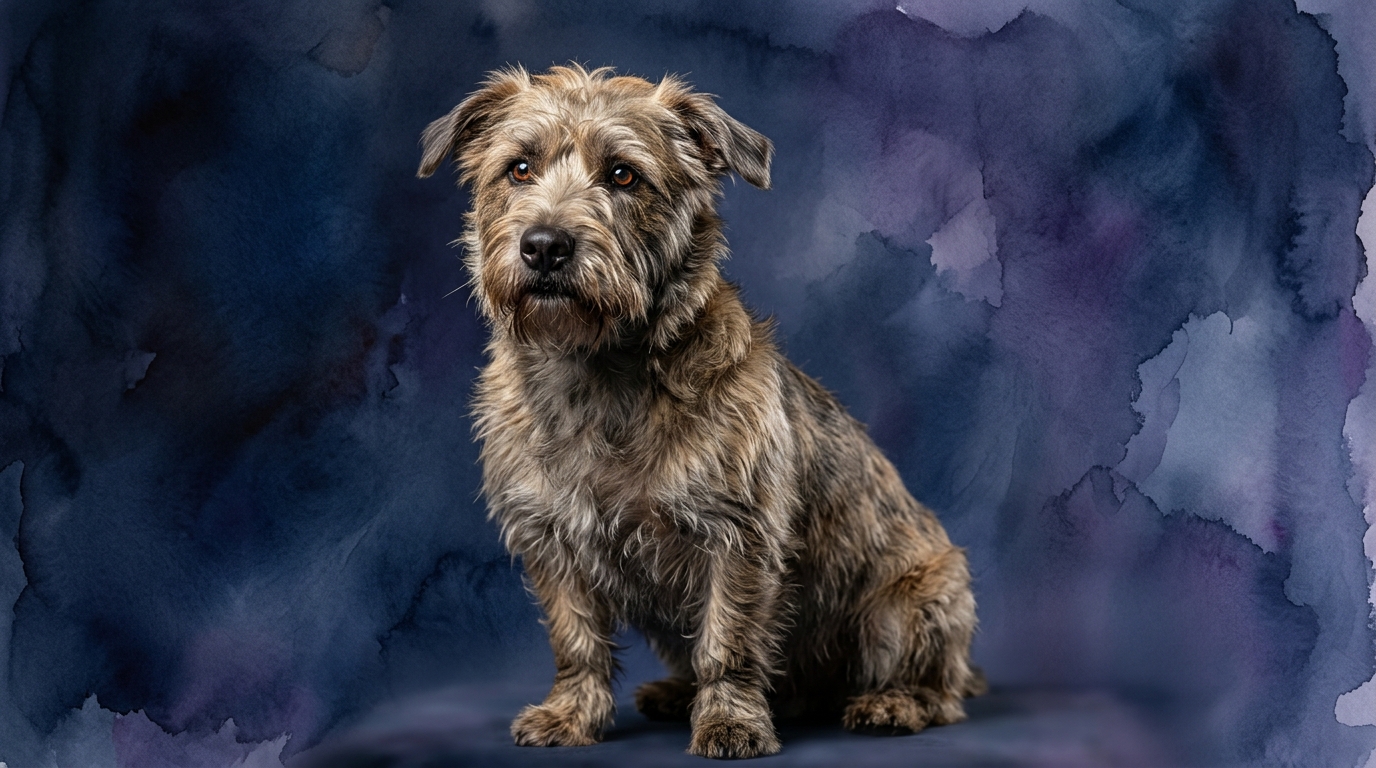
Glen of Imaal Terrier (Terrier Group, Not Coren-ranked): The Glen of Imaal Terrier exhibits a resourceful and determined approach to problem-solving, particularly when faced with physical challenges or the pursuit of a goal. Their solutions often involve persistence, clever manipulation of their environment, and a relentless focus on overcoming obstacles, much like their historical task of rooting out badgers from their setts. This is a practical, hands-on form of intelligence. Glens are capable learners and can pick up commands relatively quickly when motivated by engaging methods and positive reinforcement. However, their strong terrier tenacity means they can develop "selective hearing" if a command conflicts with a more appealing instinct, such as chasing a scent. Consistency and making training fun and rewarding are paramount to their success. Glens typically engage with their human companions with a devoted and often playful disposition, displaying a keen awareness of family dynamics and moods. While generally good-natured, they can exhibit typical terrier assertiveness when interacting with other dogs, often evaluating social hierarchies and standing their ground. They form strong, interactive bonds with their chosen people. A potent prey drive, coupled with an innate urge to dig and explore, defines the Glen of Imaal Terrier. This deeply ingrained instinct is a core component of their historical purpose as vermin hunters and manifests as a relentless curiosity and a desire to investigate every interesting scent or potential den. This drive is a fundamental aspect of their personality. Glens retain learned behaviors, associations, and routines effectively, particularly those linked to positive reinforcement, engaging activities, and the boundaries of their familiar environment. Their memory serves their persistent nature, allowing them to recall successful strategies for obtaining rewards or navigating their world.
Where the Kuvasz Wins Cognitively
The Kuvasz’s standout cognitive advantage emerges in its superior memory (4/5), scoring higher than the Glen of Imaal Terrier’s (3/5). This enhanced capacity for recall is not merely about remembering commands; it underpins their entire function as a livestock guardian. A Kuvasz can remember the specific scent of a predator from weeks prior, the intricate layout of their expansive territory, the individual characteristics of each flock member, and the subtle cues of human intentions over extended periods. This formidable memory allows them to build a comprehensive mental map of their world, anticipate threats, and make informed, independent decisions based on a rich tapestry of past experiences. Their problem-solving, while rated similarly, is profoundly informed by this extensive memory, enabling them to devise long-term strategies for protection rather than just immediate, localized solutions.
Where the Glen of Imaal Terrier Wins Cognitively
While sharing similar scores in most IQ dimensions, the Glen of Imaal Terrier's cognitive prowess shines through its problem-solving (3/5) applied with an unwavering instinctive drive (3/5). Their problem-solving isn't about broad environmental assessment like the Kuvasz, but rather a relentless, focused determination to achieve a specific, often physical, goal. Imagine a Glen faced with a toy hidden under an obstacle: they will methodically, persistently, and often creatively work to retrieve it, fueled by their innate drive. This translates into a remarkable tenacity in tasks requiring sustained effort, whether it's navigating a complex scent trail, digging to reach a perceived "prey," or figuring out how to bypass a gate. Their social intelligence, though rated identically, often manifests in a more direct, interactive, and charmingly stubborn engagement with their immediate family, distinct from the Kuvasz's more watchful, distant social monitoring.
Which is Easier to Train and Why
Both the Kuvasz and the Glen of Imaal Terrier possess a training speed score of 3/5, indicating they are capable of learning, yet neither is inherently "easy" to train, though their challenges stem from different aspects of their cognitive makeup.
The Kuvasz's training hurdles are deeply rooted in their historical role as independent livestock guardians. These dogs were bred to make critical decisions autonomously, often without direct human instruction, to protect their flock from predators. Consequently, they possess a strong sense of self-reliance and an inherent skepticism towards commands that don't immediately align with their perceived duties or logical assessment of a situation. A Kuvasz will understand a command, but their compliance is often a considered choice based on their judgment and respect for their handler's leadership, rather than an automatic desire to please. Training a Kuvasz demands immense patience, unwavering consistency, and a profound understanding of their guardian mindset, focusing on building a deep, trust-based relationship where the human is seen as a wise and respected leader, not just a drill sergeant. Their independent nature can be misinterpreted as stubbornness, but it's more accurately a manifestation of their breed's purpose-driven decision-making.
In contrast, the Glen of Imaal Terrier's training difficulties arise from their characteristic terrier tenacity and potent prey drive. Glens are quick to learn when the training is engaging and rewarding, but their strong instincts can easily divert their attention. A captivating scent, a scurrying critter, or an interesting digging opportunity can quickly render a handler's commands temporarily irrelevant. They can exhibit a charmingly stubborn streak when their will conflicts with a handler's, often displaying a "what's in it for me?" attitude. Successful training for a Glen requires a highly motivating approach, abundant positive reinforcement, and a handler who is more clever, consistent, and persistent than the terrier. Their "selective deafness" is less about a lack of understanding and more about their intense focus on their own agenda, which can be challenging for an owner to redirect.
Ultimately, neither breed is suitable for a novice owner seeking a dog that will passively follow instructions. The Kuvasz requires a leader who respects and channels their powerful autonomy, while the Glen needs a handler who can skillfully outwit their tenacious stubbornness and redirect their intense, instinctual drives with engaging methods.
Which Suits Active Owners vs. Relaxed Owners
Neither the Kuvasz nor the Glen of Imaal Terrier are truly suited for "relaxed" owners in the sense of minimal daily engagement; both breeds demand dedicated, consistent, and active participation from their humans, albeit in different forms.
The Kuvasz, despite its often calm and watchful demeanor indoors, is a large, powerful working dog that requires a substantial commitment from its owners. Their protective instincts, need for a sense of purpose (even if it's guarding their family and property), and historical role as independent decision-makers mean they thrive with owners who provide ample space, consistent and respectful training, and opportunities for purposeful activity. They are not a breed for small living spaces or a sedentary lifestyle. Owners must be experienced, patient, and capable of providing firm, consistent leadership to manage a self-reliant and formidable guardian. Their activity needs lean towards patrolling, monitoring, and regular, structured walks that allow them to observe their surroundings, rather than high-intensity, continuous exercise.
The Glen of Imaal Terrier, while significantly smaller than the Kuvasz, is far from a low-maintenance companion. Their terrier drive and inherent energy demand regular physical exercise, outlets for their digging instincts, and significant mental stimulation through engaging games, puzzle toys, and consistent training. They need owners who appreciate their spunky, tenacious nature and can provide safe, controlled opportunities to channel their prey drive and exploratory instincts. This might involve participating in dog sports like earthdog trials, agility, or engaging in interactive play sessions that challenge their clever minds. They are well-suited for active owners who enjoy engaging with a witty, persistent terrier and who are prepared to provide consistent boundaries and stimulating activities to prevent boredom and undesirable behaviors.
The Verdict
Choose the Kuvasz if you seek a majestic, independent guardian with a formidable memory and a deep-seated protective instinct for your family and property, and you are prepared for a long-term commitment to consistent, respectful leadership.
Choose the Glen of Imaal Terrier if you desire a tenacious, clever companion with a strong will and a playful spirit, and you are ready to engage in consistent, positive-reinforcement training to channel their terrier drive and persistence.
🧠 Find Your Pet's IQ Score
Our Pet IQ Lab assessment covers 25+ tests across 5 cognitive dimensions — personalized to your breed.
Take the Full IQ Test →Frequently Asked Questions
Are Kuvasz good with other pets?
Kuvasz can be good with other pets if raised with them from a young age, as their protective instinct extends to their perceived "flock." However, their large size and strong guardian nature mean introductions to new animals must be handled carefully and supervised.
Do Glen of Imaal Terriers bark a lot?
Glen of Imaal Terriers can be vocal, using barks to alert their owners to perceived intruders or to express excitement. While not excessively yappy, their terrier nature means they will certainly let you know when something warrants their attention.
Which breed is better for first-time dog owners?
Neither breed is typically recommended for first-time dog owners due to their strong independent streaks and specific needs. Both require experienced handlers who understand their unique temperaments and are committed to consistent training and socialization.