Side-by-Side IQ Profile: Dissecting Cognitive Strengths
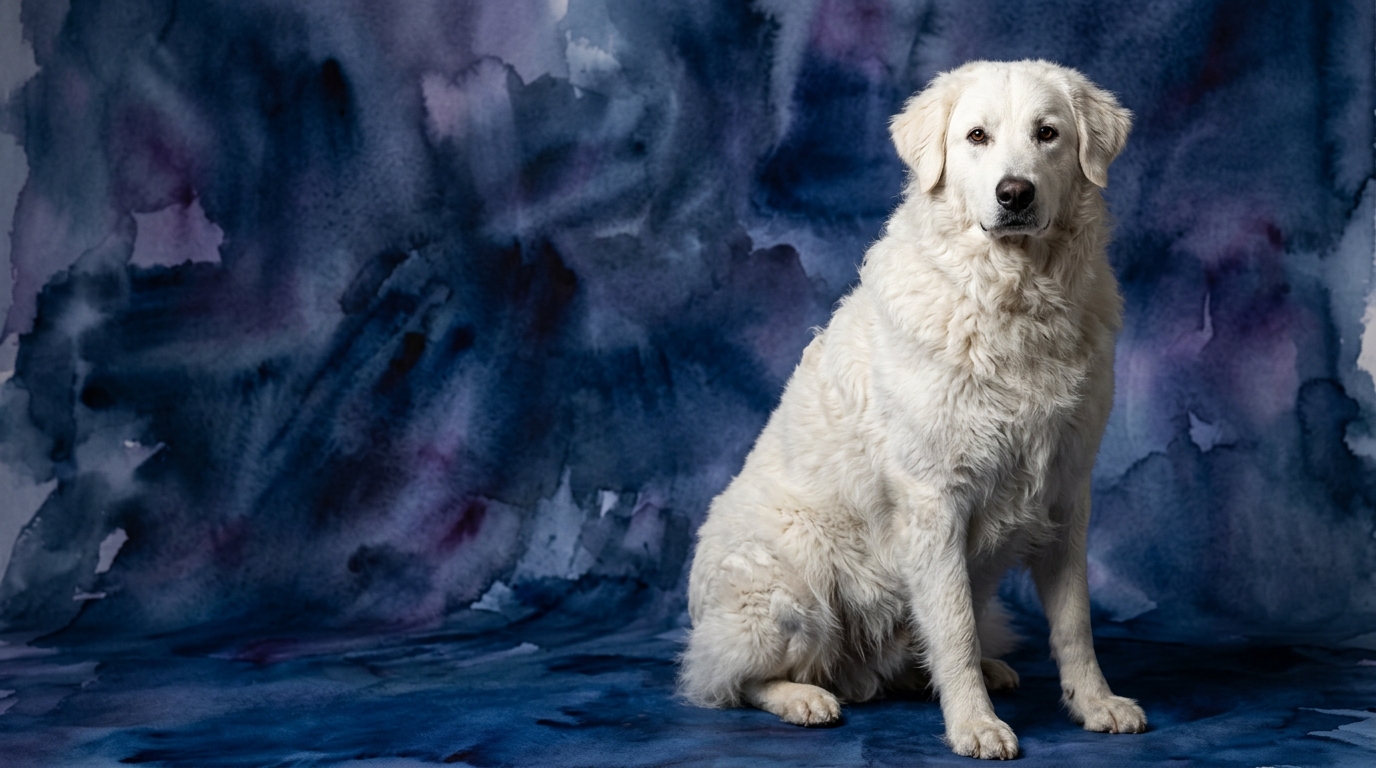
The Kuvasz, a formidable livestock guardian, is ranked #42 by Coren, indicating a respectable level of working and obedience intelligence. Its cognitive profile is largely shaped by its historical role, demanding self-reliance and keen observation.
Problem Solving (3/5): The Kuvasz often approaches challenges with an independent, self-reliant mindset. They are adept at evaluating their environment for potential threats or changes, devising their own strategies rather than always waiting for human direction, a trait honed by centuries of solitary work protecting flocks. This capacity for autonomous thought means they can be remarkably resourceful in situations demanding quick, unassisted decisions.
Training Speed (3/5): Learning new commands comes at a moderate pace for the Kuvasz. Their independent nature, however, means they are not inherently driven to please in the same way some other breeds are. Consistent, patient, and fair reinforcement is paramount; a Kuvasz will comply if they understand the command's purpose and respect their trainer, but rote repetition without context can be met with disinterest.
Social Intelligence (3/5): Kuvasz dogs possess a deep understanding of their immediate family's dynamics and emotions, forming strong, protective bonds. However, their inherent wariness towards strangers and novel situations means their social intelligence is often expressed through watchful observation rather than overt friendliness, requiring extensive early socialization to foster appropriate responses outside their inner circle.
Instinctive Drive (3/5): This breed's cognitive architecture is heavily influenced by its profound guarding instincts. Their drive to protect their perceived territory and family is a primary motivator, manifesting as vigilance, a strong territorial sense, and a readiness to intervene if they sense a threat. This deep-seated drive shapes much of their decision-making and interaction with the world.
Memory (4/5): A standout cognitive trait for the Kuvasz is their impressive memory. They retain learned information, routines, and experiences over long periods, making them quick to recall both positive and negative associations. This strong memory is a double-edged sword: good lessons stick, but so do any perceived injustices or inconsistencies in training.
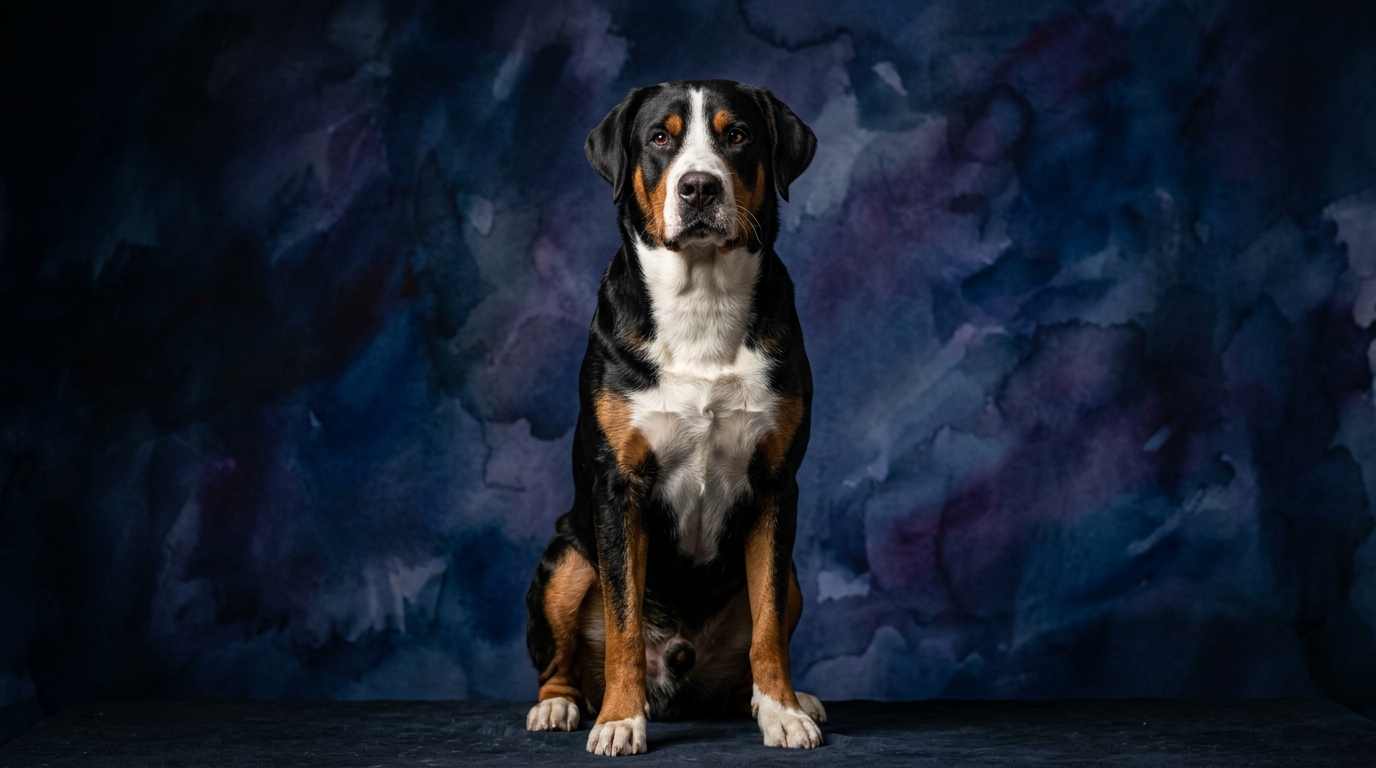
The Greater Swiss Mountain Dog, while not Coren-ranked, also hails from a working background, primarily as a versatile farm dog. Its cognitive traits reflect a desire for partnership and a steady, dependable nature.
Problem Solving (3/5): The Greater Swiss Mountain Dog exhibits practical and steady problem-solving abilities, particularly when tasks involve physical effort or navigating familiar environments. They are not prone to impulsive decisions, preferring a thoughtful, methodical approach to challenges, often seeking human guidance or collaboration to achieve a goal. Their solutions are typically direct and efficient, leveraging their strength and calm demeanor.
Training Speed (3/5): Greater Swiss Mountain Dogs learn commands at a moderate speed, similar to the Kuvasz. However, their generally eager-to-please temperament and desire to work alongside their humans can make the training process feel more cooperative. They respond well to positive reinforcement and clear, consistent instruction, often showing enthusiasm for engaging in learning sessions.
Social Intelligence (3/5): This breed is highly attuned to the social dynamics within its family unit, demonstrating a keen awareness of human emotions and intentions. They thrive on companionship and integration into family activities, often acting as a calm, watchful presence. Their social intelligence is geared towards harmonious coexistence and participation in the family 'pack', making them sensitive companions.
Instinctive Drive (3/5): The Greater Swiss Mountain Dog's instinctive drives are rooted in their history as versatile farm dogs, encompassing herding, drafting, and general farm work. They possess a natural inclination to be useful and contribute, which translates into a desire for purpose-driven activities and a calm, protective instinct towards their family, without the intense, independent guarding focus of the Kuvasz.
Memory (3/5): Greater Swiss Mountain Dogs retain information and experiences adequately, remembering commands and routines once established. While not as prodigious as the Kuvasz, their memory is sufficient for building a solid foundation of learned behaviors, though they may benefit from more frequent refreshers or consistent practice to ensure long-term retention of less-used commands.
Where the Kuvasz Wins Cognitively: The Independent Sentinel
The Kuvasz's most notable cognitive advantage lies in its superior memory, scoring a 4/5 compared to the Greater Swiss Mountain Dog's 3/5. This means a Kuvasz will retain learned commands, complex sequences, and environmental associations for significantly longer periods, requiring less frequent re-training for established behaviors. Their capacity for long-term recall underpins their effectiveness as guardians, remembering threats and safe zones with remarkable persistence.
Furthermore, the Kuvasz excels in independent decision-making, a direct result of their historical role as solitary livestock guardians. While both breeds score 3/5 in problem-solving, the Kuvasz's problem-solving is often self-directed, allowing them to assess and respond to perceived threats without immediate human input. This autonomous cognitive function allows them to act decisively in situations where human direction might be delayed or absent, a trait deeply embedded in their protective instincts.
This breed's cognitive strength also manifests in their ability to maintain vigilance over extended periods. Their focus on environmental awareness and threat assessment is consistently high, driven by an ingrained sense of responsibility. This sustained cognitive engagement makes them exceptionally diligent in their guarding duties, rarely missing a detail in their designated territory.
Where the Greater Swiss Mountain Dog Wins Cognitively: The Cooperative Companion
While both breeds share a 3/5 rating in social intelligence, the Greater Swiss Mountain Dog often exhibits a more outwardly cooperative and family-centric cognitive approach. Their desire to work with their humans and be an integrated part of the family unit means they are generally more attuned to subtle social cues and emotional states within the household. This makes them highly responsive to collaborative tasks and joint activities, seeking to understand and fulfill their role within the human 'pack'.
The Greater Swiss Mountain Dog's problem-solving, while rated similarly, tends to be more collaborative in nature. Instead of devising independent solutions like the Kuvasz, a Swissy is more likely to engage with their owner, seeking direction or working alongside them to overcome obstacles. This makes them an excellent partner for activities requiring teamwork, such as drafting or obedience, where a shared goal is paramount.
Their steady temperament contributes to a cognitive profile that favors adaptability within familiar routines and environments. While they might not possess the Kuvasz's independent problem-solving flair, their calm and self-assured nature allows them to adjust smoothly to changes in household schedules or new learning tasks, provided they receive clear and consistent guidance. This makes them less prone to anxiety when faced with minor disruptions.
Which is Easier to Train and Why: A Tale of Two Temperaments
Despite both breeds scoring 3/5 in training speed, the Greater Swiss Mountain Dog is generally perceived as marginally easier to train for the average owner, primarily due to their distinct behavioral drivers. The Swissy's innate desire to please and their strong inclination towards cooperative work make them more amenable to instruction. They often approach training sessions with a cheerful willingness, eager to engage with their human and earn praise, which translates into a more straightforward and rewarding learning experience.
The Kuvasz, in contrast, approaches training with a more independent and discerning mind. While they are certainly capable of learning, their centuries of solitary guarding work have fostered a temperament that questions commands rather than blindly obeys, especially if they perceive the command as illogical or unnecessary from their perspective. This independence can manifest as stubbornness, requiring a trainer to be exceptionally patient, consistent, and creative in demonstrating the value of each command.
Ultimately, training both breeds demands consistency and positive reinforcement. However, the Greater Swiss Mountain Dog's inherent sociability and desire for partnership often result in a more fluid and less challenging training journey for owners who appreciate a willing participant. The Kuvasz, while equally capable, requires an owner who understands and respects their strong will and independent thought, turning training into a mindful collaboration rather than a simple command-and-response exercise.
Which Suits Active Owners vs. Relaxed Owners: Matching Lifestyles to Minds
For 'active owners' who seek a partner for vigorous outdoor pursuits and structured mental engagement, the Greater Swiss Mountain Dog is an excellent match. While they require regular exercise – daily walks, hikes, or yard play – their activity needs are more about consistent engagement than relentless intensity. They thrive on being involved in family activities, whether it's a long walk in the park, a game of fetch, or even participating in dog sports like drafting or obedience. Their cooperative nature means they enjoy these activities with their human, making them a joyful companion for an active lifestyle that includes their presence.
The Kuvasz, while also needing physical exercise, demands a different kind of 'active owner.' This breed suits individuals or families who are active in understanding and channeling their dog's profound guarding instincts and independent cognitive processes. Their mental stimulation needs are paramount; they require a 'job' – even if it's just patrolling the yard or observing the family – to feel fulfilled. A 'relaxed owner' in the passive sense might find the Kuvasz's constant vigilance and independent decision-making challenging, as this breed thrives on purposeful engagement and an owner who can consistently provide clear boundaries and mental challenges tailored to their protective nature.
Therefore, the distinction isn't just about physical activity levels, but also about the type of mental and behavioral engagement an owner is prepared to provide. The Greater Swiss Mountain Dog fits well with active families who want a participatory companion, while the Kuvasz is better suited for experienced owners who are active in managing and directing a strong-willed, protective intellect.
The Verdict
Choose the Kuvasz if you seek a formidable guardian with a long memory and a strong independent streak, and are willing to invest in consistent, nuanced training tailored to a watchful companion.
Choose the Greater Swiss Mountain Dog if you desire a cooperative, robust working dog that enjoys being an active part of daily life and thrives on collaborative tasks and steady companionship.
🧠 Find Your Pet's IQ Score
Our Pet IQ Lab assessment covers 25+ tests across 5 cognitive dimensions — personalized to your breed.
Take the Full IQ Test →Frequently Asked Questions
Do Kuvasz and Greater Swiss Mountain Dogs get along with other pets?
Both breeds can coexist with other pets if properly socialized from a young age, though the Kuvasz's guarding instincts may make them more selective, while the Greater Swiss is generally more amiable and tolerant.
Are these breeds good with children?
With proper socialization and supervision, both can be good family dogs; the Greater Swiss often exhibits a patient and gentle demeanor with children, whereas the Kuvasz's protective nature requires careful guidance and consistent boundaries around young ones.
How much exercise do Kuvasz and Greater Swiss Mountain Dogs need?
Both require moderate daily exercise, including walks and playtime; the Greater Swiss enjoys varied activities like hiking or drafting, while the Kuvasz benefits from mentally stimulating tasks alongside physical activity to satisfy its guarding instincts.