Side-by-Side Cognitive Profiles
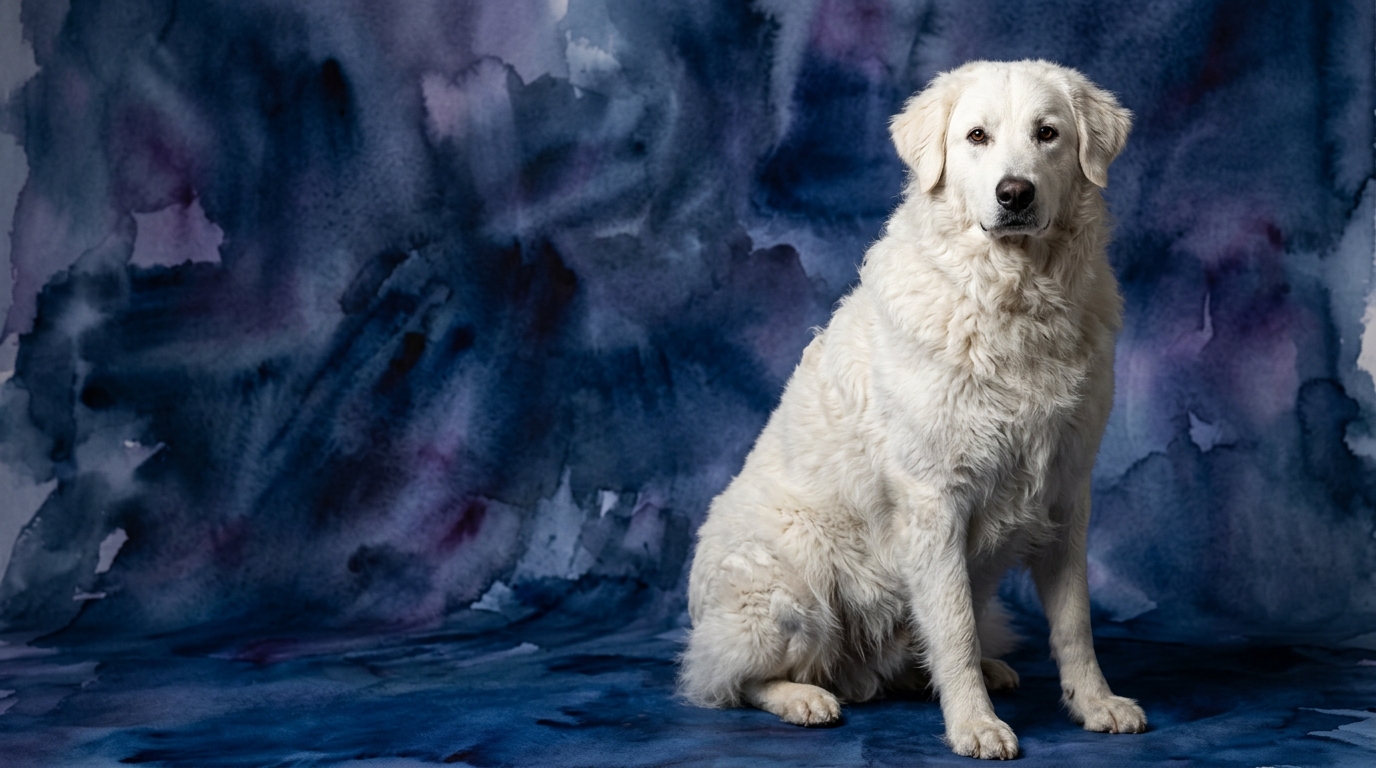
Originating as a livestock guardian, the Kuvasz exhibits a balanced cognitive profile with a notable strength in memory. Its Problem Solving is rated 3/5, indicating an ability to navigate moderate challenges and adapt to new situations, often relying on its independent judgment honed over centuries of protecting flocks. Training Speed at 3/5 suggests a steady learning pace; they absorb information effectively but might require consistent, patient guidance due to their independent nature rather than a desire to merely please. Social Intelligence, also 3/5, reflects their selective engagement; they form deep bonds with their family but maintain a reserved demeanor with strangers, a trait crucial for a vigilant guardian. Their Instinctive Drive, 3/5, is primarily channeled into protection and territorial awareness, motivating their actions with a deep-seated purpose. Memory stands out at 4/5, allowing them to retain complex information, routines, and experiences over long periods, which is vital for remembering threats or past interactions. This breed's placement at Coren Rank #42 among working dogs underscores its functional intelligence in specific roles.
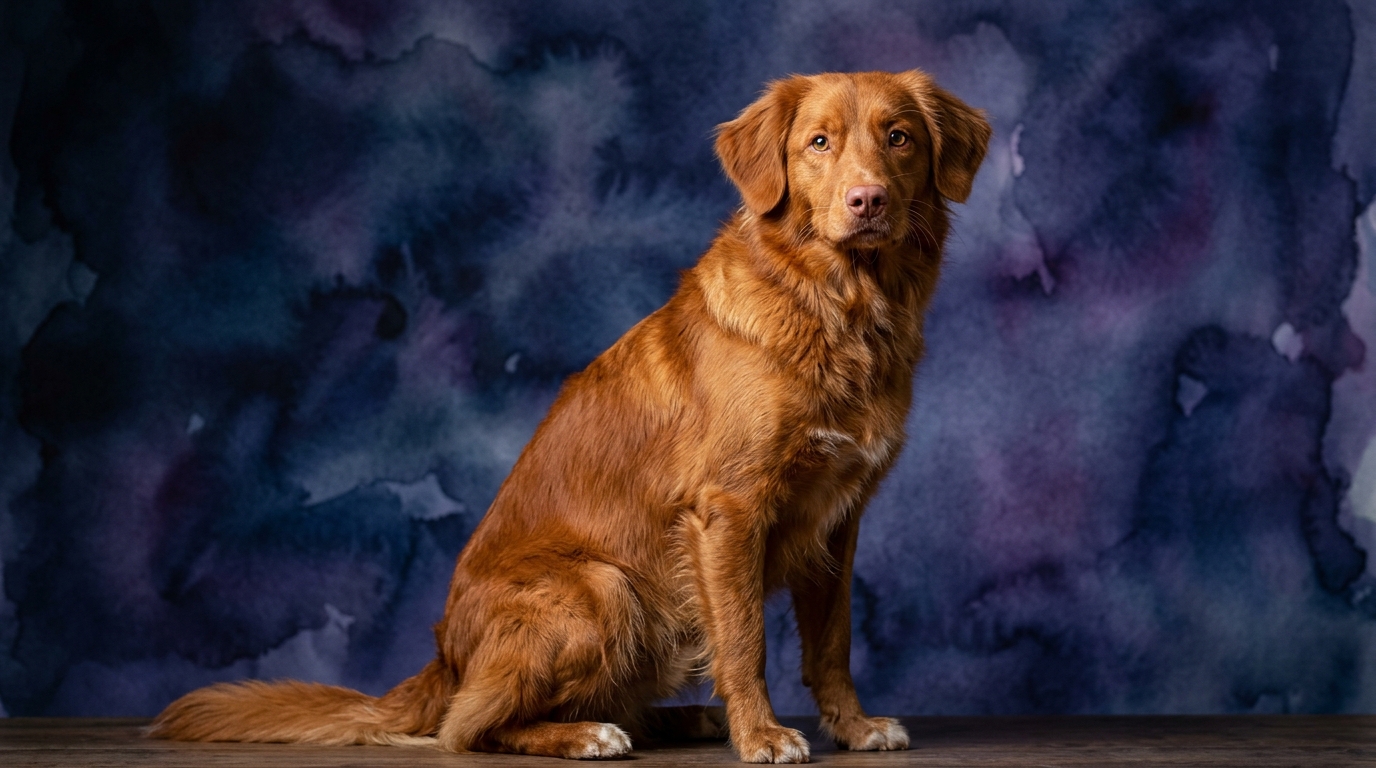
The Toller, a vibrant sporting dog, presents a consistently balanced cognitive profile across most dimensions. Its Problem Solving at 3/5 means it can figure out moderate puzzles, often with a keen focus on achieving a goal, particularly if it involves retrieving or engaging with its environment. Training Speed, also 3/5, indicates a good capacity for learning commands and tasks, often eager to participate and respond to positive reinforcement. Social Intelligence, 3/5, highlights their friendly and outgoing nature; they are generally adaptable in social settings and enjoy interacting with both familiar people and new acquaintances. Their Instinctive Drive, 3/5, is powerfully geared towards their retrieving heritage, manifesting as a strong desire to fetch, swim, and engage in “tolling” behaviors to lure waterfowl. Memory, rated 3/5, enables them to recall commands and retrieve locations, though perhaps with less long-term retention of complex, multi-layered scenarios compared to the Kuvasz. While not listed on Coren's ranking, its intelligence is clearly specialized for its demanding sporting tasks.
Where the Kuvasz Wins Cognitively
The Kuvasz's primary cognitive advantage lies in its superior Memory, rated at 4/5 compared to the Toller's 3/5. This enhanced recall is not just about remembering a 'sit' command; for a guardian breed, it translates into a profound capacity to remember subtle changes in their environment, recognize specific individuals (friend or foe) over long periods, and recall past events that might inform future protective actions. This deep memory underpins their independent decision-making, allowing them to apply lessons learned from previous experiences without constant human direction. Their cognitive strength is in processing and retaining vast amounts of environmental data, building a comprehensive internal map of their territory and its inhabitants. This robust memory, combined with their 3/5 Problem Solving, allows for a unique brand of self-sufficiency, where they can independently assess and respond to evolving situations based on stored knowledge, making them exceptional at long-term vigilance and strategic protection.
Where the Nova Scotia Duck Tolling Retriever Wins Cognitively
While the Toller matches the Kuvasz in Problem Solving, Training Speed, Social Intelligence, and Instinctive Drive (all 3/5), its cognitive edge often manifests in the application of these traits to its specific working purpose. The Toller’s balanced profile, particularly its 3/5 Instinctive Drive for retrieving, makes it exceptionally adept at tasks requiring focused, repetitive action and sustained engagement. Their problem-solving is often task-oriented and driven by a strong desire to fulfill their retrieving role, making them incredibly efficient in scenarios requiring quick analysis of a situation to retrieve an object. This isn't necessarily about outsmarting a Kuvasz in a general intelligence test, but rather about a more agile and enthusiastic application of their cognitive resources towards their bred purpose. Their social intelligence and eagerness to work with their handler, even if rated the same numerically, often translates into a more collaborative problem-solving approach, where they are actively seeking human input to achieve a shared goal, rather than the independent, observational problem-solving of a guardian.
Which Is Easier to Train and Why
Despite both breeds sharing a 3/5 rating for Training Speed, the practical ease of training diverges significantly due to their underlying temperaments and instinctive drives. The Nova Scotia Duck Tolling Retriever, with its sporting background and strong desire to work with its handler, generally presents as the "easier" breed to train for typical obedience and task-oriented learning. Their Instinctive Drive (3/5) is directed towards cooperation and achieving a joint objective, often making them highly motivated by positive reinforcement and eager to please. Their Social Intelligence (3/5) allows them to pick up on cues and build a strong working relationship with their trainer. In contrast, the Kuvasz, while equally capable of learning (Training Speed 3/5), approaches training with a more independent mindset. Their Instinctive Drive (3/5) is rooted in guarding and protection, meaning they often weigh commands against their own perception of necessity or their duty to protect. This independence, while a cognitive strength for their role, can be perceived as stubbornness in a training context. They require a handler who understands their guardian nature, employs consistent and fair methods, and respects their intelligent, self-reliant decision-making rather than demanding blind obedience.
Which Suits Active Owners vs. Relaxed Owners
For active owners seeking a dynamic partner for outdoor pursuits, the Nova Scotia Duck Tolling Retriever stands out. Their balanced cognitive profile, combined with a robust 3/5 Instinctive Drive for activity and retrieving, means they thrive on regular physical exercise and mental stimulation. They are built for endurance, whether it's long hikes, swimming, or engaging in dog sports like agility or dock diving. Their 3/5 Social Intelligence also makes them generally more adaptable to various environments and social engagements that active lifestyles often entail. Conversely, the Kuvasz, while certainly requiring exercise, is better suited for owners who appreciate a more relaxed, yet deeply committed, companion. Their activity is often purposeful, patrolling a yard or observing their surroundings, rather than seeking constant high-intensity engagement. Their independent nature and 3/5 Instinctive Drive for guarding mean they are less likely to be a "go-getter" for every adventure, preferring a more watchful and deliberate pace. Owners who understand and respect this breed's need for space, quiet observation, and a predictable routine will find a loyal, intelligent companion, rather than a demanding athlete.
The Verdict
Choose the Kuvasz if you seek a steadfast, independently thinking guardian with a profound memory, capable of assessing situations and acting with unwavering loyalty and subtle, profound intelligence.
Opt for the Nova Scotia Duck Tolling Retriever if you desire an enthusiastic, collaborative partner for active pursuits, appreciating a dog whose balanced intelligence is geared towards efficient task execution and joyful engagement.
🧠 Find Your Pet's IQ Score
Our Pet IQ Lab assessment covers 25+ tests across 5 cognitive dimensions — personalized to your breed.
Take the Full IQ Test →Frequently Asked Questions
Does the Coren ranking indicate one breed is definitively smarter than the other?
Not directly. Coren's ranking primarily assesses "working and obedience intelligence," which favors breeds eager to follow human commands. Breeds like the Kuvasz, ranked #42, demonstrate this functional obedience, while the Toller, though not ranked, possesses a specialized intelligence crucial for its sporting role that doesn't always align with Coren's specific criteria.
How does a Kuvasz's memory (4/5) impact its behavior compared to a Toller's (3/5)?
A Kuvasz's superior memory often translates to exceptional long-term retention of routines, recognition of familiar individuals, and recall of past environmental events or potential threats, underpinning its independent decision-making as a guardian. A Toller's 3/5 memory is perfectly adequate for remembering commands and retrieving locations, but perhaps less focused on the nuanced, long-term environmental mapping a guardian breed requires.
Is the "instinctive drive" rating the same as energy level?
Not entirely. Instinctive drive (3/5 for both) refers to the innate motivations that guide a breed's actions, such as guarding for the Kuvasz or retrieving for the Toller. While these drives often correlate with energy expenditure, they primarily describe what motivates the dog, rather than simply how much energy it possesses. A high drive means a strong desire to perform specific, instinctual behaviors.