Side-by-Side Pet IQ Lab Profile
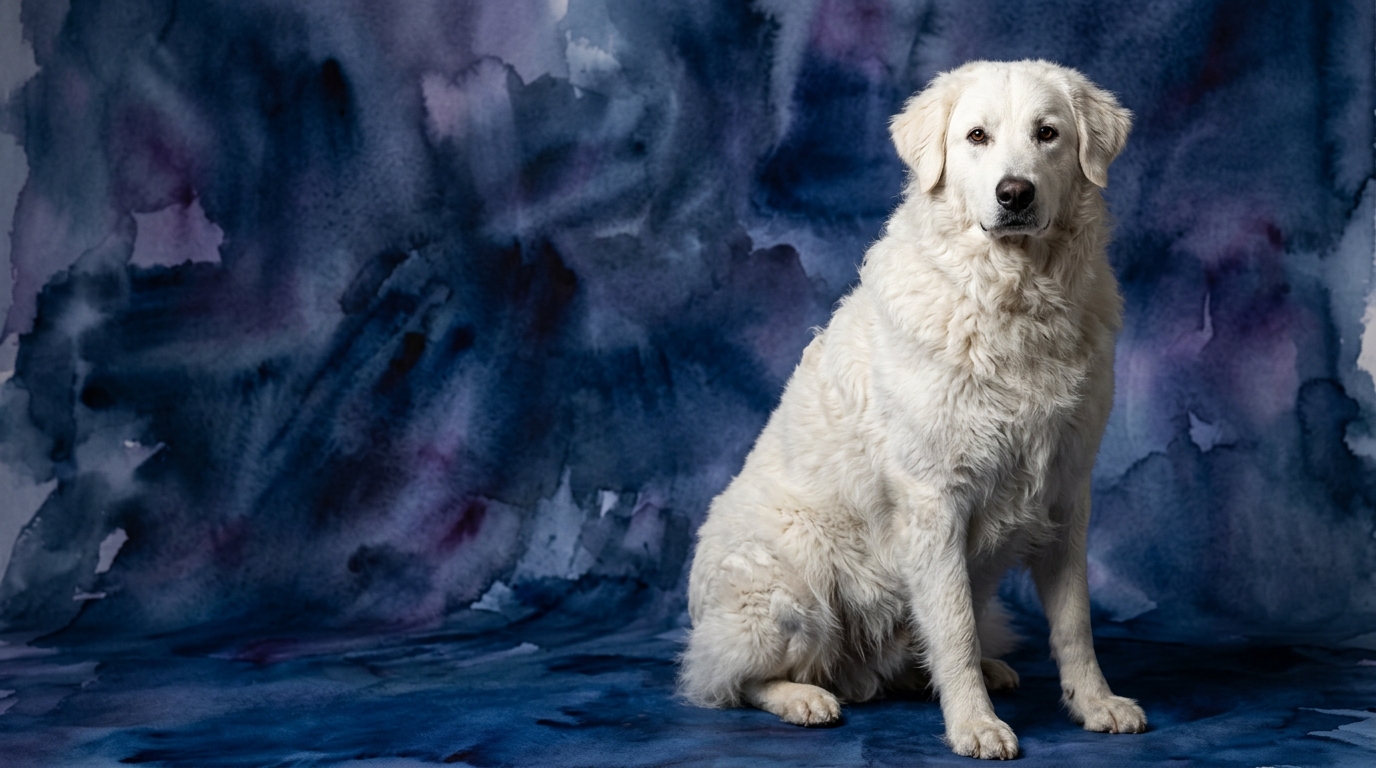
The Kuvasz, a formidable Working Group dog with a Coren rank of #42, presents a cognitive profile shaped by centuries of independent guardianship. Its Problem Solving is rated 3/5, indicating an average capacity for navigating novel challenges, often relying on its own judgment rather than human direction. Training Speed is also 3/5, reflecting an independent nature that learns at a moderate pace, often prioritizing its inherent duties. Social Intelligence stands at 3/5, demonstrating a discerning understanding of cues, particularly within its trusted circle, but often reserved with strangers. Its Instinctive Drive, 3/5, is profoundly channeled towards protecting its family or flock. Notably, the Kuvasz excels in Memory at 4/5, allowing it to retain lessons, routines, and recognition of individuals with impressive consistency, a critical asset for a vigilant guardian.
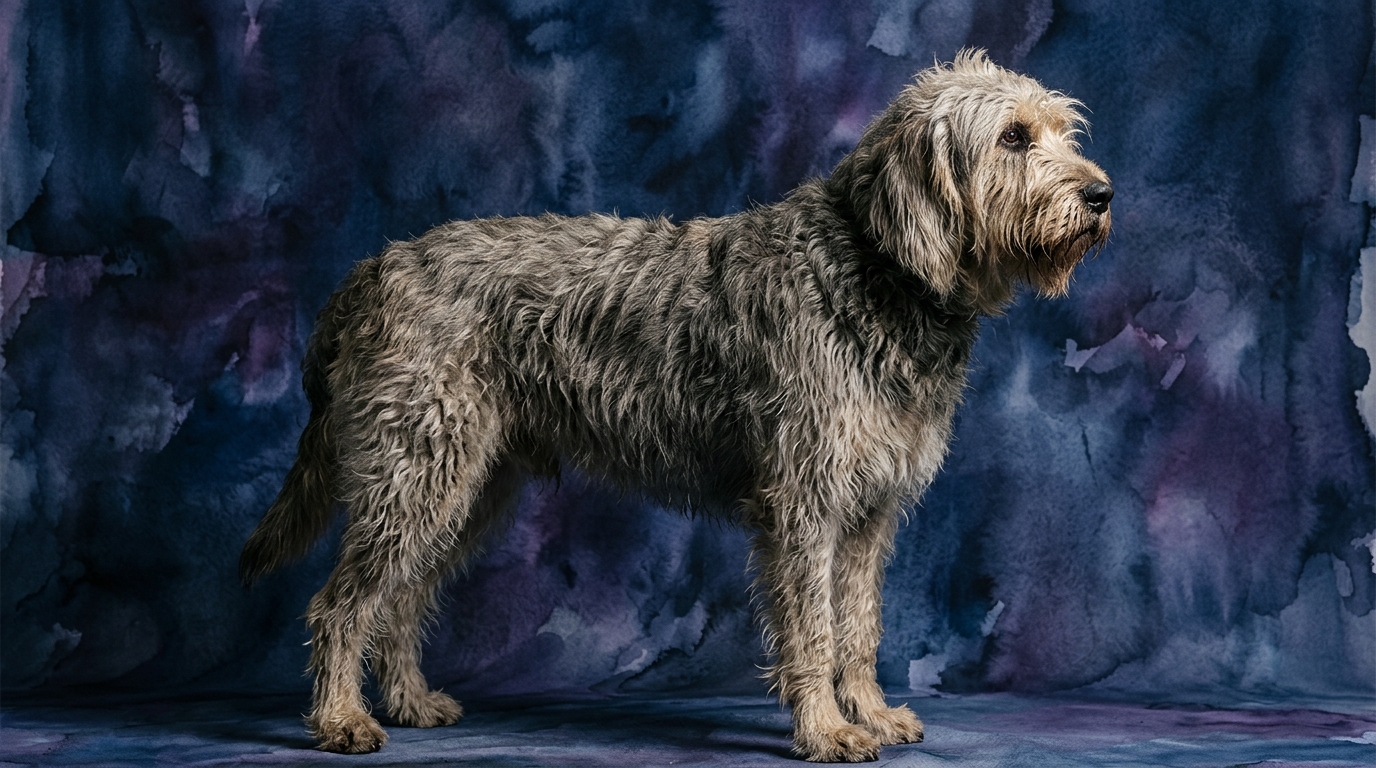
The Otterhound, a robust Hound Group dog currently unranked by Coren, shares several numerical scores but applies its intelligence through a distinct lens. Its Problem Solving is 3/5, where it often uses persistence and keen senses to overcome obstacles, especially in pursuit of a scent. Training Speed is 3/5, similar to the Kuvasz, yet this is due to its strong independent hound nature and distractibility by environmental odors rather than a lack of learning capacity. Social Intelligence is 3/5, typically expressed through a jovial and friendly demeanor within its familiar pack. Its Instinctive Drive, 3/5, is overwhelmingly directed towards scent work and tracking, an ancient impulse that governs much of its cognitive engagement. The Otterhound's Memory is 3/5, capable of retaining information but perhaps less consistently applied when its powerful nose takes precedence over other stimuli.
Where the Kuvasz Wins Cognitively
The Kuvasz holds a clear cognitive advantage in one crucial dimension: Memory. Scoring a 4/5 compared to the Otterhound's 3/5, this superior recall capacity is fundamental to its role. A Kuvasz reliably remembers routines, boundaries, and, most critically, who belongs to its family unit versus who might pose a threat. This robust memory underpins their dependable nature and their ability to consistently apply learned behaviors and past experiences without requiring constant reinforcement. For a breed tasked with making independent, life-or-death decisions in a protective capacity, an excellent memory ensures steadfastness and contributes significantly to their overall effectiveness and trustworthiness.
Where the Otterhound Wins Cognitively
While numerical scores for problem-solving, training speed, social intelligence, and instinctive drive are identical between the two breeds, the Otterhound's unique cognitive strengths lie in the specialized application of these attributes. Their instinctive drive, while rated 3/5, is singularly focused on scent discrimination and tracking, a specialized form of problem-solving that few breeds can match. This isn't about general problem-solving, but an acute, highly developed capacity to unravel complex scent puzzles across varied terrains and conditions. Their intelligence in this domain allows them to process and interpret a rich tapestry of olfactory information, demonstrating a nuanced cognitive ability that is profoundly effective in its specific purpose. For tasks requiring relentless focus on a scent trail, their specific cognitive architecture provides an unparalleled advantage, making them masters of their olfactory world.
Training Dynamics: Kuvasz vs. Otterhound
Both the Kuvasz and the Otterhound register a 3/5 in training speed, suggesting neither breed is inherently 'easy' in the conventional sense, though for differing reasons rooted in their breed purpose and temperament. The Kuvasz, as a working guardian breed, possesses an independent nature; their historical role required them to make decisions without human oversight. This translates to a dog that processes commands and learns, but often weighs them against their own judgment or inherent protective instincts. Training a Kuvasz requires patience, consistency, and establishing a clear, respectful partnership where the dog understands the 'why' behind the command, rather than simply obeying out of eagerness to please. Their independent streak can be mistaken for stubbornness, but it is, in fact, an expression of their cognitive self-reliance.
Conversely, the Otterhound's training challenge stems from its powerful, all-consuming instinctive drive for scent. Their nose is their primary directive, and once on a compelling trail, their focus can become singularly devoted to following it, making redirection difficult. While they are generally good-natured and enjoy interaction, maintaining their attention away from environmental odors requires significant effort, high-value rewards, and imaginative training methods. Therefore, neither breed offers a 'shortcut' to training, but the Kuvasz's challenge is often about convincing a thoughtful independent mind, while the Otterhound's is about competing with an overwhelming sensory input.
Lifestyle Match: Active vs. Relaxed Owners
When considering lifestyle compatibility, the Kuvasz and Otterhound present distinct profiles. The Kuvasz, while appearing majestic and sometimes sedate, is a working breed that thrives on purpose and structured activity. They are not suited for entirely relaxed owners who cannot provide consistent mental stimulation or a defined role. While they can be calm indoors, they require ample space, a secure yard, and regular, meaningful exercise to satisfy their physical and cognitive needs. Their protective instincts also necessitate owners who are prepared to manage their environment and provide clear leadership. They are best suited for owners who are active in a structured way, perhaps with a large property or an interest in dog sports like obedience or protection work, provided it aligns with their guardian nature.
The Otterhound, conversely, is undeniably a breed for active owners. Their hound heritage bestows upon them substantial energy reserves and a deep-seated need for vigorous exercise. A relaxed owner will quickly find themselves overwhelmed by an under-exercised Otterhound's boisterous nature and potential for destructive behaviors. These dogs require long walks, opportunities to run freely in secure areas, and ideally, outlets for their incredible nose, such as scent work or tracking activities. Their jovial but sometimes clumsy demeanor means they need space to move and explore. Therefore, the Otterhound is a match for individuals or families with an adventurous spirit, who enjoy outdoor activities and are prepared to integrate their dog fully into an energetic lifestyle, understanding that a tired hound is a happy hound.
The Verdict
Choose a Kuvasz if you seek a steadfast, independent guardian with a strong memory and are prepared to invest in consistent, respectful training that honors their thoughtful nature and protective instincts.
Opt for an Otterhound if you're an active, patient owner who can embrace their boisterous charm, provide extensive exercise, and channel their powerful scent drive into engaging activities.
🧠 Find Your Pet's IQ Score
Our Pet IQ Lab assessment covers 25+ tests across 5 cognitive dimensions — personalized to your breed.
Take the Full IQ Test →Frequently Asked Questions
Is the Kuvasz easier to train than an Otterhound for basic obedience?
Despite similar training speed scores, the Kuvasz may offer a slightly more straightforward path for basic obedience if you can establish clear leadership and motivation. Their independence requires a thoughtful approach, whereas the Otterhound's intense scent drive often provides a more significant distraction challenge. Both require patience and consistency, but their challenges stem from different cognitive priorities.
Which breed is better for a family with children?
Both breeds can be good with children if properly socialized and raised, but their approaches differ. The Kuvasz's protective nature makes them a vigilant guardian for their family, while the Otterhound is generally more boisterous and playful. Supervision is key for both, with the Kuvasz needing early socialization to accept children as part of its 'flock', and the Otterhound needing guidance to manage its energetic play.
Do Kuvasz or Otterhounds require significant mental stimulation?
Yes, both breeds benefit greatly from mental stimulation, though the type differs. The Kuvasz requires tasks that engage its problem-solving and memory, often related to its guardian role or structured training. The Otterhound thrives on activities that tap into its powerful olfactory senses, such as scent games or tracking, which are crucial for satisfying its instinctive drive.