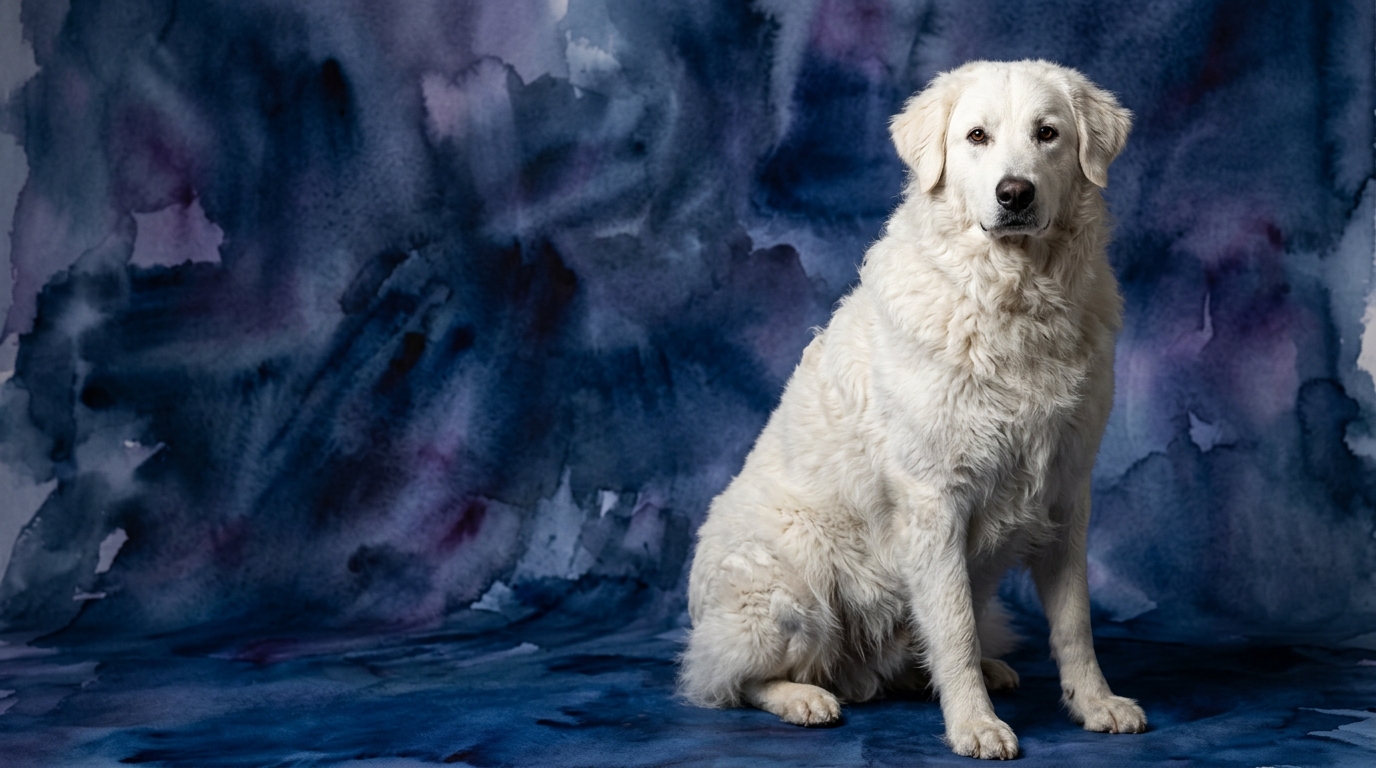
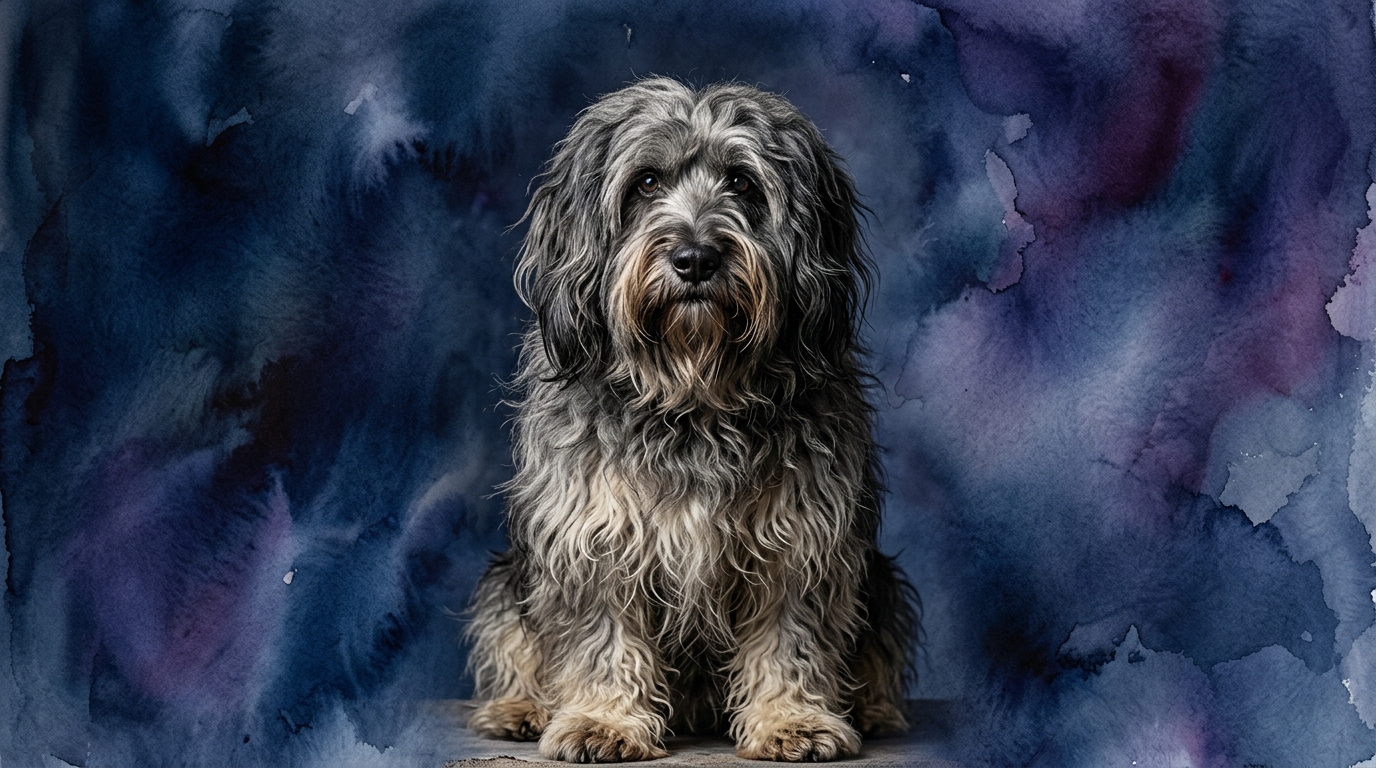
Side-by-Side Cognitive Profiles: Guardians vs. Herders
The Kuvasz, a formidable livestock guardian, displays a problem-solving ability (3/5) geared towards autonomous decision-making in protecting its flock or family. This isn't about solving puzzles for human entertainment, but rather assessing threats and strategizing defensive actions on its own initiative. Training speed (3/5) reflects their independent nature; they absorb commands, but their execution is often contingent on their assessment of its necessity or impact on their guardianship role, requiring a patient and consistent approach. Their social intelligence (3/5) is characterized by a discerning wariness towards strangers coupled with profound loyalty and protective instincts toward their trusted circle. An instinctive drive (3/5) manifests strongly in their territorial and protective behaviors, making them vigilant sentinels. Where the Kuvasz truly stands out is in memory (4/5), demonstrating an impressive capacity to recall past encounters, recognize long-term patterns in their environment, and remember specific threats or individuals, contributing significantly to their effectiveness as guardians.
The Polish Lowland Sheepdog, a lively herding breed, also earns a 3/5 in problem-solving, but their cognitive application leans towards dynamic, real-time adjustments required in managing livestock. This involves quick decision-making, adapting strategies based on animal movement, and understanding complex spatial relationships. Their training speed (3/5) indicates a willingness to learn and engage, often eager to please, yet tempered by a strong, sometimes stubborn, will characteristic of herding breeds. Social intelligence (3/5) for the PON (Polish Lowland Sheepdog) involves a strong bond with their primary family and a cautious, observant demeanor towards unfamiliar people, necessitating early and extensive socialization to foster appropriate responses. Their instinctive drive (3/5) is undeniably rooted in their herding heritage, often manifesting as a desire to gather or control movement, even in a domestic setting. In terms of memory (3/5), the Polish Lowland Sheepdog effectively retains learned commands, routines, and social cues, but may not exhibit the same depth of long-term threat recall or environmental mapping as the Kuvasz, whose survival depended on such detailed memory.
Where the Kuvasz's Cognition Shines
The Kuvasz’s superior memory (4/5) is a distinct cognitive advantage, particularly in its original role. This breed excels at remembering specific details about its territory, the routines of its charges (be it sheep or family members), and crucially, the nuances of past interactions with potential threats. This profound recall allows for a sophisticated, long-term vigilance, enabling them to differentiate between a familiar delivery person and a true intruder based on accumulated experience, rather than just immediate cues. Furthermore, their problem-solving, while rated similarly overall, is uniquely tuned for independent, strategic decision-making in protective scenarios. A Kuvasz is programmed to assess a situation and act decisively without awaiting human instruction, making complex judgments about threat levels and appropriate responses based on their extensive memory and innate guarding wisdom.
Where the Polish Lowland Sheepdog's Cognition Excels
The Polish Lowland Sheepdog's cognitive strengths are deeply intertwined with its herding legacy, manifesting as exceptional adaptability and responsiveness in dynamic environments. While rated 3/5 for problem-solving, their specific aptitude lies in rapidly processing changing situations, such as a scattering flock, and executing precise, agile maneuvers. This involves a nuanced understanding of cause and effect, reading animal behavior, and subtle communication with a human partner. Their social intelligence, while cautious with strangers, is particularly adept at forming a highly cooperative working relationship with their primary handler. This allows for a quick uptake and application of complex, multi-step commands in a working context, even if their overall training speed is similar. They excel in scenarios requiring quick mental shifts and a collaborative spirit, making them superb partners in activities like agility or herding trials.
Training Dynamics: Independence vs. Engagement
Training a Kuvasz requires a profound understanding of its independent, guardian mindset. Their 3/5 training speed isn't indicative of a lack of cognitive ability, but rather a predisposition to question commands that don't align with their perceived duties or priorities. They respond best to patient, consistent training that emphasizes mutual respect and clearly defines their role within the family structure. Forceful methods are counterproductive, as a Kuvasz will simply shut down or become resistant. Owners must earn their trust and demonstrate leadership, guiding them rather than dictating to them. This breed learns through observation and by understanding the 'why' behind a command, often internalizing lessons for long-term retention once convinced.
The Polish Lowland Sheepdog, also with a 3/5 training speed, presents a different set of challenges and rewards. While generally eager to please their human companions, their strong herding drive and inherent willfulness can lead to stubbornness if not managed effectively. They thrive on engagement and mental stimulation, responding well to positive reinforcement and varied training sessions that prevent boredom. Their cooperative nature, honed by generations of working alongside humans, makes them generally more receptive to traditional obedience training compared to the Kuvasz. However, their intelligence means they can quickly learn to manipulate situations if boundaries aren't consistently maintained. Owners must be firm yet fair, channeling their boundless energy and focus into productive learning rather than allowing their herding instincts to dominate.
Matching Breeds to Lifestyles: Active Engagement vs. Thoughtful Guardianship
For owners seeking a companion that aligns with an active lifestyle focused on structured activities and physical engagement, the Polish Lowland Sheepdog often proves to be a more suitable match. Their robust energy levels and keen intellect mean they thrive on regular exercise coupled with mental challenges such as agility, obedience competitions, or even simulated herding activities. A PON left without sufficient physical and mental outlets can become bored, potentially leading to destructive behaviors or excessive barking. They need an owner who is prepared to invest time daily in training, play, and exploration, channeling their innate drive into positive outlets. This breed is not for the owner looking for a purely relaxed, couch-potato companion; they demand a partnership built on consistent interaction and activity.
Conversely, the Kuvasz, while requiring ample space and regular exercise for physical health, is not necessarily suited for owners whose primary activity is high-intensity dog sports. Their "active" requirement is more about mental engagement and fulfilling their guardian role, even in a domestic setting. They need owners who appreciate their independent thought process and are prepared to provide a secure environment where they can survey their "flock" (family) and territory. While calm indoors once mature and adequately exercised, their minds are constantly at work, observing and assessing. They are best suited for patient, experienced owners who understand the nuances of a livestock guardian dog's temperament and can provide thoughtful leadership rather than constant, high-energy entertainment. They thrive with a sense of purpose and a stable routine, not necessarily a packed schedule of events.
The Verdict
Choose a Kuvasz if you are an experienced dog owner seeking a discerning, independent guardian with a profound memory and a strong protective instinct, valuing thoughtful leadership over strict obedience. They are ideal for those who can provide a secure, spacious environment and appreciate a dog that thinks for itself in its role as a family sentinel.
Opt for a Polish Lowland Sheepdog if you are an active owner looking for an engaged, intelligent partner eager for structured activities and mental challenges, ready to channel their herding drive into cooperative training and various dog sports. They thrive with consistent interaction and a clear sense of purpose.
🧠 Find Your Pet's IQ Score
Our Pet IQ Lab assessment covers 25+ tests across 5 cognitive dimensions — personalized to your breed.
Take the Full IQ Test →Frequently Asked Questions
Are Kuvasz good with children?
Kuvasz can be excellent family protectors and are typically gentle with children they are raised with, viewing them as part of their flock. However, their large size and protective instincts mean supervision is always necessary, especially with unfamiliar children, as they may interpret boisterous play as a threat.
Do Polish Lowland Sheepdogs shed a lot?
Polish Lowland Sheepdogs have a thick, shaggy double coat that does shed, particularly seasonally. Regular grooming, including brushing several times a week, is essential to manage shedding, prevent matting, and keep their coat healthy and clean.
Which breed is better for apartment living?
Neither breed is ideally suited for apartment living due to their size, energy levels, and working dog instincts. The Kuvasz requires ample space to survey its territory, while the Polish Lowland Sheepdog needs significant physical and mental exercise to prevent boredom and destructive behaviors in confined spaces.