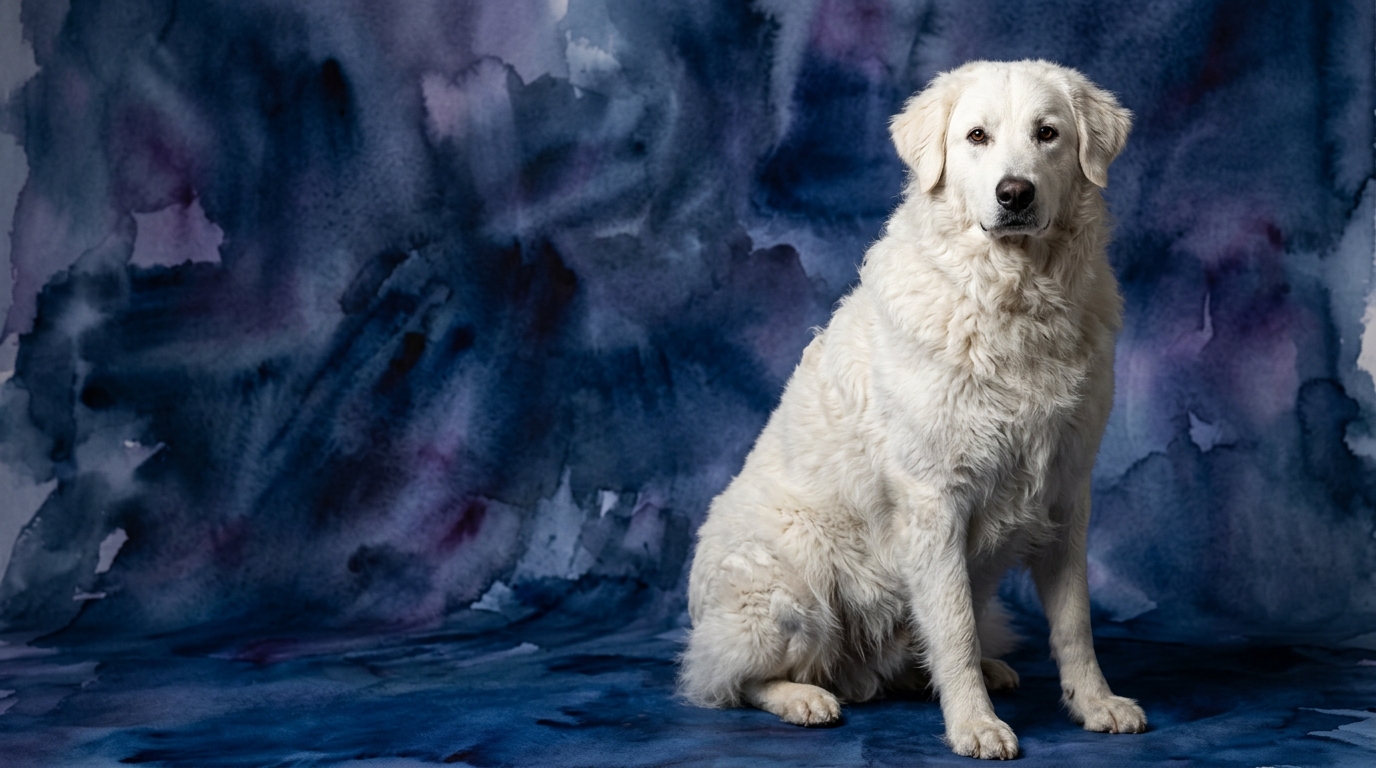
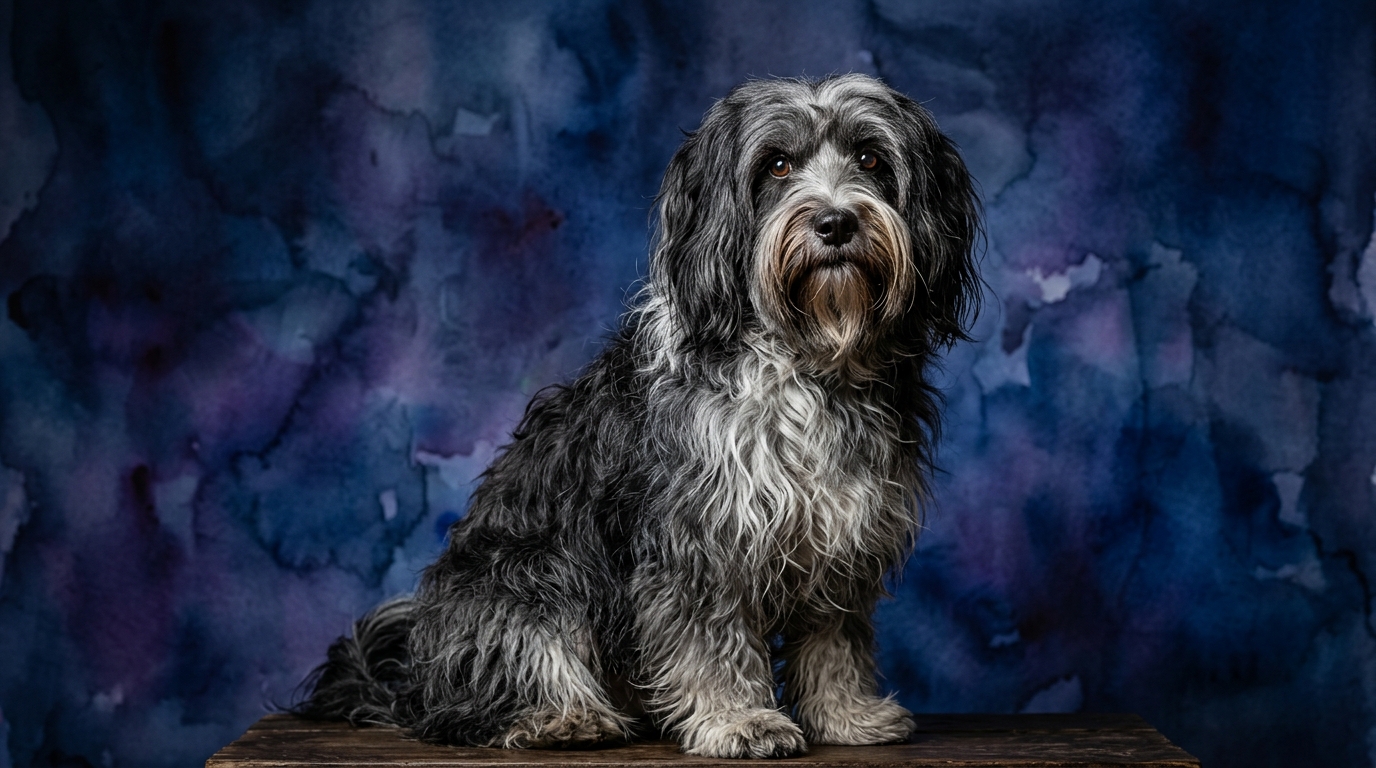
Side-by-Side Cognitive Profiles: Kuvasz vs. Tibetan Terrier
The Cosmic Pet Pet IQ Lab provides a structured framework to evaluate canine cognition, moving beyond anecdotal observations to specific metrics. For the Kuvasz, a formidable working breed, their Coren rank of #42 places them in the above-average category for working and obedience intelligence, suggesting a strong capacity for learning and understanding commands. Their Problem Solving is rated 3/5, indicating an ability to independently navigate complex situations, particularly those related to their protective duties. Training Speed also scores 3/5, meaning they grasp new concepts at a steady pace, though their inherent independence can influence the application of learned behaviors. Social Intelligence at 3/5 reflects their awareness of family dynamics and human cues, often within the context of their guardian role. Their Instinctive Drive, also 3/5, is primarily channeled into vigilance and protection. A standout score is their Memory at 4/5, indicating an exceptional capacity for long-term recall of experiences, people, and potential threats.
In contrast, the Tibetan Terrier, a spirited companion from the Non-Sporting group, holds a Coren rank of #63, placing them in the fair working intelligence category. This signifies a respectable aptitude for learning, though perhaps with less consistent obedience than breeds higher on the Coren scale. Their Problem Solving is rated 3/5, reflecting a cleverness in adapting to various domestic situations and often finding creative solutions to achieve their desires. Training Speed matches the Kuvasz at 3/5; they learn at a moderate pace, often motivated by engagement and positive interaction. Social Intelligence also scores 3/5, underscoring their sensitivity to human emotions and their desire for connection within the family unit. Their Instinctive Drive is likewise 3/5, typically expressed through curiosity, playfulness, and an engaging companionable nature rather than intense working tasks. Their Memory, however, is rated 3/5, a solid capacity for recalling routines and commands, but perhaps not with the same depth of long-term situational recall observed in the Kuvasz.
Where the Kuvasz Cognitively Excels
The Kuvasz demonstrates a cognitive edge in areas critical to their historical role as a livestock guardian. Their superior Memory score of 4/5, compared to the Tibetan Terrier's 3/5, is a significant differentiator. This translates into a remarkable ability to recall specific past events, identify individuals—both friend and potential foe—and remember territorial boundaries over extended periods. For a dog tasked with independent protection, this advanced recall is not merely convenient; it's a vital survival trait, allowing them to make informed decisions based on previous encounters and learned patterns.
Furthermore, while both breeds share a 3/5 in Problem Solving, the Kuvasz applies this skill with a distinct independent decision-making aptitude. Their cognitive framework is geared towards autonomous action in high-stakes protective scenarios. They don't wait for commands to assess a threat or navigate a complex situation involving their charges; their intelligence is wired for initiative. This specialized application of their cognitive abilities, coupled with their higher Coren rank, points to a breed whose mental faculties are optimized for self-reliant working roles, demanding a different kind of respect for their intellectual capacity.
Where the Tibetan Terrier Cognitively Shines
Despite numerically similar scores in most IQ dimensions, the Tibetan Terrier's cognitive strengths often lie in their adaptability and the nuanced application of their intelligence within a companion context. Their 3/5 Problem Solving, while matching the Kuvasz, manifests differently; it's often expressed as cleverness in navigating household dynamics, understanding subtle human cues, and finding ingenious ways to engage with their family. This adaptability, honed over centuries as versatile companions in varied environments, allows them to integrate seamlessly into diverse modern living situations without the intense, singular focus of a guardian breed.
Moreover, their Social Intelligence, also rated 3/5, is often perceived as highly empathetic. While the Kuvasz's social awareness serves a protective function, the Tibetan Terrier's social cognition is deeply intertwined with companionship, allowing them to be highly attuned to human emotional states and capable of providing comfort and engaging in playful interaction. Their cognitive profile, while not geared for independent guarding, is perfectly suited for a mutually enriching human-canine bond, making them exceptionally perceptive and engaging family members.
Training Dynamics: Effort vs. Compliance
When considering ease of training, the identical 3/5 Training Speed for both breeds might suggest similar learning curves, but real-world behavioral differences paint a more complex picture. The Kuvasz, despite its capacity to learn, is historically bred to be an independent thinker. Their purpose was to make decisions without human direction, leading to a strong-willed nature. While they grasp concepts effectively, their compliance often hinges on their own assessment of the situation's necessity or their respect for the trainer, rather than an inherent desire to please. Training a Kuvasz requires immense consistency, patience, and a deep understanding of their independent mindset, often feeling like a negotiation rather than simple instruction.
The Tibetan Terrier, while also possessing a degree of independence, is generally more biddable and eager to engage with their human companions. Their training speed of 3/5 means they learn new commands at a respectable pace, but their motivation often stems from the joy of interaction and the desire to be a part of family activities. This makes them generally more responsive to positive reinforcement and less prone to challenging commands purely out of self-assessment. For many owners, the Tibetan Terrier's training journey might feel "easier" because their cognitive application is more aligned with seeking cooperation and companionship, leading to more willing participation and consistent obedience.
Matching Cognitive Profiles to Lifestyles: Active vs. Relaxed Owners
The distinct cognitive profiles of the Kuvasz and Tibetan Terrier lend themselves to very different owner lifestyles. The Kuvasz, with its guardian instincts, superior memory for threat assessment, and independent problem-solving, is ideally suited for active owners who understand and respect the demands of a working breed. They thrive in environments where they have a clear purpose, ample space to patrol, and owners who can provide consistent, firm, but fair leadership. Their cognitive needs involve mental engagement that acknowledges their protective drives and encourages their independent thought within a structured framework. They are not dogs for casual or relaxed ownership; their intellect demands a role and a confident, experienced handler.
The Tibetan Terrier, on the other hand, with its adaptable problem-solving, empathetic social intelligence, and moderate drives, is a more versatile fit for a broader range of owners, from moderately active to those seeking a more relaxed companion. They thrive on being integrated into family life, enjoying regular walks, playtime, and mental stimulation through training or puzzle toys. Their cognitive makeup allows them to adapt well to various home environments, from apartments to houses with yards, as long as they receive consistent social interaction and engagement. They offer a clever, affectionate presence without the intense demands or specialized environmental needs of a dedicated livestock guardian.
The Verdict: When to Choose Each Breed
The Verdict
Choose the Kuvasz if you seek a vigilant, independent guardian with exceptional long-term memory, capable of making autonomous decisions in a protective role. They thrive with experienced owners who value a working dog's unique cognitive demands and provide ample space and purpose.
Opt for the Tibetan Terrier if you desire a perceptive, adaptable companion whose social intelligence and moderate drives make them a joyful and engaging family member. They fit well into various home environments, offering a clever, empathetic presence without the intense demands of a dedicated livestock guardian.
🧠 Find Your Pet's IQ Score
Our Pet IQ Lab assessment covers 25+ tests across 5 cognitive dimensions — personalized to your breed.
Take the Full IQ Test →Frequently Asked Questions
Does a higher Coren rank always mean a "smarter" dog for every owner?
Not necessarily. Coren's ranking primarily assesses "working and obedience intelligence," measuring how quickly a dog learns and obeys commands. A higher rank signifies greater biddability and faster understanding in formal training, but it doesn't fully encompass the diverse cognitive strengths valued by different owners, such as independent problem-solving or social empathy.
How does "instinctive drive" impact a dog's daily life for these breeds?
For the Kuvasz, a 3/5 instinctive drive translates to a strong protective impulse, meaning they are alert to their surroundings and will act to guard their perceived territory and family. For the Tibetan Terrier, a 3/5 drive manifests more as curiosity, playfulness, and a desire for companionship, influencing their need for engagement and social interaction rather than intense guarding.
If both breeds have a 3/5 in problem-solving, are they equally adept at it?
While their scores are numerically identical, the *application* of their problem-solving skills differs due to their breed histories. The Kuvasz's problem-solving is often geared towards independent decision-making in guardian scenarios, while the Tibetan Terrier's might manifest as cleverness in navigating household dynamics or achieving desired outcomes through subtle manipulation, reflecting their companion role.