Side-by-Side IQ Profile: Kuvasz vs. Toy Poodle
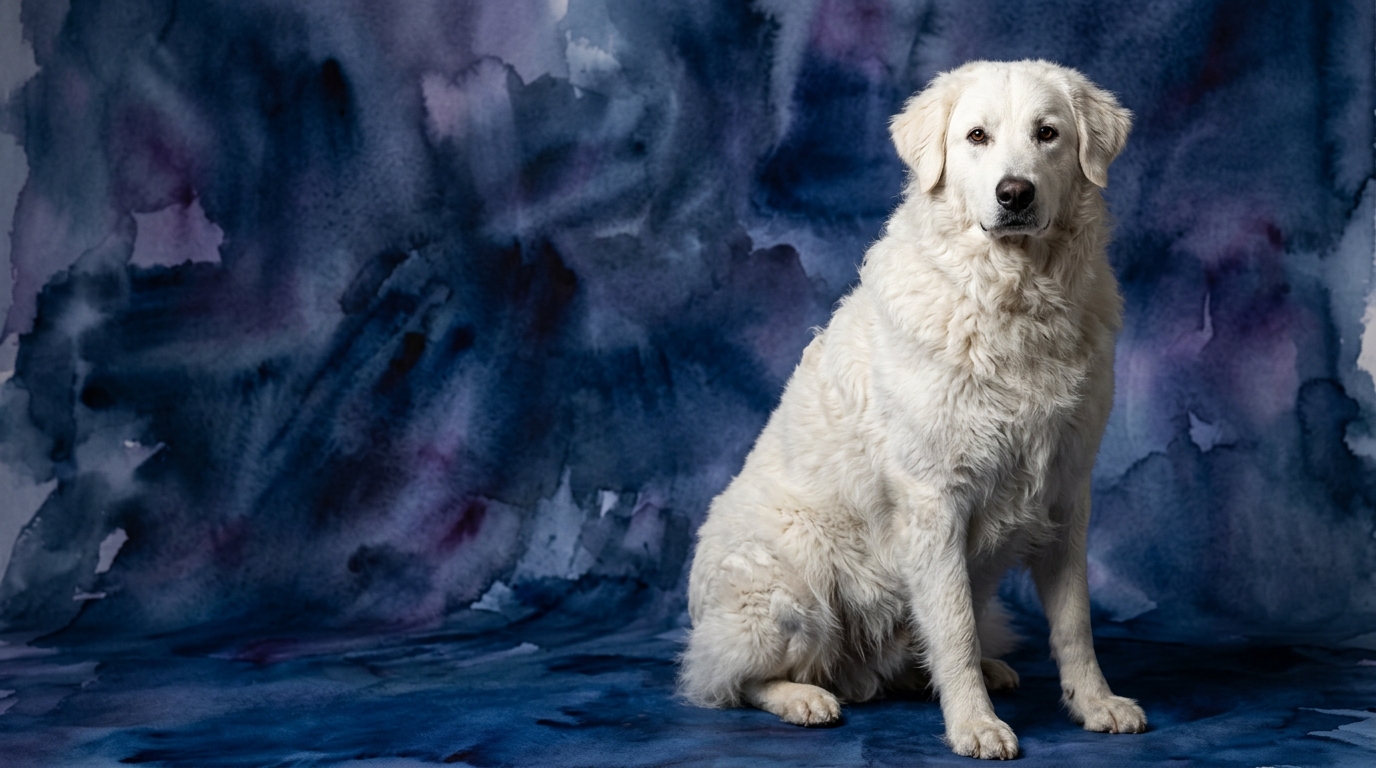
The Kuvasz, a formidable Working breed ranking #42 on the Coren scale, showcases a distinct cognitive blueprint tailored for its role as a livestock guardian. Its problem-solving ability (3/5) is characterized by independent thought, often applied to assessing and mitigating threats rather than following complex human directives. Training speed (3/5) reflects a deliberate learning process; they absorb information steadily but prioritize their own judgment, which can be interpreted as stubbornness. Social intelligence (3/5) is discerning, leading to strong, protective bonds with their immediate family while maintaining a reserved, watchful demeanor towards strangers. Their instinctive drive (3/5) is deeply rooted in guarding and territorial defense, a core aspect of their cognitive function. Finally, the Kuvasz possesses a robust memory (4/5), allowing them to retain critical information about their environment, perceived threats, and trusted individuals over long periods.
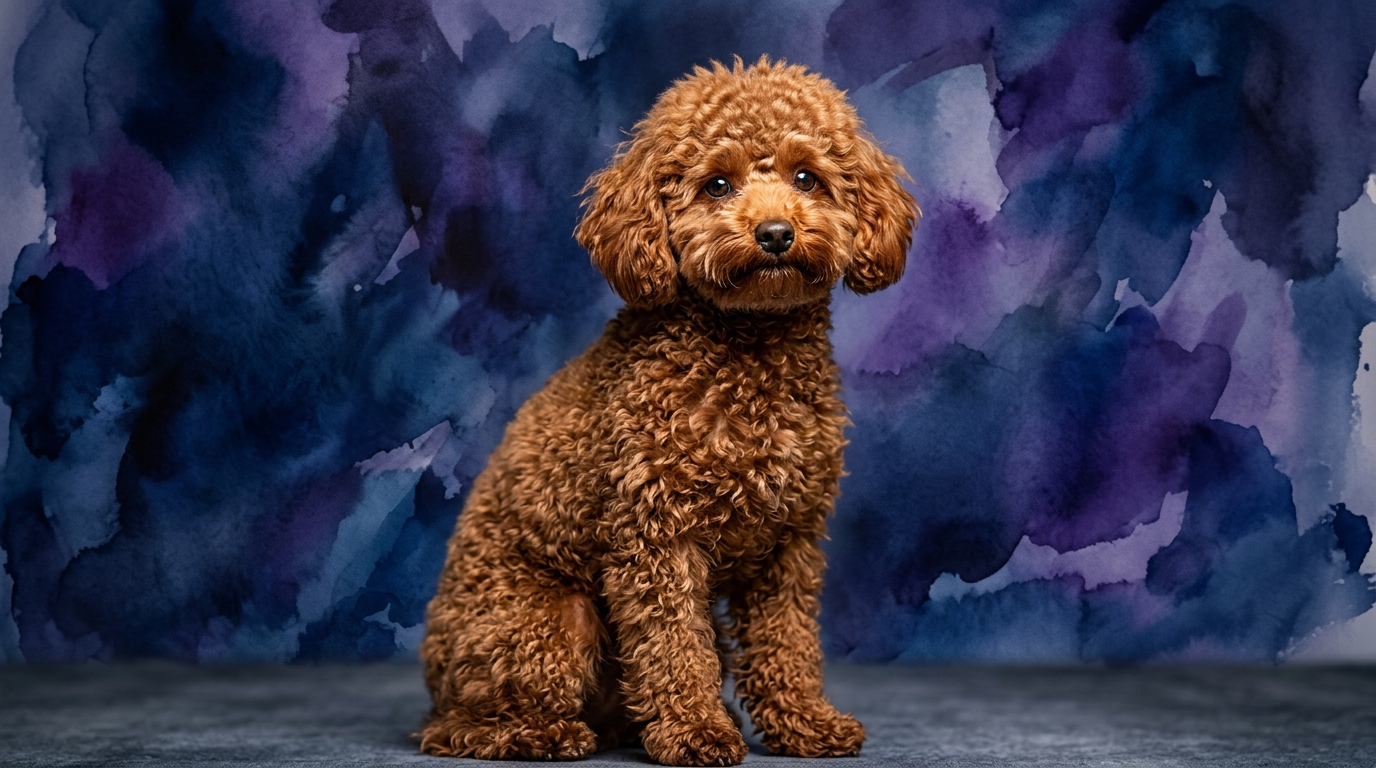
In stark contrast, the Toy Poodle, a charming Toy breed holding an impressive #2 Coren rank, presents a profile geared towards rapid learning and intricate human interaction. Their problem-solving capacity (5/5) is exceptional, enabling them to quickly understand complex tasks, master puzzle toys, and adapt readily to new scenarios. This cognitive agility is mirrored in their training speed (5/5), where they often grasp new commands and routines in very few repetitions, driven by a keen desire to engage with their owners. Social intelligence (3/5) in a Toy Poodle manifests as a sensitivity to human moods and a desire for companionship, although they can sometimes be prone to anxiety if not properly socialized. Their instinctive drive (3/5) is primarily focused on interaction, play, and a residual retrieving instinct, rather than guarding. The Toy Poodle's memory (5/5) is outstanding, allowing them to recall a vast repertoire of commands, routines, and experiences with remarkable precision, making them highly consistent performers once a skill is acquired.
Where the Kuvasz Excels Cognitively
The Kuvasz's cognitive strengths lie in their autonomous decision-making and robust memory for crucial details, particularly concerning their protective duties. With a problem-solving score of 3/5, they demonstrate a capacity for independent thought in guarding situations, assessing potential threats and responding without constant human direction. Their memory, rated 4/5, means they effectively recall past experiences, remembering who belongs and who doesn't, which is vital for a livestock guardian breed. This discerning social intelligence (3/5) allows them to form deep, protective bonds within their family unit, carefully evaluating newcomers rather than indiscriminately accepting them. Their instinctive drive (3/5) is channeled into vigilant observation and a steadfast resolve to protect their charges, a complex cognitive function that balances assessment with action. This translates to a breed that can make critical judgments in high-stakes environments, a skill set distinct from rote obedience.
Where the Toy Poodle Excels Cognitively
The Toy Poodle shines with exceptional cognitive agility, particularly in areas demanding rapid acquisition of new information and complex problem-solving. Their problem-solving ability, rated 5/5, allows them to quickly grasp intricate concepts, excel in puzzle toys, and adapt swiftly to novel situations. This is complemented by a training speed of 5/5, meaning they absorb new commands and routines with remarkable efficiency, often requiring fewer repetitions than many other breeds. Their memory, also a perfect 5/5, ensures that once a lesson is learned, it's rarely forgotten, making them highly reliable in performing complex sequences or responding to a broad vocabulary of cues. While their instinctive drive (3/5) leans towards companionship and playful interaction, their social intelligence (3/5) enables them to be highly attuned to human emotions and intentions, often anticipating needs. This combination creates a dog that thrives on mental engagement, easily masters advanced obedience, and excels in dog sports like agility, where quick thinking and precise execution are paramount.
Training Dynamics: Kuvasz vs. Toy Poodle
The Toy Poodle presents a significantly easier training experience compared to the Kuvasz, primarily due to their intrinsic motivations and cognitive profiles. The Toy Poodle's training speed (5/5) and problem-solving ability (5/5) mean they readily engage with learning tasks, quickly associating commands with actions and outcomes. Their eagerness to please and high social intelligence (3/5, often manifesting as sensitivity to owner cues) make them highly responsive to positive reinforcement and clear communication. They thrive on mental stimulation and enjoy the collaborative process of training, often picking up complex tricks and multi-step sequences with minimal effort. In contrast, the Kuvasz, with a training speed of 3/5 and problem-solving at 3/5, approaches training with a different mindset. Their background as independent livestock guardians means they are bred to make autonomous decisions, not to blindly follow commands. This often translates into a perceived stubbornness; they will comply if they see the purpose but may question directives that conflict with their perceived duties or instincts. Training a Kuvasz requires immense patience, consistency, and a deep understanding of their guardian temperament, focusing on building trust and respect rather than expecting instant obedience. Their strong memory (4/5) means they remember what they've learned, but their independent nature often dictates when and how they apply it.
Matching Breeds to Lifestyles: Active vs. Engaged Owners
The choice between a Kuvasz and a Toy Poodle depends less on generalized 'active vs. relaxed' and more on the *type* of activity and engagement an owner can provide. A Kuvasz, while not typically a high-speed endurance athlete, requires a specific kind of 'active' owner: one who understands and can manage their profound protective instincts and independent nature. Their instinctive drive (3/5) means they need a purpose, often fulfilled through guarding their home and family, which is mentally demanding work. Owners must be actively involved in providing consistent boundaries, socialization, and a secure environment where the Kuvasz feels its protective role is valued. They need regular, moderate exercise to maintain physical health, but more importantly, they need an owner who is mentally active in their training and management, capable of handling a powerful, discerning breed. A truly relaxed owner who prefers minimal engagement or a hands-off approach would find the Kuvasz challenging.
Conversely, the Toy Poodle can suit a broader range of lifestyles, but still thrives with an 'active' owner in a different sense. Their exceptional problem-solving (5/5) and memory (5/5) mean they require significant mental stimulation to prevent boredom and destructive behaviors. This can manifest as regular training sessions, puzzle toys, dog sports like agility or obedience, or even simply engaging in interactive games. While they are adaptable to apartment living with sufficient walks, a 'relaxed' owner who provides little mental engagement might find their Poodle developing undesirable habits born of under-stimulation. However, for owners who enjoy consistent, positive training and interactive play, the Toy Poodle is an ideal companion. Their social intelligence (3/5) means they genuinely enjoy being part of family activities, making them suitable for owners who want a dog actively involved in their daily lives, whether those lives are filled with brisk walks or quiet evenings with brain games.
The Verdict
Choose the Kuvasz if you seek an independent, protective companion with a strong sense of duty, and are prepared for consistent, patient training to guide their discerning nature.
Opt for the Toy Poodle if you desire a highly trainable, adaptable companion eager for mental challenges and interactive engagement in a wide range of activities.
🧠 Find Your Pet's IQ Score
Our Pet IQ Lab assessment covers 25+ tests across 5 cognitive dimensions — personalized to your breed.
Take the Full IQ Test →Frequently Asked Questions
Are Kuvasz dogs suitable for first-time owners?
The Kuvasz's independent nature and strong protective instincts (instinctive drive 3/5) make them generally less suitable for first-time dog owners. They require an experienced handler who understands their unique temperament and can provide consistent, firm, yet positive guidance from puppyhood.
Do Toy Poodles require extensive mental stimulation?
Yes, Toy Poodles thrive on mental engagement due to their exceptional problem-solving (5/5) and memory (5/5). Without sufficient mental challenges through training, puzzle toys, or interactive play, they can become bored and potentially develop undesirable behaviors.
How do their Coren ranks reflect their daily behavior?
The Toy Poodle's Coren rank of #2 reflects its outstanding capacity for obedience and working intelligence, translating to a dog that learns quickly and reliably follows commands in daily life. The Kuvasz's rank of #42, while still respectable, indicates a more independent learner whose cognitive strengths lean more towards autonomous decision-making in guardian roles rather than immediate, rote obedience.