Side-by-Side IQ Profile: Kuvasz vs. Treeing Walker Coonhound
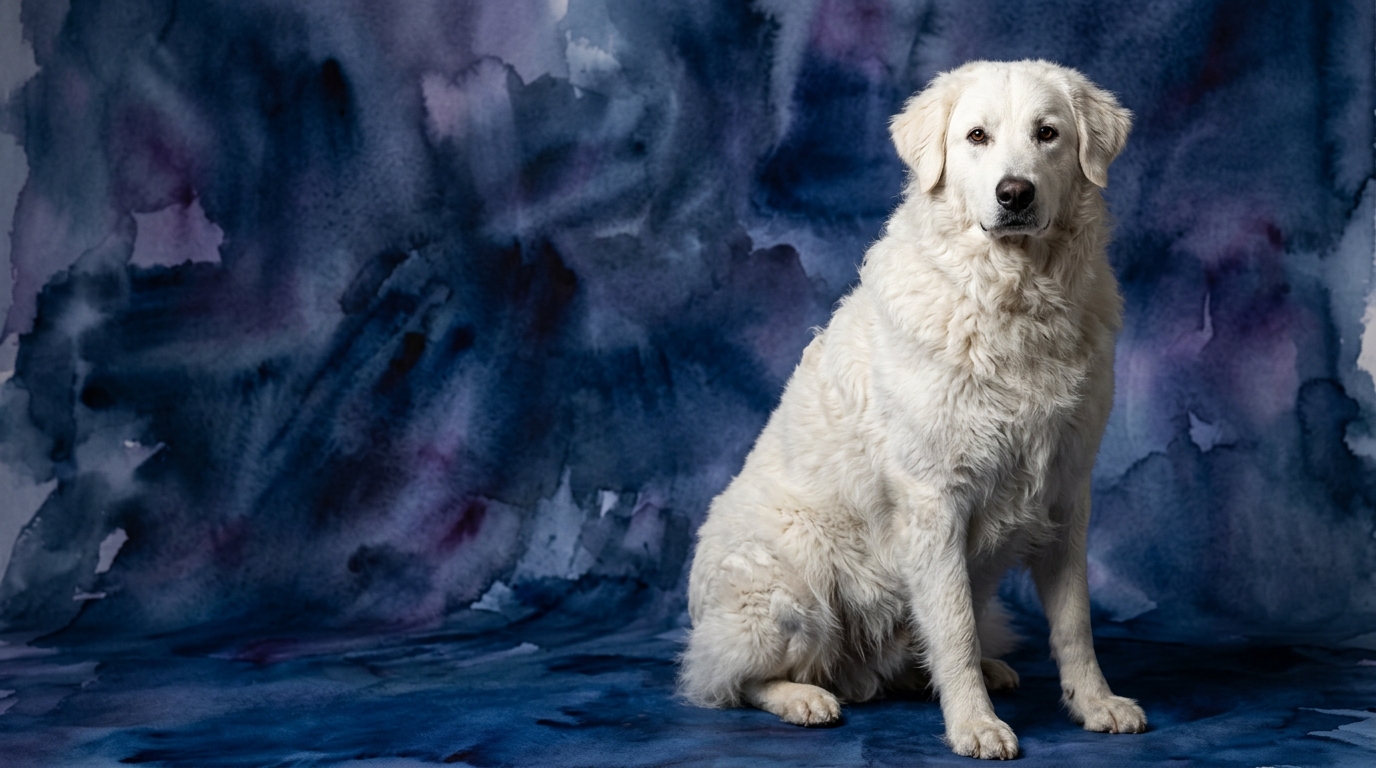
The Kuvasz, a formidable working dog, presents a cognitive profile characterized by moderate problem-solving (3/5), indicating an ability for independent thought, particularly in assessing environmental cues and potential threats. Its training speed (3/5) suggests an average learning pace, though often influenced by its self-reliant nature. Social intelligence (3/5) reflects a balanced capacity to understand human interactions and pack dynamics, but with a strong sense of autonomy. Instinctive drive (3/5) is moderately expressed, primarily channeled into protective behaviors and territorial vigilance. Memory (4/5) stands out as a particular strength, signifying a robust ability to retain information and recall experiences over extended periods, essential for its traditional guardianship duties.
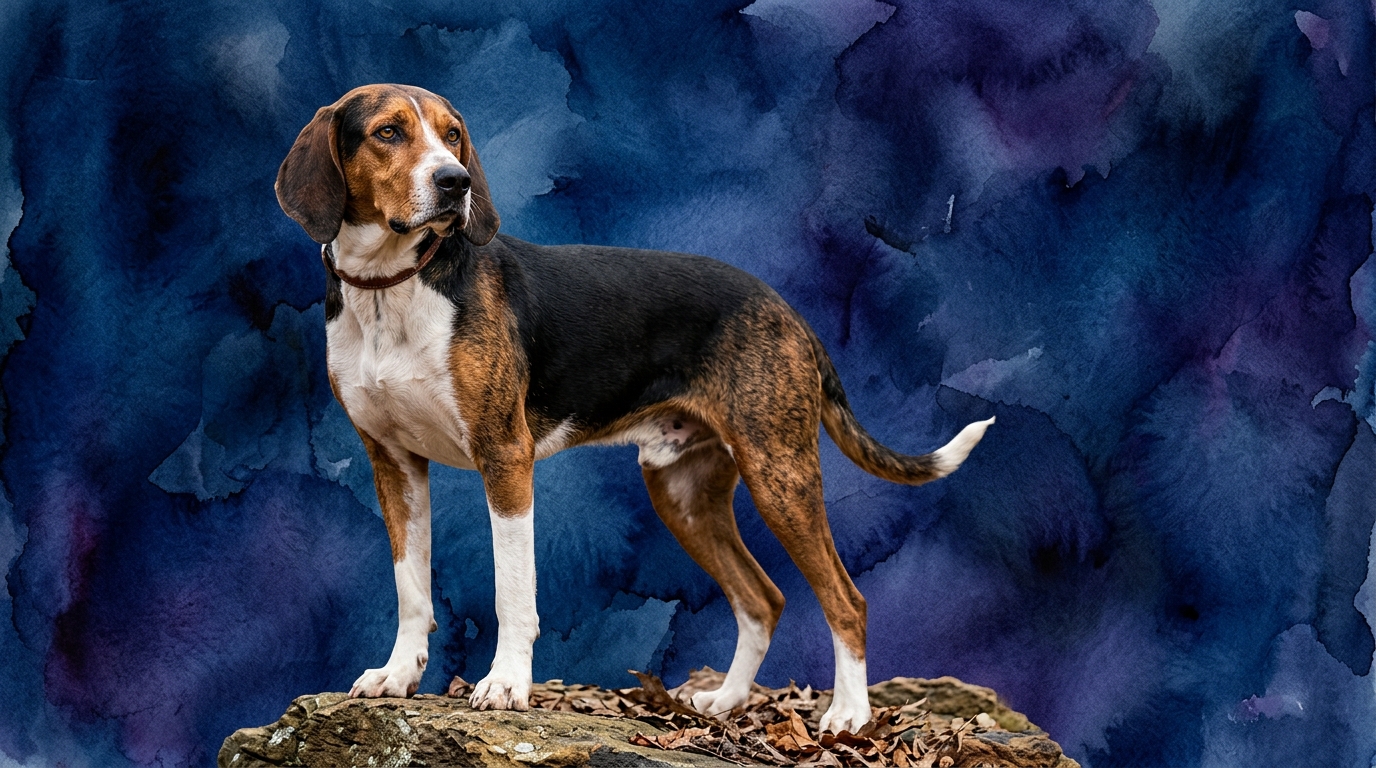
The Treeing Walker Coonhound, a dedicated hound breed, demonstrates a practical problem-solving ability (3/5) largely geared towards tracking and locating quarry in diverse environments. Its training speed (3/5) implies a standard learning curve, often highly motivated by scent-related reinforcement. Social intelligence (3/5) indicates an average capacity to interpret human intentions and integrate into a family unit, though its primary focus is frequently drawn to olfactory stimuli. Instinctive drive (3/5) is powerfully developed and singularly directed towards scent work, treeing, and pursuit, consuming much of its cognitive energy. Memory (3/5) reflects a solid capacity for recall, particularly valuable for remembering complex scent trails and previously successful hunting strategies.
Where the Kuvasz Wins Cognitively
The Kuvasz truly distinguishes itself in the realm of memory, scoring a 4/5 compared to the Treeing Walker Coonhound's 3/5. This enhanced recall is not merely about remembering commands; it's deeply interwoven with their historical role as livestock guardians. A Kuvasz needs to remember the layout of its territory, the faces of its flock and family members, and the distinct characteristics of potential threats over long periods. This superior memory allows them to build complex mental maps of their environment and the individuals within it, enabling consistent, reliable judgment in their protective duties. They are adept at recognizing patterns in behavior, remembering which strangers are benign visitors and which require a watchful eye, a nuanced cognitive skill that relies heavily on accurate long-term recall. This cognitive strength allows for a more stable and predictable guardian presence, as they can draw upon a deeper reservoir of past experiences to inform their decisions.
Where the Treeing Walker Coonhound Wins Cognitively
While the raw scores might not show a direct “win” in every category for the Treeing Walker Coonhound, its cognitive profile shines brightest in the practical application of its instinctive drive, particularly within its specialized hunting domain. With an Instinctive Drive score of 3/5, similar to the Kuvasz, the Coonhound's drive is channeled with an unparalleled focus on scent-based problem-solving. Their cognitive strengths are entirely dedicated to the intricate task of tracking, trailing, and treeing quarry. This involves a sophisticated form of environmental problem-solving where they must interpret complex scent trails, navigate varied terrain, and make rapid decisions based on olfactory cues. Their problem-solving (3/5) and social intelligence (3/5) are optimized for cooperative hunting with humans, where they learn to interpret handler signals while simultaneously processing a wealth of sensory information. The Coonhound's “win” lies in the sheer efficiency and dedication with which it applies its cognitive resources to a very specific, demanding task, demonstrating a profound understanding of its working environment and the steps required to achieve its objective. Their memory, while rated 3/5, is particularly strong for recalling scent patterns and successful hunting strategies.
Which is Easier to Train and Why
Evaluating ease of training between these two breeds requires understanding their primary motivations and historical roles. Both breeds share a Training Speed score of 3/5, suggesting they can learn at an average pace. However, their approaches to learning and compliance differ significantly. The Kuvasz, as a centuries-old livestock guardian, was bred to work independently, making its own decisions about protecting its flock without constant human direction. This manifests as a strong-willed, self-reliant nature; they learn commands, but their execution is often contingent on whether they perceive the command as relevant or beneficial within their own framework of duties. Their social intelligence (3/5) allows them to understand human cues, but their inherent independence means they are not always eager to please or quick to obey simply for the sake of it. Training a Kuvasz requires immense patience, consistency, and a deep understanding of their guardian mindset, often needing strong motivation and early socialization to channel their protective instincts appropriately.
The Treeing Walker Coonhound, while also possessing a degree of independence in its hunting pursuits, is ultimately bred to work in partnership with a human handler. Their instinctive drive (3/5) is powerfully focused on scent, and training often leverages this drive. They can be highly motivated by opportunities to track or by rewards associated with their prey drive. While they can be single-minded when on a scent, making recall challenging in the field, they generally respond well to positive reinforcement methods that tap into their natural inclinations. Their social intelligence (3/5) enables them to form strong bonds with their owners, which can be a powerful motivator in training. For an owner who understands and can channel their intense prey drive, the Coonhound might appear “easier” to train in specific tasks related to their heritage, as they are often eager to engage in activities that fulfill their intrinsic desires. However, their propensity for following their nose means that off-leash reliability in distracting environments can be a significant challenge, requiring consistent, high-level training.
Which Suits Active Owners vs. Relaxed Owners
Both the Kuvasz and the Treeing Walker Coonhound require active engagement, but the nature of that activity differs, making them suitable for different types of “active” owners. A Kuvasz, despite its imposing size, is not necessarily a high-energy dog in the sense of needing constant running. Its activity is more about patrol, vigilance, and mental assessment of its territory. They need regular, moderate exercise to stay healthy, but more importantly, they need a “job” – even if that job is simply overseeing their family and property. Owners who enjoy long, purposeful walks, have a secure yard for patrolling, and are prepared for a dog that thinks independently will find the Kuvasz rewarding. They are not suited for owners seeking a dog for casual, short strolls or those who prefer a highly biddable companion for urban adventures. Their moderate instinctive drive (3/5) for protection means they are always “on duty,” requiring an owner who appreciates and manages this inherent trait rather than trying to suppress it.
The Treeing Walker Coonhound, conversely, is built for endurance and intense bursts of activity, driven by its powerful instinctive drive (3/5) for scent work. They thrive with owners who can provide ample opportunities for vigorous exercise, preferably involving their nose. This means long runs, hikes, scent work games, or even participation in dog sports like tracking or agility. A “relaxed” owner who cannot meet their substantial exercise needs will likely find themselves with a bored, potentially destructive, and vocal dog. Their problem-solving (3/5) and memory (3/5) are consistently engaged in their pursuit of scent, meaning mental stimulation is as crucial as physical exertion. Owners who enjoy spending significant time outdoors, engaging in active pursuits, and are prepared to manage a dog with a powerful prey drive will find the Coonhound an enthusiastic and tireless companion. They are definitely not for those seeking a sedentary couch potato.
The Verdict
Choose the Kuvasz if you seek a dedicated, independent guardian with a strong memory and a watchful presence, appreciating a dog that thinks for itself within its protective role.
Opt for the Treeing Walker Coonhound if you are an active owner passionate about scent work or outdoor adventures, seeking a driven, enthusiastic companion with incredible stamina.
🧠 Find Your Pet's IQ Score
Our Pet IQ Lab assessment covers 25+ tests across 5 cognitive dimensions — personalized to your breed.
Take the Full IQ Test →Frequently Asked Questions
Does a Kuvasz's strong memory make it easier to house-train?
A Kuvasz's superior memory (4/5) certainly aids in house-training, as they quickly recall where and when they should relieve themselves. However, their independent nature means consistency from the owner is paramount to reinforce these learned behaviors effectively.
How does the Treeing Walker Coonhound's instinctive drive affect its daily life?
The Coonhound's strong instinctive drive (3/5) primarily manifests as an intense focus on scent, leading them to follow their nose relentlessly. This requires secure fencing and leash training, as their desire to track can override other commands in stimulating environments.
Are either of these breeds suitable for first-time dog owners?
Neither the Kuvasz nor the Treeing Walker Coonhound are typically recommended for first-time dog owners due to their strong independent streaks, specific needs, and powerful drives. Both require experienced handling, consistent training, and a deep understanding of their breed-specific traits.