Side-by-Side Cognitive Profile: A Tale of Two Canines
To truly understand the cognitive landscape of these two distinct breeds, The Cosmic Pet Pet IQ Lab breaks down their intelligence across five crucial dimensions: Problem Solving, Training Speed, Social Intelligence, Instinctive Drive, and Memory.
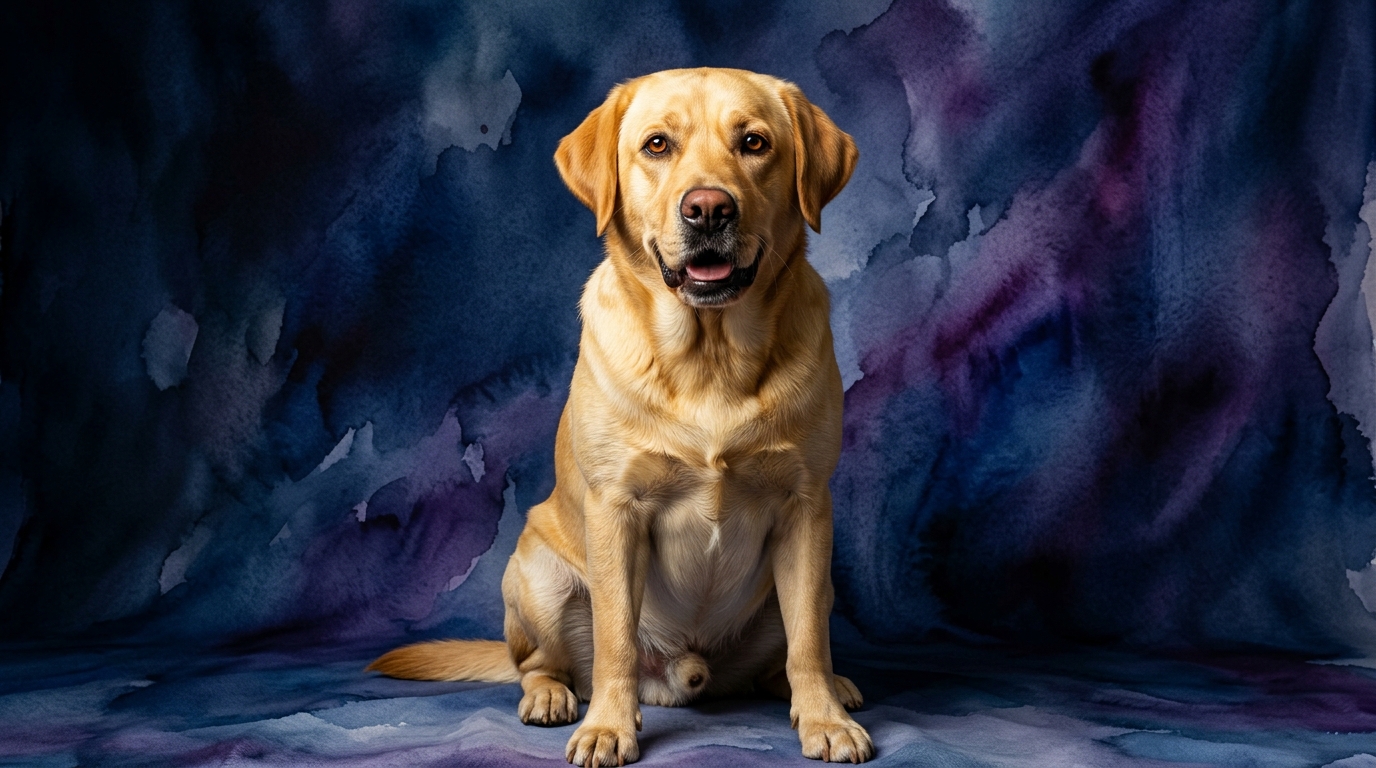
The Labrador Retriever, a member of the Sporting group and ranked #7 by Coren's research, presents a profile optimized for cooperative partnership. Their Problem Solving is rated 4/5, indicating a strong capacity to understand cause-and-effect and navigate complex tasks within a structured environment. This is complemented by an exceptional Training Speed of 5/5, meaning they absorb new commands and routines with remarkable alacrity, often needing only a few repetitions. Their Social Intelligence scores a perfect 5/5, reflecting a profound attunement to human cues, intentions, and emotions, thriving on mutual interaction. An Instinctive Drive of 4/5 highlights their strong retrieving instincts, keen scenting ability, and a natural inclination for collaborative work, while their Memory, rated 4/5, allows them to retain learned behaviors and associations effectively over time, recalling specific locations and people with ease.
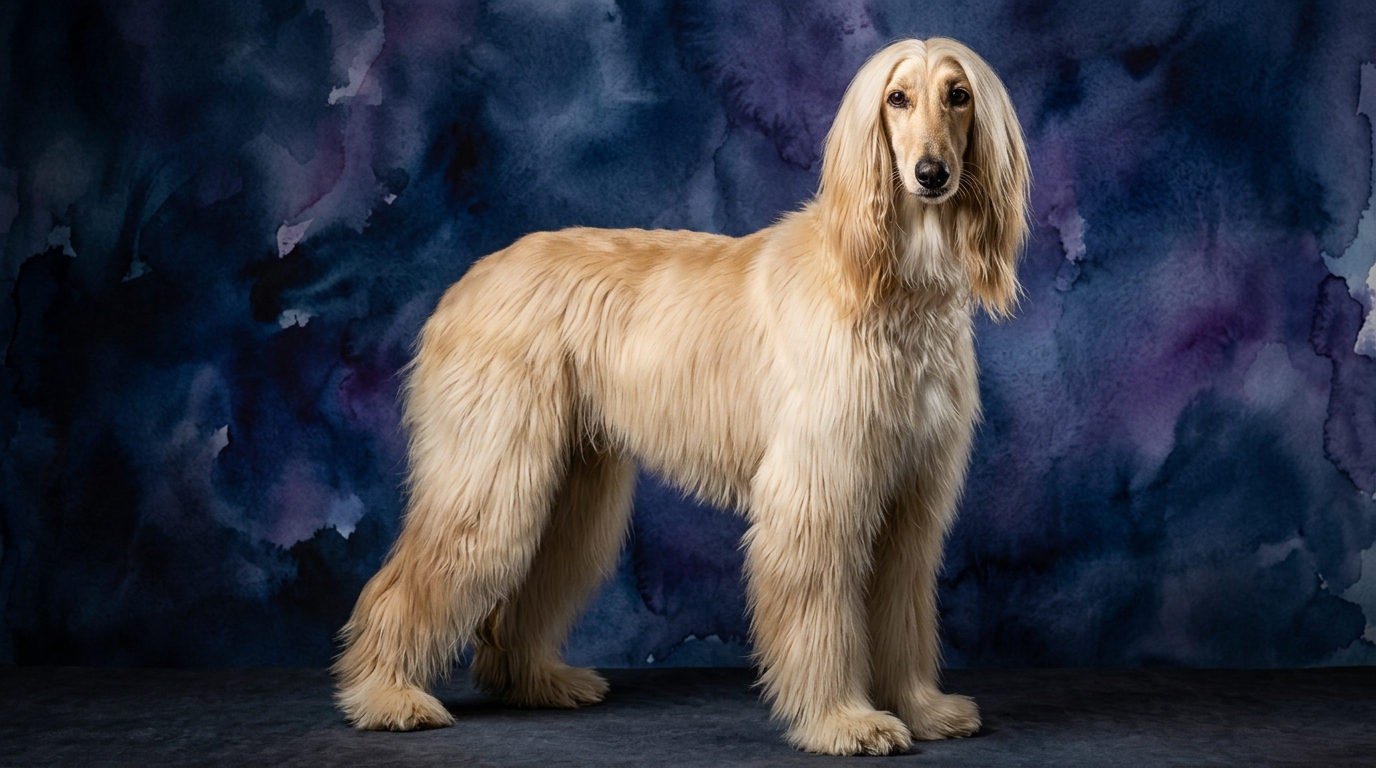
In stark contrast, the Afghan Hound, hailing from the ancient Hound group and ranked #79 by Coren, showcases a cognitive design built for independent action. Surprisingly, their Problem Solving matches the Labrador at 4/5, but this manifests in a distinctly self-serving manner – figuring out how to open gates or outsmarting obstacles to achieve their own objectives. Their Training Speed, however, is a challenging 1/5, demanding significant repetition and patience, as they often appear to 'choose' whether to comply based on perceived personal value. Social Intelligence for the Afghan is 2/5; they are often aloof and independent, less driven by human approval, interpreting social cues through a lens of self-possession. Their Instinctive Drive is a powerful 5/5, rooted in centuries of sighthound breeding, endowing them with an ancient urge to chase and hunt by sight, often overriding other impulses. Finally, their Memory is rated 3/5; while they retain information, it's less consistently applied to obedience or social contexts compared to the Lab, often remembering what serves their immediate interests.
Where the Labrador Retriever Excels Cognitively
The Labrador Retriever's cognitive strengths shine brightly in areas that foster human-canine partnership and adaptability. Their exceptional Training Speed (5/5) means they absorb new commands with remarkable alacrity, often needing only a few repetitions to master a task. This isn't merely about rote learning; it's deeply intertwined with their Social Intelligence (5/5), which makes them acutely aware of human intent and eager to cooperate. A Lab doesn't just learn a 'sit' command; it learns that 'sit' pleases its human and often leads to a reward, reinforcing the behavior through positive social feedback. Their Memory (4/5) further solidifies this advantage, allowing them to recall a vast repertoire of commands, remember specific people and places, and apply past learning to new situations efficiently. This combination makes them highly adaptable to various roles, from service dogs to complex sporting activities, where understanding and executing human directives are paramount. Their balanced instinctive drive (4/5) also means their natural urges, like retrieving, are often channeled into cooperative games and tasks, making them highly receptive to directed activities.
Where the Afghan Hound Shows Distinct Cognitive Prowess
While the Afghan Hound's lower Coren rank often leads to misinterpretations of its cognitive capacity, a closer look reveals a unique set of strengths rooted in its ancestral purpose. Their Problem Solving score of 4/5 mirrors the Labrador's, but it manifests in a distinctly independent fashion. An Afghan often solves problems to achieve its own goals – perhaps figuring out how to open a cabinet to snatch a treat or navigating complex terrain during a chase. This isn't about seeking human approval; it's about self-sufficiency and achieving an objective. Their Instinctive Drive (5/5) is a dominant cognitive force, a profound program that allows them to process visual stimuli rapidly, assess distances, and execute complex chase sequences with incredible focus and precision. This deep-seated instinct, while challenging for conventional training, represents a sophisticated, ancient form of practical intelligence, honed for survival and independent action in vast open spaces. Their memory (3/5), while not as strong for obedience, is certainly sufficient for remembering prime hunting grounds or escape routes, demonstrating a memory geared towards self-preservation and independent success.
Trainability: A World Apart
When it comes to ease of training, the Labrador Retriever is undeniably the front-runner. Their Training Speed of 5/5, combined with a Social Intelligence of 5/5, creates a dog that is not only quick to learn but also deeply motivated by the desire to engage and please its human companion. Labs typically respond well to positive reinforcement, eagerly offering behaviors that have previously earned them praise or treats. Their inherent cooperative nature means they often seek out direction and thrive on structured interaction, making them a joy to guide through new skills and behaviors.
In stark contrast, the Afghan Hound's Training Speed of 1/5 and Social Intelligence of 2/5 present a significant challenge. An Afghan is not inherently driven by human approval; their independent nature means they often perceive commands as suggestions rather than directives. While they possess problem-solving skills, these are frequently applied to circumvent training rather than comply with it. Their powerful Instinctive Drive (5/5) can also override any learned obedience, particularly when a compelling visual stimulus, like a squirrel, triggers their ancient sighthound instincts. Training an Afghan requires immense patience, creativity, and an understanding that compliance is often a negotiation, not an eager submission. Owners must find ways to make training intrinsically rewarding for the Afghan, tapping into their independent spirit rather than trying to force cooperation.
Matching Canines to Lifestyles: Active vs. Independent Owners
The choice between a Labrador Retriever and an Afghan Hound largely depends on an owner's lifestyle and their expectations for a canine companion. For active owners who seek a highly engaged, cooperative, and versatile partner, the Labrador Retriever is an ideal match. Their high training speed, social intelligence, and balanced instinctive drive make them excellent candidates for dog sports, hiking, swimming, and family activities that require participation and responsiveness. They thrive on having a 'job' and being an integral, interactive part of daily life, offering consistent companionship and a willingness to participate in almost any adventure.
Conversely, the Afghan Hound, despite its athletic build, suits owners who appreciate a more independent and sometimes enigmatic companion. These are not dogs for 'relaxed' owners in terms of needing little exercise – their strong instinctive drive demands regular, vigorous bursts of running in secure areas. However, their cognitive independence means they don't constantly seek human direction or engagement. They are better suited for owners who enjoy long, graceful runs with their dog and appreciate a dignified, self-possessed presence at home, rather than a constantly eager-to-please shadow. They fit owners who are prepared for the unique training challenges and who value a dog's strong sense of self, understanding that affection and cooperation will be offered on the Afghan's own terms.
The Verdict
Choose the Labrador Retriever if you desire a highly trainable, socially engaged companion eager for cooperative activities and consistent interaction.
Opt for the Afghan Hound if you admire independent thinkers with a strong instinctual drive, and are prepared for unique training approaches and a less overtly affectionate, yet deeply loyal, presence.
🧠 Find Your Pet's IQ Score
Our Pet IQ Lab assessment covers 25+ tests across 5 cognitive dimensions — personalized to your breed.
Take the Full IQ Test →Frequently Asked Questions
Does the Afghan Hound's low training speed mean it isn't smart?
Not at all. The Afghan Hound possesses a high problem-solving score, indicating a capacity for intelligent thought, but its intelligence is geared towards independent action and instinctual drives rather than human-directed cooperation. Their 'smartness' manifests differently, often in self-serving ways or in their specialized hunting abilities.
Can an Afghan Hound be trained for advanced obedience?
While challenging due to their independent nature and low training speed, it is possible with significant patience, consistent positive reinforcement, and a deep understanding of their sighthound instincts. Success often comes from making training seem like the dog's own idea or highly rewarding, rather than strict command-and-control.
How do their memory scores impact daily life?
The Labrador's 4/5 memory contributes to their reliability in recalling commands and routines, making daily interactions smooth and predictable. The Afghan's 3/5 memory, while still functional, means they might selectively remember what benefits them, and require more consistent reinforcement for behaviors that don't align with their natural instincts, making training less straightforward.