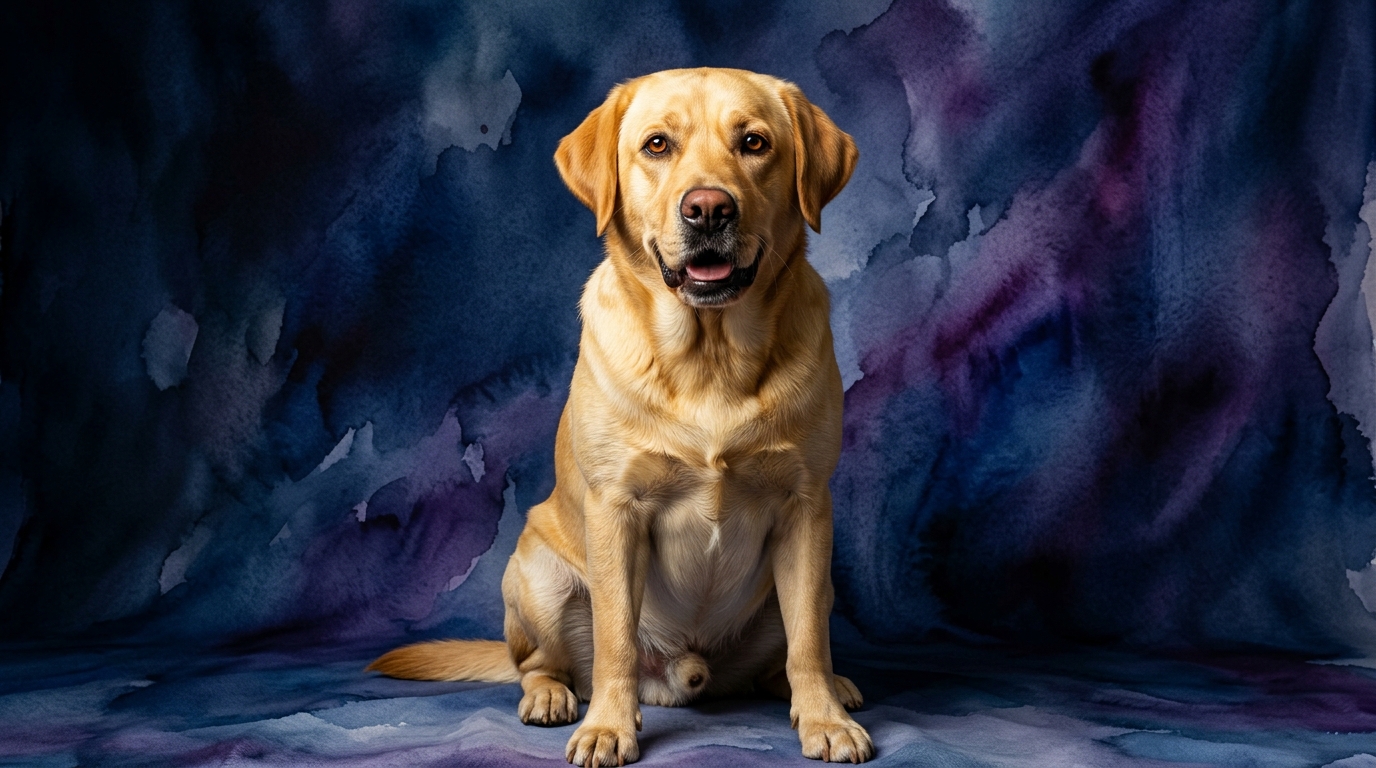
Side-by-Side IQ Profile: Labrador Retriever
Labrador Retrievers display a strong aptitude for navigating complex environments and figuring out solutions to obstacles, often leveraging their physical abilities and keen senses (Problem Solving 4/5). Their approach is typically direct and persistent, driven by a goal-oriented mindset, whether it's retrieving a hidden toy or figuring out a gate latch. This translates into a dog that can adapt well to new situations and learn multi-step commands, demonstrating an ability to connect actions with desired outcomes.
This breed absorbs new commands and routines with exceptional rapidity, often requiring fewer repetitions than many other breeds (Training Speed 5/5). Their eagerness to please, coupled with a high food or toy drive, makes them highly responsive to positive reinforcement, allowing for quick mastery of obedience, complex tricks, and specialized tasks. Their focus on the handler and desire for interaction significantly accelerates the learning process, making them a top choice for service work and competitive dog sports.
Labrador Retrievers possess an outstanding capacity to interpret human cues, including subtle body language and vocal tones, and adjust their behavior accordingly (Social Intelligence 5/5). They form deep attachments with their families, thriving on social interaction and often acting as emotional barometers within the household. This keen social awareness contributes to their adaptability in various social settings and their generally gregarious nature with both people and other animals.
Their strong retrieving instinct is a hallmark, manifesting as an innate desire to carry, fetch, and bring objects to their people (Instinctive Drive 4/5). This drive, while powerful, is highly trainable and can be channeled effectively into constructive activities like scent work, retrieving games, or even carrying groceries. It's a purposeful drive, rooted in their historical role as gun dogs, making them excellent partners for activities that engage this natural inclination.
Labrador Retrievers demonstrate a robust memory for routines, commands, and the locations of favored items or people (Memory 4/5). They can recall learned behaviors even after long periods without practice and remember specific places where they've had positive experiences. This strong memory aids in consistent performance of complex tasks and helps them navigate familiar environments with ease, reinforcing their reliability in various working roles.
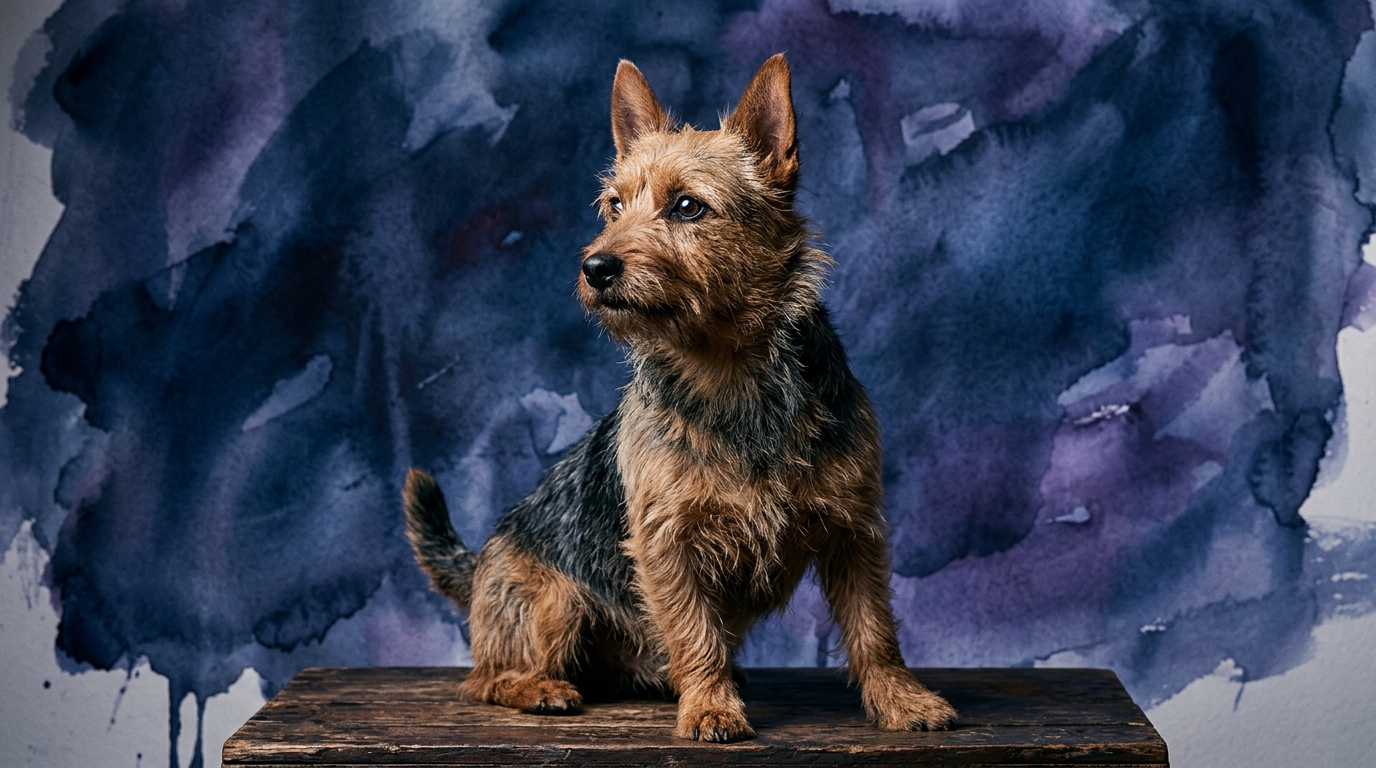
Side-by-Side IQ Profile: Australian Terrier
Australian Terriers approach problem-solving with a characteristic terrier tenacity and independence (Problem Solving 3/5). While they can figure out ways to achieve their goals, particularly if those goals involve digging or chasing, their solutions are often more about persistence and instinct than complex strategizing. They might try several direct, physical approaches before finding success, rather than carefully analyzing the situation from multiple angles.
While capable of learning, Australian Terriers typically require more repetitions and a highly engaging approach to master new commands (Training Speed 3/5). Their independent spirit means they might not always see the immediate value in complying, preferring to follow their own investigative impulses. Patience and creativity from the trainer are key, as they respond best to training that feels like a game and rewards their adventurous nature.
Australian Terriers are affectionate with their chosen family but can be more reserved or discerning with strangers and other animals (Social Intelligence 3/5). They understand their family's moods and routines but might not exhibit the same broad social adaptability as some other breeds. Their social interactions are often characterized by a confident, sometimes assertive, demeanor, reflecting their self-assured terrier personality.
Their instinctive drive is primarily rooted in their terrier heritage: digging, chasing small prey, and alerting to novel sounds (Instinctive Drive 3/5). This drive is strong and intrinsic, less about cooperative retrieving and more about independent pursuit and investigation. Managing this drive requires consistent training and providing appropriate outlets, such as dedicated digging spots or engaging flirt poles, to prevent it from becoming a nuisance.
Australian Terriers possess a functional memory for important routines and learned behaviors, especially those that are regularly reinforced or directly relate to their interests, such as meal times or favored walking routes (Memory 3/5). However, their recall might be less consistent than breeds with higher memory scores, especially if they are distracted by an interesting scent or potential 'prey,' indicating that their memory is often tied to immediate environmental stimuli and personal relevance.
Where Labrador Retriever Wins Cognitively
The Labrador Retriever's cognitive profile consistently outshines the Australian Terrier in areas demanding cooperative learning, intricate social understanding, and sustained focus on human-directed tasks. Their exceptional Training Speed (5/5) means they grasp new concepts and commands with remarkable efficiency, often making leaps in understanding that surprise even seasoned trainers. This rapid acquisition of skills is bolstered by their outstanding Social Intelligence (5/5), allowing them to keenly interpret and respond to human intentions, making them extraordinarily attuned companions and working partners. A Labrador doesn't just learn a command; they learn *why* you're asking for it and *how* to best please you in the process. Furthermore, their Problem Solving (4/5) is often more strategically applied to human-centric goals, such as navigating a complex obstacle course or performing sequential tasks, rather than solely pursuing independent, instinctual endeavors. This blend of rapid learning, deep social connection, and goal-oriented problem-solving makes them exceptionally adaptable to a wide array of roles, from assistance animals to competitive athletes, where precise execution and partnership are paramount.
Where Australian Terrier Wins Cognitively
While the Australian Terrier may not match the Labrador's scores in cooperative intelligence, they exhibit a distinct cognitive advantage in areas demanding independent thought, resilience, and an unwavering, self-directed persistence. Their Instinctive Drive (3/5), though rated lower than the Lab's, is channeled into specific, tenacious pursuits like scent tracking and digging, which they execute with impressive single-mindedness. This drive fuels their capacity for independent problem-solving (3/5) when it comes to navigating their environment on their own terms, such as finding a way under a fence or outsmarting a small critter. They possess a robust mental fortitude, often undeterred by setbacks or a lack of immediate reward, continuing to pursue an objective until successful, especially if it appeals to their innate terrier instincts. This independent cognitive style means they excel in situations where self-reliance and an ability to act without constant human direction are valuable, making them adept at patrolling their territory and engaging in prolonged, self-motivated exploration. Their cleverness lies in their ability to adapt their environment to their will, rather than conforming to a human's.
Which is Easier to Train and Why
The Labrador Retriever is demonstrably easier to train due to a confluence of behavioral traits directly linked to their superior IQ scores in Training Speed (5/5) and Social Intelligence (5/5). Their innate desire to please, coupled with a keen ability to read human body language and vocal cues, means they are often pre-disposed to cooperate. When a Labrador is given a command, their primary goal is typically to understand and execute it correctly to earn praise or a reward, making the learning process a highly efficient feedback loop. Their strong memory (4/5) ensures that once a behavior is learned, it is retained effectively, requiring less refresher training. In contrast, the Australian Terrier, with lower scores across the board, presents a different training dynamic. Their independent streak and strong instinctive drives (3/5) mean they might prioritize an interesting scent or a perceived 'critter' over a human command. Training an Australian Terrier requires more patience, creativity, and a knack for making learning feel like their idea or an exciting game. While capable of learning, their training speed (3/5) is slower, and their social intelligence (3/5) is more selective, meaning they might not always be as intrinsically motivated to comply for the sake of pleasing their human. Their inherent tenacity, while a strength in other contexts, can translate into stubbornness during training if they don't see the immediate benefit or if their instincts pull them in another direction.
Which Suits Active Owners vs Relaxed Owners
For owners with an active lifestyle who seek a highly engaged companion for outdoor adventures, competitive sports, or dedicated working roles, the Labrador Retriever is an exceptional match. Their high instinctive drive (4/5) for retrieving, coupled with their robust physical stamina and eagerness to learn, makes them ideal partners for hiking, swimming, dock diving, agility, and obedience trials. They thrive on having a 'job' and require significant mental and physical stimulation to prevent boredom, which can manifest as destructive behaviors. A Labrador wants to be an integral part of an active family's daily life, participating in everything from morning runs to evening fetch sessions. Conversely, while the Australian Terrier certainly possesses energy and enjoys activity, their needs align differently. They are well-suited for owners who appreciate a dog with a spirited personality but might not be seeking a marathon runner or a service animal. Their activity requirements involve regular walks, engaging play sessions that tap into their terrier instincts like chasing and digging, and opportunities for mental stimulation through puzzle toys or exploring a secure yard. They can adapt to a more relaxed indoor lifestyle once their daily exercise needs are met, often content to curl up with their family. They are less about sustained, cooperative physical exertion and more about bursts of independent, exploratory activity.
The Verdict
Choose a Labrador Retriever if you desire a highly trainable, socially astute, and eager-to-please companion for active lifestyles, cooperative tasks, and deep family integration. They excel when given a purpose and thrive on consistent engagement and a clear understanding of expectations.
Opt for an Australian Terrier if you appreciate an independent, tenacious, and spirited companion who brings a charming, self-assured personality to a moderately active household. They are best for owners who enjoy a dog with strong character and are prepared to engage their natural instincts with creative training.
🧠 Find Your Pet's IQ Score
Our Pet IQ Lab assessment covers 25+ tests across 5 cognitive dimensions — personalized to your breed.
Take the Full IQ Test →Frequently Asked Questions
Is a Labrador Retriever too energetic for a first-time owner?
Labrador Retrievers possess significant energy and a strong drive, making them quite active companions. While their high trainability and eagerness to please make them excellent learners, a first-time owner should be prepared for consistent training, ample exercise, and mental stimulation to channel their enthusiasm constructively.
Do Australian Terriers get along with other pets?
Australian Terriers can coexist peacefully with other pets, especially if socialized from a young age. However, their strong prey drive, rated 3/5, means they might view smaller, non-canine pets as chase objects, and their independent nature might lead to less deference towards other dogs.
How much exercise does an Australian Terrier need daily?
An Australian Terrier requires moderate daily exercise, typically 30-60 minutes of varied activity. This should include brisk walks, engaging play sessions that allow them to chase and explore, and opportunities for mental challenges to satisfy their curious and tenacious terrier spirit.