Side-by-Side IQ Profile
The Cosmic Pet Pet IQ Lab employs a five-dimensional framework to assess canine intelligence, moving beyond simple obedience to understand the multifaceted nature of a dog's mind. For the Labrador Retriever and the Black and Tan Coonhound, these dimensions illuminate their inherent aptitudes and challenges.
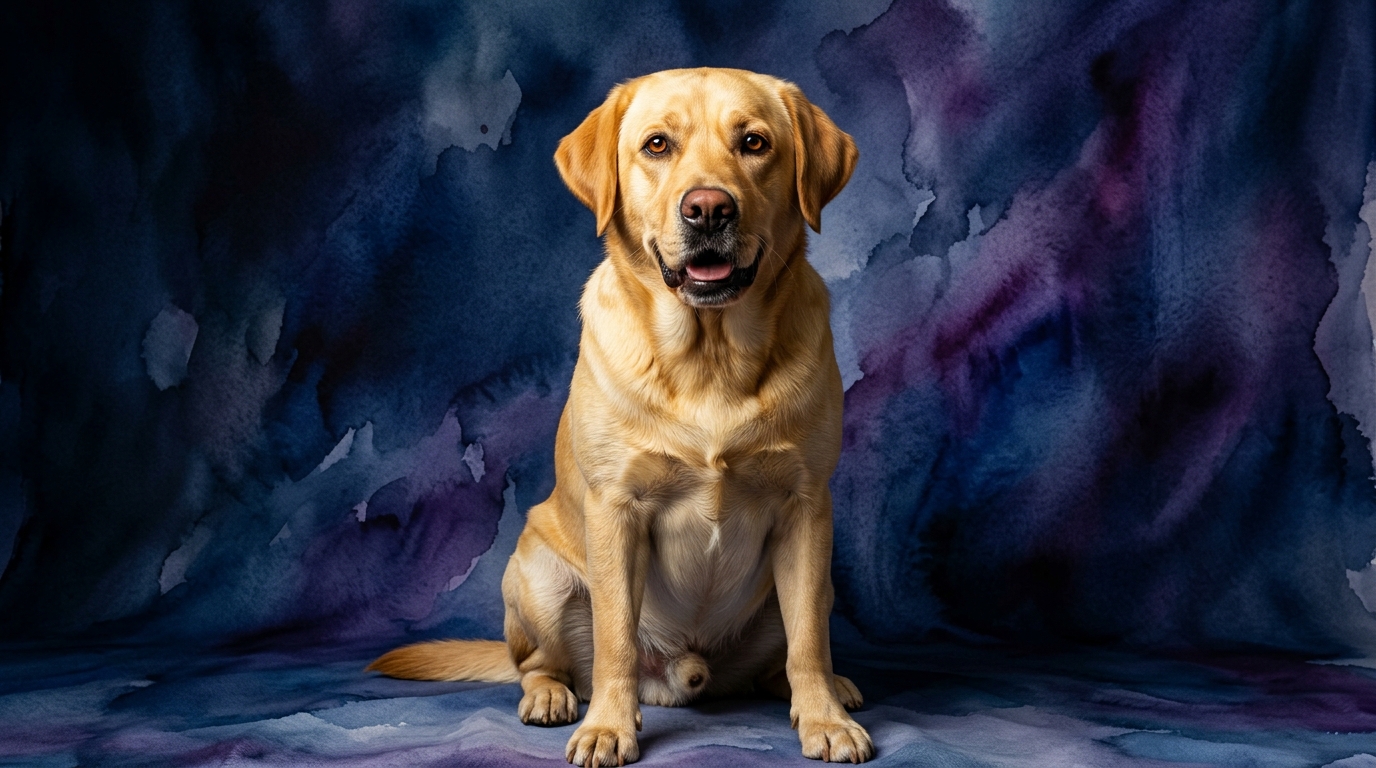
Labrador Retriever (Coren rank #7): Problem Solving 4/5, Training Speed 5/5, Social Intelligence 5/5, Instinctive Drive 4/5, Memory 4/5. Labs demonstrate a strong capacity for figuring out novel situations, often in collaboration with humans. They are adept at tasks requiring sequential steps, like retrieving specific items or navigating complex environments in a service role, driven by a desire to understand and execute human requests. Their eagerness to please and high food drive translate into exceptional trainability. Labs typically grasp new commands swiftly, often after just a few repetitions, making them highly responsive and a joy to work with in various disciplines, from obedience to specialized tasks. This breed excels at reading human body language and vocal cues, often anticipating desires before a command is given. Their strong bond-forming ability and intuitive understanding of social dynamics make them adaptable family members and excellent therapy or assistance dogs. While their retrieving instinct is powerful and often directed by humans, their drive is broad enough to encompass various working roles. They possess an inherent desire to work alongside people, channeling their natural inclinations into productive and collaborative activities. Labs exhibit strong recall for commands, routines, and the location of objects or people. This cognitive strength supports their rapid training and allows them to perform complex sequences and remember learned behaviors over long periods, contributing to their reliability.
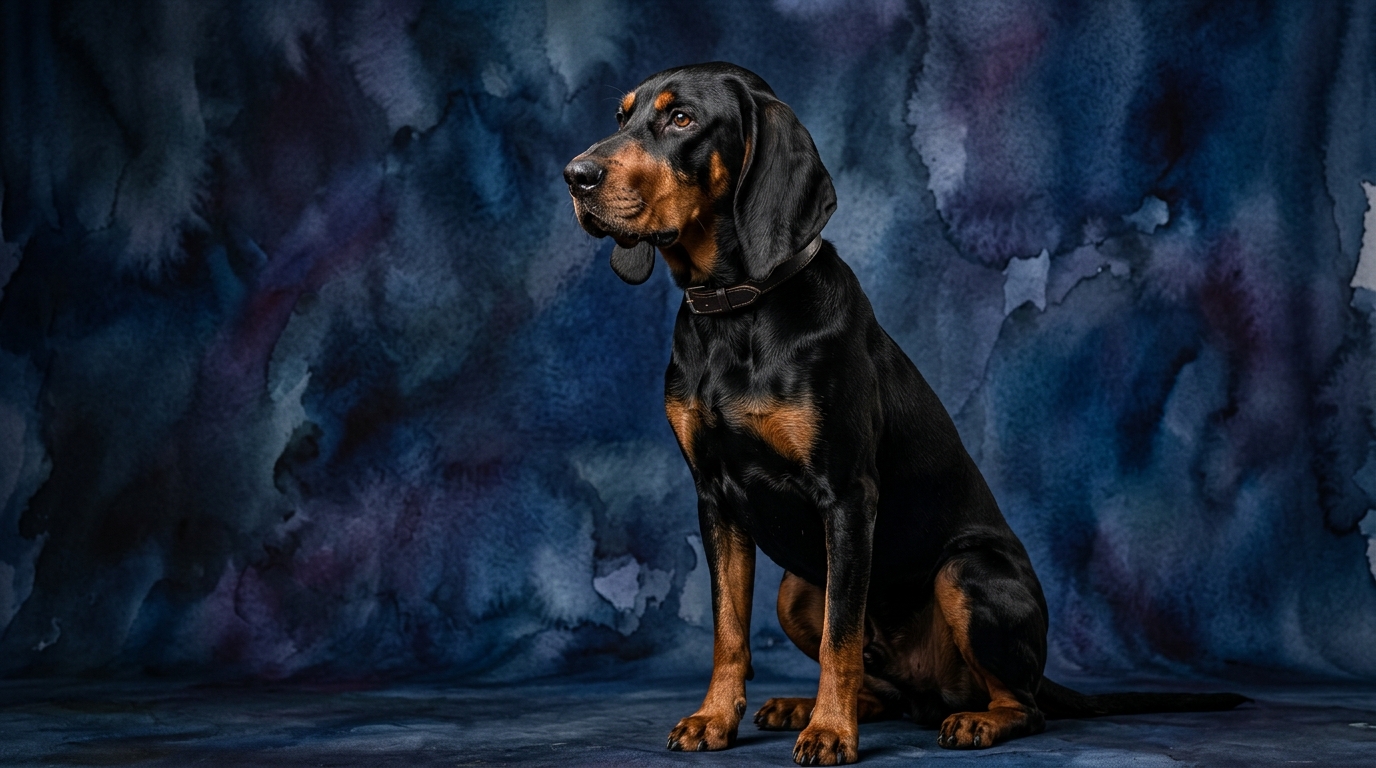
Black and Tan Coonhound (Not Coren-ranked): Problem Solving 3/5, Training Speed 3/5, Social Intelligence 3/5, Instinctive Drive 3/5, Memory 3/5. Coonhounds are problem solvers, but their approach is highly independent and primarily scent-driven. They excel at figuring out complex scent trails, navigating challenging terrain to pursue a quarry, rather than solving human-devised puzzles for the sake of pleasing. Their training speed is moderate, often requiring more patience and consistency due to their independent nature and strong olfactory distractions. While capable of learning commands, their motivation is often internal (the thrill of the chase) rather than external (human approval), which can make traditional obedience slower. Coonhounds form deep, affectionate bonds with their families, but their social intelligence is less about anticipating human commands and more about companionship on their terms. They enjoy being part of the pack but may not seek constant human approval or interpret subtle cues as readily as a Labrador. Their instinctive drive is overwhelmingly focused on scent work and trailing. This powerful, ancient drive means they are purpose-built for following a track, often to the exclusion of other stimuli, which can be both a strength in their field and a challenge in a domestic setting. Coonhounds possess excellent memory for scent profiles and the intricacies of a trail. However, their memory for arbitrary human commands or routines, while present, may require more frequent reinforcement compared to a breed whose primary drive is collaboration and recall.
Where Labrador Retriever Wins Cognitively
The Labrador Retriever's cognitive strengths shine particularly in areas requiring direct human collaboration and adaptable learning. Their superior training speed and social intelligence mean they process and respond to human directives with remarkable efficiency, making them adept at complex tasks like guiding the visually impaired or detecting specific substances. Their problem-solving ability often manifests as figuring out how to best accomplish a given human goal, whether it's navigating an agility course or retrieving a dropped item. This inherent desire to work with their people, coupled with their strong memory for learned behaviors, allows them to master and retain a vast repertoire of commands and skills, making them exceptionally versatile working dogs and family companions who are consistently tuned into their owner's intentions.
Where Black and Tan Coonhound Wins Cognitively
While not excelling in traditional obedience metrics, the Black and Tan Coonhound possesses a specialized cognitive brilliance rooted in its ancient purpose. Their problem-solving is unparalleled when it comes to deciphering complex scent puzzles; they can follow faint, aged trails over varied terrain, demonstrating an incredible ability to filter out irrelevant smells and focus with singular determination. Their instinctive drive is a testament to this specialized intelligence, manifesting as an unwavering focus and endurance during a chase, a cognitive feat requiring intense concentration and strategic decision-making in the field. This breed's memory for specific scents and the intricate pathways of a successful hunt is phenomenal, allowing them to learn and remember the nuances of their environment through their nose. Their social intelligence, while not oriented towards people-pleasing, allows them to form profound, loyal bonds with their families, thriving in a pack environment where their unique contributions are valued.
Which is Easier to Train and Why
Without question, the Labrador Retriever is generally considered easier to train for the average companion dog owner. Their exceptional training speed, coupled with a high degree of social intelligence, means they are instinctively inclined to understand and respond to human instruction. Labs are often highly motivated by praise, toys, and food, making positive reinforcement incredibly effective. They possess a strong desire to please their people, which translates into an eagerness to learn and comply with commands. When a Labrador is presented with a task, their problem-solving mind often focuses on figuring out 'what does my human want me to do?'
The Black and Tan Coonhound, conversely, presents a more significant training challenge. Their powerful, independent instinctive drive to follow a scent often overrides human commands, particularly in stimulating outdoor environments. While intelligent, their problem-solving is geared towards hunting and tracking, not necessarily mastering complex obedience routines for human gratification. Training a Coonhound requires immense patience, consistency, and a deep understanding of their hound nature. They can learn, but their motivation must often be carefully managed, and owners must be prepared for moments where the allure of a captivating smell trumps all else, making off-leash reliability a long-term endeavor.
Which Suits Active Owners vs Relaxed Owners
The Labrador Retriever, with its energetic nature and high social intelligence, is an excellent fit for active owners who desire a canine companion to integrate fully into their lifestyle. They thrive on activities like hiking, swimming, retrieving games, and dog sports, but their adaptability means they can also enjoy structured walks and family outings. Their desire to be involved and their quick learning make them ideal partners for owners who want to teach new tricks, engage in advanced training, or participate in canine sports. For a relaxed owner, a Lab can adapt, provided their significant needs for mental and physical exercise are consistently met through planned activities, as their intelligence and drive require outlets.
The Black and Tan Coonhound is best suited for active owners whose definition of 'active' aligns with substantial outdoor exploration and, ideally, scent-based activities. These dogs possess incredible stamina and a relentless drive to follow a trail, making them perfect companions for long hikes, walks in varied terrain, or specialized scent work. Their independent nature means they might be content to explore a large, securely fenced yard or a wilderness trail with their nose to the ground, rather than constantly engaging in interactive play with their owner. A relaxed owner who cannot commit to extensive, often off-leash (in secure areas) exercise and opportunities for scent exploration would likely find a Coonhound challenging, as their unfulfilled instinctive drives can lead to frustration and undesirable behaviors like baying or attempting to escape to follow a scent.
The Verdict
Choose a Labrador Retriever if you prioritize a highly trainable, socially astute companion eager to collaborate on tasks, learn quickly, and seamlessly integrate into diverse family activities with consistent responsiveness.
Opt for a Black and Tan Coonhound if you are an experienced owner seeking an independent, scent-driven partner for extensive outdoor adventures, appreciating a dog whose cognitive strengths lie in tracking and whose loyalty is profound, albeit on its own terms.
🧠 Find Your Pet's IQ Score
Our Pet IQ Lab assessment covers 25+ tests across 5 cognitive dimensions — personalized to your breed.
Take the Full IQ Test →Frequently Asked Questions
Are Black and Tan Coonhounds difficult to train?
Black and Tan Coonhounds can be more challenging to train than many other breeds due to their strong independent streak and overwhelming focus on scent. Consistency, patience, and understanding their natural drives are crucial for successful training.
Do Labrador Retrievers need a lot of mental stimulation?
Yes, Labrador Retrievers absolutely require significant mental stimulation to thrive, alongside physical exercise. Their high intelligence and desire to work mean they benefit greatly from training, puzzle toys, and engaging activities to prevent boredom.
Which breed is better for a first-time dog owner?
For a first-time dog owner, the Labrador Retriever is generally a more suitable choice due to their exceptional trainability, eagerness to please, and adaptability. Black and Tan Coonhounds often require an owner experienced with independent, scent-driven breeds.