
Side-by-Side Cognitive Profiles: Decoding Canine Smarts
The Labrador Retriever, ranked #7 by canine psychologist Stanley Coren, presents a cognitive profile optimized for companionship and cooperative work. Their Problem Solving is rated a robust 4/5, indicating a strong capacity for independent thought and adaptability when faced with novel situations, often figuring out how to achieve a desired outcome without constant human intervention. Training Speed is an exceptional 5/5, reflecting their profound eagerness to please and rapid acquisition of new commands and routines, making them highly receptive students. Social Intelligence also scores a perfect 5/5, showcasing their remarkable ability to read human emotions, respond to subtle cues, and form deep, empathetic bonds. Their Instinctive Drive, rated 4/5, is geared towards retrieving and working alongside humans, leveraging their natural predispositions for cooperative tasks. Finally, their Memory at 4/5 ensures they retain learned behaviors, recognize familiar faces and places, and recall complex sequences of actions with ease.
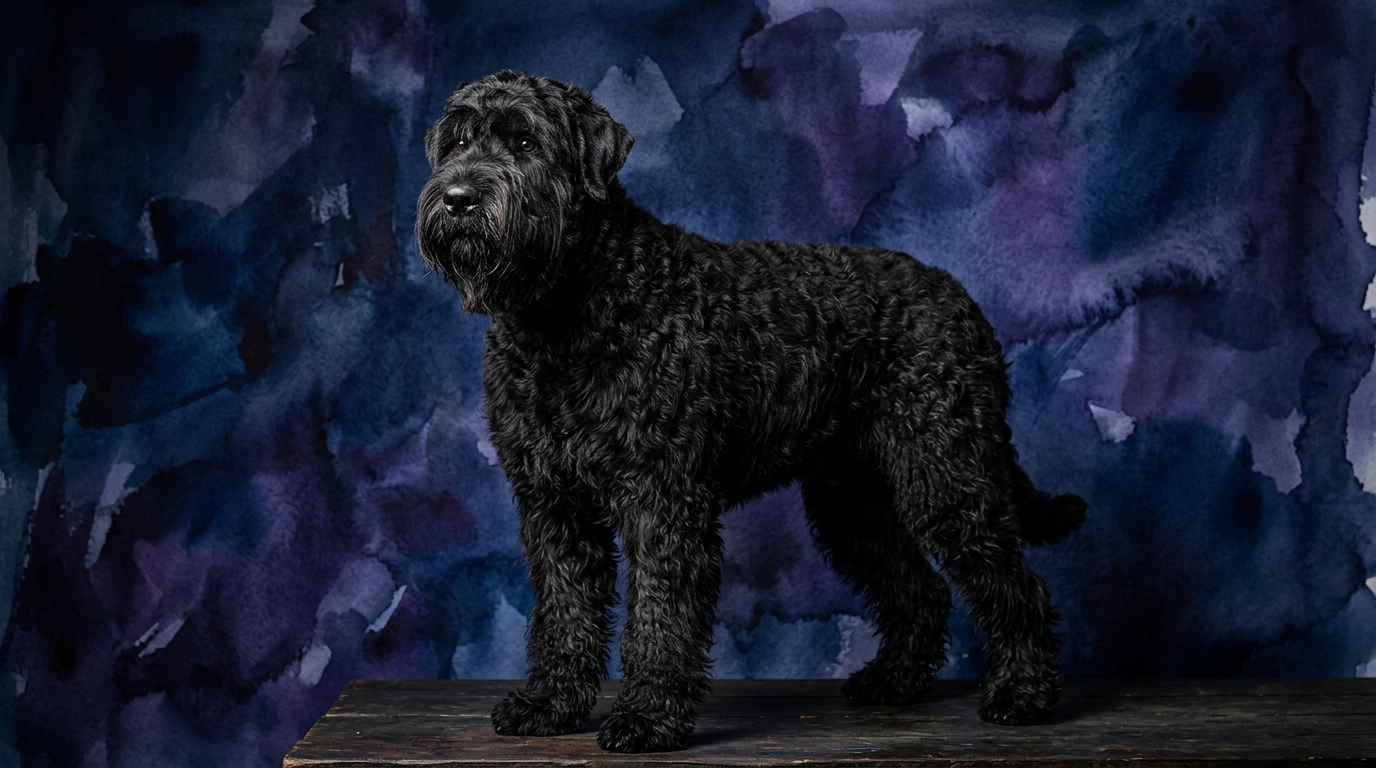
In contrast, the Black Russian Terrier, a breed not ranked by Coren but with a distinct working heritage, exhibits a cognitive makeup focused on protection and discerning judgment. Their Problem Solving stands at 3/5, suggesting they can navigate challenges but may require more structured guidance or rely on established protocols rather than spontaneous innovation. Training Speed is also 3/5, indicating that while they are certainly capable learners, they require more patience, repetition, and a consistent, firm approach to master commands, reflecting a more independent learning style. Social Intelligence, rated 3/5, means they form profound bonds with their chosen family but are typically reserved with strangers, reading social cues differently, often with a protective lens. Their Instinctive Drive, at 3/5, is strongly oriented towards guarding and protection, requiring a different kind of focus than the Lab's cooperative drive. Memory at 3/5 implies they retain information reliably, particularly regarding their duties and established routines, but might not possess the same breadth of recall for incidental details as a breed with a higher score.
Where the Labrador Retriever Excels Cognitively
The Labrador Retriever's cognitive strengths shine particularly bright in scenarios demanding adaptability, rapid learning, and profound social engagement. Their 5/5 Social Intelligence allows them to integrate seamlessly into diverse family dynamics, understanding and responding to a wide spectrum of human emotions and intentions. This makes them exceptional therapy and service dogs, where reading subtle human distress signals or anticipating needs is paramount. Coupled with their 5/5 Training Speed, Labs can master a vast repertoire of commands and complex tasks quickly, making them highly versatile in everything from competitive obedience to search and rescue operations, where new challenges are frequent. Their 4/5 Problem Solving means they often figure out how to get into (or out of) situations, showcasing a flexible mind that can navigate novel environments with confidence and a degree of independent thought that makes them highly self-sufficient in many contexts.
Furthermore, the Labrador’s 4/5 Instinctive Drive, deeply rooted in their retrieving heritage, translates into a powerful motivation for cooperative work and play. This drive, combined with their strong memory, ensures they not only learn tasks but perform them consistently and enthusiastically. They remember where the ball was last seen, recall the route to a favorite swimming spot, and consistently execute complex retrieving sequences. This combination of traits makes them exceptionally rewarding partners for owners who enjoy engaging in various activities, from dock diving to agility, where a dog’s quick uptake and sustained focus are key to success.
Where the Black Russian Terrier Demonstrates Unique Cognitive Strengths
While the Black Russian Terrier's scores might appear lower, they reflect a cognitive design specifically tailored for their demanding role as guardians, emphasizing discernment and independent judgment over broad social affability. Their 3/5 Social Intelligence, for example, is not a deficit but rather a specialized trait; it enables them to form deep, unwavering bonds with their immediate family while maintaining a reserved, watchful demeanor towards strangers. This discernment is crucial for a protection breed, allowing them to assess potential threats without being easily swayed by superficial friendliness. Their 3/5 Problem Solving, though not as spontaneous as a Lab's, is applied within the framework of their protective duties, meaning they can learn to evaluate situations and respond appropriately, albeit perhaps with less creative flair but with dependable adherence to learned protocols.
The BRT's 3/5 Instinctive Drive, intensely focused on guarding and protection, is a profound cognitive asset in their specialized field. This drive is not about retrieving a toy but about assessing and responding to perceived threats, requiring a different kind of mental processing and commitment. Their 3/5 Training Speed, while requiring more repetition, often leads to deeply ingrained learning that is highly resilient, a critical factor for a dog whose tasks might involve high-stakes situations. Once a command is mastered, it is often executed with unwavering resolve. Their 3/5 Memory, similarly, is reliable within the context of their duties, remembering who belongs and who doesn't, and recalling defensive strategies with precision. These combined traits foster a dog that is self-assured, resolute, and capable of making independent decisions within their protective domain.
Training Experience: Labrador Retriever vs. Black Russian Terrier
Training a Labrador Retriever is generally a more straightforward and often joyful experience due to their exceptional cognitive attributes. Their 5/5 Training Speed means they pick up new commands with remarkable swiftness, often eager to please and highly motivated by positive reinforcement, whether it's a treat, a toy, or simply praise. This rapid learning curve, combined with their 5/5 Social Intelligence, makes them highly responsive to human direction and keen to participate in training sessions. They actively seek to understand what is being asked of them and respond with enthusiasm, which can make even complex training tasks feel achievable and rewarding for both dog and handler. Their inherent biddability and cooperative nature mean they are less likely to challenge authority and more inclined to work in partnership.
Conversely, training a Black Russian Terrier demands a different approach, requiring significant patience, consistency, and a clear understanding of their independent and protective nature. Their 3/5 Training Speed means commands might take longer to solidify, requiring more repetition and a handler who can maintain engagement without frustration. Their 3/5 Social Intelligence, while fostering deep loyalty, means they are not inherently driven to please every human, and their motivation often stems from respect for the handler and a clear understanding of their role, rather than broad social approval. They are intelligent, but their problem-solving and learning are often channeled through their working dog mentality. Handlers must establish themselves as confident leaders, providing firm, fair, and consistent guidance to effectively harness the BRT’s powerful drives and ensure reliable obedience in all situations.
Matching Breeds to Lifestyles: Active vs. Relaxed Owners
The Labrador Retriever is an excellent fit for a wide spectrum of owners, from moderately active individuals to those who embrace a highly energetic lifestyle. Their robust 4/5 Instinctive Drive for cooperative tasks, coupled with their high training speed and social intelligence, makes them ideal companions for hiking, swimming, long walks, and participating in dog sports like agility or obedience. They thrive on mental stimulation and physical activity that involves their human family. Even for more relaxed owners, a Lab can adapt, provided they receive consistent daily exercise and engaging mental challenges to prevent boredom. Their adaptable nature and eagerness to please make them versatile family members who can enjoy both energetic outings and quiet evenings at home, as long as their fundamental needs for engagement are met.
The Black Russian Terrier, on the other hand, is best suited for active, experienced owners who understand the unique demands of a working breed and are prepared to commit to consistent training and socialization. Their pronounced protective instincts and need for mental and physical engagement mean they are not a good match for truly 'relaxed' owners who cannot provide structured activities. They require substantial daily exercise, not just a casual stroll, and consistent mental challenges that tap into their guarding drives in a controlled and positive manner. Owners must be confident, assertive, and willing to invest time in shaping a well-mannered dog. For owners seeking a dedicated protector and a loyal, albeit reserved, companion who thrives on purpose and structure, the BRT can be an incredibly rewarding choice, but they demand a significant commitment.
The Verdict: Choosing Your Canine Companion
The Verdict
Choose the Labrador Retriever if you seek a highly adaptable, eager-to-please companion for a family environment, desiring rapid training success and a dog deeply integrated into social activities.
Opt for the Black Russian Terrier if you are an experienced, active owner seeking a dedicated protector and loyal companion, prepared to invest in consistent, structured training for a discerning, independent working breed.
🧠 Find Your Pet's IQ Score
Our Pet IQ Lab assessment covers 25+ tests across 5 cognitive dimensions — personalized to your breed.
Take the Full IQ Test →Frequently Asked Questions
Is a Black Russian Terrier harder to train than a Labrador Retriever?
Yes, a Black Russian Terrier generally presents a greater training challenge due to their lower training speed and more independent nature. They require more patience, consistency, and a handler who understands their working dog mentality, compared to the Labrador Retriever's eager-to-please disposition.
Which breed is better with children?
The Labrador Retriever's 5/5 social intelligence and inherent gentleness typically make them an excellent, adaptable choice for families with children. The Black Russian Terrier, while fiercely loyal to its family, has a more reserved social intelligence and protective instincts that require careful socialization and supervision around children, especially those outside the immediate family.
Do Black Russian Terriers need more exercise than Labradors?
While both breeds need substantial exercise, the Black Russian Terrier often requires more structured, purposeful activity that engages their working drives, beyond just physical exertion. Labradors thrive on diverse physical and mental stimulation, but their exercise needs can be more flexible in type, often satisfied by interactive play and family outings.