Side-by-Side Cognitive Profiles
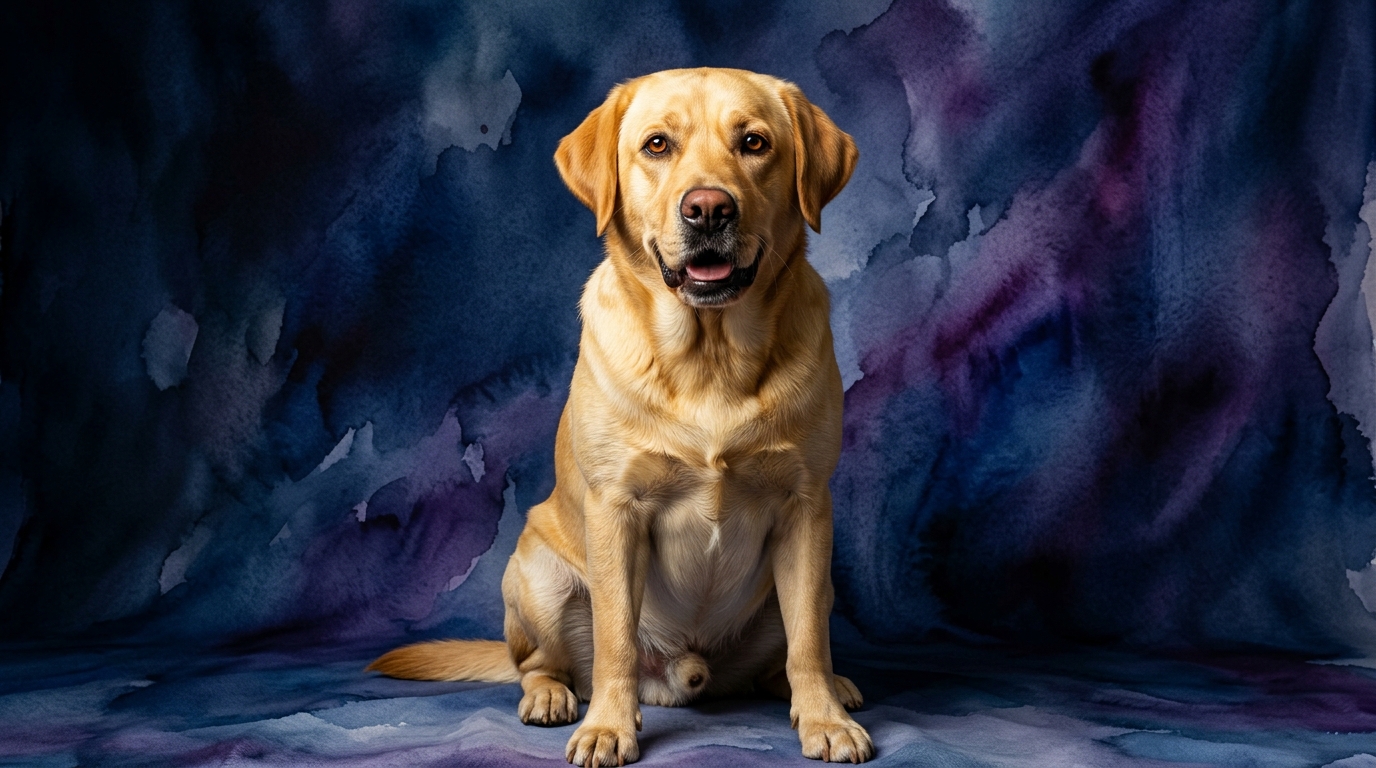
The Labrador Retriever, a Sporting group dog, holds an impressive Coren rank of #7, reflecting its refined cognitive capabilities. In our Pet IQ Lab assessment, this breed scores 4/5 for Problem Solving, demonstrating an aptitude for navigating novel situations and figuring out solutions to environmental challenges, such as retrieving complex objects or opening latches. Their Training Speed is exceptional at 5/5, indicating a rapid grasp of commands and a strong eagerness to comply, making them highly receptive to instruction. A 5/5 in Social Intelligence means Labs excel at understanding human cues, emotions, and intentions, fostering deep communicative bonds. Their Instinctive Drive, rated at 4/5, highlights their strong innate desire to work, retrieve, and engage in purposeful activities. Lastly, a 4/5 in Memory enables them to retain learned behaviors and routines effectively over time.
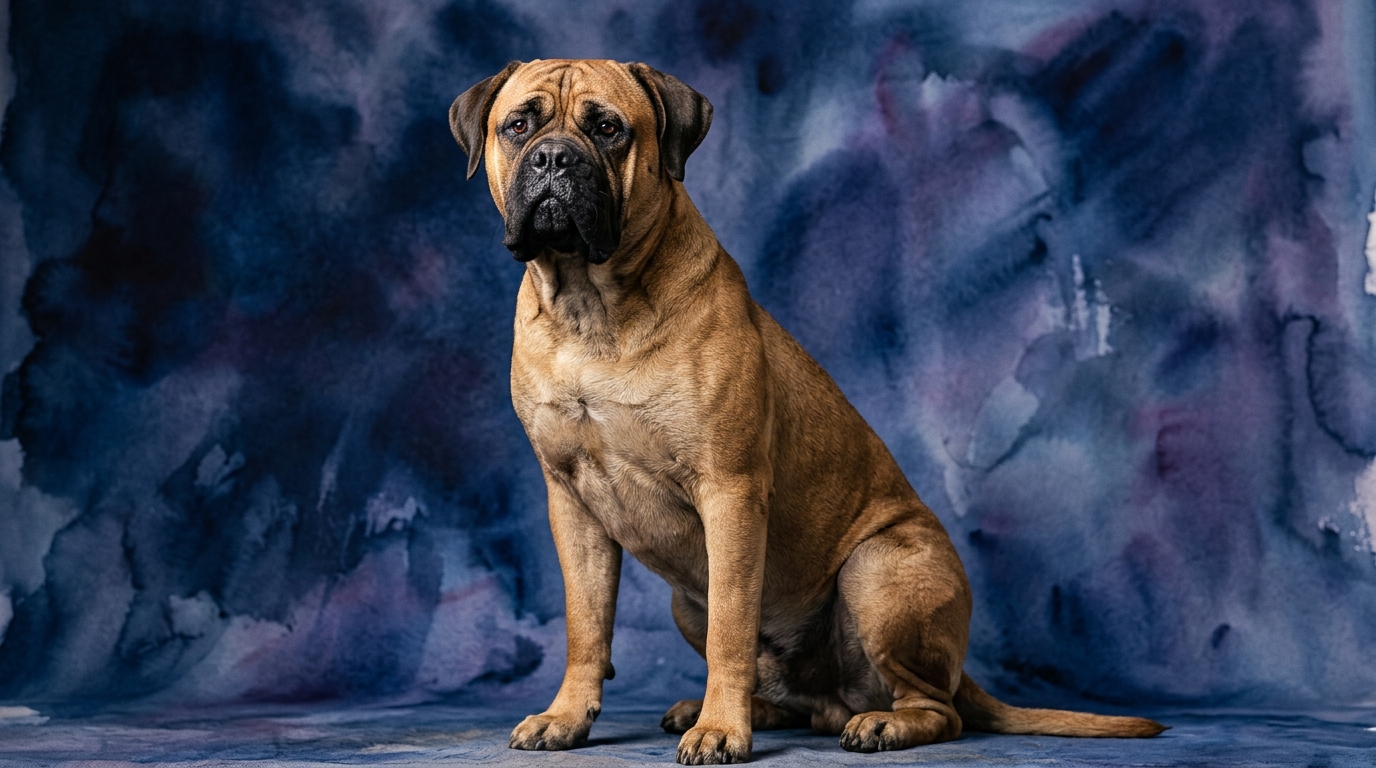
In contrast, the Bullmastiff, a Working group dog, is positioned at a Coren rank of #69, presenting a different cognitive blueprint. This breed scores 3/5 across the board in our IQ categories: Problem Solving, Training Speed, Social Intelligence, Instinctive Drive, and Memory. A 3/5 in Problem Solving suggests they are capable of learning and adapting, but may require more guidance or repeated exposure to master new challenges compared to a Labrador. Their Training Speed of 3/5 indicates they learn at a moderate pace, requiring more patience and consistent reinforcement to solidify commands. With 3/5 in Social Intelligence, Bullmastiffs can form strong bonds but might be less overtly expressive or attuned to subtle human social cues than more people-oriented breeds. Their Instinctive Drive, also 3/5, is geared more towards guarding and protection rather than active partnership in complex tasks. Finally, a 3/5 in Memory means they retain information, but might need more frequent refreshers or consistent practice to maintain proficiency in learned tasks.
Where the Labrador Retriever Excels Cognitively
The Labrador Retriever’s cognitive strengths are evident across all assessed dimensions, making them particularly adept at roles requiring versatility and responsiveness. Their superior Problem Solving (4/5) allows them to quickly assess and adapt to new situations, whether it's navigating an obstacle course or figuring out how to retrieve an item from a tricky spot. This cognitive flexibility contributes to their success in various working roles, from assistance dogs to search and rescue.
A key area of cognitive excellence for the Labrador is their unparalleled Training Speed (5/5) and Social Intelligence (5/5). These two attributes work synergistically; their deep understanding of human communication, combined with a swift ability to connect actions with consequences, means they pick up new commands and routines with remarkable efficiency. This makes them highly biddable and a joy to train, responding well to positive reinforcement and eager to please their human companions. Their strong Instinctive Drive (4/5) further empowers them to engage vigorously in tasks, channeling their natural retrieving instincts into structured activities.
Bullmastiff's Unique Cognitive Strengths
While the Bullmastiff's IQ scores are generally lower than the Labrador's, their cognitive profile is perfectly suited for their historical role as guardians. Their 3/5 in Problem Solving, Training Speed, and Social Intelligence, rather than being a deficit, points to a cognitive style that prioritizes independent thought and a more reserved approach to external stimuli. This means they are less likely to be distracted by novel situations or eager to engage every stranger, which is advantageous for a protective breed. Their 'win' is in their focused, steadfast disposition.
The Bullmastiff's moderate Instinctive Drive (3/5) is primarily channeled into vigilance and protection, not into retrieving or complex obedience. This drive, combined with a 3/5 in Memory, means they reliably recall who belongs and who doesn't, and they maintain their protective stance without needing constant human direction for basic guarding duties. Their cognitive design favors a serious, watchful demeanor over exuberant social engagement or rapid task acquisition, making them effective deterrents and loyal, albeit independent, protectors of their homes and families. They possess a deep-seated loyalty that, while not explicitly measured by IQ scores, influences their cognitive application in guarding.
Training Dynamics: Labrador vs. Bullmastiff
When it comes to ease of training, the Labrador Retriever (Training Speed 5/5) holds a significant advantage. Their quick learning ability means they grasp new commands often within a few repetitions, and their high Social Intelligence makes them keen observers of human body language and vocal tone, allowing for nuanced communication during training sessions. Labs thrive on positive reinforcement, seeing training as an engaging partnership, and their strong Instinctive Drive ensures they approach tasks with enthusiasm and focus. This combination results in a dog that is not only easy to teach but also eager to participate in ongoing learning.
Training a Bullmastiff (Training Speed 3/5) requires a different approach, characterized by patience, consistency, and a clear understanding of their independent nature. They will learn, but at a slower pace, necessitating more repetitions and longer training sessions to solidify commands. Their moderate Social Intelligence means they might not be as overtly motivated by pleasing their handler and may require more direct, firm guidance. Bullmastiffs are not inherently difficult, but their cognitive design prioritizes self-reliance and observation over immediate compliance, meaning owners must establish themselves as consistent, trustworthy leaders to achieve reliable obedience. Their guarding instincts also mean early and thorough socialization is crucial to shape their protective tendencies appropriately.
Lifestyle Match: Active vs. Relaxed Owners
The Labrador Retriever is an ideal match for active owners who relish engaging their dog in various physical and mental pursuits. Their high Problem Solving (4/5) and Instinctive Drive (4/5) mean they thrive on structured activities like obedience trials, agility, dock diving, or extensive retrieving games. These dogs require substantial daily exercise and mental stimulation to prevent boredom and channel their energy constructively. Owners who enjoy hiking, running, or dog sports will find a Labrador an enthusiastic and capable companion, constantly seeking engagement and new challenges.
The Bullmastiff, while still requiring regular exercise for health, generally suits owners with a more relaxed pace, provided they understand the need for consistent structure and early socialization. Their moderate Instinctive Drive (3/5) means they are content with daily walks and yard playtime rather than high-octane activities. However, their cognitive profile, particularly their independent nature and focus on guarding, means that "relaxed" does not equate to "hands-off." Owners must be committed to early, consistent training to manage their protective instincts and ensure they are well-adjusted. They are best suited for individuals who appreciate a calm, watchful presence and are prepared to be firm, patient leaders, providing a secure environment where the Bullmastiff can fulfill its role as a loyal family guardian.
The Verdict
Choose a Labrador Retriever if you seek a highly adaptable, eager-to-please companion for an active lifestyle, capable of excelling in diverse training and sporting activities. Their quick learning and social acumen make them incredibly versatile family members.
Opt for a Bullmastiff if you desire a steadfast, protective companion with a calm demeanor, understanding that their independent spirit requires consistent, patient leadership and early socialization. They are ideal for owners who appreciate a formidable yet gentle presence.
🧠 Find Your Pet's IQ Score
Our Pet IQ Lab assessment covers 25+ tests across 5 cognitive dimensions — personalized to your breed.
Take the Full IQ Test →Frequently Asked Questions
Do Labrador Retrievers get bored easily if not mentally stimulated?
Yes, with their 4/5 Problem Solving and 4/5 Instinctive Drive, Labradors require consistent mental engagement to prevent boredom. Without adequate challenges, they may resort to finding their own "work," which can manifest as undesirable behaviors like chewing or excessive digging.
Are Bullmastiffs difficult dogs for first-time owners?
Bullmastiffs can be a challenge for first-time owners due to their independent nature (3/5 Training Speed) and strong protective instincts. They need an owner willing to invest in consistent training, firm leadership, and extensive early socialization to guide their development effectively.
How does a dog's Coren rank relate to its daily trainability?
The Coren rank, reflecting a dog's working and obedience intelligence, correlates strongly with daily trainability. Breeds with higher ranks, like the Labrador (#7), generally learn commands with fewer repetitions and respond more reliably than those with lower ranks, like the Bullmastiff (#69).