Side-by-Side Cognitive Profiles: Labrador Retriever vs. Cardigan Welsh Corgi
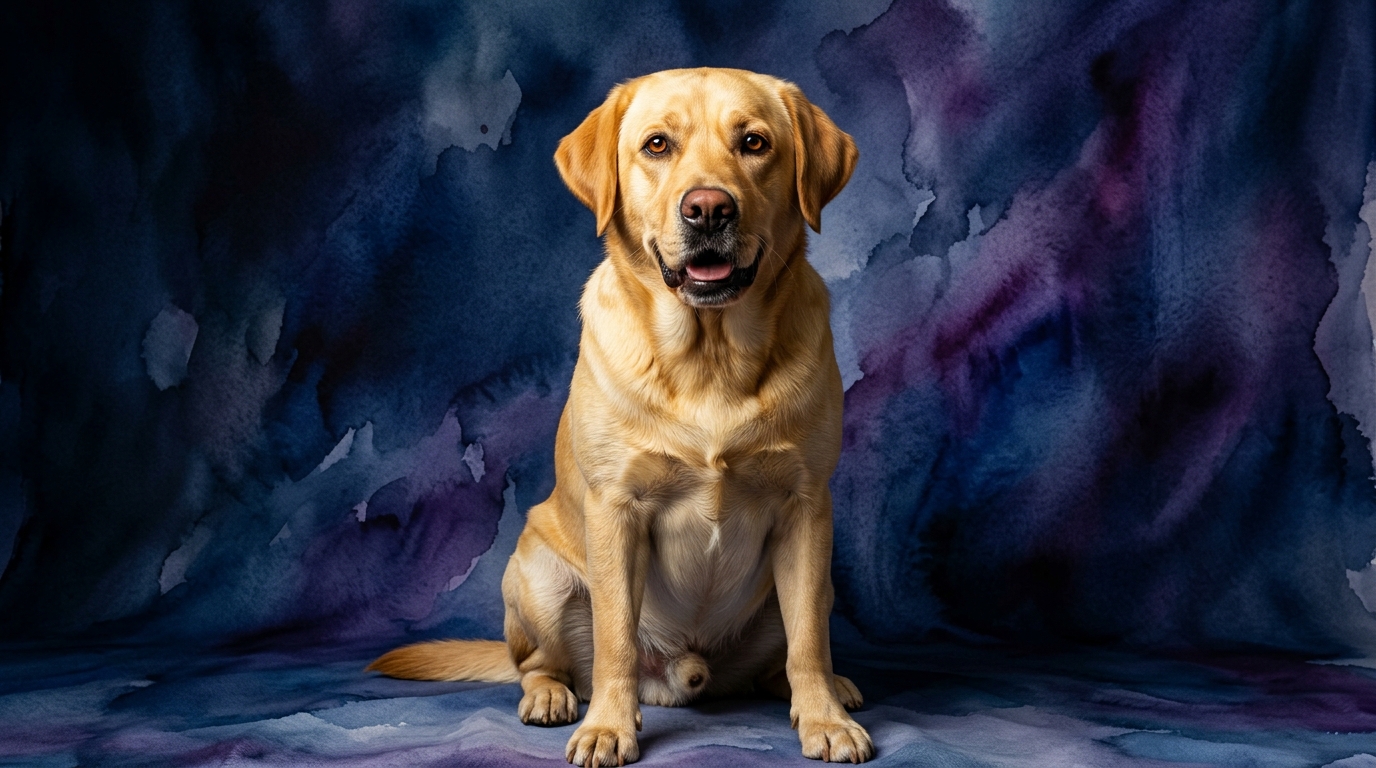
At The Cosmic Pet Pet IQ Lab, we analyze canine intelligence across five key dimensions, providing a granular view of each breed's cognitive strengths. The Labrador Retriever, ranking an impressive #7 on Dr. Stanley Coren's scale of canine intelligence, presents a profile marked by high social engagement and rapid learning. Their Problem Solving is rated 4/5, indicating a capacity to navigate complex situations and adapt strategies for retrieving or navigating obstacles. Training Speed stands at a perfect 5/5, reflecting their eagerness and efficiency in acquiring new commands and routines. Social Intelligence is also a stellar 5/5, showcasing an exceptional ability to read human cues, intentions, and emotions, fostering deep, communicative bonds. Their Instinctive Drive, rated 4/5, is powerfully geared towards partnership and purpose-driven work, often centered around retrieving or assisting humans. Finally, their Memory at 4/5 ensures they retain learned behaviors and experiences with reliability.
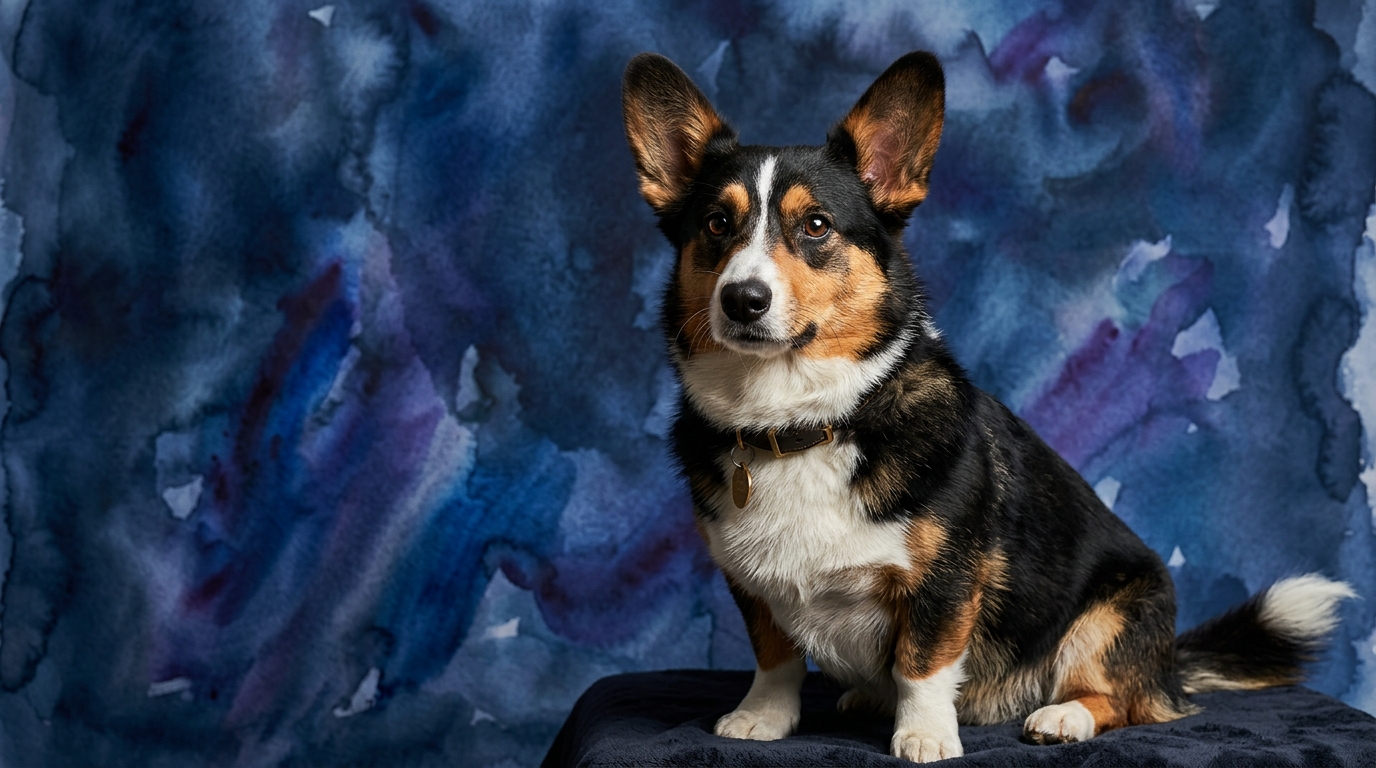
In contrast, the Cardigan Welsh Corgi, positioned at #26 on Coren's scale, offers a distinct cognitive makeup shaped by its herding heritage. Their Problem Solving mirrors the Lab's at 4/5, demonstrating a cleverness in devising solutions, particularly when it comes to managing their environment or achieving a desired outcome independently. Training Speed comes in at 4/5, signifying a quick learner, though often one who requires consistent engagement and clear motivation due to their independent streak. Social Intelligence is rated 3/5; while they form strong bonds with their family, their focus is often more on their immediate 'flock' and can be more reserved or discerning with strangers, prioritizing observation over universal human interaction. Their Instinctive Drive, 3/5, is rooted in herding, manifesting as a desire to control movement and maintain order within their perceived territory, sometimes expressed through nipping heels or 'bossiness.' Their Memory, like the Labrador's, is a solid 4/5, allowing them to recall past lessons and experiences effectively.
Where the Labrador Retriever Shines Cognitively
The Labrador Retriever's cognitive prowess truly shines in areas demanding collaborative effort and nuanced human understanding. Their perfect 5/5 in Training Speed isn't merely about obedience; it reflects an intrinsic desire to engage with and please their human partners, making them extraordinarily receptive to instruction. This aptitude allows them to master intricate sequences of commands, excel in service roles, and quickly grasp the nuances of complex tasks like scent detection or guide work. Furthermore, their 5/5 Social Intelligence gives them an unparalleled ability to interpret human body language, vocal inflections, and emotional states. This makes them highly empathetic companions, adept at anticipating needs and responding appropriately, whether it's comforting a distressed owner or understanding a subtle hand signal from across a field. Their instinctive drive, while strong, is often channeled into human-directed activities, fostering a highly productive and harmonious working relationship.
Consider a Labrador learning to retrieve a specific item from a cluttered room. Their 4/5 Problem Solving combines with their high Social Intelligence to understand not just the 'what' but the 'why' of the task, reading their owner's focus and intent. Their memory ensures they recall the object and the successful retrieval process, reinforcing the behavior. This collaborative intelligence makes them exceptional at adapting to new tasks within a human partnership framework, such as navigating novel environments during search and rescue or learning new routines in a therapy setting. Their cognitive strengths are deeply intertwined with their role as a human companion and worker, making them remarkably intuitive partners in a wide array of activities.
Where the Cardigan Welsh Corgi Excels Cognitively
The Cardigan Welsh Corgi's cognitive strengths lean towards independent problem-solving and a tenacious, strategic approach to their environment, a legacy of their herding origins. While their Problem Solving score of 4/5 matches the Labrador, the nature of their problem-solving often differs. A Corgi might strategize independently to achieve a goal, such as finding a way to access a forbidden treat or subtly maneuvering family members (their 'flock') to a desired location. This isn't necessarily about pleasing; it's about achieving an objective they've identified. Their herding instinct, rated 3/5, translates into a drive to manage and organize, making them adept at understanding spatial relationships and exerting influence within their perceived domain.
Their memory, also a 4/5, supports this independent thought, allowing them to recall past successes and failures in their self-directed endeavors. A Corgi might remember exactly where a dropped crumb landed or the precise sequence of events that led to a door being opened, leveraging this information for future attempts. While their Social Intelligence is a 3/5, this doesn't imply a lack of affection, but rather a more selective and observant engagement with their human family. They are astute observers, often processing information and making decisions with a degree of self-reliance. This cognitive independence means they can be remarkably resourceful, often finding creative solutions to perceived challenges without constant human prompting, embodying a clever self-sufficiency that distinguishes their intellectual approach.
Training Dynamics: Labrador Retriever vs. Cardigan Welsh Corgi
When it comes to trainability, the Labrador Retriever generally presents a more straightforward path. Their exceptional Training Speed (5/5) is driven by an inherent desire to cooperate and a strong inclination to please their human companions. They absorb commands rapidly, often requiring fewer repetitions to solidify new behaviors. Their high Social Intelligence (5/5) means they are finely attuned to their trainer's cues, moods, and expectations, making them highly responsive to positive reinforcement and clear communication. This breed thrives on partnership, viewing training as a collaborative activity where their efforts are rewarded with human approval and interaction. They are generally eager to work, making long training sessions engaging and productive.
The Cardigan Welsh Corgi, while possessing a solid Training Speed (4/5), can offer a different training experience. Their independent nature and a Social Intelligence score of 3/5 mean they might not always prioritize human directives over their own perceived agenda. This isn't stubbornness in a defiant sense, but rather a self-assuredness stemming from their herding background, where quick, independent decisions were crucial. Trainers often find Corgis require more creative and varied motivation to maintain engagement, as they might become bored with repetitive drills. Consistency is paramount, and understanding their innate drive to 'herd' or control can help channel their energy productively. While they learn quickly, their willingness to perform a command consistently can be conditional on their mood or the perceived value of the task, demanding a patient and assertive trainer who can make learning feel like a game they want to win.
Matching Breeds to Lifestyles: Active vs. Relaxed Owners
For owners with an active lifestyle, the Labrador Retriever often proves to be an ideal companion. Their robust energy levels, combined with a strong retrieving drive (Instinctive Drive 4/5) and a deep desire for partnership, make them excellent candidates for extensive outdoor activities. They relish long hikes, running alongside a bicycle, swimming, and participating in dog sports such as agility, obedience, or dock diving. A Labrador thrives when given a 'job' to do, whether it's fetching a ball endlessly, carrying a pack on a trail, or engaging in scent work. Their cognitive profile, particularly their high social intelligence and problem-solving, makes them highly adaptable to varied activities, always eager to share in their owner's adventures and contribute to the fun.
Conversely, for individuals leading a somewhat more relaxed lifestyle, the Cardigan Welsh Corgi can be a surprisingly good fit, provided their unique needs are met. While they are not couch potatoes and require daily exercise to prevent boredom and maintain health, their endurance is typically lower than a Labrador's. A Corgi often enjoys brisk walks, playtime in a securely fenced yard, and engaging in mentally stimulating games indoors. Their independent problem-solving (4/5) means they appreciate puzzles and challenges that allow them to think and strategize, which can satisfy some of their mental exercise needs without requiring vast open spaces. Owners who appreciate a clever, self-possessed companion who enjoys supervising household activities from a comfortable vantage point, interspersed with focused bursts of activity, might find the Cardigan Welsh Corgi a wonderful match.
The Verdict
Choose a Labrador Retriever if you seek a highly collaborative, responsive companion eager for extensive training, outdoor adventures, and a deep, intuitive partnership in all aspects of life.
Opt for a Cardigan Welsh Corgi if you appreciate an independent, clever, and tenacious companion who enjoys mental challenges, moderate activity, and a strong-willed personality in a smaller package.
🧠 Find Your Pet's IQ Score
Our Pet IQ Lab assessment covers 25+ tests across 5 cognitive dimensions — personalized to your breed.
Take the Full IQ Test →Frequently Asked Questions
Are Labradors better at learning tricks than Corgis?
Labrador Retrievers often excel at learning tricks due to their exceptional training speed and strong desire to please, readily associating actions with rewards. Their focus on human interaction makes them very receptive to new commands and varied demonstrations of skill.
Do Cardigan Welsh Corgis bark more than Labrador Retrievers?
Cardigan Welsh Corgis, with their herding background and guardian instincts, tend to be more vocal, using barks to alert their family or 'manage' their environment. Labradors generally bark less, often only when excited, for specific communication, or in response to a direct prompt.
Which breed adapts better to new environments and people?
Labrador Retrievers, with their high social intelligence and generally outgoing nature, typically adjust more smoothly to new environments and experiences, readily engaging with new people. Cardigan Welsh Corgis, while adaptable, might take longer to warm up due to their more reserved social inclination and protective instincts towards their immediate family.