Side-by-Side IQ Profile: Lab vs. Cavalier
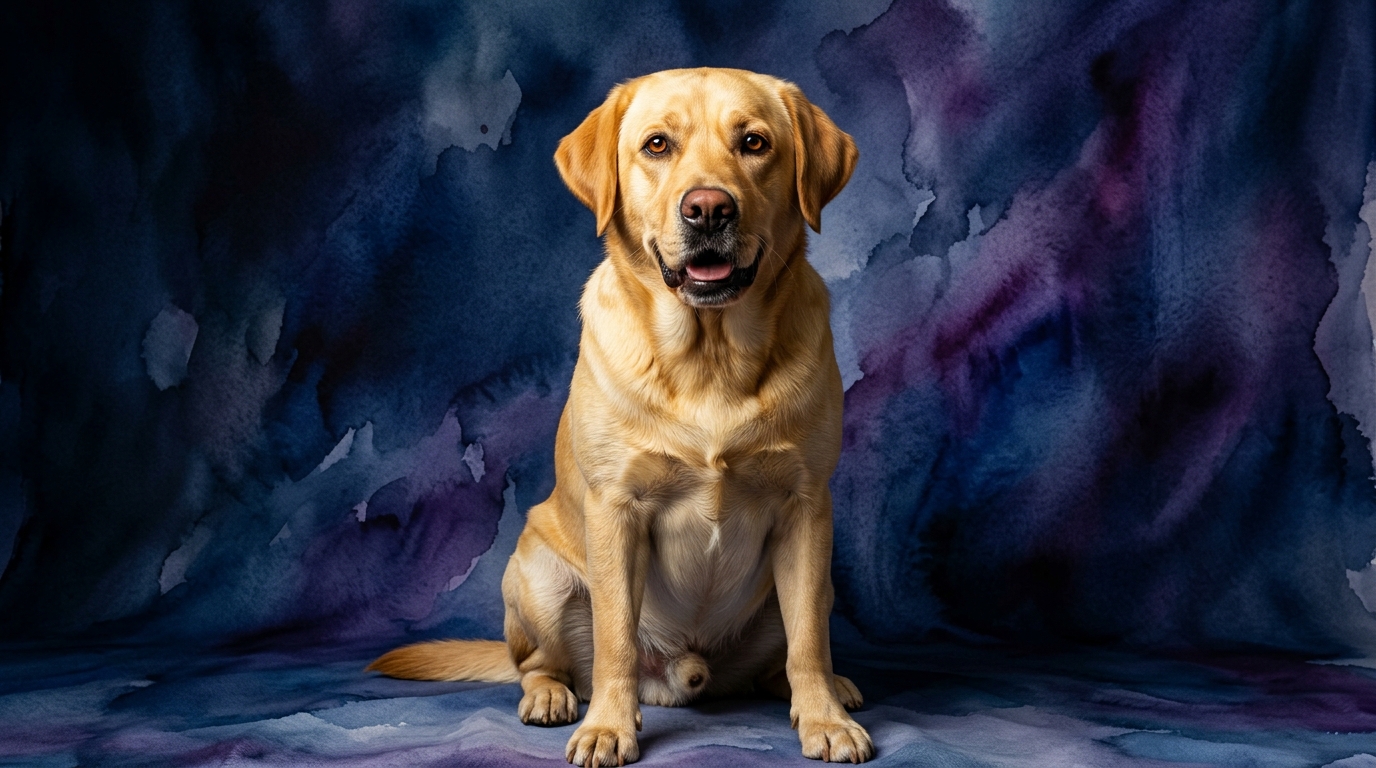
The Labrador Retriever, a Sporting group dog with a Coren rank of #7, exhibits a cognitive profile geared towards purposeful work and responsive interaction. Its problem-solving ability scores a strong 4 out of 5, indicating a capacity for independently navigating complex situations and figuring out solutions. Training speed is an exceptional 5 out of 5, meaning Labs typically grasp and retain new commands with remarkable swiftness. Social intelligence is also top-tier at 5 out of 5, reflecting a deep attunement to human cues and desires. An instinctive drive of 4 out of 5 underscores their inherent motivation for retrieving and working, while memory, at 4 out of 5, suggests a solid ability to recall past experiences and learned behaviors.
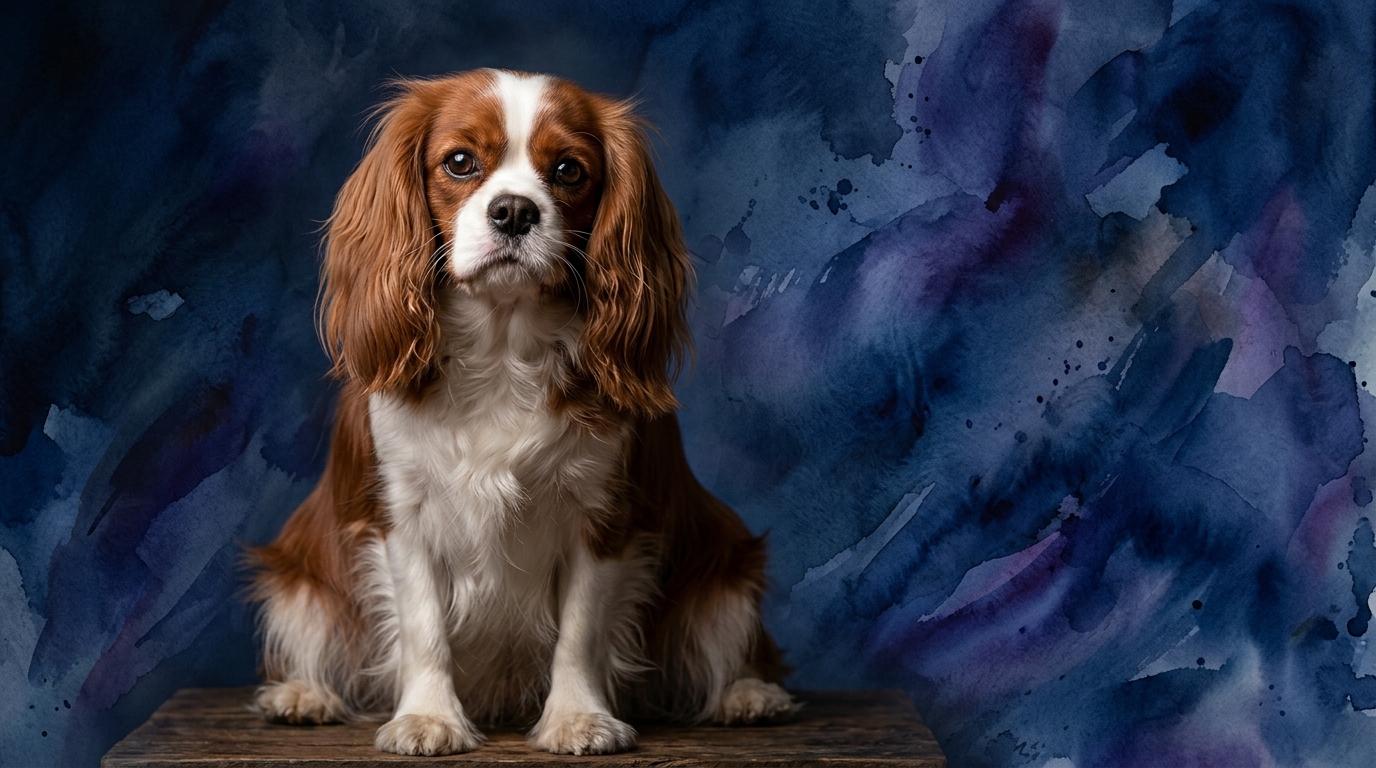
In contrast, the Cavalier King Charles Spaniel, a Toy group dog with a Coren rank of #44, presents a cognitive makeup optimized for companionship and emotional connection. Its problem-solving ability is rated 3 out of 5, indicating a moderate capacity for independent thought in novel situations, often preferring guidance. Training speed stands at 3 out of 5, meaning Cavaliers learn at a steady pace but may require more repetition than some working breeds. Where they truly shine is social intelligence, scoring a perfect 5 out of 5, highlighting their exceptional ability to understand and respond to human emotions and social dynamics. Their instinctive drive is 3 out of 5, suggesting a moderate interest in traditional dog tasks, and memory is similarly 3 out of 5, providing a reliable foundation for daily routines but perhaps less for complex sequences.
Where the Labrador Retriever Excels Cognitively
The Labrador Retriever's cognitive strengths distinctly lie in its capacity for rapid learning, practical problem-solving, and sustained engagement in tasks. With a training speed of 5/5, a Lab can acquire new commands or complex sequences significantly faster than many other breeds, including the Cavalier. This isn't just about obedience; it reflects a mental agility that allows them to connect actions with desired outcomes quickly. For instance, a Lab might learn to open a specific gate latch after only a few demonstrations, whereas a Cavalier might require more consistent guidance.
Furthermore, their 4/5 problem-solving ability means Labs are often more adept at independent thought when faced with obstacles, such as figuring out how to retrieve a toy from under furniture or navigating a novel agility course. This cognitive flexibility, combined with a 4/5 instinctive drive, means they possess an internal motivation to work through challenges and perform tasks, making them highly receptive to advanced training and demanding roles like assistance work or search and rescue. Their robust memory of 4/5 ensures that these learned solutions and behaviors are retained over time, building a reliable repertoire of skills.
Where the Cavalier King Charles Spaniel Excels Cognitively
While the Cavalier King Charles Spaniel's cognitive profile differs from the Labrador's in areas of task-oriented intelligence, its true brilliance lies in its social and emotional attunement. A perfect 5 out of 5 in social intelligence signifies an unparalleled ability to read and respond to human emotions, intentions, and subtle social cues. This isn't just about being friendly; it's a profound cognitive strength that allows them to form exceptionally deep, empathetic bonds with their human companions, often anticipating needs or offering comfort without explicit instruction.
This specific cognitive strength makes the Cavalier an exemplary companion. They excel in environments where emotional connection and gentle interaction are prioritized over complex problem-solving or high-drive tasks. Their moderate instinctive drive (3/5) and problem-solving (3/5) mean they are less prone to creating their own 'jobs' or engaging in behaviors born of boredom that require intricate mental gymnastics, contributing to their reputation as adaptable and easy-going housemates. Their cognitive makeup is perfectly suited to their role as devoted, intuitive companions who thrive on close human interaction.
Training Experience: Ease and Approach
When considering ease of training, the Labrador Retriever generally presents a more straightforward experience due to its superior training speed and inherent drive. With a 5/5 training speed, Labs pick up new commands rapidly, often requiring fewer repetitions to solidify a behavior. Their high social intelligence (5/5) means they are eager to please and highly responsive to human direction, while their instinctive drive (4/5) provides a strong internal motivation to engage in training as a meaningful activity. This combination makes them excellent candidates for complex obedience, trick training, and specialized working roles, as they are both mentally capable and inherently motivated to participate.
The Cavalier King Charles Spaniel, with a 3/5 training speed, requires a more patient and consistent approach. While they are equally socially intelligent (5/5) and desire to connect with their owners, their lower instinctive drive (3/5) and problem-solving (3/5) mean they may not find repetitive drills as inherently rewarding as a Lab. They learn effectively with positive reinforcement and gentle methods, but owners should anticipate a slower acquisition of commands and potentially a shorter attention span for prolonged sessions. Their focus is often more on companionship than on executing precise tasks, meaning training success often hinges on making it a fun, bonding experience rather than a strict regimen.
Matching Breeds to Lifestyles: Active vs. Relaxed Owners
The cognitive profile of the Labrador Retriever makes them an ideal match for active owners who can provide consistent mental and physical engagement. Their 4/5 problem-solving and 4/5 instinctive drive mean they thrive when given tasks, whether it's retrieving toys, participating in dog sports like agility or dock diving, or accompanying owners on hikes and runs. An owner who enjoys teaching new skills and providing outlets for their dog's boundless energy and quick learning ability will find a Lab incredibly rewarding. Their high training speed and memory also mean they excel in structured environments where consistent expectations and challenges are met.
Conversely, the Cavalier King Charles Spaniel is perfectly suited for more relaxed owners who prioritize companionship and gentle interaction. Their exceptional 5/5 social intelligence means they are content to be close to their human family, thriving on cuddles, lap time, and moderate, leisurely strolls. While they enjoy play, their 3/5 instinctive drive and problem-solving do not necessitate intense mental or physical exertion. An owner who appreciates a devoted, empathetic presence and desires a dog that integrates seamlessly into a calm household, preferring quiet evenings to demanding adventures, will find the Cavalier's cognitive and behavioral traits align perfectly with their lifestyle.
The Verdict
Choose a Labrador Retriever if you seek a highly trainable, task-oriented companion eager for mental challenges and physical activity.
Opt for a Cavalier King Charles Spaniel if your priority is a deeply empathetic, affectionate companion who thrives on close social connection and a more relaxed pace of life.
🧠 Find Your Pet's IQ Score
Our Pet IQ Lab assessment covers 25+ tests across 5 cognitive dimensions — personalized to your breed.
Take the Full IQ Test →Frequently Asked Questions
Do Labrador Retrievers get bored easily if not mentally stimulated?
Yes, Labs with their high problem-solving and instinctive drive benefit significantly from mental stimulation. Without sufficient engagement, they can become restless or develop their own 'jobs' that might not align with owner expectations, such as excessive chewing or digging.
Are Cavalier King Charles Spaniels difficult to teach basic obedience?
Cavaliers are not difficult to teach, but their training speed is moderate. They learn best with positive reinforcement, short sessions, and consistency, as they may require more repetition than a Labrador to solidify commands. Their strong social bond motivates them to cooperate.
Which breed is more adaptable to apartment living based on their intelligence?
Based on their intelligence and associated energy levels, the Cavalier King Charles Spaniel is generally more adaptable to apartment living. Their lower instinctive drive and moderate need for complex problem-solving mean they are often content with indoor activities and shorter walks, whereas a Labrador's cognitive profile demands more space and consistent engagement to thrive.