Side-by-Side Cognitive Profiles: A Pet IQ Lab Analysis
The Pet IQ Lab provides a nuanced framework for understanding canine intelligence, moving beyond simple 'smart' labels to evaluate specific cognitive dimensions. For the Labrador Retriever, ranked #7 by Coren, and the Chesapeake Bay Retriever, ranked #27, these metrics illuminate their distinct mental makeups.
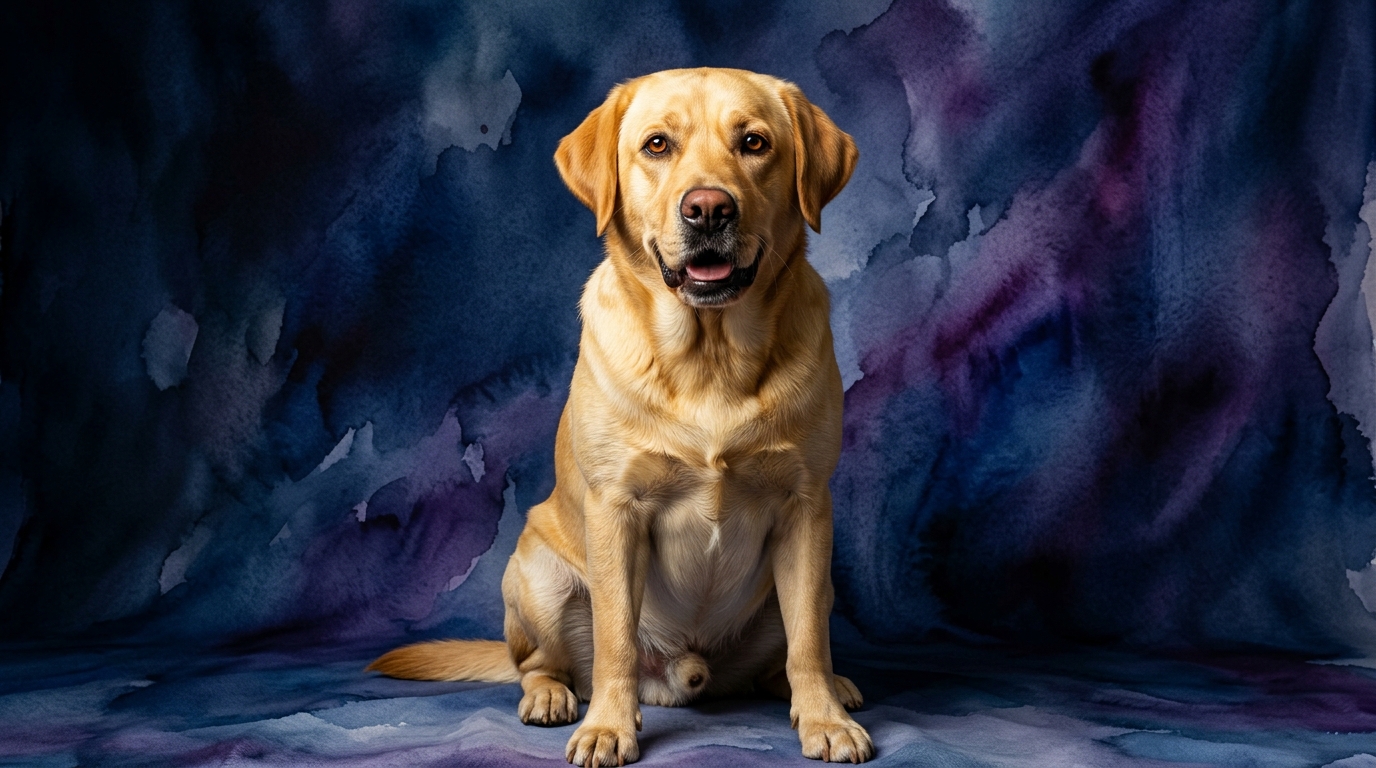
Labrador Retriever (Coren Rank #7): This breed consistently demonstrates a strong capacity across the board. Their Problem Solving is rated 4/5, indicating an ability to independently navigate and resolve new challenges with adaptable strategies. Training Speed is an exceptional 5/5, reflecting their rapid acquisition of new commands and routines, often with minimal repetition. Social Intelligence, also 5/5, highlights their profound understanding of human cues and emotional states, fostering deep, interactive bonds. Their Instinctive Drive stands at 4/5, signifying a potent yet manageable inherent urge for tasks like retrieving, driven by a strong prey drive. Finally, Memory is a robust 4/5, ensuring excellent recall for learned behaviors and experiences.
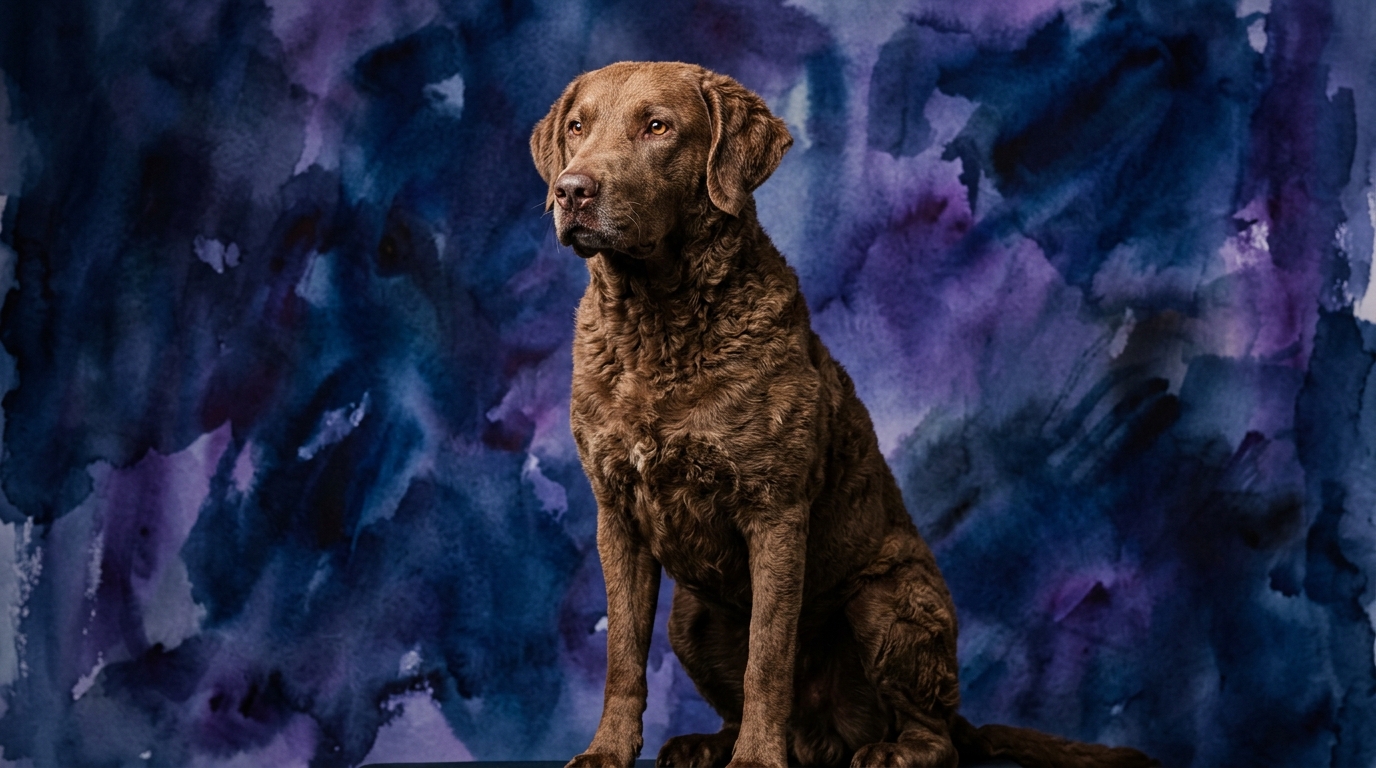
Chesapeake Bay Retriever (Coren Rank #27): Chessies present a profile marked by purposeful independence. Their Problem Solving matches the Labrador at 4/5, showcasing a determined, often methodical approach to overcoming obstacles. Training Speed is a solid 4/5, meaning they learn efficiently, though perhaps not with the Labrador's lightning pace, requiring clear and consistent instruction. Social Intelligence is rated 3/5, indicating a more reserved and self-reliant social demeanor, understanding human cues but often preferring a less overtly interactive role. Instinctive Drive is 3/5, a strong and persistent urge for their working tasks, often expressed with a degree of independence. Their Memory is also a strong 4/5, ensuring reliable retention of training and environmental details, crucial for their working roles.
Where the Labrador Retriever Shines Cognitively
The Labrador Retriever's cognitive strengths are particularly pronounced in their exceptional training speed and their profound social intelligence. With a Pet IQ Lab rating of 5/5 for Training Speed, Labradors are remarkably quick studies, absorbing new commands and complex sequences with minimal repetition. This proficiency stems from a combination of focused attentiveness, a strong desire to please, and an innate ability to connect actions with positive outcomes efficiently. For owners, this translates into a smoother, often faster, training journey, making them highly adaptable to various disciplines from intricate obedience routines to demanding service work.
Furthermore, their 5/5 Social Intelligence score highlights a deep capacity for understanding and responding to human emotions and social cues. Labradors actively seek interaction, readily interpret subtle body language, and integrate seamlessly into family structures, often anticipating needs and offering comfort. This makes them highly attuned companions, thriving on reciprocal relationships and contributing to a harmonious household environment where their cognitive processing is geared towards cooperative engagement.
Distinct Cognitive Strengths of the Chesapeake Bay Retriever
While the Chesapeake Bay Retriever may not outscore the Labrador in every metric, their cognitive profile presents a distinct set of advantages, particularly in their independent problem-solving and focused tenacity. Both breeds share a 4/5 rating in Problem Solving, indicating that Chessies are equally capable of devising solutions to challenges, often with a robust and self-reliant approach. Their lower 3/5 rating for Social Intelligence, compared to the Labrador's, means they are less reliant on constant human validation for task completion, fostering a powerful independence. This trait is not a deficit, but rather a specialized cognitive adaptation.
This self-sufficiency, combined with their 3/5 Instinctive Drive, translates into a dog that can work diligently and persistently on a task, even in demanding environments, without requiring continuous human intervention or reassurance. They are less prone to distraction by social overtures when focused on a job, making them exceptionally effective in roles requiring sustained, self-directed effort. Their cognitive process allows them to remain steadfast and determined, relying on their internal drive and problem-solving abilities to complete objectives, which can be a significant advantage in specialized working scenarios where absolute focus is paramount.
Trainability: A Tale of Two Retrievers
When assessing ease of training, the Labrador Retriever generally presents a more straightforward path for most owners. Their Pet IQ Lab rating of 5/5 for Training Speed means they pick up new concepts and commands with exceptional rapidity, often eager to please and highly motivated by positive reinforcement. This quick uptake, coupled with their 5/5 Social Intelligence, makes them highly responsive to human instruction and keen to engage in cooperative learning. They actively seek to understand what is expected of them and enjoy the collaborative process of training, often anticipating commands.
In contrast, the Chesapeake Bay Retriever, with a 4/5 Training Speed and 3/5 Social Intelligence, requires a different approach. While they are capable learners, their learning style is often described as more thoughtful and independent. Chessies might not respond with the same immediate enthusiasm or desire to please, sometimes appearing to 'think things over' before complying. Their lower social intelligence means they may not be as inherently motivated by human approval alone, requiring trainers to be more consistent, patient, and creative in finding their specific motivators. This is not to say they are untrainable; rather, they demand a handler who appreciates their self-possessed nature and can provide clear, firm, and fair guidance, building trust through consistent expectations rather than relying solely on an innate eagerness to comply. Their cognitive process prioritizes independent thought, which requires a handler to adjust their teaching methodology accordingly.
Matching Temperaments: Active vs. Relaxed Owners
The cognitive profiles of these two retrievers offer clear indicators for which type of owner might find a more harmonious match. The Labrador Retriever, with its high social intelligence (5/5) and robust instinctive drive (4/5), thrives with active owners who enjoy frequent interaction, engagement in varied activities, and integrating their dog into a bustling family life. They are generally adaptable and eager participants in hikes, swims, fetch, or even just social outings, flourishing when their cognitive and social needs are met through shared experiences. Their readiness to learn and bond makes them excellent companions for those seeking a highly interactive and versatile canine partner.
Conversely, the Chesapeake Bay Retriever’s profile, particularly its 3/5 social intelligence and 3/5 instinctive drive, suggests a better fit for active owners who value independence and a focused working partnership over constant social overtures. While they certainly need ample physical exercise and mental stimulation, Chessies are often more content with a dedicated task or a structured activity, rather than being the constant center of social attention. They are ideal for individuals or families who appreciate a resilient, self-sufficient dog capable of intense focus during activities like hunting, competitive dog sports, or long outdoor adventures, and who understand that their affection may be expressed in more subtle, less overtly demonstrative ways. Relaxed owners, meaning those seeking a very low-maintenance dog in terms of interaction and training engagement, might find either breed challenging due to their sporting heritage and cognitive needs, but the Labrador's higher social drive makes it the more accommodating choice for a varied household lifestyle.
The Verdict
Choose the Labrador Retriever if you seek a highly cooperative, socially attuned companion who thrives on interaction and excels in rapid, adaptable training for a wide range of activities. Their eagerness to please and integrate into family life makes them a versatile and joyful addition.
Opt for the Chesapeake Bay Retriever if you value an independent, determined working partner capable of self-directed problem-solving and focused perseverance in challenging environments, and you appreciate a relationship built on mutual respect for their self-possessed nature.
🧠 Find Your Pet's IQ Score
Our Pet IQ Lab assessment covers 25+ tests across 5 cognitive dimensions — personalized to your breed.
Take the Full IQ Test →Frequently Asked Questions
Are Chesapeake Bay Retrievers harder to train than Labradors?
While both breeds are capable learners, Chesapeake Bay Retrievers generally require a more consistent and patient training approach due to their independent nature and lower social intelligence score. Labradors, with their higher training speed and eagerness to please, often learn commands more rapidly and with fewer repetitions, making them generally easier for novice trainers.
Which breed is better suited for a first-time dog owner?
For a first-time dog owner, the Labrador Retriever is often the more accommodating choice due to their higher social intelligence and faster training speed, which simplifies the learning process for both dog and owner. Chesapeake Bay Retrievers, with their independent streak, benefit from an experienced handler who understands their unique cognitive and behavioral needs.
Do both breeds require significant mental stimulation?
Yes, both Labrador Retrievers and Chesapeake Bay Retrievers, as intelligent sporting breeds, require substantial mental stimulation to prevent boredom and destructive behaviors. While Labradors often enjoy interactive games and learning new tricks, Chessies thrive on purposeful tasks and activities that engage their problem-solving abilities and strong drives, often preferring more structured work.