Side-by-Side IQ Profile
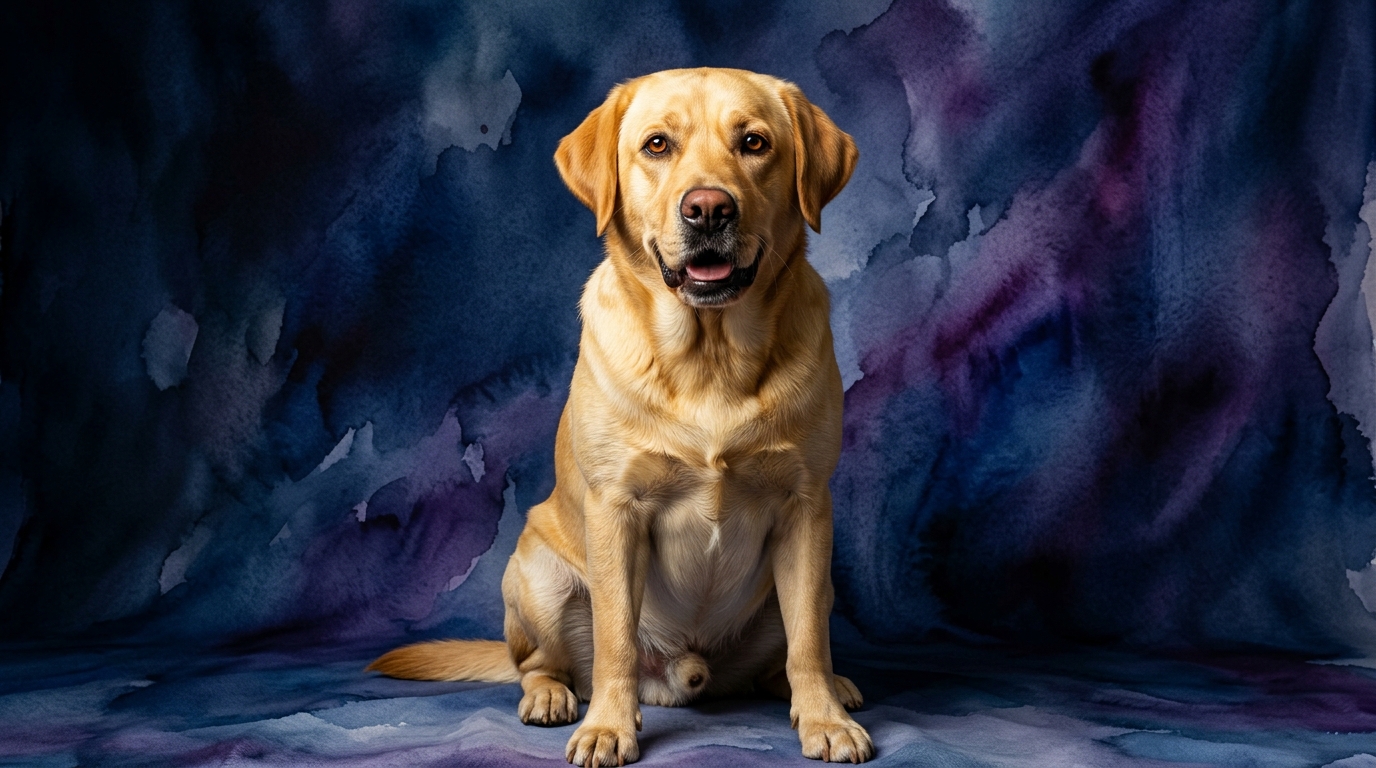
The Cosmic Pet Pet IQ Lab employs a comprehensive framework to assess canine intelligence, moving beyond simple obedience to explore nuanced cognitive dimensions. For the Labrador Retriever, ranked #7 by Stanley Coren, their profile highlights a remarkable blend of adaptability and social acumen. Their Problem Solving is rated 4 out of 5, indicating a strong capacity to figure out complex situations and adapt strategies quickly. Training Speed shines at a perfect 5 out of 5, reflecting their rapid learning and eagerness to master new commands. Social Intelligence also scores a top 5 out of 5, showcasing an exceptional ability to understand and respond to human cues and social dynamics. Instinctive Drive, crucial for their retrieving heritage, stands at 4 out of 5, signifying a robust natural inclination for work. Finally, their Memory is solid at 4 out of 5, allowing them to retain information and experiences effectively over time.
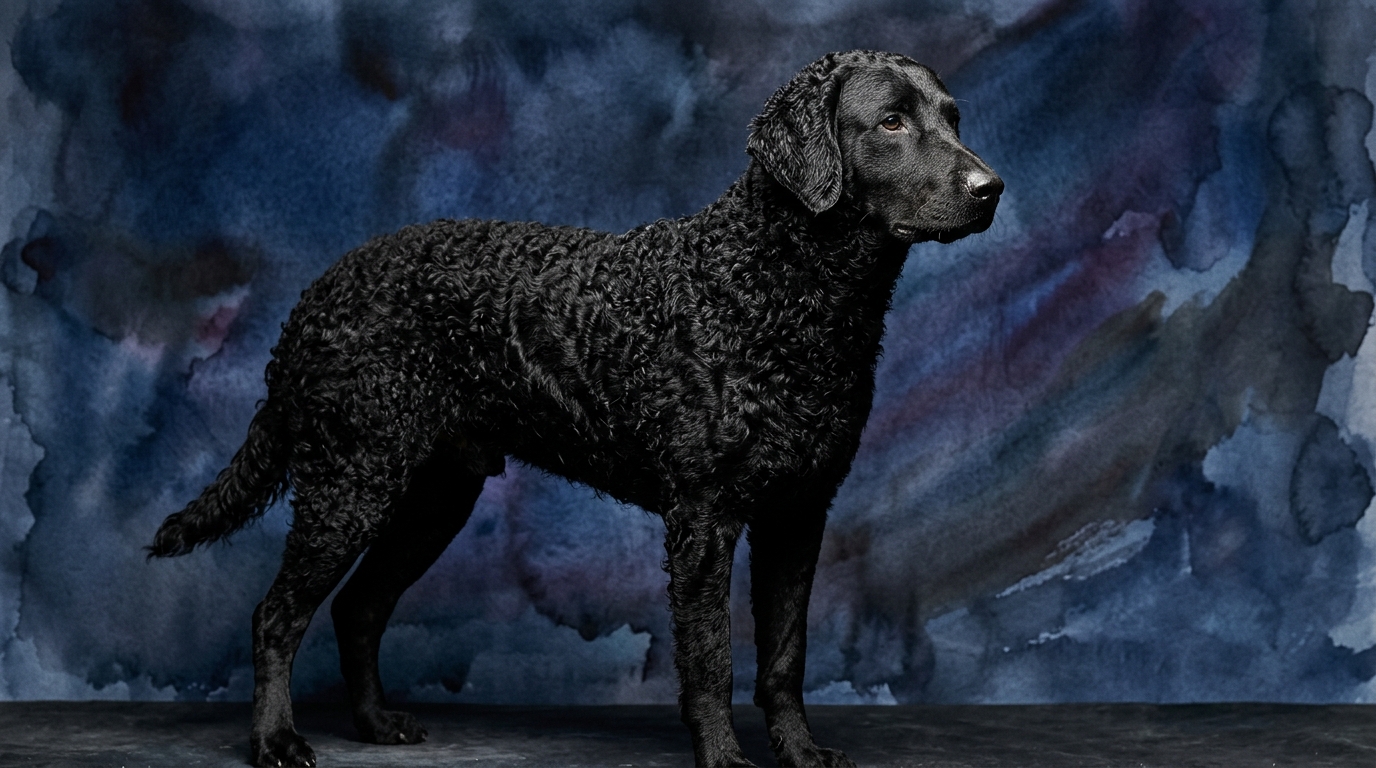
In contrast, the Curly-Coated Retriever, with a Coren ranking of #41, presents a distinct, more independent cognitive style. Their Problem Solving receives a 3 out of 5, suggesting they are capable of finding solutions but might approach challenges with more deliberation or self-reliance, rather than seeking immediate human collaboration. Training Speed is rated 3 out of 5, indicating they learn at a steady pace but may require more patience and consistency compared to the rapid uptake of a Labrador. Social Intelligence also scores 3 out of 5, implying they are affable but perhaps less overtly people-focused or less attuned to subtle human emotional shifts than their Labrador counterparts. Their Instinctive Drive is 3 out of 5, robust enough for their working roles but potentially expressed with more independence. Notably, their Memory matches the Labrador at 4 out of 5, demonstrating an equal capacity for retaining information and past experiences.
Where Labrador Retriever Wins Cognitively
The Labrador Retriever's cognitive strengths are particularly evident in their superior Training Speed and Social Intelligence, both scoring a perfect 5 out of 5. This means they process new commands and concepts with remarkable efficiency, often requiring fewer repetitions to achieve mastery. Their profound social intelligence allows them to not only understand human instructions but also to anticipate desires and respond to subtle non-verbal cues, making them exceptionally attuned companions and working partners. This translates into a dog that is highly biddable and eager to collaborate, often seeking out human interaction and guidance during tasks.
Furthermore, their higher Problem Solving (4/5) and Instinctive Drive (4/5) contribute to their reputation as highly adaptable and effective working dogs. A Labrador is more likely to quickly devise strategies to retrieve a dropped item from a challenging spot or to navigate an unfamiliar environment with confidence, often with a keen eye on their human for direction or affirmation. Their strong drive ensures they are motivated to complete tasks, while their cognitive flexibility allows them to switch tactics if an initial approach isn't successful. This combination makes them particularly adept at complex tasks requiring both mental agility and a strong desire to perform for their handler.
Where Curly-Coated Retriever Wins Cognitively
While the Curly-Coated Retriever's scores might appear lower in some dimensions, their cognitive profile champions a unique brand of self-reliance and thoughtful processing. Their Memory, rated 4 out of 5, is on par with the Labrador, indicating an excellent ability to recall training, past experiences, and complex patterns over time. This robust memory, combined with their more independent problem-solving style, allows them to retain intricate hunting routes or multi-step tasks, applying learned knowledge effectively without constant human prompting. They are capable of remembering specific retrieve locations or scent trails with impressive accuracy, leveraging their innate recall for practical applications.
The Curly's distinct cognitive 'wins' often lie in their independence and resilience. Their Problem Solving (3/5) and Social Intelligence (3/5) suggest a dog that is less reliant on constant human validation and more inclined to figure things out for themselves. This can manifest as a resourceful quality, where they might persist at a task using their own initiative rather than waiting for explicit human direction. For owners who value a dog with a strong sense of self and an ability to work autonomously, the Curly-Coated Retriever's blend of solid memory and thoughtful independence can be a significant advantage, fostering a partnership built on mutual respect for their individual capabilities rather than constant direction.
Which is Easier to Train and Why
Based on their IQ profiles, the Labrador Retriever is demonstrably easier to train, primarily due to their superior Training Speed (5/5) and Social Intelligence (5/5). Labradors are renowned for their eagerness to please and their exceptional ability to quickly grasp new commands and concepts. They thrive on positive reinforcement and readily engage with their human trainers, often anticipating what is expected of them. Their high social intelligence means they are acutely aware of their trainer's moods and intentions, making communication during training sessions remarkably fluid and responsive. This inherent biddability and focus on human interaction allow for rapid progress in obedience, advanced tasks, and specialized work.
The Curly-Coated Retriever, with a Training Speed of 3 out of 5, requires a more patient and consistent approach to training. While capable of learning, they may take longer to solidify new commands and might not display the same overt enthusiasm for repetitive drills as a Labrador. Their lower social intelligence (3/5) suggests they are less driven by a need for constant human approval and might exhibit a more independent streak during training. This doesn't mean they are untrainable; rather, it implies that trainers must be prepared to make learning engaging, understand their dog's independent nature, and build a strong relationship based on trust and clear communication. They respond best to fair, positive methods and can become resistant if training is overly harsh or inconsistent.
Which Suits Active Owners vs Relaxed Owners
Both the Labrador Retriever and the Curly-Coated Retriever are Sporting breeds, meaning they possess significant energy levels and require regular physical and mental stimulation. However, their cognitive profiles suggest different nuances in how they engage with activity. The Labrador Retriever, with its high social intelligence and training speed, is an excellent fit for active owners who enjoy structured activities like competitive obedience, agility, field trials, or even just long, interactive walks and games of fetch. Their collaborative nature means they thrive when engaged in activities alongside their human, easily learning complex routines and relishing shared adventures. They are also highly adaptable, making them suitable for active families who want a dog to join in various outings and sports.
The Curly-Coated Retriever, while equally needing activity, might appeal to active owners who appreciate a more independent companion. Their substantial instinctive drive and memory, combined with a more self-reliant problem-solving approach, make them excellent partners for activities like hiking, swimming, or independent retrieving in varied terrain where they can utilize their own initiative. While they enjoy human company, their lower social intelligence means they might not constantly seek interaction during activities, content to explore and work alongside their owner rather than always performing for them. For 'relaxed owners,' neither breed is truly suitable without a commitment to providing substantial daily exercise and mental engagement; however, the Labrador's higher social demands might make them more prone to boredom-related behaviors if under-stimulated socially and physically, whereas a Curly might be more content with self-directed activity but still requires outlets for their energy.
The Verdict
Choose the Labrador Retriever if you seek a highly biddable, people-focused companion eager to learn quickly and participate actively in structured family life and dog sports. Their exceptional social intelligence and rapid training speed make them a joy for first-time owners or those desiring a highly collaborative partner.
Opt for the Curly-Coated Retriever if you appreciate an independent, resourceful, and thoughtful companion who excels with consistent, positive training and thrives in active environments where they can apply their strong memory and self-reliant problem-solving skills. They are best for experienced owners who value a dog with a distinct personality and a less overtly people-pleasing demeanor.
🧠 Find Your Pet's IQ Score
Our Pet IQ Lab assessment covers 25+ tests across 5 cognitive dimensions — personalized to your breed.
Take the Full IQ Test →Frequently Asked Questions
Are Curly-Coated Retrievers harder to train than Labradors?
Based on their IQ profiles, Curly-Coated Retrievers generally take longer to train than Labradors. Their training speed is rated 3/5 compared to the Labrador's 5/5, meaning they may require more patience and consistency to master commands, though they are certainly capable learners.
Which breed is better for a family with children?
The Labrador Retriever's high social intelligence (5/5) often makes them more naturally attuned to family dynamics and eager to interact, generally making them an excellent choice for families with children. Curly-Coated Retrievers, while good with families, might be more reserved due to their lower social intelligence (3/5) and require more careful introductions and supervision.
Do both breeds require a lot of exercise?
Yes, both Labrador Retrievers and Curly-Coated Retrievers are Sporting breeds with significant energy levels and require substantial daily exercise. They thrive on physical activity and mental stimulation, making them unsuitable for sedentary lifestyles, regardless of their specific cognitive profiles.