
Side-by-Side IQ Profile: Lab vs. Spitz
The Labrador Retriever, a Sporting group stalwart, consistently demonstrates a high aptitude across multiple cognitive dimensions. Their Problem Solving is rated 4/5, indicating a strong capacity to figure out complex tasks, adapt to novel situations, and learn from experience, often with a goal-oriented approach. Training Speed is exceptional at 5/5, meaning Labs typically grasp new commands and routines with very few repetitions. Social Intelligence, also 5/5, reflects their remarkable ability to read human cues, understand intentions, and form strong cooperative bonds, making them highly attuned to their human partners. Their Instinctive Drive, rated 4/5, is powerfully channeled into retrieving, working, and interacting, showcasing a natural inclination for purpose-driven activity. Finally, their Memory at 4/5 ensures they retain learned behaviors and past experiences effectively over time, contributing to their reliability in various roles.
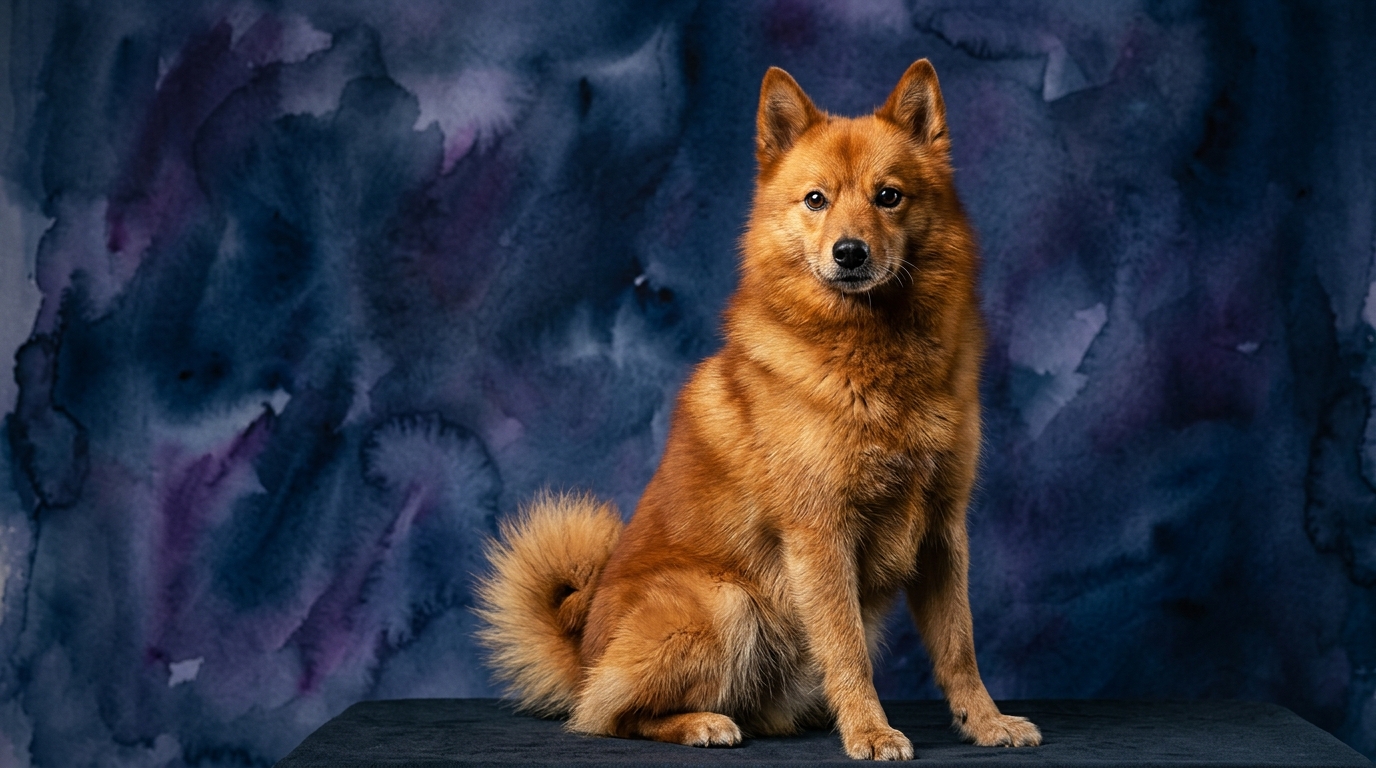
In contrast, the Finnish Spitz, a Non-Sporting breed, presents a different cognitive blueprint, often characterized by independence. Their Problem Solving capacity is rated 3/5, suggesting they can navigate challenges but might take longer to devise solutions or prefer to solve problems on their own terms rather than seeking human direction. Training Speed is 3/5, meaning they are trainable but generally require more patience, repetition, and motivation compared to breeds eager to please. Social Intelligence, also 3/5, indicates they understand human communication but may prioritize their own interests or exhibit a more reserved interaction style. Their Instinctive Drive, rated 3/5, is notably focused on their ancestral role as barking bird dogs, manifesting as a strong urge to observe and vocalize, rather than a broad desire for cooperative work. Memory at 3/5 suggests they learn and recall information but might benefit from consistent reinforcement to maintain proficiency, particularly with tasks that aren't intrinsically motivating.
Where the Labrador Retriever Wins Cognitively
The Labrador Retriever's cognitive strengths shine brightest in areas requiring rapid learning, cooperative problem-solving, and nuanced social understanding. Their 5/5 Training Speed and 5/5 Social Intelligence mean they excel at interpreting human commands and intentions, making them exceptionally responsive partners in tasks ranging from complex obedience routines to service work. A Lab's 4/5 Problem Solving, combined with their strong social intelligence, allows them to collaborate effectively with humans to overcome obstacles, whether it's navigating an agility course or retrieving specific items. Furthermore, their high Instinctive Drive (4/5) is readily channeled into purposeful activities, making them highly motivated to engage in tasks that provide mental and physical stimulation, showcasing a profound capacity for sustained, directed effort under human guidance.
Where the Finnish Spitz Wins Cognitively
While the Finnish Spitz may not match the Labrador's scores in traditional obedience metrics, their cognitive profile reveals distinct advantages, particularly in self-reliant problem-solving and specialized sensory focus. Their 3/5 Problem Solving, though lower, is often expressed through independent thought and a unique approach to challenges, rather than waiting for human instruction. This breed's instinctive drive (3/5) is intensely focused on their ancestral role as barking bird dogs, demonstrating a specialized cognitive talent for sustained observation, auditory discrimination, and vocal communication in the field. This specific drive translates into a remarkable ability to focus intently on environmental stimuli and communicate findings independently, a cognitive 'win' in situations requiring self-directed initiative and sensory precision without constant human prompting. Their more moderate Social Intelligence (3/5) allows them to maintain a degree of independence, making them less prone to separation anxiety and more comfortable with self-amusement, a valuable trait for owners who appreciate a less clingy companion.
Which is Easier to Train and Why
The Labrador Retriever is considerably easier to train, a direct result of their superior Training Speed (5/5) and Social Intelligence (5/5). Labs possess an innate desire to please their owners and are highly attuned to human body language and vocal cues, allowing them to quickly grasp and execute commands. Their high memory (4/5) ensures that once a behavior is learned, it is retained with consistency, making them exceptionally reliable. This strong cooperative drive, reflected in their Coren rank of #7, means they actively seek to understand and comply with human directives.
The Finnish Spitz, with its 3/5 ratings across the board for training speed, social intelligence, and memory, requires a different training approach. While trainable, they are more independent and less inherently motivated by human approval. Their training demands greater patience, consistency, and the use of positive reinforcement techniques that make learning intrinsically rewarding for the dog. They may take longer to learn new commands and might selectively obey if a command doesn't align with their immediate interests, reflecting their self-reliant nature rather than a lack of capacity.
Which Suits Active Owners vs. Relaxed Owners
The Labrador Retriever is an ideal match for active owners who seek a highly engaged and cooperative companion. Their high instinctive drive and social intelligence mean they thrive on purposeful activities, whether it's extensive walks, runs, retrieving games, or participation in dog sports like agility or dock diving. Owners who enjoy training and want a dog that eagerly participates in family adventures will find a Lab's cognitive makeup perfectly aligned with their lifestyle. A Lab's need for mental and physical stimulation is significant, making them less suitable for purely relaxed, sedentary households.
The Finnish Spitz can suit moderately active owners who appreciate a dog with a unique personality and a degree of independence. While they do require daily exercise to satisfy their moderate instinctive drive, they are not typically as demanding of constant human interaction or structured activity as a Lab. Their independence means they can be content with self-directed exploration in a secure yard or focused walks where they can engage their senses. Owners who enjoy observing a dog's natural behaviors, appreciate a vocal companion, and don't mind a less 'biddable' nature might find the Finnish Spitz a rewarding partner, though they are not suited for entirely relaxed, low-activity homes either.
The Verdict
Choose a Labrador Retriever if you desire a highly cooperative, easily trainable companion eager to participate in diverse activities and form a strong, responsive bond.
Opt for a Finnish Spitz if you appreciate an independent, unique, and vocal companion whose intelligence is expressed through self-reliance and specialized sensory focus, requiring a patient and consistent training approach.
🧠 Find Your Pet's IQ Score
Our Pet IQ Lab assessment covers 25+ tests across 5 cognitive dimensions — personalized to your breed.
Take the Full IQ Test →Frequently Asked Questions
Is the Finnish Spitz difficult to train?
The Finnish Spitz is trainable, but they are not as naturally eager to please as many other breeds. They require consistent, positive reinforcement methods and patience, as their independent nature means they may take longer to learn and might selectively obey if not sufficiently motivated.
Do Labrador Retrievers need a lot of mental stimulation?
Yes, Labrador Retrievers have a high problem-solving capacity and strong instinctive drive, meaning they require significant mental stimulation in addition to physical exercise. Engaging them in training, puzzle toys, and purposeful activities is crucial for their well-being.
Which breed is better for first-time dog owners?
Due to their high trainability, social intelligence, and eagerness to please, Labrador Retrievers are generally a more forgiving and suitable choice for first-time dog owners who are committed to providing adequate exercise and training. The Finnish Spitz's independent nature can be more challenging for inexperienced owners.