Unpacking Their Cognitive Frameworks: A Side-by-Side IQ Profile
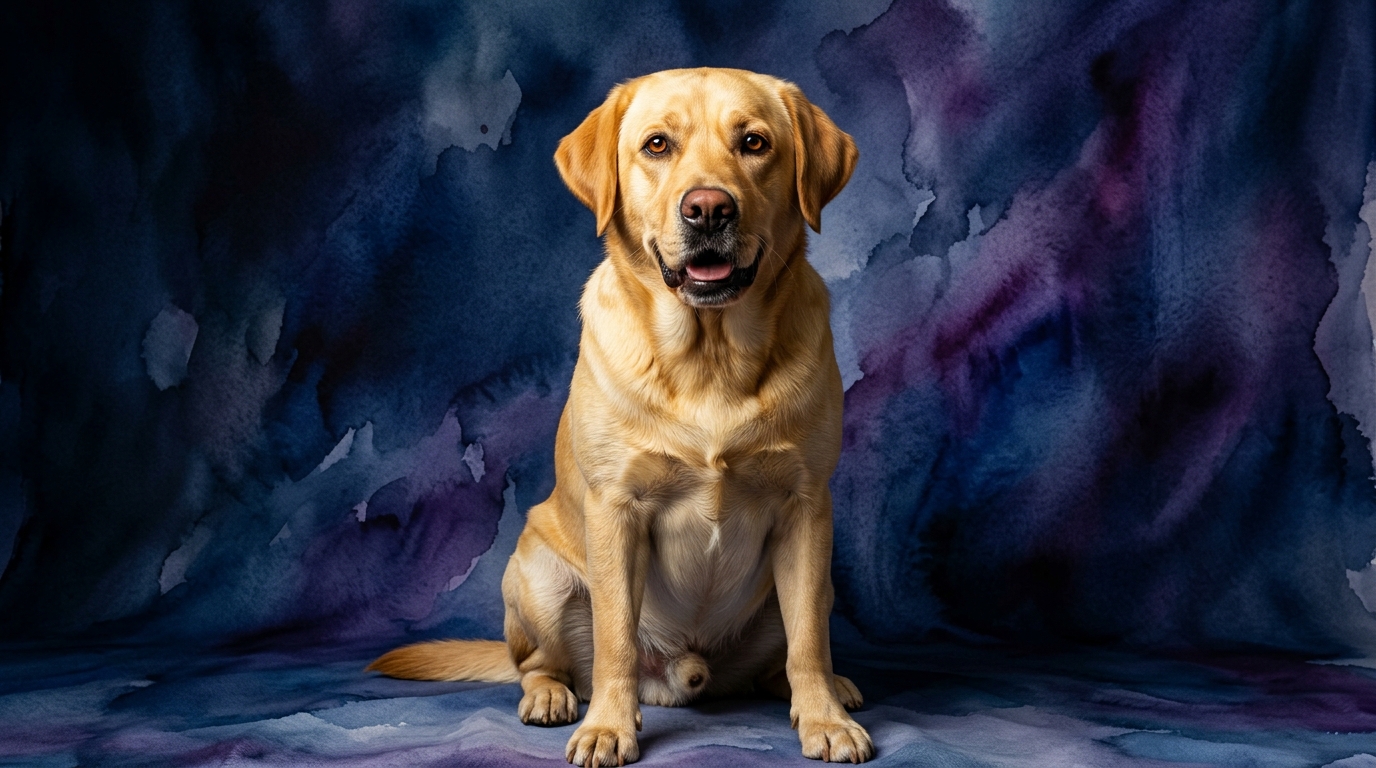
At The Cosmic Pet Pet IQ Lab, we evaluate canine cognition across five crucial dimensions, offering a granular look at what makes each breed tick. The Labrador Retriever, a Sporting group stalwart and Coren rank #7, presents a robust cognitive profile: Problem Solving 4/5, indicating good adaptability; Training Speed 5/5, highlighting rapid learning; Social Intelligence 5/5, showcasing exceptional human cue interpretation; Instinctive Drive 4/5, often channeled into retrieving and task focus; and Memory 4/5, ensuring strong retention of complex commands and routines.
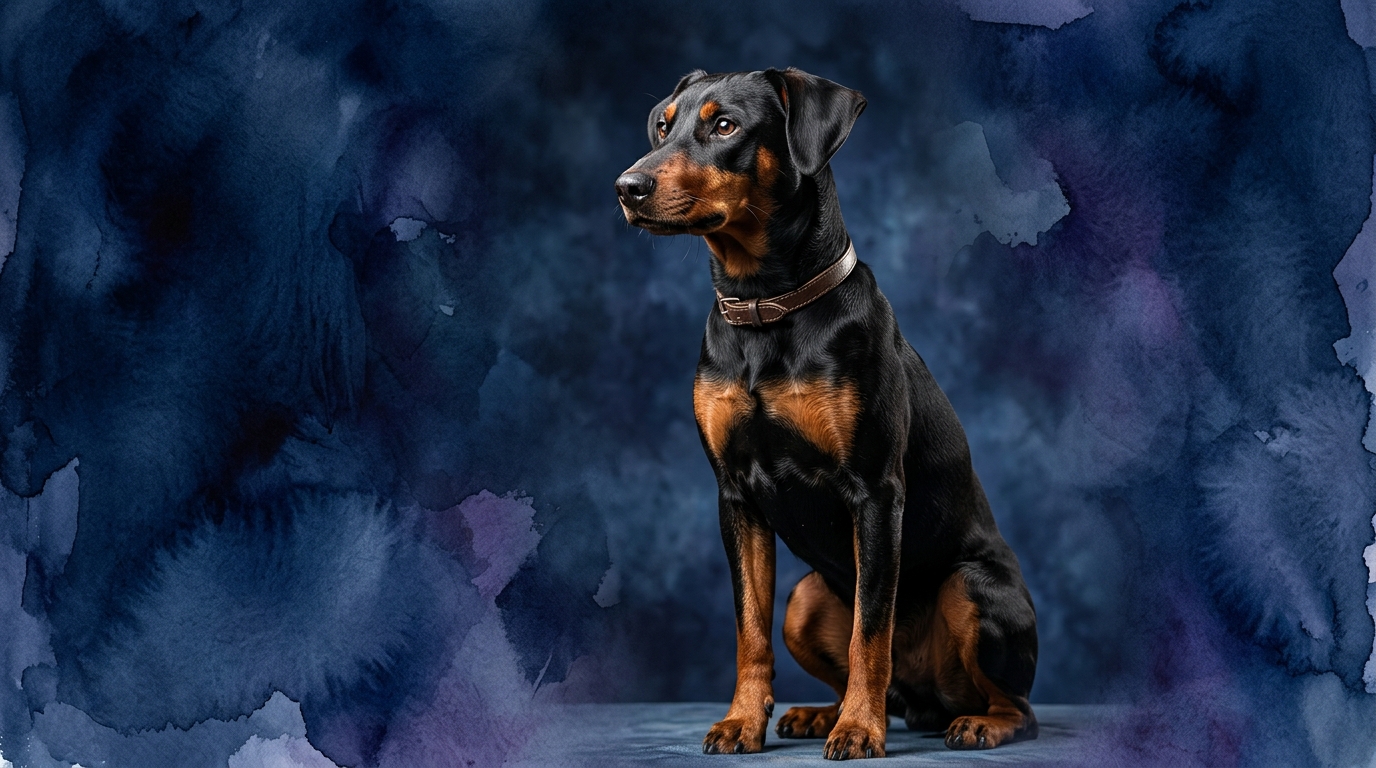
In contrast, the German Pinscher, a dynamic Working group member without a specific Coren rank, offers a distinct cognitive blueprint. Its profile includes Problem Solving 3/5, suggesting a capable but more direct approach; Training Speed 3/5, indicating a need for consistent, patient instruction; Social Intelligence 3/5, pointing to an observant but often independent nature; Instinctive Drive 3/5, manifesting as keen alertness and prey drive; and Memory 3/5, allowing it to learn but requiring more reinforcement for complex sequences.
The Labrador Retriever's Cognitive Strengths
The Labrador Retriever's exceptional 5/5 Training Speed and 5/5 Social Intelligence position it as a highly cooperative and adaptable partner. They grasp new commands with remarkable alacrity, often requiring fewer repetitions, making them incredibly rewarding for owners engaged in obedience, service work, or complex task training. Their deep social awareness allows them to interpret subtle human cues, anticipating needs and responding empathetically, which is foundational to their success as guide dogs, therapy animals, and understanding family companions.
This rapid learning and strong social attunement, coupled with their 4/5 Problem Solving ability, means Labs are not just quick learners but resourceful. They can navigate novel situations and overcome obstacles to complete tasks, demonstrating an intelligent capability for varied and demanding roles. Their 4/5 Instinctive Drive, often focused on retrieving, further enhances their motivation for task completion and collaborative work.
The German Pinscher's Distinct Cognitive Advantages
While the German Pinscher's scores appear lower, their specific cognitive blend creates distinct advantages for particular roles. Their 3/5 Social Intelligence translates into a more self-reliant nature, often making them less prone to separation distress when adequately stimulated. This independence, coupled with their 3/5 Problem Solving, allows them to be observant but maintain a degree of aloofness, appealing to owners seeking a dog less inclined to constant demanding interaction and capable of independent decision-making.
The German Pinscher's 3/5 Instinctive Drive is strongly rooted in its heritage as a vermin hunter and watchdog, manifesting as heightened alertness and a keen sense of surroundings. This cognitive focus on vigilance and territorial defense makes them exceptional natural guardians, capable of assessing potential threats. Their 3/5 Training Speed, though requiring patience, means they learn thoroughly once convinced of a command's value, leading to reliable long-term retention of critical behaviors through their 3/5 Memory.
Training Trajectories: Eagerness vs. Independent Thought
The Labrador Retriever generally offers a smoother training journey due to its exceptional 5/5 Training Speed and 5/5 Social Intelligence. They are inherently motivated to please, quickly picking up on cues and responding enthusiastically to positive reinforcement. Their 4/5 Memory ensures consistent retention of learned behaviors, making the training process feel like a cooperative and rewarding experience for both dog and owner.
The German Pinscher, with 3/5 in both Training Speed and Social Intelligence, requires a different approach. They possess keen intellect but often pair it with an independent streak, meaning owners need patience, consistency, and varied motivational strategies. Pinschers are less driven to 'please' in the same overt way as a Lab and may challenge commands, necessitating clear leadership and engaging sessions that respect their tendency towards independent thought rather than immediate compliance.
Matching Canine Cognition to Lifestyle: Engaged Owners for Both
Neither breed is suited for truly 'relaxed' owners; both possess vibrant cognitive and physical needs, but their requirements diverge. The Labrador, with its 5/5 Social Intelligence and 4/5 Instinctive Drive for tasks, thrives with owners who provide structured activities, consistent training, and ample social interaction. They are ideal for active individuals or families who enjoy hiking, dog sports, or want a constant, interactive companion deeply involved in daily life, adaptable to varied activities when given a 'job' to do.
The German Pinscher, with its 3/5 Instinctive Drive for alertness and prey drive, along with its more independent 3/5 Social Intelligence, suits owners who are active and mentally engaging but appreciate a dog with self-reliance. They excel with those who can provide outlets for their sharp senses and natural guarding instincts, like agility or tracking, and appreciate a dog that operates with distinct personality and independent problem-solving in their environment rather than constant human interaction.
The Verdict
Choose the Labrador Retriever if you seek a highly cooperative, eager-to-please companion who excels in structured training, service roles, and family activities requiring deep social attunement. Their rapid learning and desire to work alongside you make them incredibly versatile and rewarding.
Opt for the German Pinscher if you appreciate an independent, sharp-minded guardian with a keen sense of observation and a thoughtful approach to challenges, and are prepared for consistent, patient training tailored to their self-reliant nature. They thrive with owners who can channel their alertness and provide varied mental stimulation.
🧠 Find Your Pet's IQ Score
Our Pet IQ Lab assessment covers 25+ tests across 5 cognitive dimensions — personalized to your breed.
Take the Full IQ Test →Frequently Asked Questions
Is the Labrador Retriever truly smarter than the German Pinscher?
Our IQ metrics indicate the Labrador Retriever has higher scores in problem-solving, training speed, social intelligence, instinctive drive, and memory, suggesting a greater capacity for cooperative learning and adaptability in diverse tasks. However, 'smarter' is nuanced; the German Pinscher's specific cognitive profile is highly effective for its historical roles.
Do German Pinschers make good family dogs despite lower social intelligence scores?
Yes, German Pinschers can be devoted family dogs, though their 3/5 social intelligence means they may be more reserved with strangers and prefer their immediate family. They bond deeply but express affection differently than a Labrador, often valuing quiet companionship and independent observation rather than constant overt interaction.
What kind of mental stimulation do these breeds need?
Labrador Retrievers thrive on interactive games like fetch, puzzle toys, and obedience training, leveraging their high training speed and social intelligence. German Pinschers benefit from activities that engage their keen senses and independent problem-solving, such as scent work, agility, or guardian-oriented tasks, which tap into their instinctive drive.