Side-by-Side IQ Profile: Lab vs. Giant Schnauzer
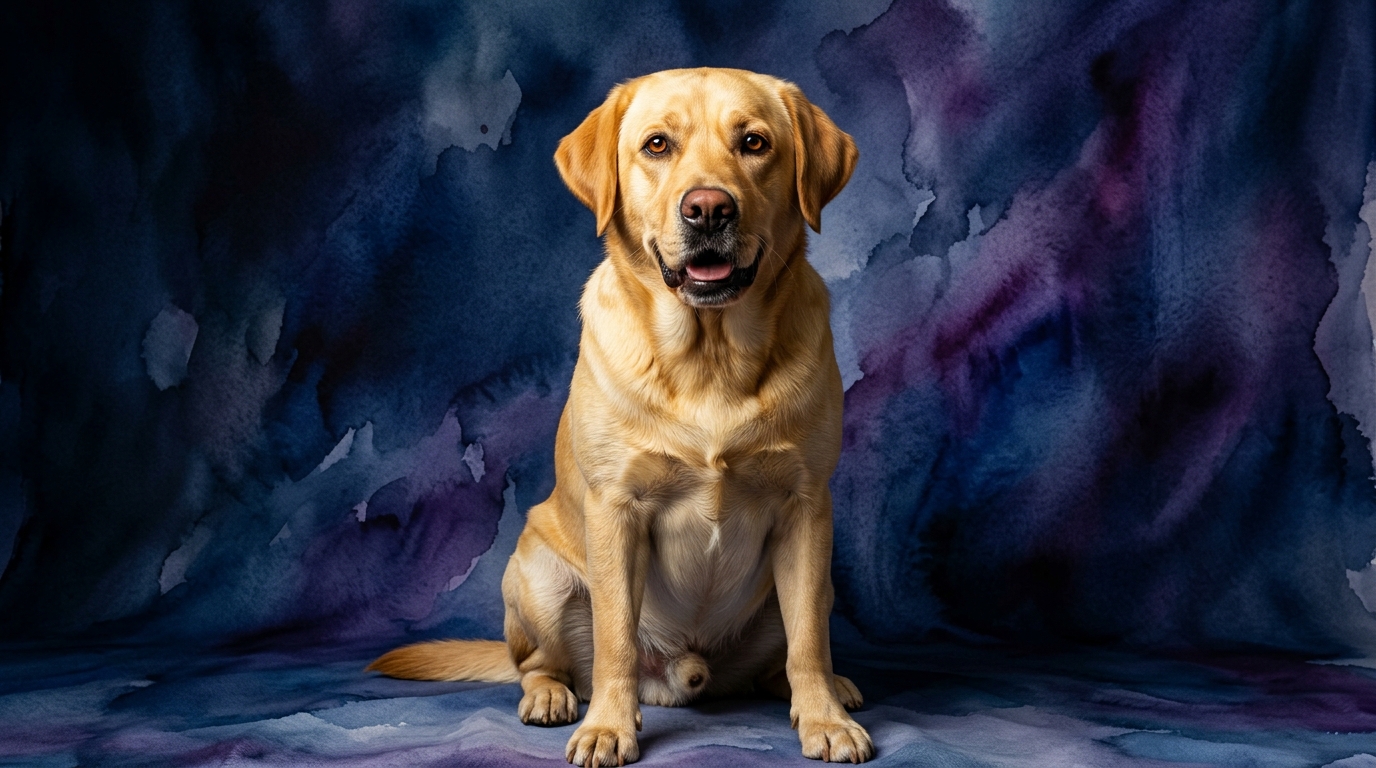
The Cosmic Pet Pet IQ Lab assesses canine intelligence across five crucial dimensions, offering a nuanced view of each breed's cognitive strengths. For the Labrador Retriever, classified in the Sporting group and ranking #7 on Coren's scale, its profile reflects a highly adaptable and cooperative companion. Their Problem Solving is rated 4/5, indicating a strong capacity to figure out tasks and overcome obstacles, often in collaboration with humans. Training Speed shines at 5/5, suggesting a rapid ability to acquire and retain new commands and routines. Social Intelligence is exceptionally high at 5/5, highlighting their profound understanding of human cues and desire for interaction. Instinctive Drive, at 4/5, points to a robust inclination towards their breed-specific tasks like retrieving, while Memory is strong at 4/5, ensuring they recall learned behaviors and people effectively.
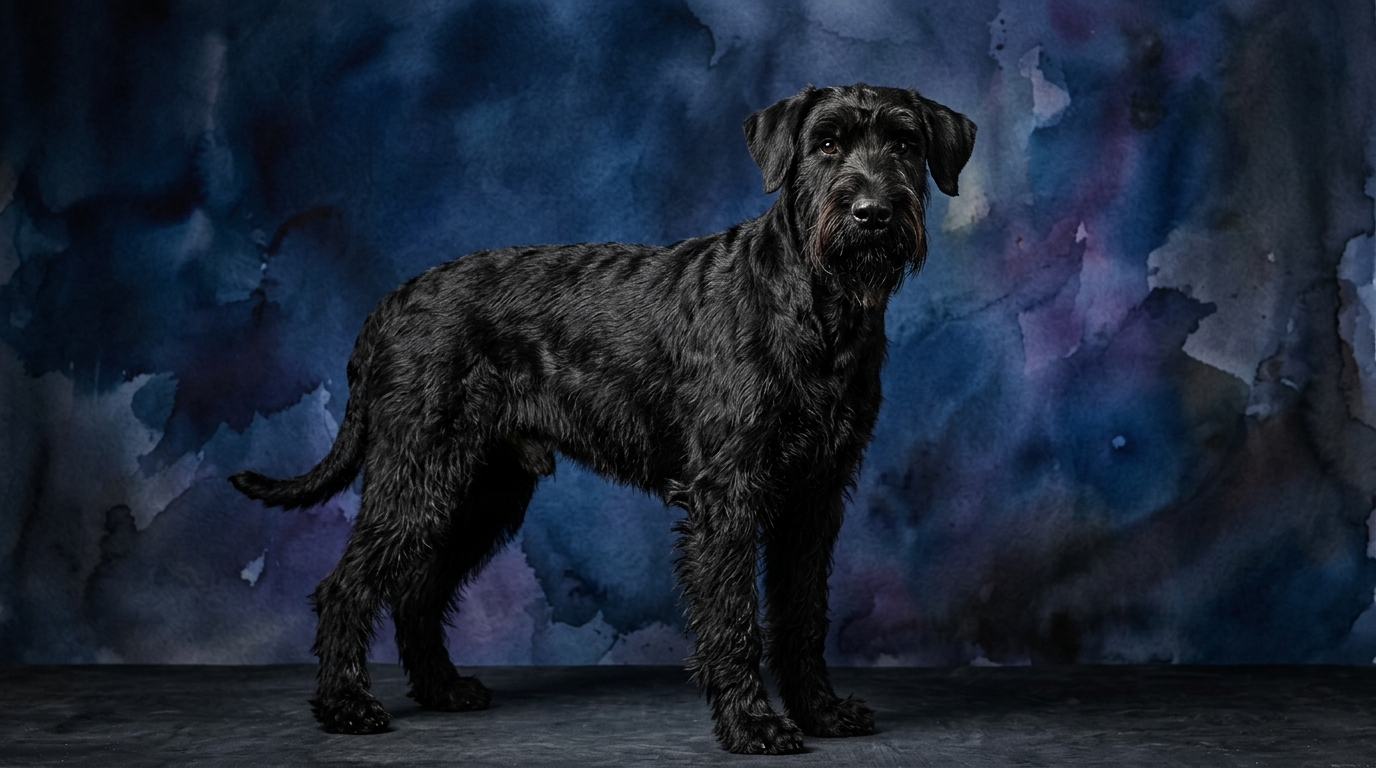
In contrast, the Giant Schnauzer, a member of the Working group and ranking #28 on Coren's scale, presents a different cognitive landscape tailored for its protective and assertive roles. Their Problem Solving matches the Labrador at 4/5, demonstrating an equal capacity for independent thought and strategic action, though often applied to different types of challenges. Training Speed is a commendable 4/5, meaning they are eager and capable learners, albeit potentially requiring a slightly more varied approach than a Labrador. Social Intelligence stands at 3/5, suggesting they are selective in their social interactions and may not seek constant human validation to the same degree as a Labrador. Instinctive Drive is rated 3/5, reflecting their inherent guarding and protective tendencies, which are present but perhaps less overtly directed than a retriever's drive. Their Memory is also 4/5, indicating a reliable ability to remember past experiences, commands, and individuals, essential for their working roles.
Where the Labrador Retriever Excels Cognitively
The Labrador Retriever's cognitive profile showcases a breed built for partnership and cooperative engagement. Their paramount strength lies in their Social Intelligence, rated 5/5, which makes them incredibly attuned to human emotions, intentions, and communication. This translates into an unparalleled eagerness to please and a natural inclination to work alongside their owners, making them highly responsive to verbal cues, hand signals, and even subtle shifts in body language. This profound social connection is a cornerstone of their utility in roles ranging from service work to therapy, where understanding and responding to human needs are paramount.
Complementing their social acumen is their superior Training Speed, also a perfect 5/5. This metric indicates an almost effortless ability to grasp new concepts and commands, often requiring fewer repetitions than many other breeds. When combined with their high social intelligence, this means Labradors are not just learning quickly, but they are learning *eagerly*, motivated by the interaction and positive reinforcement from their human companions. Their Problem Solving (4/5) is often applied in scenarios that benefit a human partner, such as figuring out how to retrieve an object from a difficult spot or navigating complex environments to complete a task, always with an eye towards fulfilling a directive. Their Instinctive Drive (4/5) for retrieving and water work further enhances their cooperative nature, providing a strong internal motivation that aligns well with human-directed activities.
Where the Giant Schnauzer Shows Distinct Cognitive Strengths
While the Labrador excels in cooperative dynamics, the Giant Schnauzer's cognitive strengths lean towards independent application and astute observation, crucial for their working heritage. Their Problem Solving, rated 4/5, matches the Labrador's, but it often manifests in a more self-reliant context. A Giant Schnauzer might excel at assessing a situation and making a judgment call based on its own understanding, rather than solely awaiting human instruction. This independent problem-solving is vital for a breed tasked with protection, where quick, decisive action is often necessary.
Furthermore, their robust Memory (4/5), on par with the Labrador, allows them to retain complex training sequences and recognize specific individuals or situations over long periods. This is particularly beneficial in security or protection work, where remembering patterns, threats, or authorized personnel is critical. While their Social Intelligence (3/5) is lower than a Labrador's, it does not imply a lack of bonding. Instead, it suggests a more discerning approach to social interactions; they form deep, loyal bonds with their trusted family members but may not extend the same immediate warmth or eagerness to strangers. Their Instinctive Drive (3/5), while lower than a Lab's, is channeled into vigilance and protective instincts, providing a natural inclination towards guarding their territory and family, a cognitive trait that defines their working character.
Training Dynamics: Lab vs. Giant Schnauzer
When it comes to training, the contrasting cognitive profiles of these two breeds lead to very different experiences. The Labrador Retriever, with its 5/5 Training Speed and 5/5 Social Intelligence, is often described as a dream student. Their intense desire to engage with their human companions and their rapid comprehension mean they pick up commands quickly and enthusiastically. They thrive on positive reinforcement, eager to please and respond to even subtle cues, making them highly adaptable to various training methodologies and environments. Their strong instinctive drive for retrieving also provides a natural outlet for motivation in play-based training.
The Giant Schnauzer, while still a capable learner with a 4/5 Training Speed, requires a more specific and consistent approach. Their 3/5 Social Intelligence means they might not be as overtly eager to please every human or respond to every command with the same immediate enthusiasm as a Labrador. They possess a more independent streak, which can sometimes be perceived as stubbornness if not approached with firm, fair, and engaging methods. Training a Giant Schnauzer benefits from clear structure, a confident handler, and varied exercises to maintain their interest. They respond well to challenge and mental stimulation, but their independent problem-solving might lead them to question or test boundaries more frequently. Consistency in expectations and a strong, trusting relationship are key to unlocking their full training potential, rather than relying solely on their desire for social approval.
Owner Suitability: Active vs. Relaxed Lifestyles
The distinct cognitive profiles of the Labrador Retriever and Giant Schnauzer naturally align with different owner lifestyles and expectations. The Labrador Retriever, with its high social intelligence, eager training speed, and cooperative nature, is an excellent match for active families or individuals who desire a deeply integrated companion. They thrive in environments where they are consistently involved in family activities, whether it's daily walks, games of fetch, or accompanying owners on errands. Their strong instinctive drive and problem-solving skills make them superb partners for dog sports, hiking, swimming, or even service and therapy work, where their cognitive strengths are fully utilized in human-centric tasks. They generally adapt well to various social settings and are often keen to meet new people and other animals, making them ideal for owners who enjoy a busy social life.
The Giant Schnauzer, while also requiring significant exercise and mental engagement, suits owners who appreciate a more discerning and independent canine partner. Their robust problem-solving and memory, combined with a lower social intelligence rating, mean they often prefer a structured routine and a clear sense of purpose. They are well-suited for active owners who are committed to consistent training, perhaps in protection sports, obedience trials, or hiking, where their mental fortitude and physical stamina can be challenged. Their protective instincts and more reserved social intelligence mean they are typically more comfortable in environments where they have a clear role, often as a vigilant guardian. They thrive with owners who understand their need for independence and respect their selective social nature, providing leadership and engaging them in activities that leverage their unique cognitive strengths without demanding constant effusive social interaction.
The Verdict: When to Choose Each Breed
Choosing between a Labrador Retriever and a Giant Schnauzer ultimately depends on the specific cognitive and behavioral traits an owner seeks in a companion. Both breeds offer deep companionship and engagement, but their expression of intelligence and partnership differs significantly.
The Verdict
Choose a Labrador Retriever if you seek a highly cooperative, socially intuitive companion who learns with remarkable speed and thrives on being an integral, outgoing part of family life and activities.
Opt for a Giant Schnauzer if you desire a confident, independent problem-solver and vigilant guardian who forms deep bonds with their inner circle and excels with consistent, structured training that respects their discerning nature.
🧠 Find Your Pet's IQ Score
Our Pet IQ Lab assessment covers 25+ tests across 5 cognitive dimensions — personalized to your breed.
Take the Full IQ Test →Frequently Asked Questions
Is a Labrador Retriever better for a first-time dog owner?
Generally, yes. Their high social intelligence and exceptional training speed make them very forgiving and responsive, which can be less overwhelming for someone new to dog ownership. They are eager to please and adapt well to various household dynamics.
Do Giant Schnauzers require more mental stimulation than Labrador Retrievers?
Both breeds require significant mental stimulation, but it manifests differently. Giant Schnauzers, with their independent problem-solving, benefit from tasks that challenge their intellect and protective instincts, while Labradors thrive on cooperative puzzles and activities that involve human interaction.
How do their Coren ranks relate to their everyday behavior?
The Coren rank (#7 for Lab, #28 for GS) broadly indicates their capacity for obedience and working intelligence. A lower rank for the Giant Schnauzer doesn't mean less cognitive ability, but rather that their intelligence is often expressed with more independence or a different motivational drive, requiring a more nuanced approach in training compared to the highly biddable Labrador.