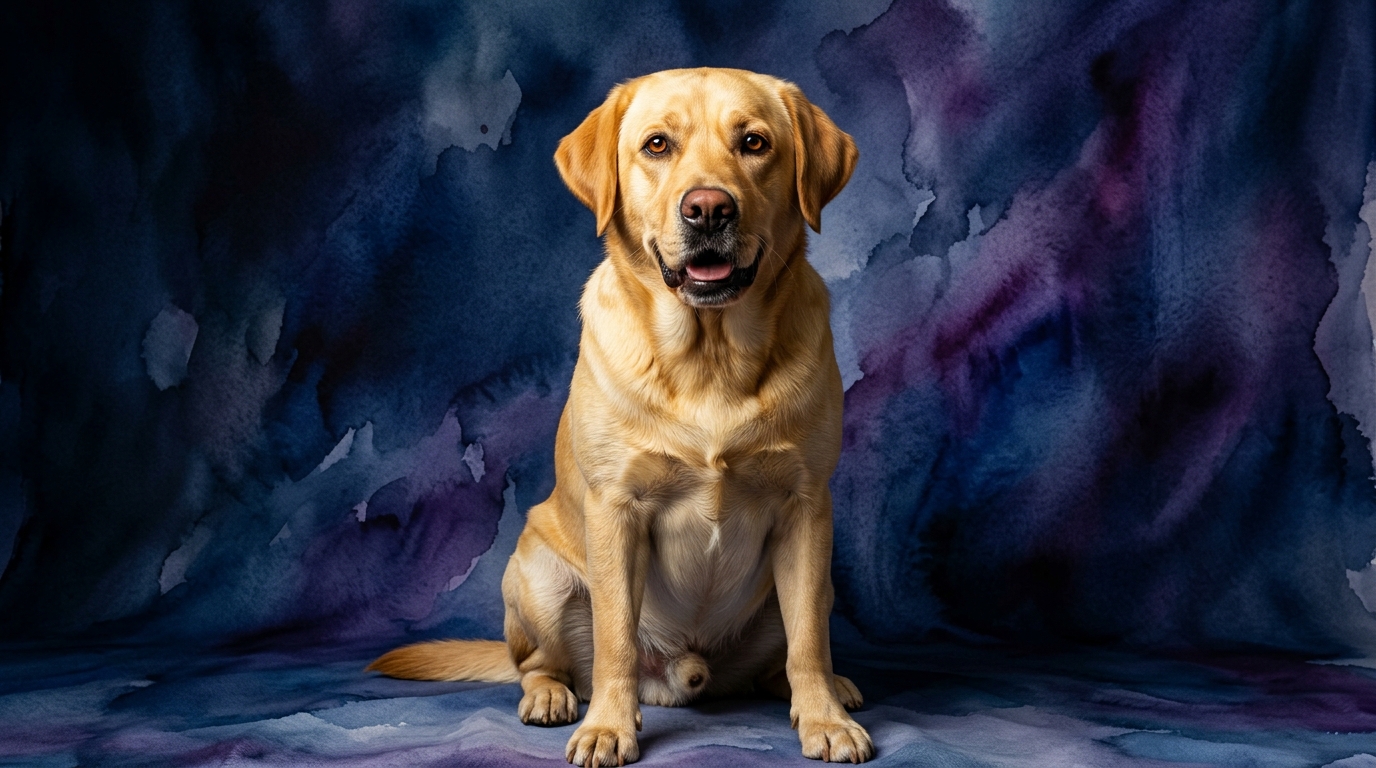
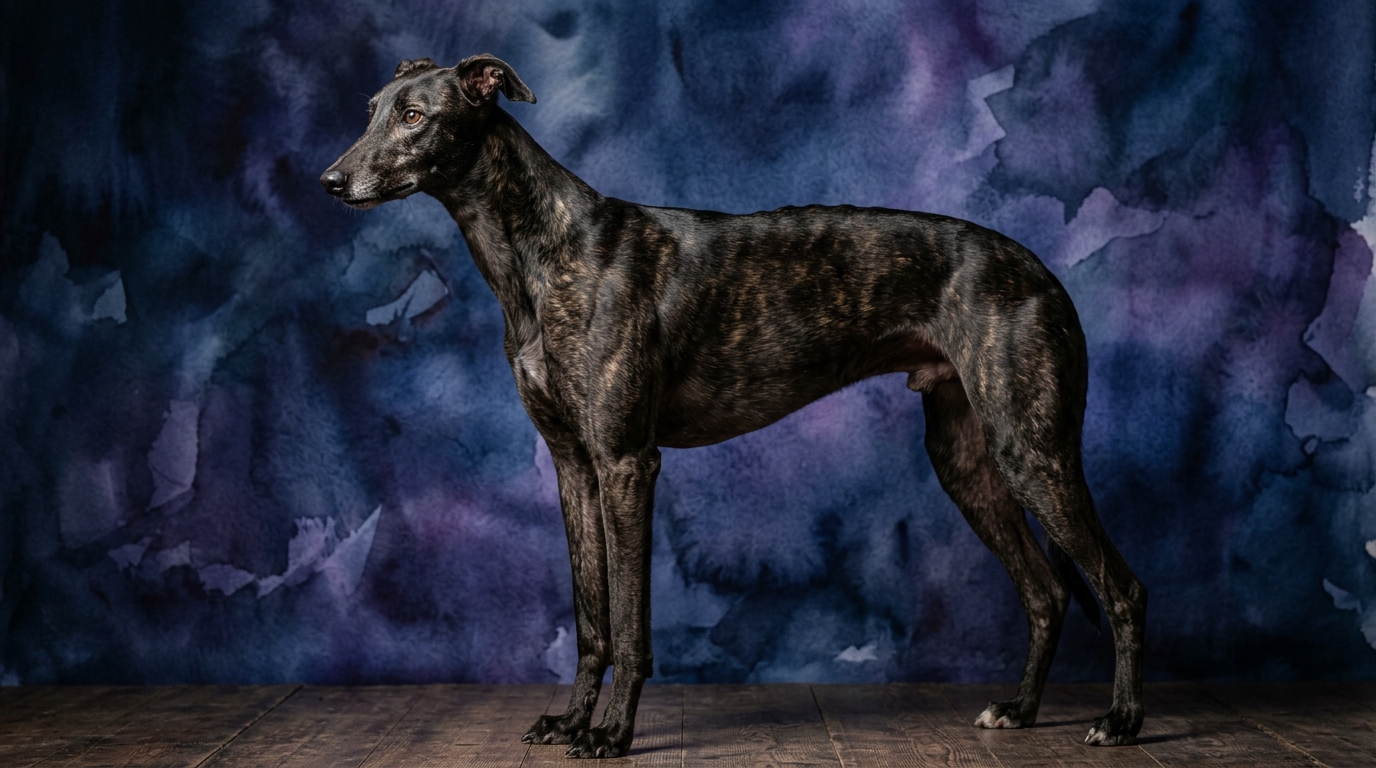
Side-by-Side Cognitive Profiles: Lab vs. Greyhound
The Cosmic Pet Pet IQ Lab provides a nuanced framework to assess canine mental capabilities across five critical dimensions. For the Labrador Retriever, a breed often celebrated for its collaborative spirit and adaptability, its profile reflects a well-rounded aptitude for engagement and learning. They score 4/5 in Problem Solving, indicating a strong capacity to figure out puzzles, navigate complex environments for retrieves, or even manipulate objects to achieve a goal. Their Training Speed is exceptional at 5/5, signifying a rapid uptake of new commands and routines, driven by a desire to please and a clear understanding of human cues. Social Intelligence also stands at an impressive 5/5, reflecting their profound ability to read human emotions, adapt their behavior in social settings, and integrate seamlessly into family dynamics. Instinctive Drive, rated at 4/5, speaks to their powerful retrieving instincts and drive to work alongside humans. Lastly, their Memory, at 4/5, supports their ability to retain complex sequences of commands and recall learned behaviors over time.
In contrast, the Greyhound, a breed sculpted for explosive speed and independent pursuit, presents a cognitive profile optimized for different challenges. Their Problem Solving score of 3/5 suggests they are capable of navigating straightforward tasks but might not be as inclined to engage with abstract puzzles or elaborate human-devised challenges. Training Speed is rated 2/5, indicating a more deliberate learning pace, often requiring patience and motivation tailored to their independent nature rather than inherent eagerness to comply. Social Intelligence, at 3/5, points to a capacity for bonding and interaction, though perhaps with a more reserved or selective approach compared to the Labrador's effusive sociability. Where the Greyhound truly shines is in Instinctive Drive, earning a perfect 5/5. This score highlights their profound, innate drive to chase, observe, and react to moving targets, a trait honed over centuries for hunting. Their Memory, at 3/5, supports the retention of necessary hunting patterns and environmental cues, but may not extend to the same breadth of complex, human-centric tasks as the Labrador's.
Where the Labrador Retriever Excels Cognitively
The Labrador Retriever's cognitive strengths distinctly lie in its capacity for cooperative learning and social awareness. Their 4/5 Problem Solving combined with a 5/5 Training Speed means they are adept at deciphering human intentions and quickly applying learned solutions to new scenarios, particularly those involving interaction or service. For instance, a Labrador might quickly learn to open a specific cabinet door to retrieve a toy or figure out how to navigate an obstacle course with minimal instruction, demonstrating a flexible application of their understanding. This is fundamentally different from a Greyhound's problem-solving, which might be more focused on efficiency in pursuit rather than interactive puzzles.
Furthermore, the Labrador's 5/5 Social Intelligence is a profound cognitive advantage in a human-centric world. They possess an exceptional ability to interpret subtle human body language and vocal tones, allowing them to anticipate requests and respond empathetically. This deep social understanding facilitates their roles as service animals, therapy companions, and highly integrated family members, where reading and reacting to human emotional states is paramount. Their memory (4/5) for complex commands and routines further solidifies their role as a versatile companion, capable of recalling a wide array of behaviors even after periods of inactivity.
Where the Greyhound Shines Cognitively
The Greyhound’s cognitive prowess is deeply rooted in its specialized instinctive drive and sensory processing, scoring a perfect 5/5 in Instinctive Drive. This isn't merely about chasing; it encompasses an extraordinary ability to detect, track, and react to subtle movements in their environment with unparalleled focus and speed. A Greyhound processes visual stimuli related to movement with remarkable efficiency, instantly calculating trajectories and angles for pursuit. This highly specialized form of problem-solving is less about abstract thought and more about rapid, instinctual decision-making in high-stakes, fast-moving scenarios, which is a cognitive feat in itself.
While their Training Speed and Social Intelligence scores are lower than the Labrador's, the Greyhound's cognitive strengths are optimized for independence and efficiency in their primary historical role. Their memory (3/5) is particularly effective for retaining information about their hunting grounds, optimal running paths, and the habits of their quarry. This kind of environmental memory, coupled with their acute sensory perception, allows them to operate effectively and autonomously in open spaces, making split-second decisions based on instinct and learned patterns rather than waiting for human direction. Their intelligence, therefore, is a testament to natural selection for specific, highly effective behaviors.
Training Ease: Cooperation vs. Independence
When considering ease of training, the Labrador Retriever generally presents a more straightforward experience for most owners, largely due to its 5/5 Training Speed and 5/5 Social Intelligence. These scores indicate a breed that naturally seeks to engage with and please its human companions, quickly grasping new concepts and commands. Their inherent desire for cooperation means they are often highly motivated by praise, play, and food, making positive reinforcement exceptionally effective. Labradors tend to enjoy the process of learning and working alongside their people, which translates into a rapid acquisition of both basic obedience and more complex tasks.
The Greyhound, with its 2/5 Training Speed, requires a different approach. Their independent nature and strong instinctive drive (5/5) mean they are less inherently motivated by human approval and more by their own internal drives, particularly the urge to chase. Training a Greyhound often involves patience, consistency, and finding highly motivating rewards that can compete with their innate desires. While they are capable of learning, their learning curve may be slower, and they might require more repetitions or more innovative methods to maintain engagement. Their intelligence is not lacking, but rather channeled differently, often leading to a perception of stubbornness when it's truly a manifestation of their independent cognitive processing and priorities.
Owners: Active Engagement vs. Relaxed Companionship
For active owners seeking a canine partner for diverse activities and constant mental engagement, the Labrador Retriever is an exceptional fit. Their high scores in Problem Solving, Training Speed, and Social Intelligence mean they thrive on having a 'job' to do, whether it's participating in dog sports, going on long hikes with varied terrain, or learning complex trick sequences. They require consistent mental stimulation to prevent boredom, which can manifest as destructive behavior. An owner who enjoys teaching new skills, engaging in interactive play, and providing plenty of opportunities for social interaction will find the Labrador to be an eager and fulfilling companion, always ready for the next adventure or learning opportunity.
Conversely, the Greyhound often suits owners who appreciate a more relaxed lifestyle indoors, balanced with specific outlets for their intense physical and instinctive needs. While they possess an undeniable drive for short bursts of speed and pursuit, Greyhounds are frequently described as '45 mph couch potatoes.' Their cognitive profile suggests they don't require constant, intricate mental puzzles in the same way a Labrador might; their intelligence is geared towards efficiency in their natural drives. Owners who can provide secure, fenced areas for exhilarating runs, followed by long periods of calm companionship, will find a Greyhound to be a serene and affectionate presence. They are well-suited to individuals who appreciate quiet devotion and can respect their independent spirit, understanding that their mental engagement often centers around their keen senses and the occasional opportunity to stretch their incredible speed.
The Verdict
Choose a Labrador Retriever if you seek a highly cooperative, socially adept companion eager for varied mental challenges and active participation in family life. Their cognitive profile makes them highly trainable and adaptable to diverse roles.
Opt for a Greyhound if you value an independent, serene companion who thrives on brief, intense physical outlets and appreciates quiet devotion, understanding their intelligence is rooted in instinct and efficiency.
🧠 Find Your Pet's IQ Score
Our Pet IQ Lab assessment covers 25+ tests across 5 cognitive dimensions — personalized to your breed.
Take the Full IQ Test →Frequently Asked Questions
Do Greyhounds struggle with learning new commands compared to Labradors?
Greyhounds, with a Training Speed of 2/5, generally learn at a slower pace than Labradors (5/5). This isn't a lack of capacity, but rather a difference in motivation and approach, often requiring more patience and consistent, highly rewarding methods tailored to their independent nature.
Are Labrador Retrievers better at understanding human emotions?
The Labrador Retriever's 5/5 Social Intelligence suggests a superior ability to interpret and respond to human emotions and social cues compared to the Greyhound's 3/5. This makes Labradors particularly empathetic and responsive in various social contexts.
Which breed is more prone to chasing instincts?
The Greyhound, with a 5/5 Instinctive Drive, possesses a significantly stronger and more specialized chasing instinct than the Labrador Retriever (4/5). This drive is central to their cognitive makeup and requires careful management in everyday environments.